


By Udaibir Das
What are the concerns attached to the G20's “Roadmap Towards Better, Bigger, and More Effective Multilateral Development Banks (MDBs)”?

By Andre Nicola
The outcome of Brazil’s 2026 presidential election will have massive implications for its domestic policies and will also shape how Brazil engages with partners in Washington, Beijing, and the rest of the world.
By Piyush Verma
As decarbonization extends beyond electricity into transport, manufacturing, steel, and chemicals, the share of world trade untouched by clean energy accounting is likely to shrink. So the useful question is not where clean trade begins and ends.
By Medha Prasanna
As countries race to connect renewable generation, expand transmission, and meet surging demand from data centers, electricity grids are being built at unprecedented speeds. Building quantum-safe cryptography while equipment is being designed and procured is far easier than retrofitting it later.
By Anit Mukherjee
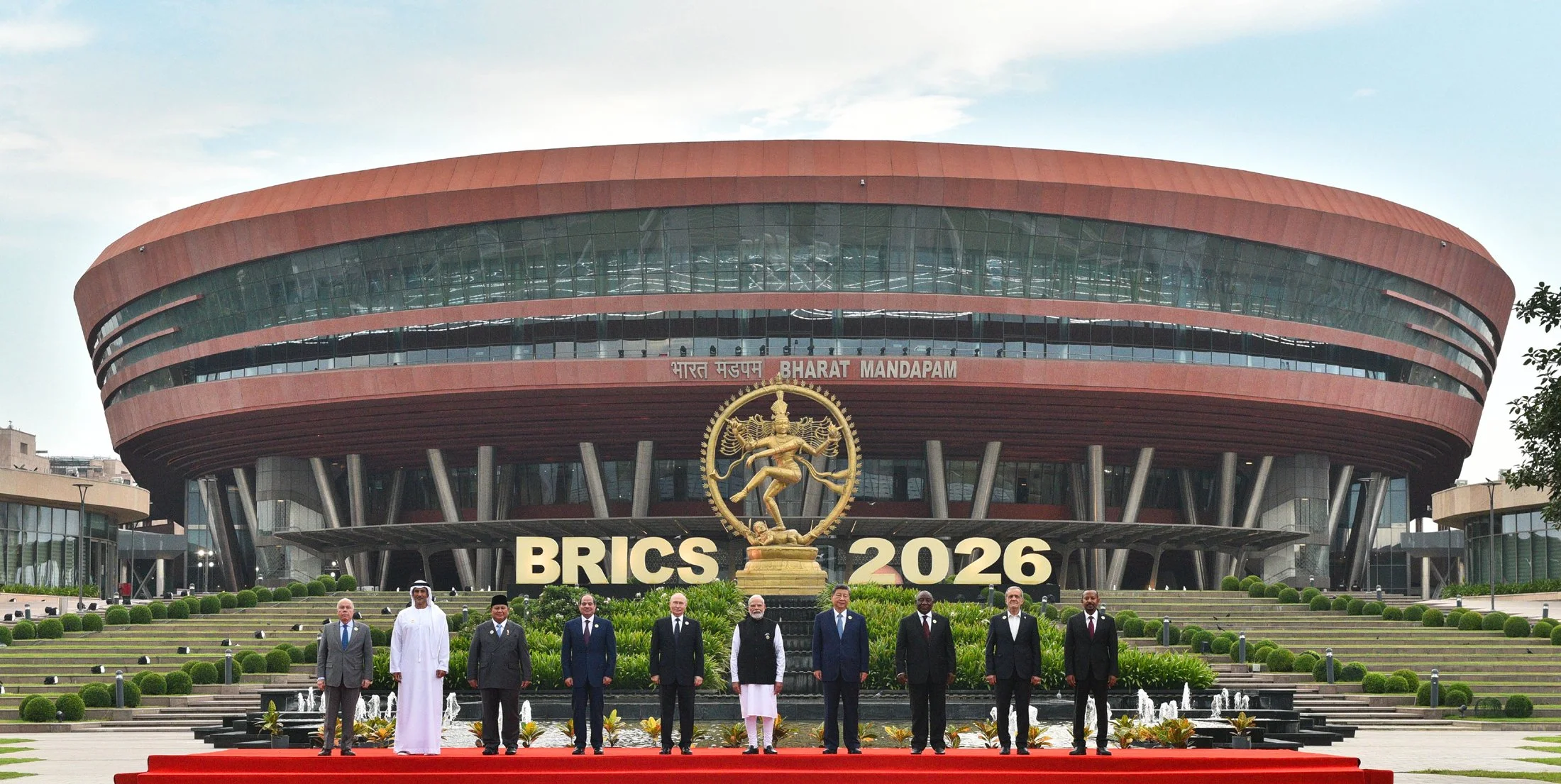
In the 20 years since BRICS was formed as a loose agglomeration of developing countries, the New Delhi Summit demonstrated that its value lay in providing a space for some overlapping approaches to economic management and development. The challenge is one of coordination, reconciling national priorities with the wider objectives of balanced trade, efficient cross-border payments, and effective development finance.
By Anit Mukherjee
The lack of jobs and job creation has not only sparked the recent student protests in Bangladesh but also has raised concern among voters in the United States as the 2024 presidential election nears. How can both the United States and Bangladesh tackle the shortcomings of their national job markets for incoming youth?
Observer Research Foundation America, 1100 17th St. NW, Suite 501, Washington DC 20036 USA