

By Marta Bengoa
What emerges from the London talks is not a coherent policy framework but rather a series of tactical compromises that fail to address underlying strategic challenges.

By Pietro Zecca
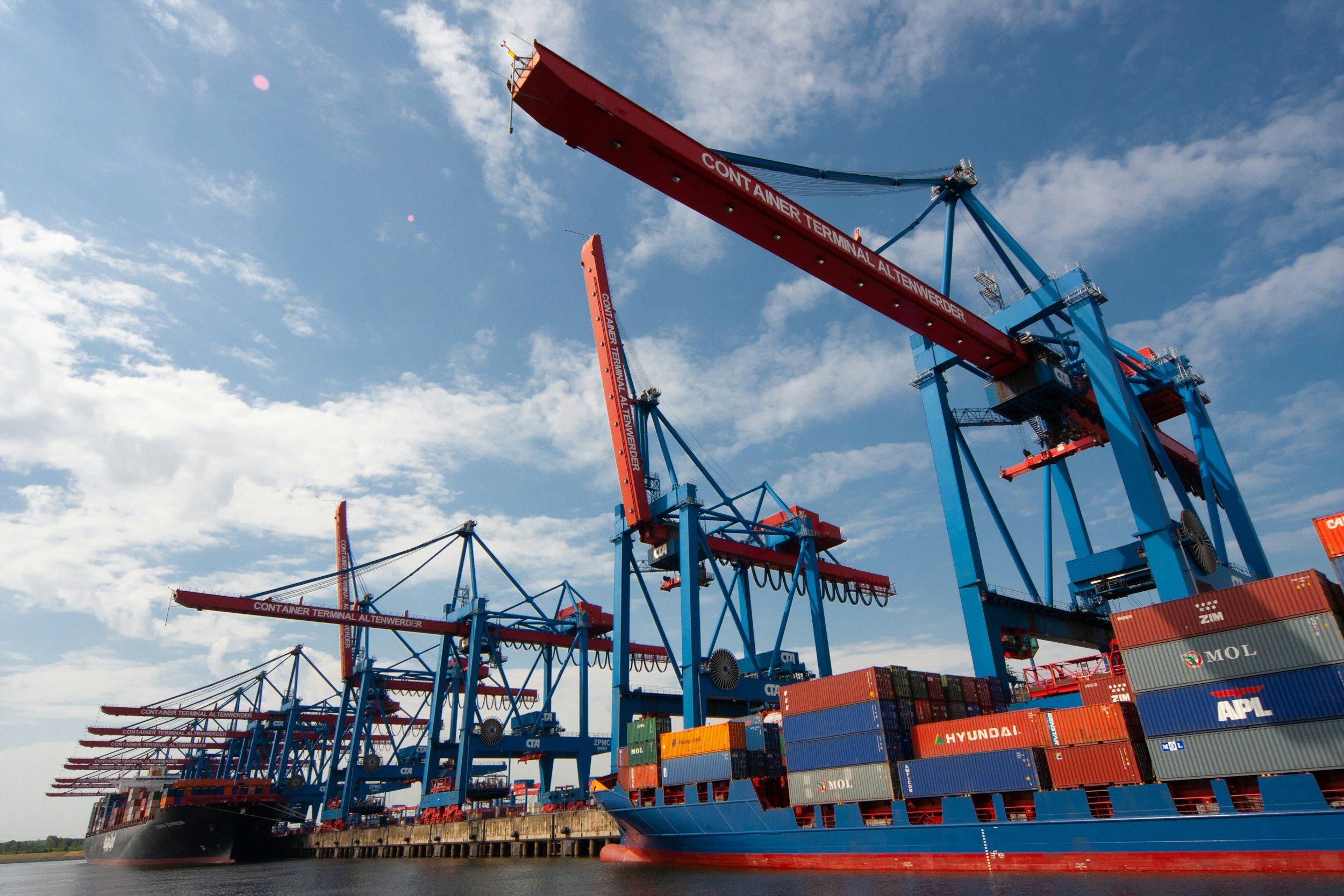
Pursued only through scattered pilot projects, industrial decarbonization stays fragmented and slow. Organized as clusters, it becomes more practical and politically durable, connecting climate finance to visible assets and bridging decarbonization with development.
By Uma Vatsa and Shailesh Mishra
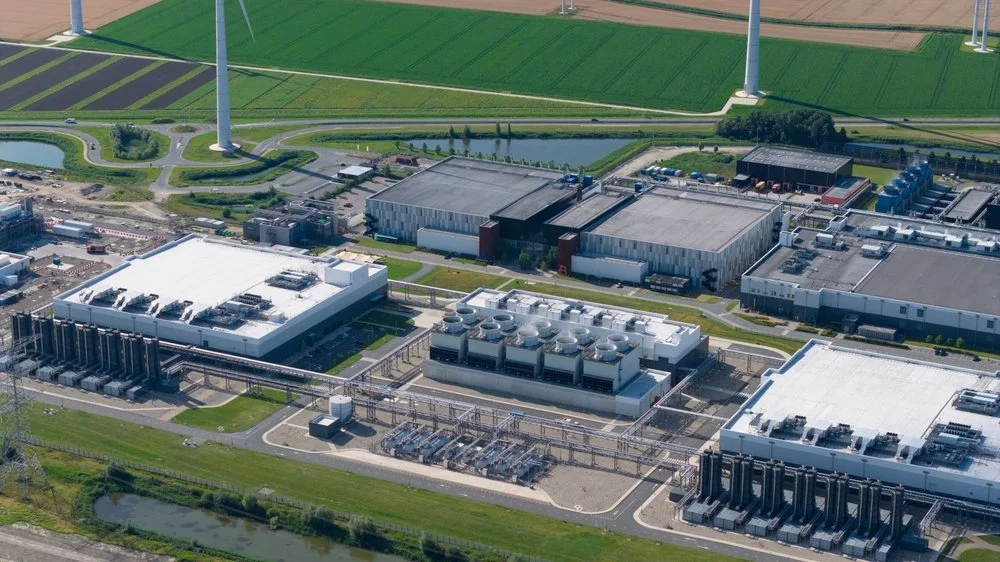
The AI industry is making large, long-lived bets on future demand, even as the technology itself is becoming more efficient. If AI systems become cheaper to run, more efficient to train, or less dependent on massively centralized compute, some of today’s infrastructure may prove oversized, poorly located, or economically fragile.
By Anit Mukherjee
As crude oil prices moderate and energy supplies become more predictable, India has an opportunity to address three key challenges.
By Ashita Jain
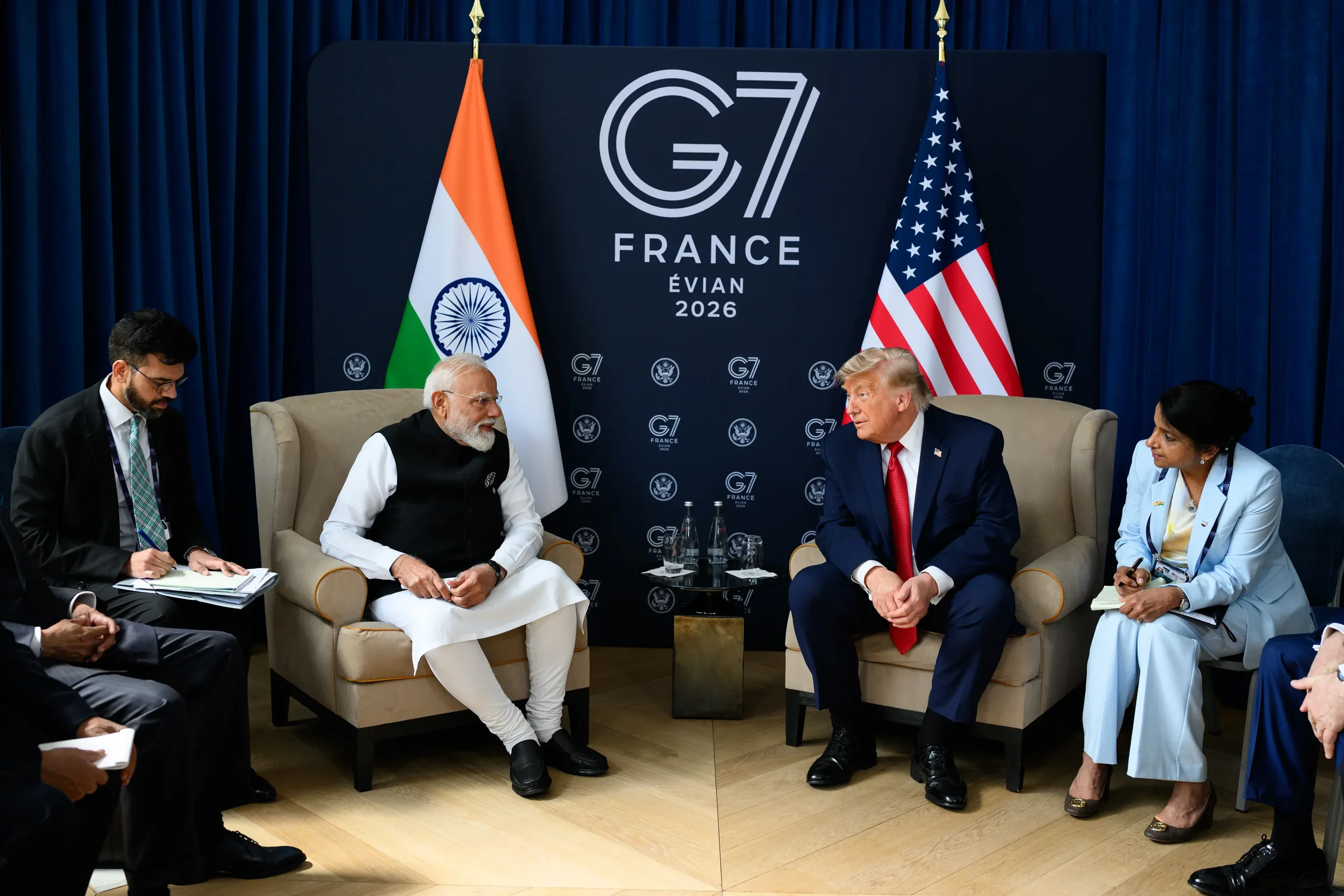
The proposed India-U.S. trade deal discussions are distinct from traditional FTA negotiations, for they resemble a strategic economic partnership being negotiated under tariff pressure and in pursuit of an increasingly elusive sense of predictability for Indian exporters.
By Caroline Arkalji
While India is globally recognized for its highly skilled engineering talent, it lags behind its peers in terms of a large, technically trained labor force needed to attract manufacturing investment at scale. To compete, India must align its technical education more closely with industry needs and emphasize skills critical to modern manufacturing.
Observer Research Foundation America, 1100 17th St. NW, Suite 501, Washington DC 20036 USA