


By Dhruva Jaishankar and Ammar Nainar
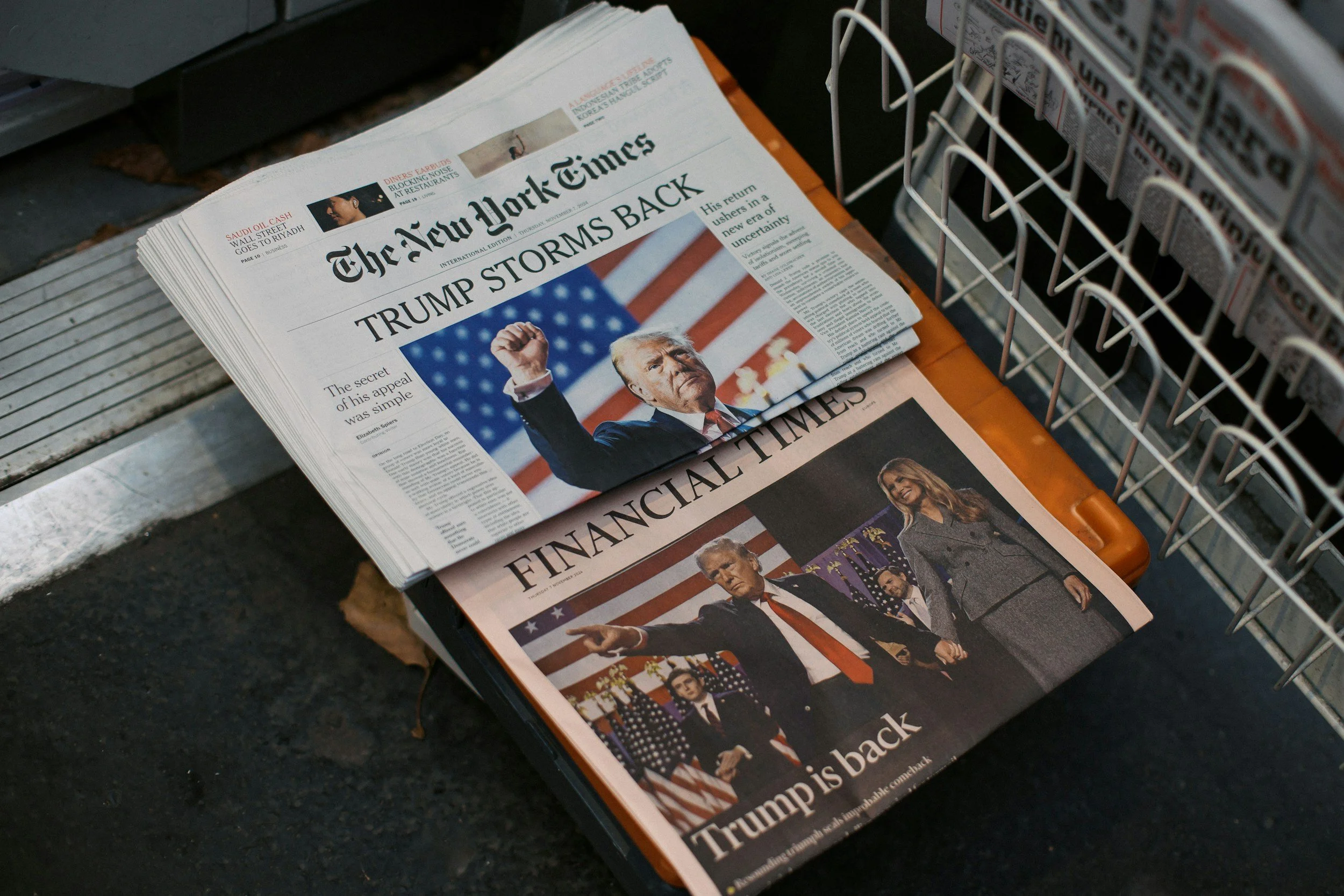
As observers struggle to make sense of Trump’s second presidential term, it is worth considering three parallel debates that are shaping these outcomes.

By Nilanjan Ghosh, Ramanath Jha, Oommen C. Kurian, Soma Sarkar, and Shoba Suri
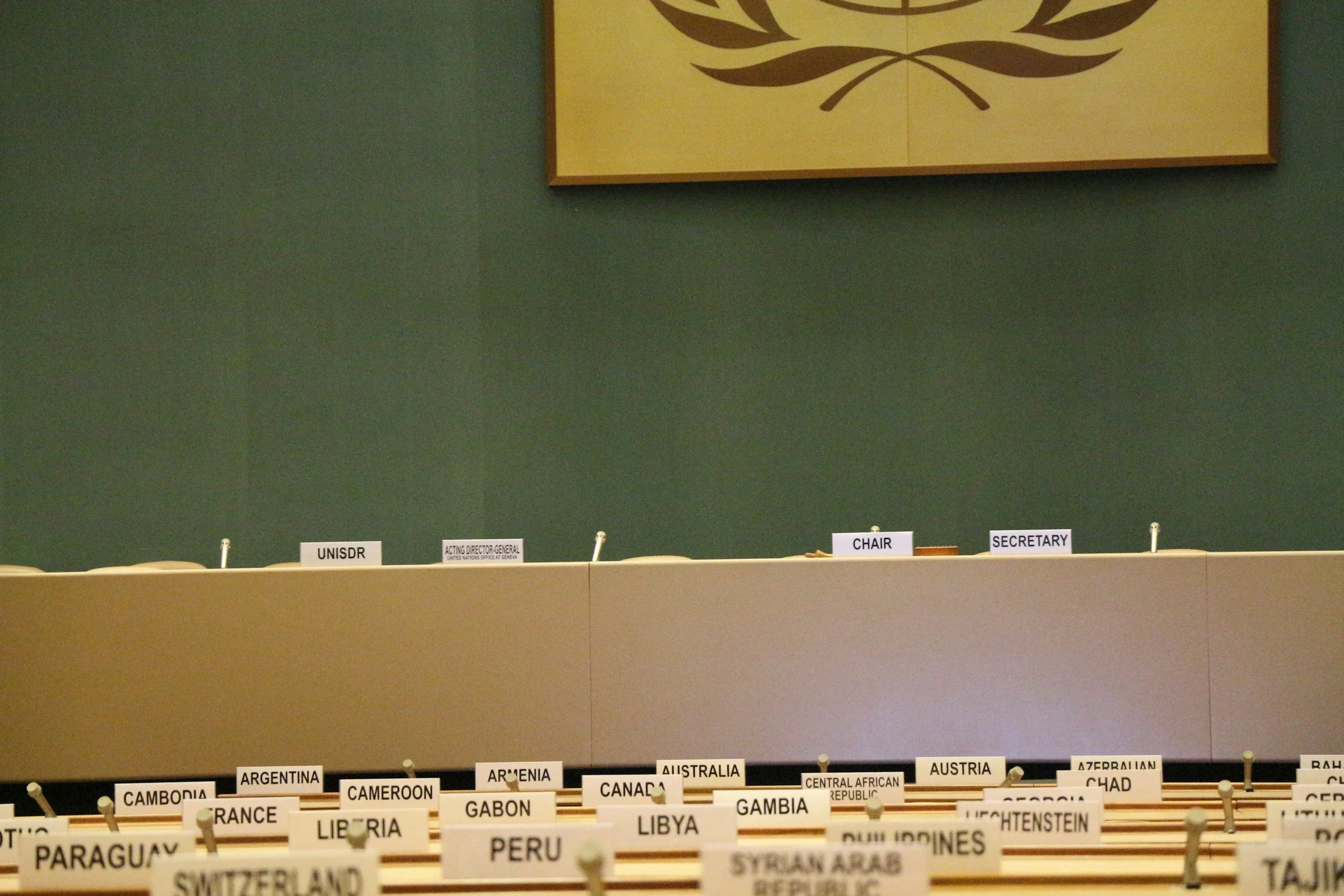
A distinctive feature of the year 2026 is the convergence of several transitions: food systems are being reshaped by regenerative practices and digital technologies, health governance is undergoing reform within a post-pandemic framework, and cities are simultaneously sites of vulnerability and centers of innovation.
By Katherine Salinas
As AI rapidly transforms the landscape of research and knowledge production, think tanks face an existential question: what is their role when AI agents can conduct research at speeds no human could match?
By Mannat Jaspal, Parul Bakshi, Cauvery Ganapathy, Lydia Powell, and Piyush Verma
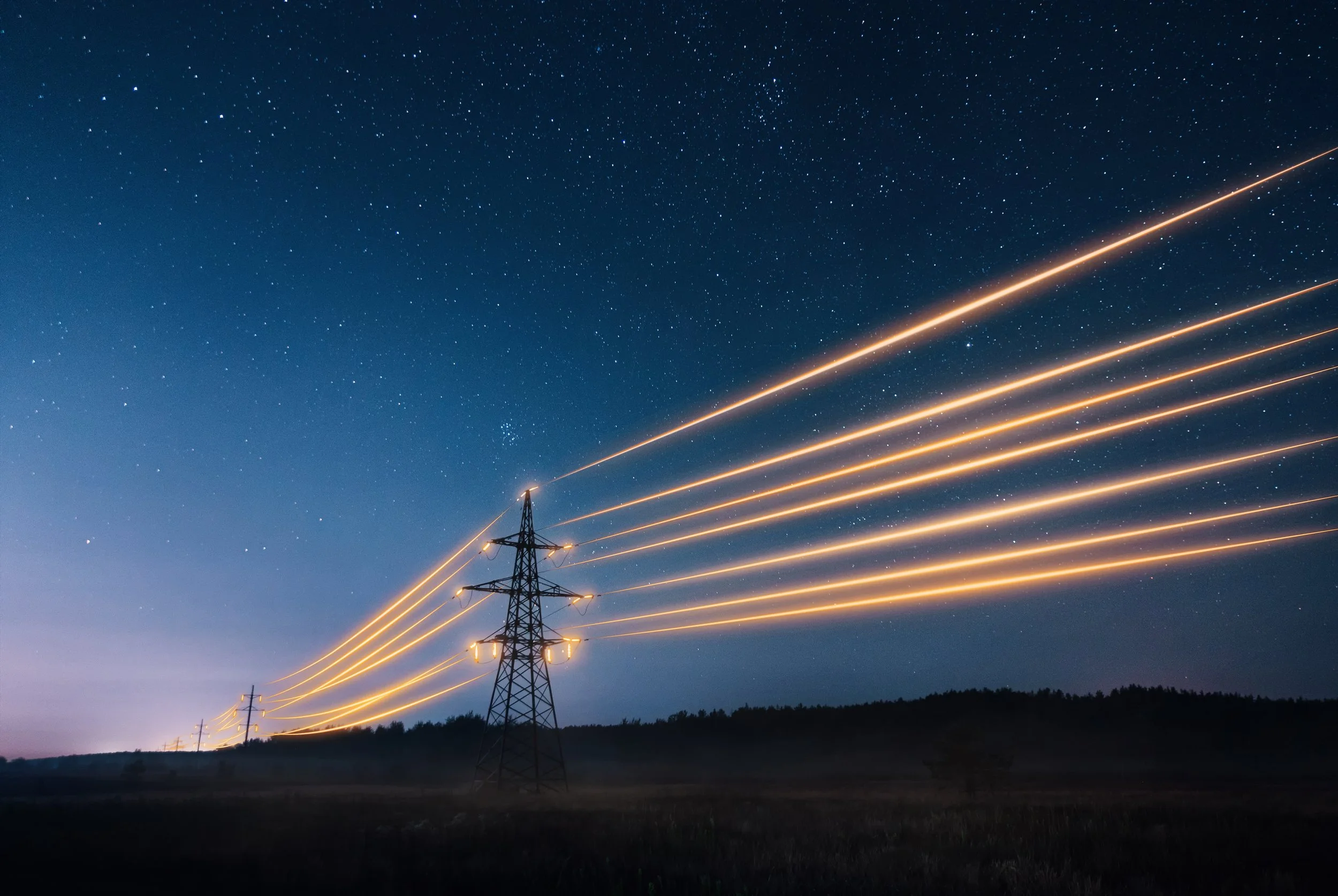
As we enter 2026, climate and energy policies are being shaped not only by decarbonization imperatives. Geopolitical upheaval, technological competition, economic transformation, supply chain resilience, and national security concerns are exerting influence over the future of energy and climate policies worldwide.
By Anirban Sarma with Sauradeep Bag, Anulekha Nandi, Prateek Tripathi, and Siddharth Yadav
The year 2025 saw several disruptive and emerging technologies advance from rhetoric, and experimentation, into ongoing expansion, to an accelerated phase of growth. At the same time, there emerged a rising sense of urgency about the need for digital sovereignty. Taken together, AI, quantum computing, digital currencies, and nanotechnology represent a frontier where technology, power, and the political economy increasingly converge.
By Anit Mukherjee with Dhruba Purkayastha, Arya Roy Bardhan, Srijan Shukla, and Jhanvi Tripathi
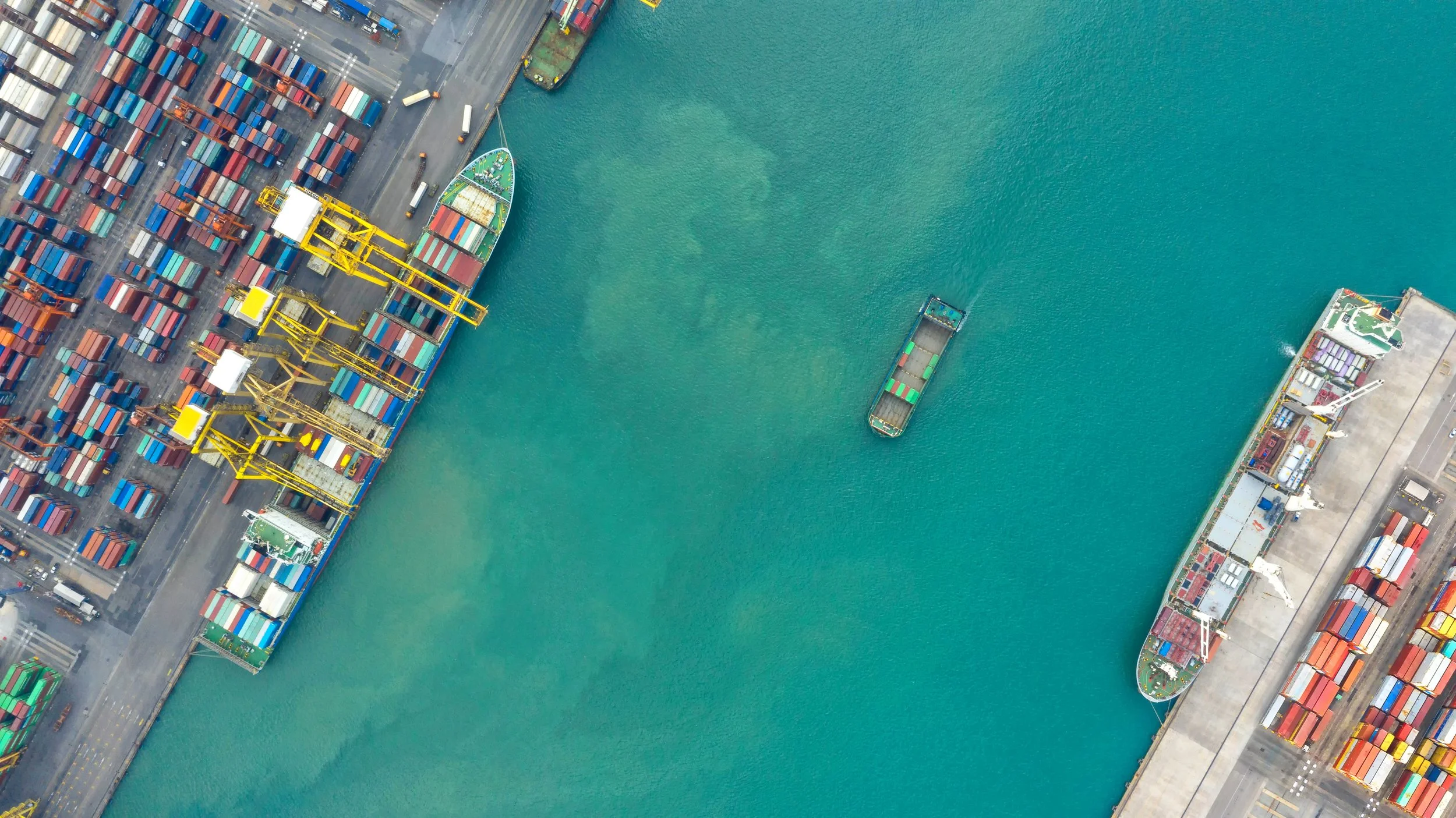
The “reciprocal tariffs” announced by the United States in early April disrupted the global trade flows and unsettled the multilateral system built over several decades. As a result, global players are adjusting to this new reality and altering their behavior beyond tariff measures to safeguard their own interests.
By Dhruva Jaishankar
Trump’s April 2 announcement has already roiled financial markets, and the global economy will continue to be adversely affected both by the implementation of tariffs and by uncertainty as negotiations proceed. But while there will be no immediate winners, some parties appear relatively better off.
By Ammar Nainar
In a signal of the United States’ burden-sharing efforts, the Indian Ocean region was featured eight times in the latest U.S.-India joint statement between Indian prime minister Narendra Modi and U.S. president Donald Trump. To India and the United States, the Indian Ocean remains vital for trade and energy flows, for security competition given China’s growing naval activity, and for connectivity between Asia, Africa, and Europe.
Observer Research Foundation America, 1100 17th St. NW, Suite 501, Washington DC 20036 USA