


By Karan Bhasin
With China’s economy slowing down, many emerging markets that supply critical raw materials for global value chains operating through China have become extremely vulnerable.

By Ammar Nainar
For the first time in a defense framework agreement, India and the United States specified “operational coordination” as an objective for enhancing collaboration in Professional Military Education (PME) and training. While earlier exchanges largely involved India borrowing best practices from the United States, recent cooperation between the two countries has emphasized greater joint activities and operations.
By Krishnaveni Palanivelu
Cybersecurity must be treated as a shared economic security challenge. By aligning standards, strengthening cooperation, and embedding cyber resilience into trade, infrastructure, and foreign policy, democracies like the United States and India can better protect their digital foundations and sustain long-term economic stability.
By Ashwini Thakre and Piyush Verma
No single country can efficiently develop the entire critical minerals value chain on its own, particularly for rare earths and battery materials. Cooperation among the United States, Australia, Japan, and other Indo-Pacific economies reflects a growing recognition that resilience lies not in isolation, but in diversified and trusted networks.
By Anit Mukherjee
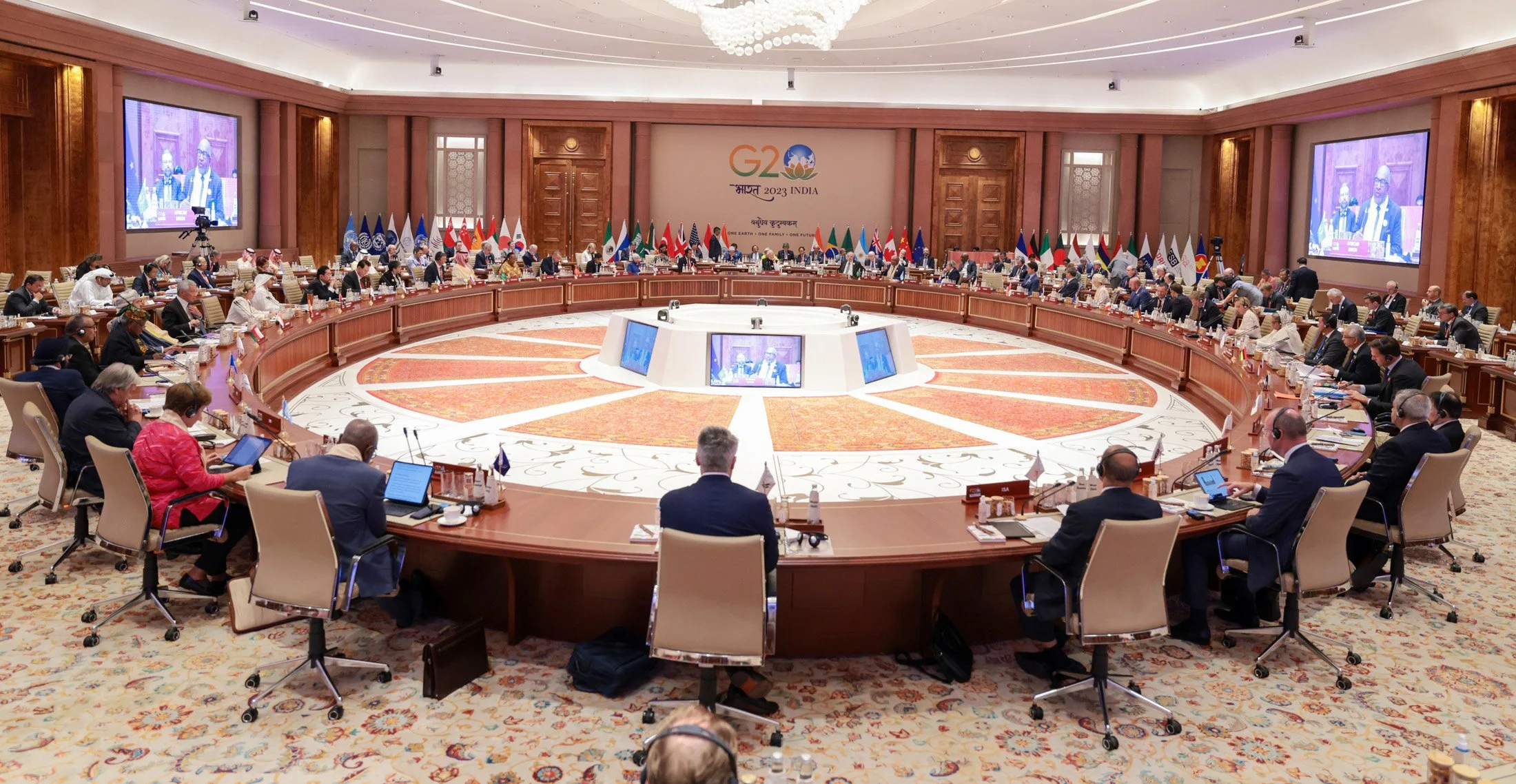
Just as the Pittsburgh G20 Summit in 2009 shaped the global economy after the global financial crisis, next year’s Summit in Miami could reset the G20 to issues that matter: financial stability, economic security, and technological innovation.
By Caroline Arkalji
For utilities and developers, a robust U.S. battery-storage industry would reduce dependence on overseas suppliers, cut logistical and tariff-related costs, and accelerate project deployment. If the United States seizes this moment, it can position itself as a global leader in grid-scale battery manufacturing and deliver a more reliable, competitive, and secure energy system for the decades ahead.
By Anit Mukherjee
The lack of jobs and job creation has not only sparked the recent student protests in Bangladesh but also has raised concern among voters in the United States as the 2024 presidential election nears. How can both the United States and Bangladesh tackle the shortcomings of their national job markets for incoming youth?
By Anneleen Roggeman
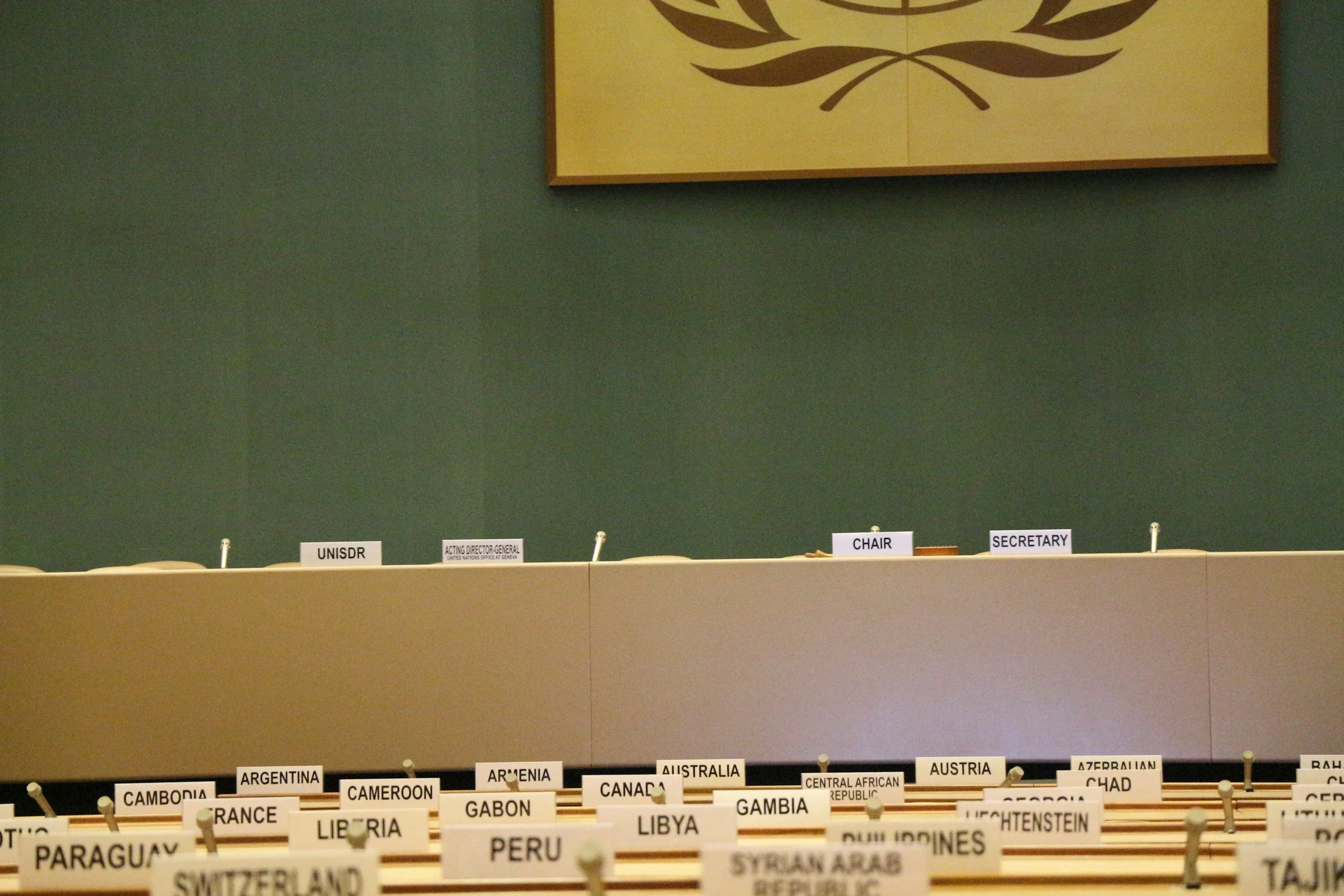
Earlier this month, member states of the UN Ad Hoc Committee on Cybercrime agreed to adopt the first global convention against cybercrime after three years of negotiations. The convention will be presented to the UN General Assembly in September, ratifying its legitimacy in 40 countries.
By Dhruva Jaishankar
Both the Republican and Democratic National Conventions commenced their programs this month, indicating the few months left for the 2024 U.S. presidential election. But little has been said about the candidates' approach to American foreign policy, especially regarding the future of the United States' relationship with China.
Observer Research Foundation America, 1100 17th St. NW, Suite 501, Washington DC 20036 USA