


By Dhruva Jaishankar and Medha Prasanna
The United Nations Security Council (UNSC) — at the center of the United Nations system — faces twin crises. One is a crisis of legitimacy. The second is a crisis of effectiveness and relevance.

By Siddharth Yadav and Khush Advani
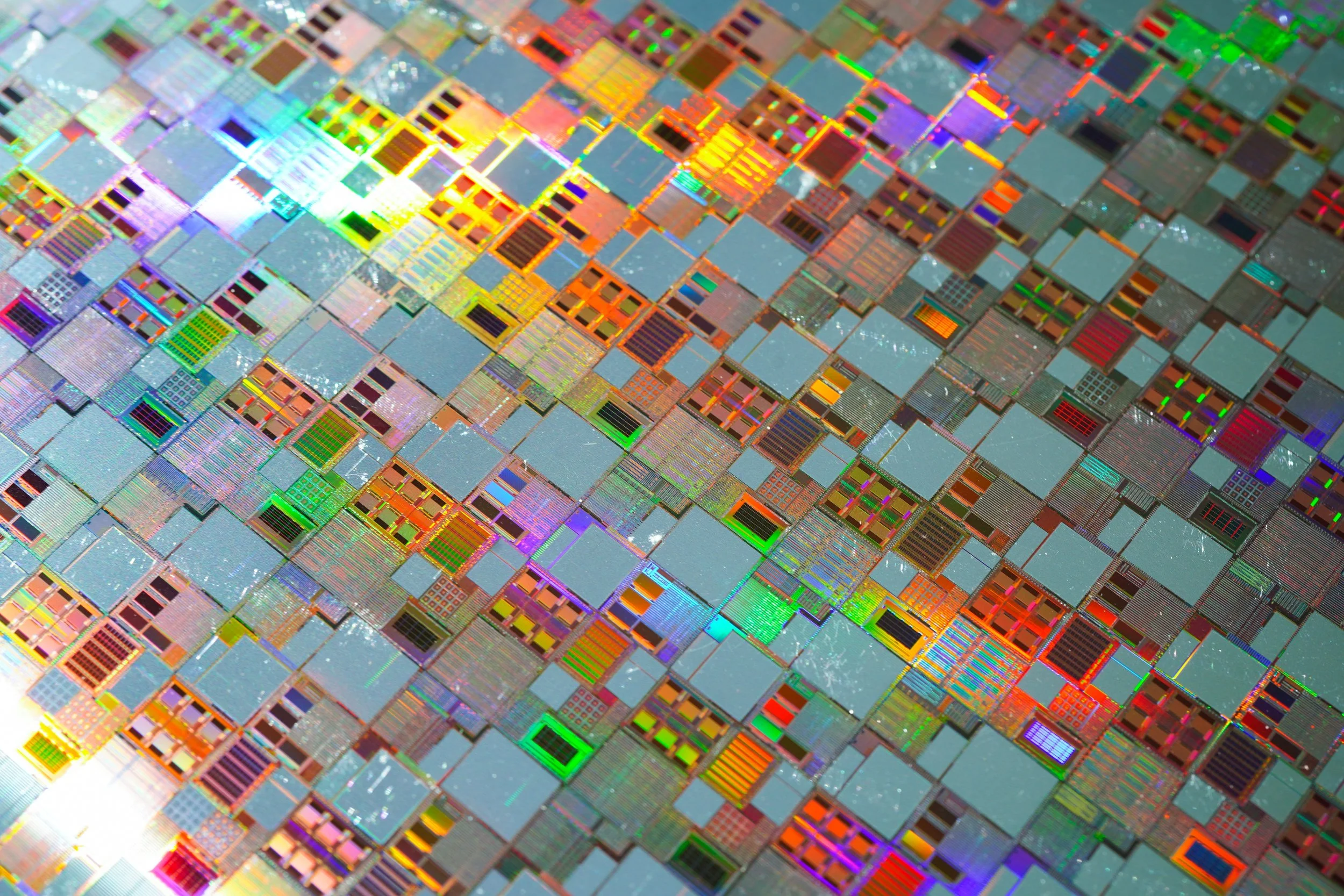
As AI reshapes economies, militaries, and societies, the nations that control the hardware pipeline will shape the rules of the emerging order. At present, that pipeline runs through a single bottleneck in Veldhoven, Netherlands. For middle powers, the choice is to either accept permanent dependency on a supply chain governed by the strategic priorities of others, or invest collectively in an alternative.
By Rohan Sharma
The effectiveness of U.S.-India AI cooperation will be measured not by the number of joint statements issued, but by whether both countries can build systems that are trusted, interoperable, and deployable across borders.
By Cauvery Ganapathy
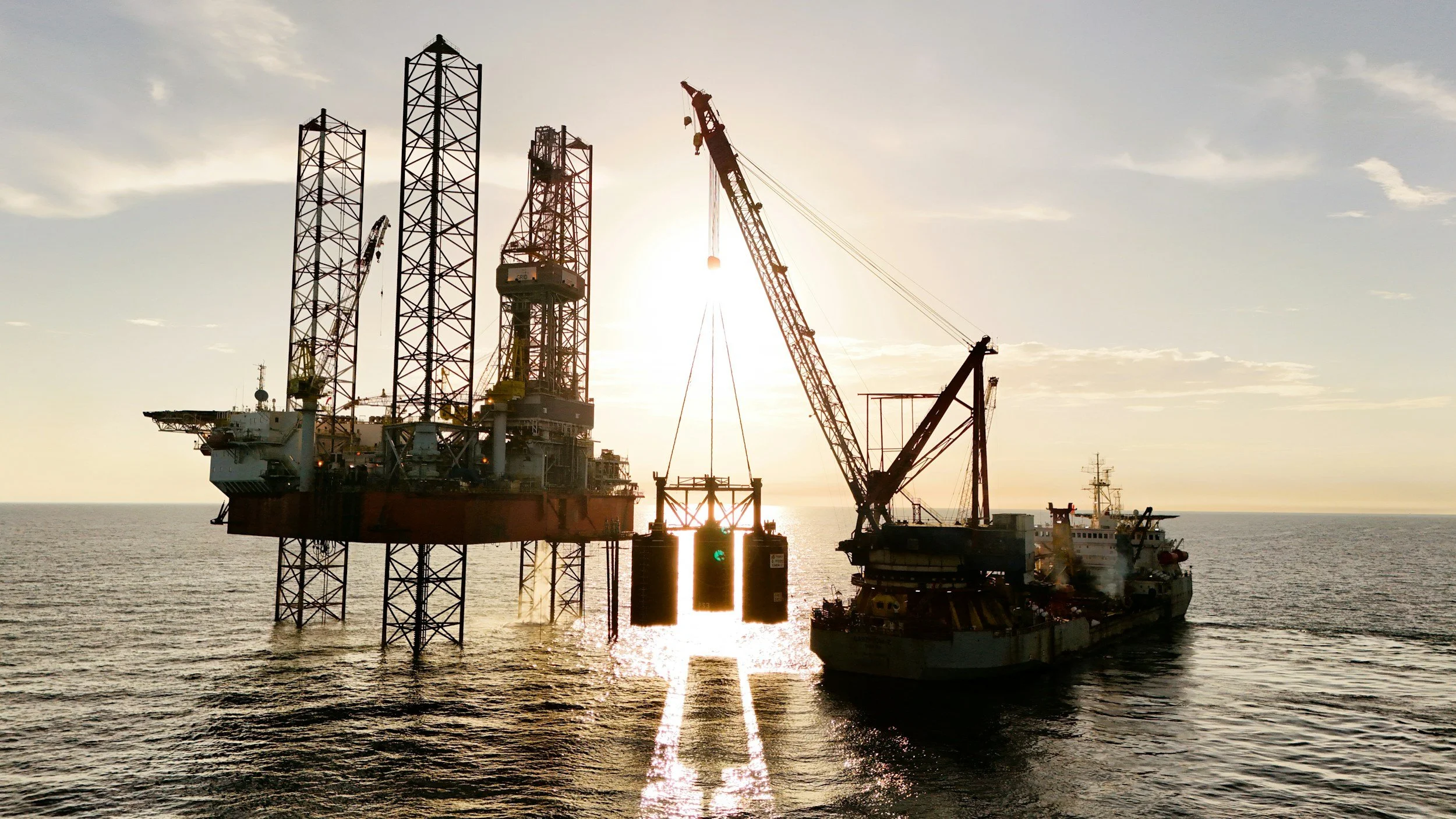
Disruptions triggered by the Iranian blockade of the Strait of Hormuz have interrupted global efforts at industrial reshoring, data center-led digitization, electrification, and the reinforcement of defense production lines, while also posing risks to global food security.
By Jeffrey D. Bean
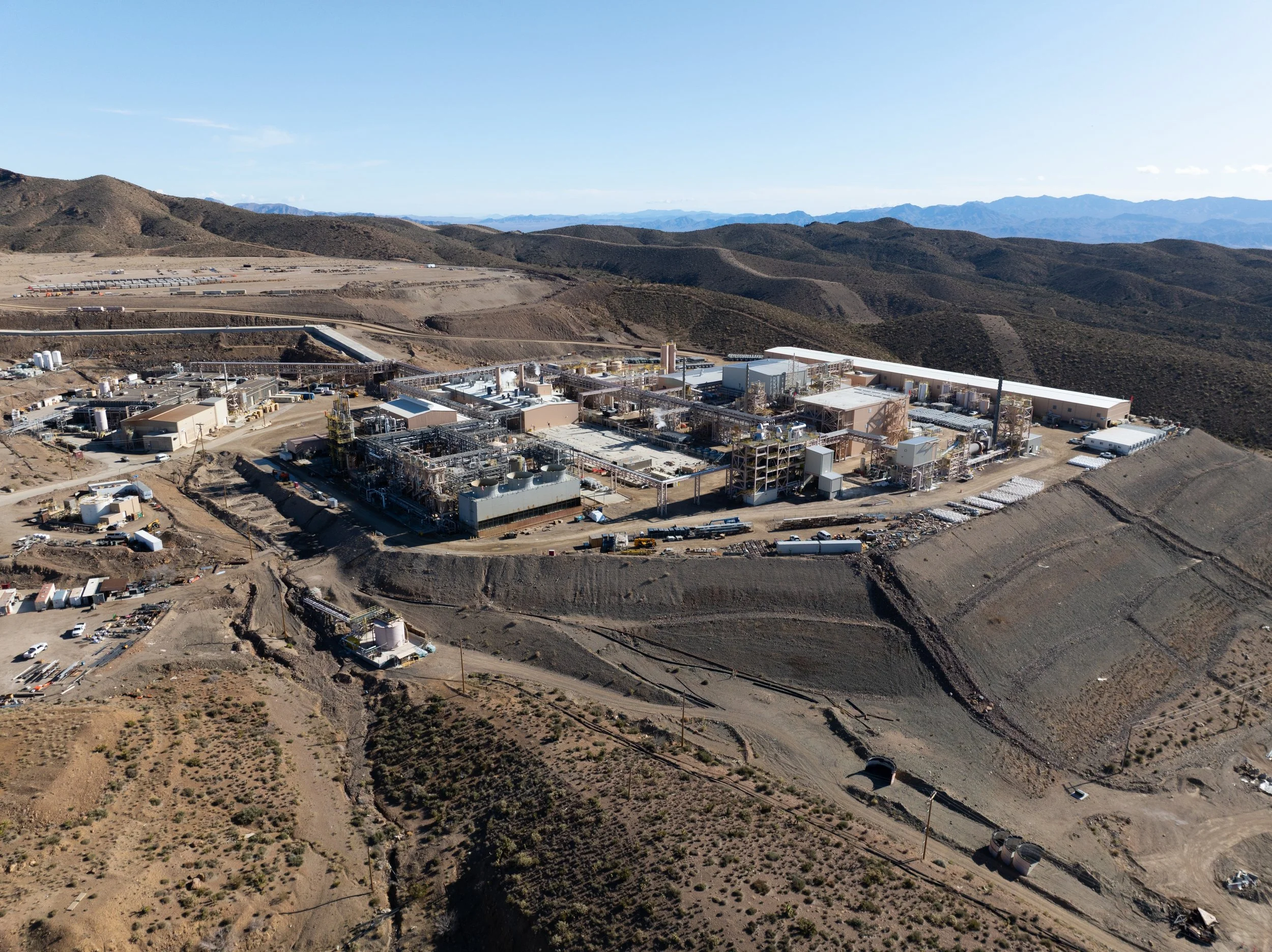
If the U.S. government can facilitate practical, targeted bilateral engagements for mining and processing under the banner of Pax Silica and FORGE, these could support derisking semiconductor, AI, and critical mineral supply chains provided key Global South actors are engaged effectively and equitably.
By Mahdi Ghuloom and Cauvery Ganapathy
What is noteworthy is that the UAE and Bahrain, two countries which have consistently advocated for a diplomatic resolution to the dispute, have now been forced to pivot towards seeking a more proactive approach aimed at securing the Strait under a UN-supported coalition.
By Caroline Arkalji
While India is globally recognized for its highly skilled engineering talent, it lags behind its peers in terms of a large, technically trained labor force needed to attract manufacturing investment at scale. To compete, India must align its technical education more closely with industry needs and emphasize skills critical to modern manufacturing.
By Dhruva Jaishankar
Trump’s April 2 announcement has already roiled financial markets, and the global economy will continue to be adversely affected both by the implementation of tariffs and by uncertainty as negotiations proceed. But while there will be no immediate winners, some parties appear relatively better off.
By Ammar Nainar
In a signal of the United States’ burden-sharing efforts, the Indian Ocean region was featured eight times in the latest U.S.-India joint statement between Indian prime minister Narendra Modi and U.S. president Donald Trump. To India and the United States, the Indian Ocean remains vital for trade and energy flows, for security competition given China’s growing naval activity, and for connectivity between Asia, Africa, and Europe.
Observer Research Foundation America, 1100 17th St. NW, Suite 501, Washington DC 20036 USA