

By Sadiq Amini
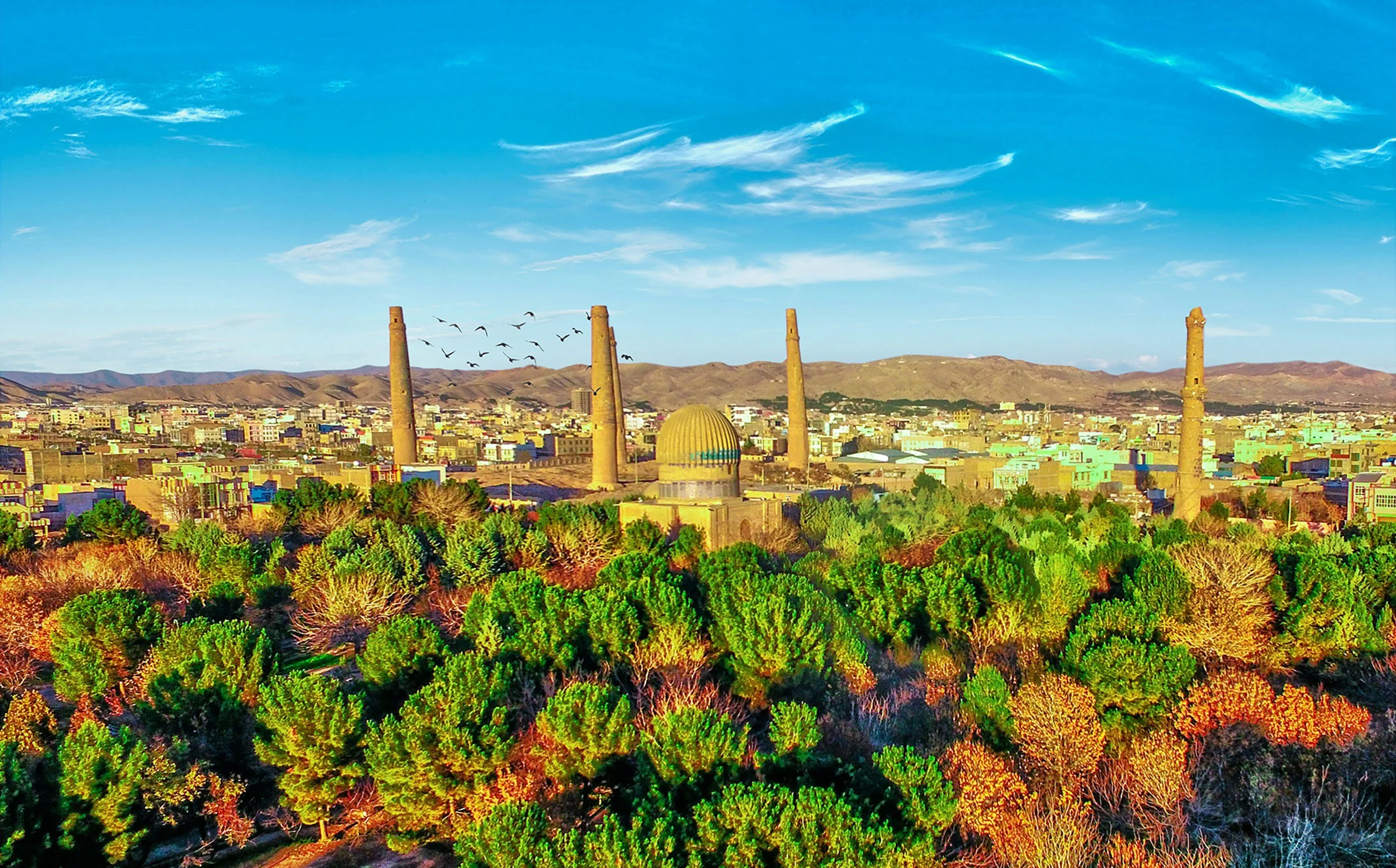
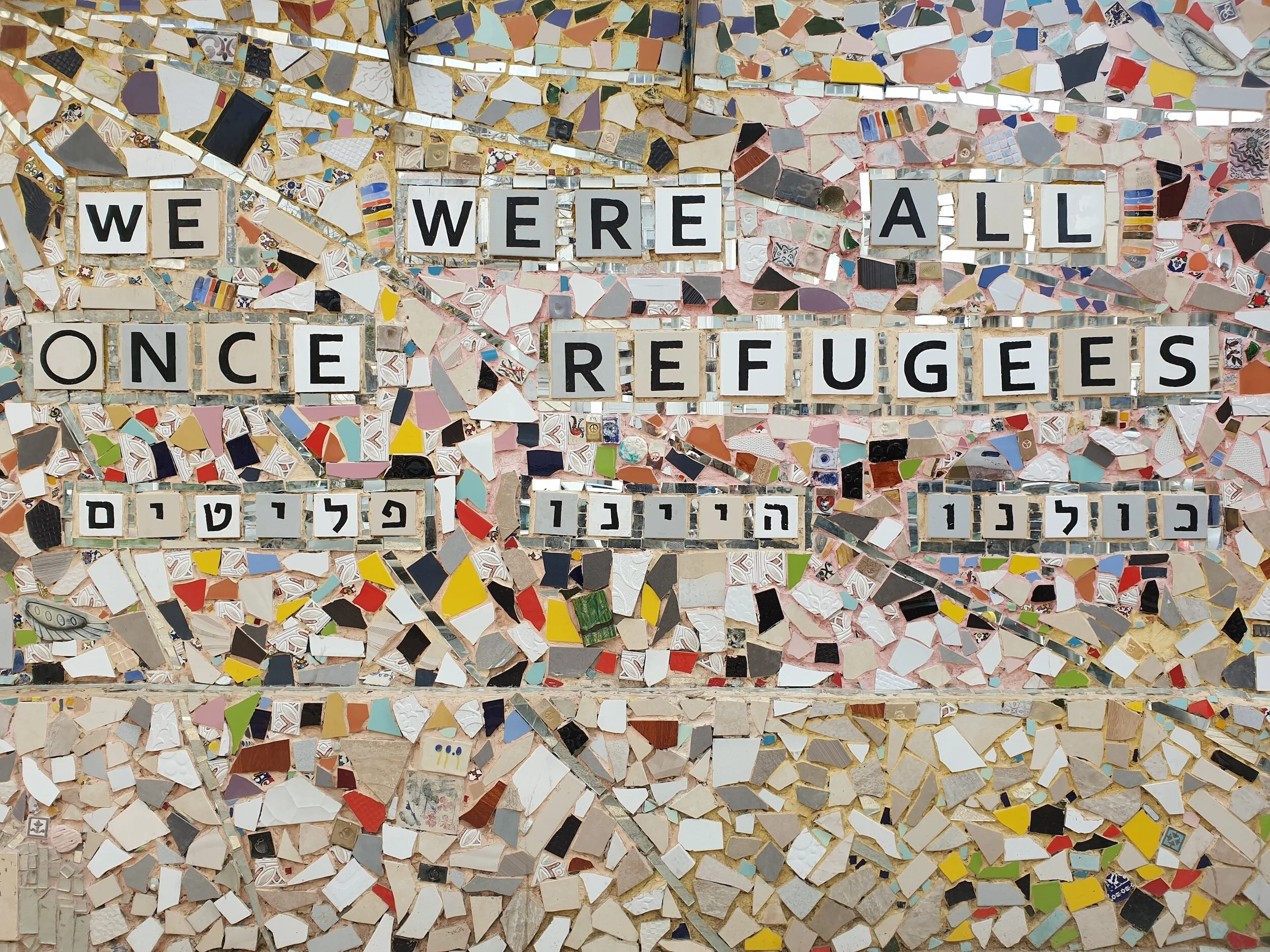
With the Taliban's return to power, Afghanistan is prone to rise of international terrorist groups just three years after the United States' withdrawal.

Edited Volume
By Rachel Rizzo, Clemens Chay, Kartik Bommakanti, Vasabjit Banerjee, Aleksei Zakharov, Soumya Bhowmick, Arya Roy Bardhan, Jhanvi Tripathi, and Samriddhi Vij
Editors: Sharon Stirling and Eszter Karacsony
By Udaibir Das
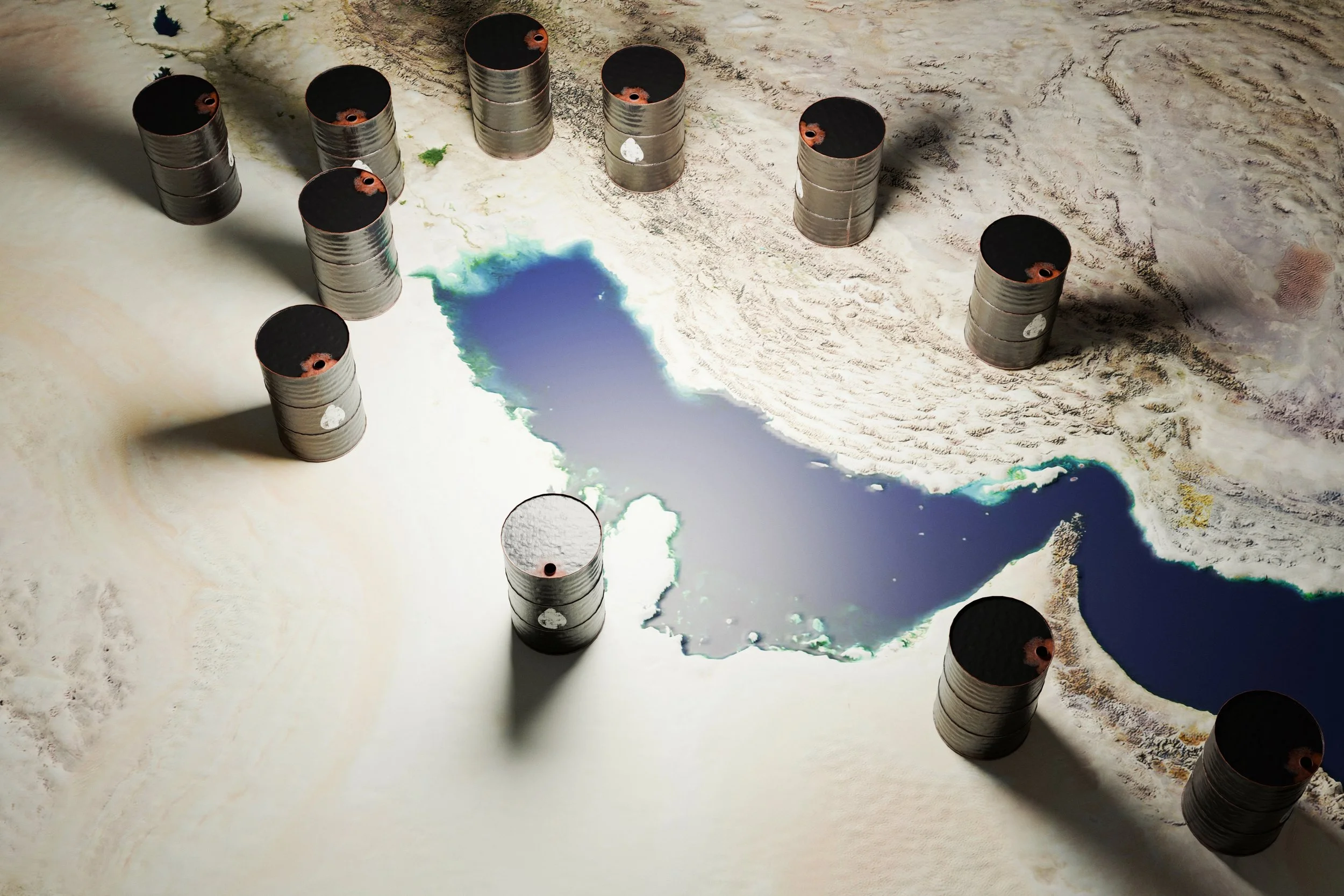
More moves of this kind should be expected, extending beyond energy into critical minerals, technology standards, industrial policy, and cross-border finance. The UAE’s decision is not an outlier. It is a marker — not of fragmentation, but of redefinition.
By Dhruva Jaishankar and Ylli Bajraktari
The United States and India now have a major opportunity to cooperate more closely on AI. But they must move beyond the rhetoric of shared values to building shared infrastructure.
Special Report No. 10
By Piyush Verma, Caroline Arkalji, and Telmen Altanshagai
By Sadiq Amini
With the Taliban's return to power, Afghanistan is prone to rise of international terrorist groups just three years after the United States' withdrawal.
By Sadiq Amini
These days, Afghan democrats need a champion, and India, under Modi’s leadership, could be that champion – if New Delhi can correct course on its Afghanistan policy.
By Dhruva Jaishankar
But the biggest obstacle remains China. China alone among the P-5 has not voiced support for the expansion of permanent UNSC seats but often hides behind others in negotiations.
By Dhruva Jaishankar
At a basic level, India’s large diaspora in the US and a shared sense of democracy continue to contribute to deepening India-US relations.
By Sadiq Amini
A choice hasn’t been made, but non-Taliban stakeholders are eager for a policy change.
By Dhruva Jaishankar
There are important differences between Biden and Trump on alliances, climate policy, immigration, tariffs, and democracy.
By Sadiq Amini
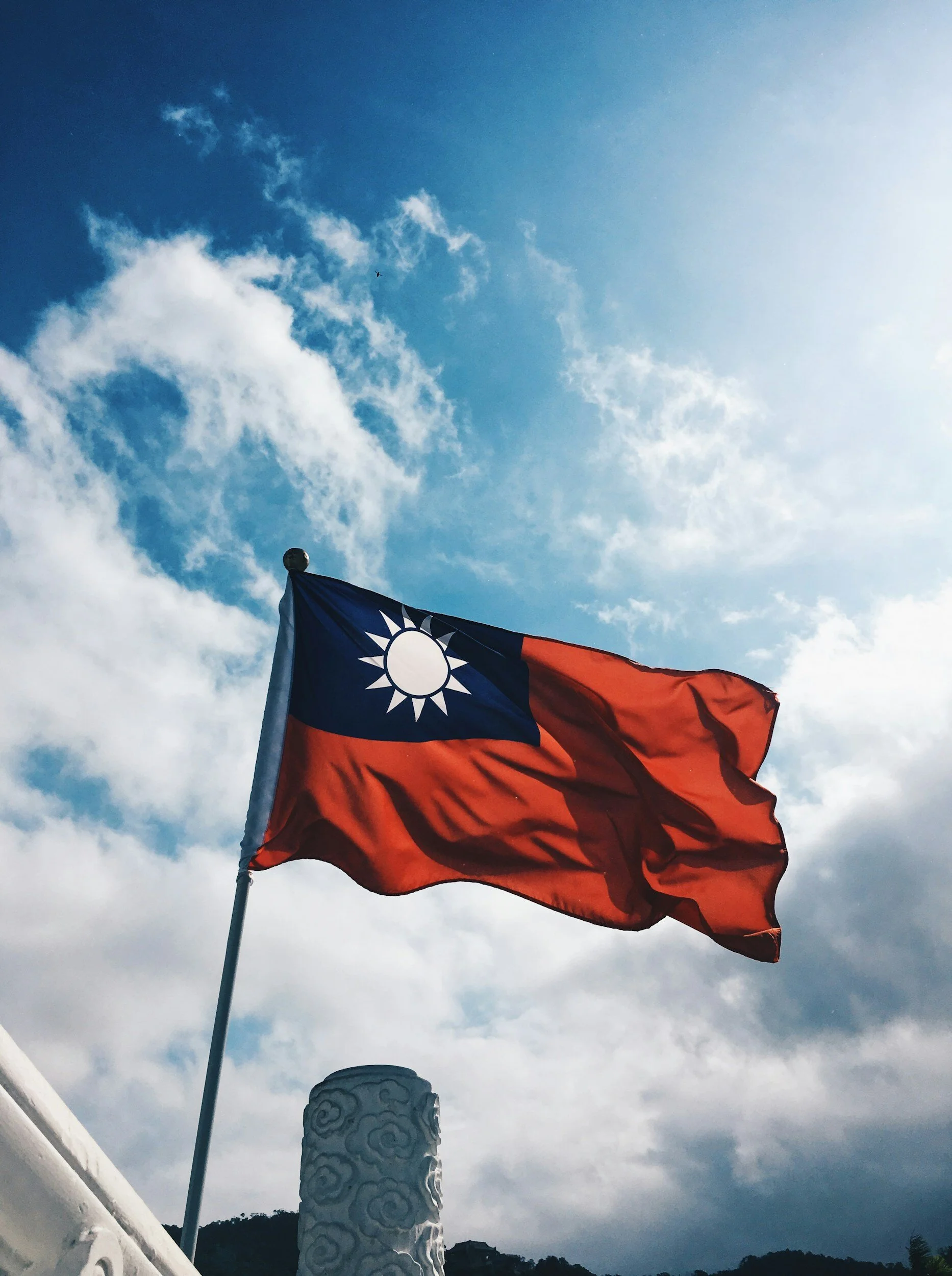
By spearheading the restoration of democracy in Afghanistan, Taiwan could eventually forge a strong alliance with a democratic Afghanistan.
By Dhruva Jaishankar
ORF America Executive Director Dhruva Jaishankar was interviewed by Adrija Chatterjee of Moneycontrol on the sidelines of the Raisina Dialogue in New Delhi.
By Dhruva Jaishankar
Taiwan’s political status will inevitably be a zero-sum matter in the intensifying global competition between China and the US.
By Sadiq Amini
In a way, the situation in Afghanistan serves as a microcosm of the status of the wider world.
By Dhruva Jaishankar
Nations including the US, Japan and India are preparing for a global economy characterised by gated globalisation, plurilateral or regional blocs, and competing industrial policies
By Dhruva Jaishankar
Prague’s experience with Beijing also exposes the limitations and fragility of China’s global outreach
By Dhruva Jaishankar
Economic, demographic, and commercial factors are driving India’s outreach. Advancing the Global South agenda may prove to be its enduring legacy
By Dhruva Jaishankar
The world is facing enormous change in the decade ahead. And one of the key ones will be that alliances will be defined less by military treaties and more by choices on critical and emerging technologies.
Observer Research Foundation America, 1100 17th St. NW, Suite 501, Washington DC 20036 USA