By Vivek Mishra
How does India’s shift towards individualism impact its relationship with Washington as tensions with China grows?

By Andreas Kuehn
The contest for AI supremacy is no longer about who has the best models, but about who can fund, power, and scale the infrastructure behind them.
By Udaibir Das
Can capital take on purpose without money losing the fungibility on which markets depend? The question must be asked while the machinery is still being chosen.
By Dhruva Jaishankar
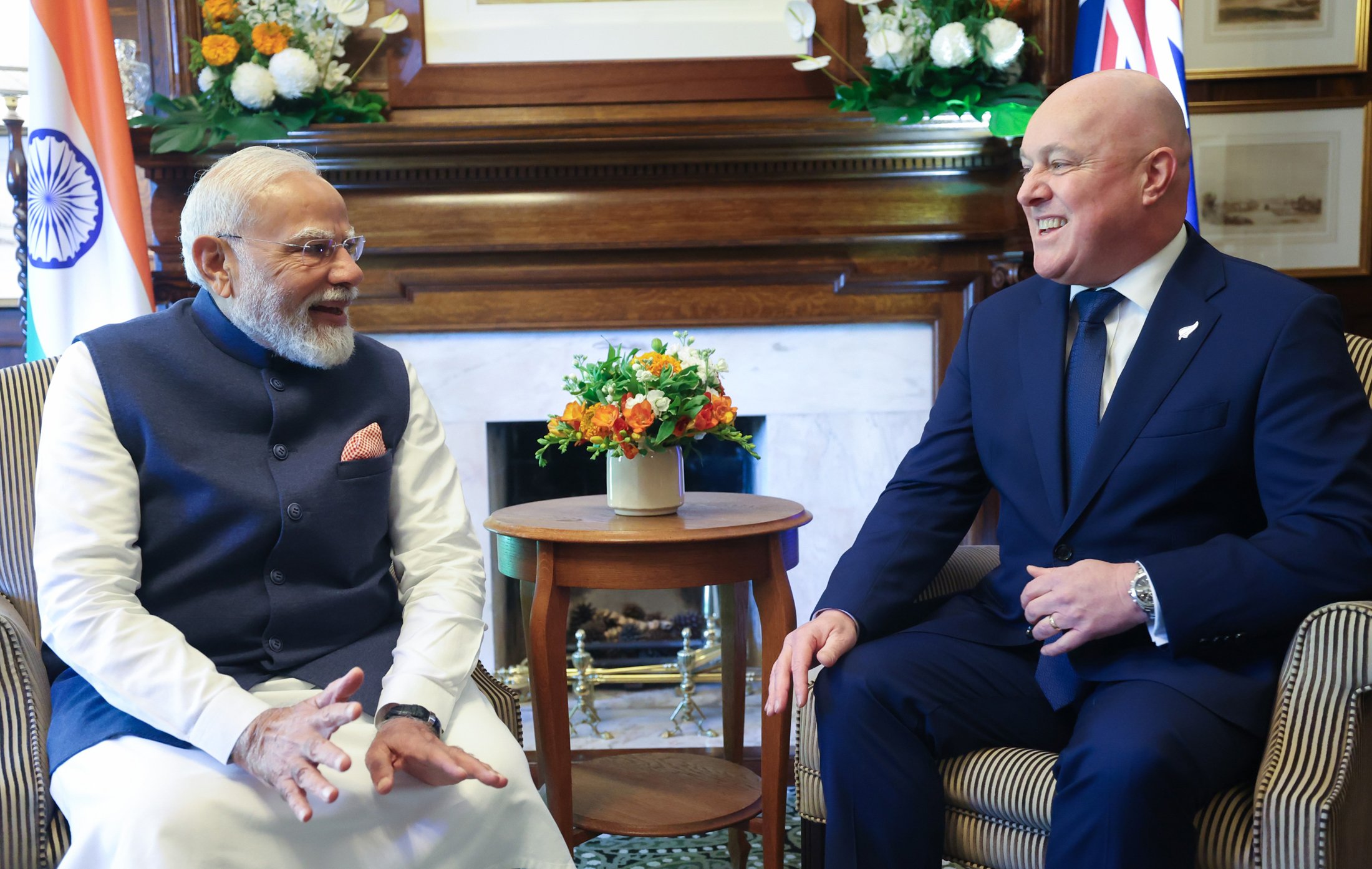
The India-New Zealand partnership has benefited in recent years from top-down political attention, a strong people-to-people foundation, and external impulses compelling both New Delhi and Wellington to diversify their partnerships. The next few years represent an opportunity to build upon the foundations of an FTA and Strategic Partnership and construct a relationship that is more than two-dimensional.
By Vasabjit Banerjee
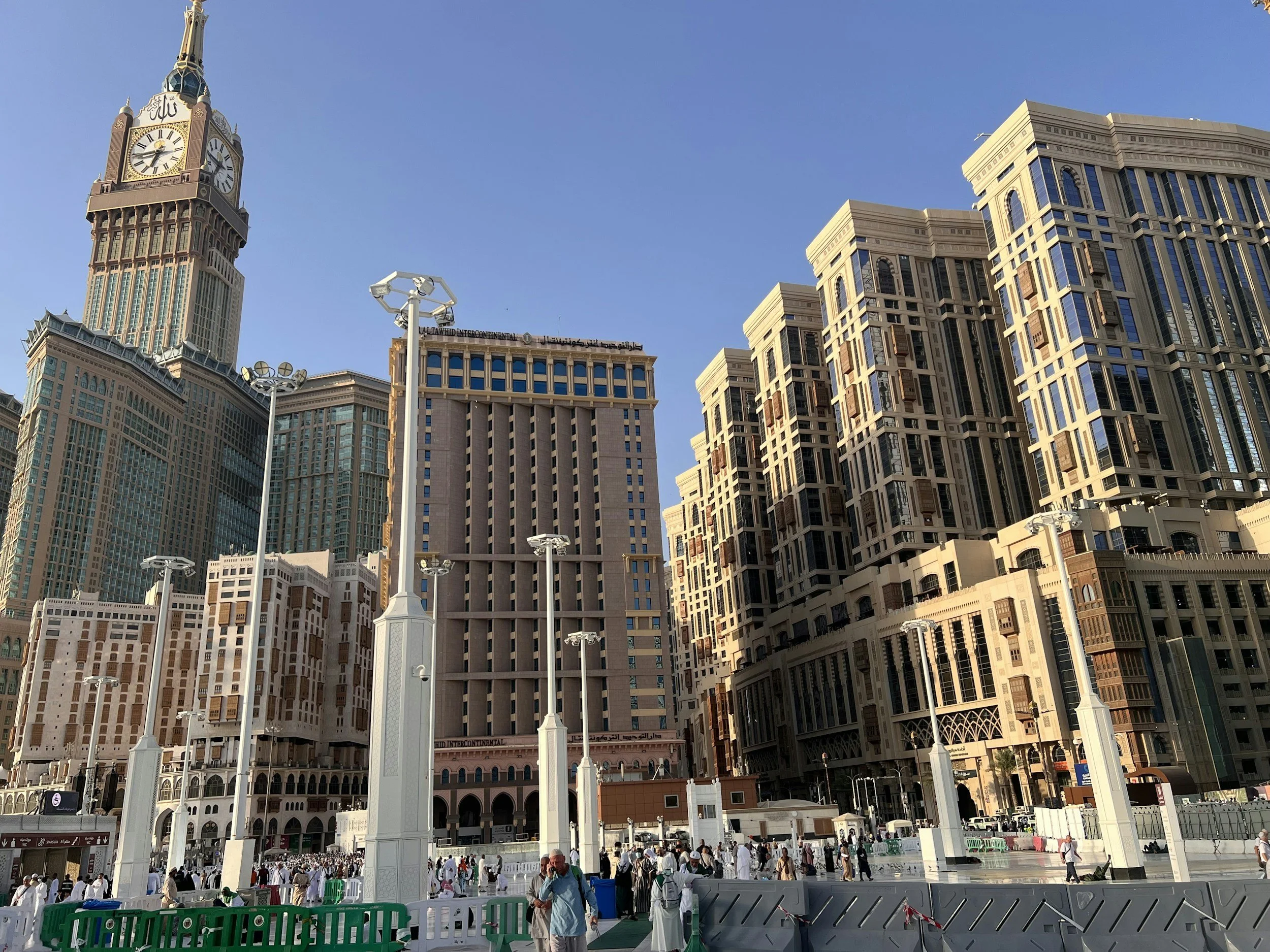
The Mecca Joint Defense Agreement faces all the classic challenges of an alliance with none of the unifying elements.
By Vivek Mishra
How does India’s shift towards individualism impact its relationship with Washington as tensions with China grows?
By Vivek Mishra
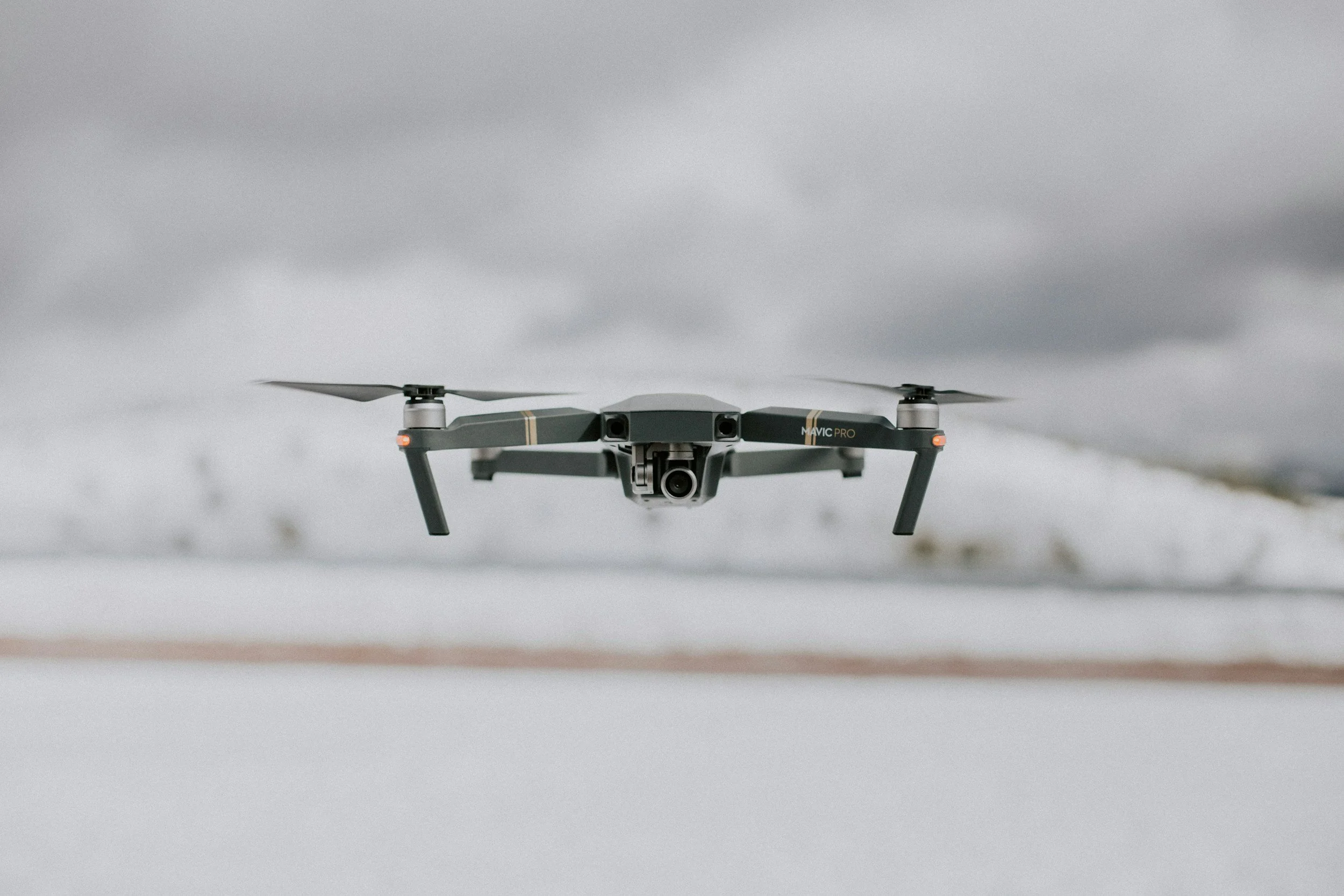
How does the recent MQ-9B drone deal between India and the United States foster deeper defense and technology cooperation between the two countries?
By Vivek Mishra
As Washington navigates pressures in Latin America, it remains to be seen how the next U.S. administration will deal with Russia and China in America’s backyard.
By Vivek Mishra
External factors are likely to weigh heavily on US commitments in the Indo-Pacific under the next administration, which will in turn influence the evolution of the India-US security partnership.
By Vivek Mishra
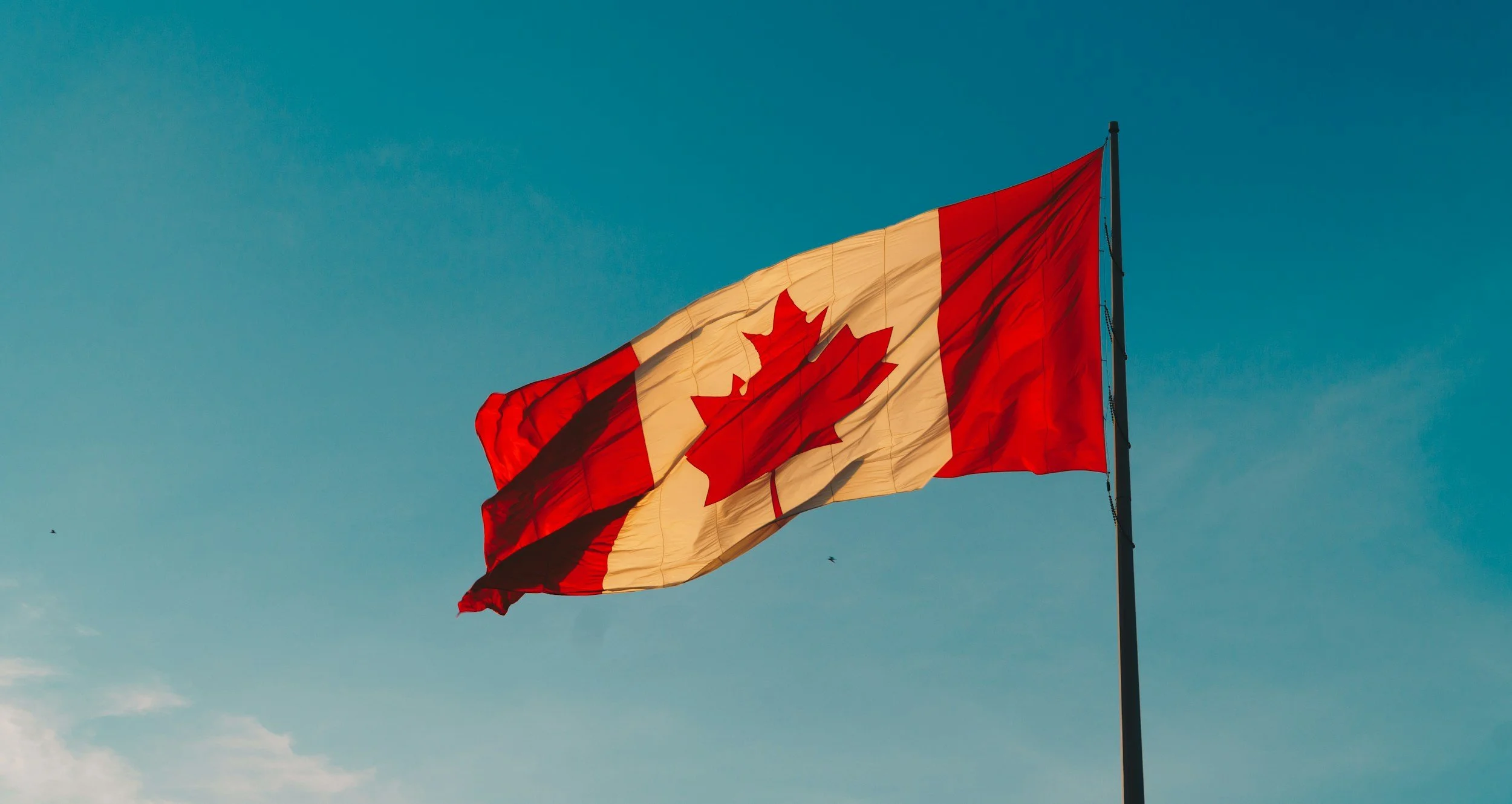
Faced with low approval ratings, Justin Trudeau seems to be using foreign policy as a tool to distract from his domestic failures. Not just India, but another unresolved issue of Trudeau's tenure has been his handling of Chinese interference in Canadian elections.
By Vivek Mishra
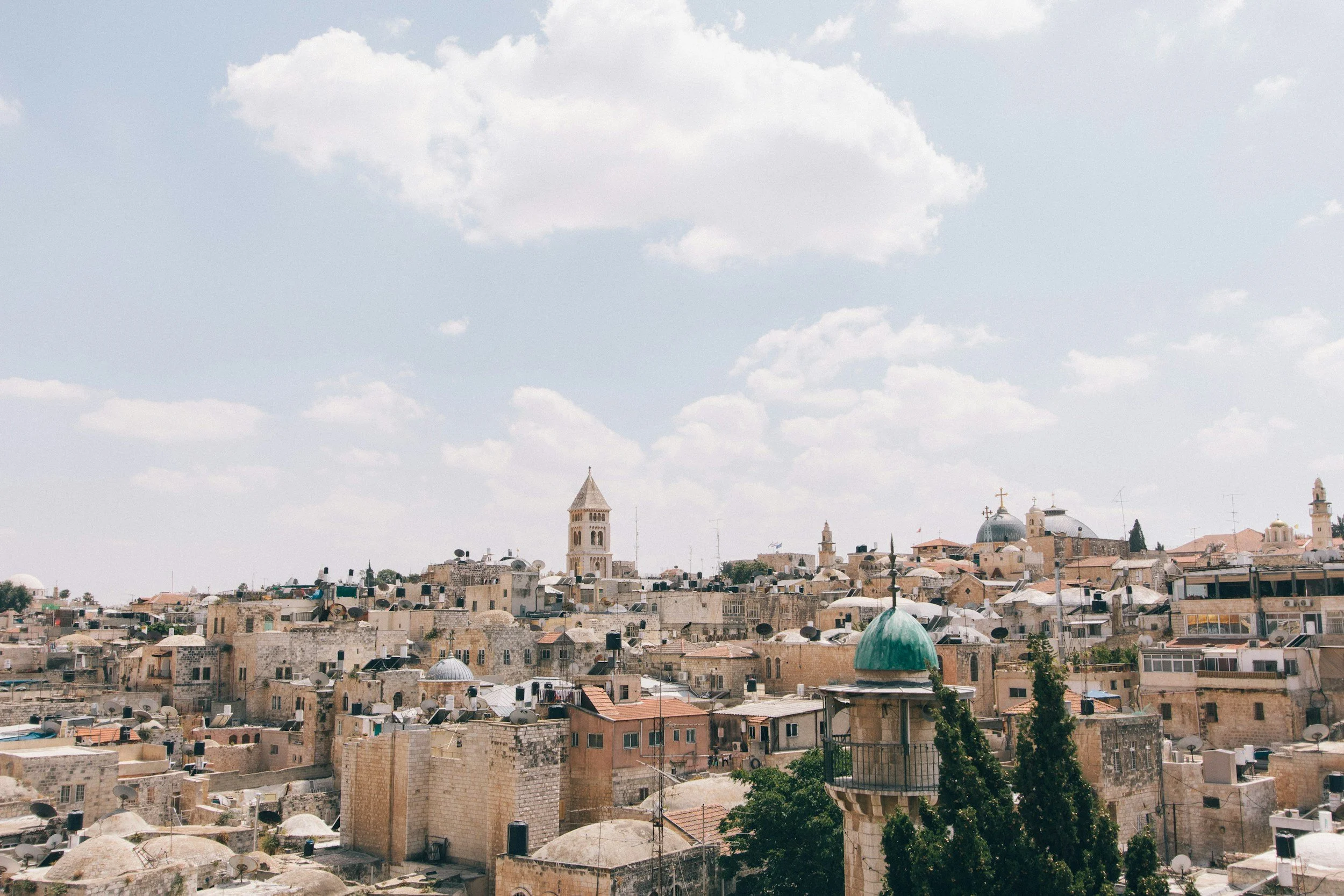
As Arab-Americans hope for Harris’ distance from Netanyahu, currently, there isn’t much difference between Biden’s and Harris’ Middle-East approach, as she could inherit an increasingly volatile Gulf
By Dhruva Jaishankar
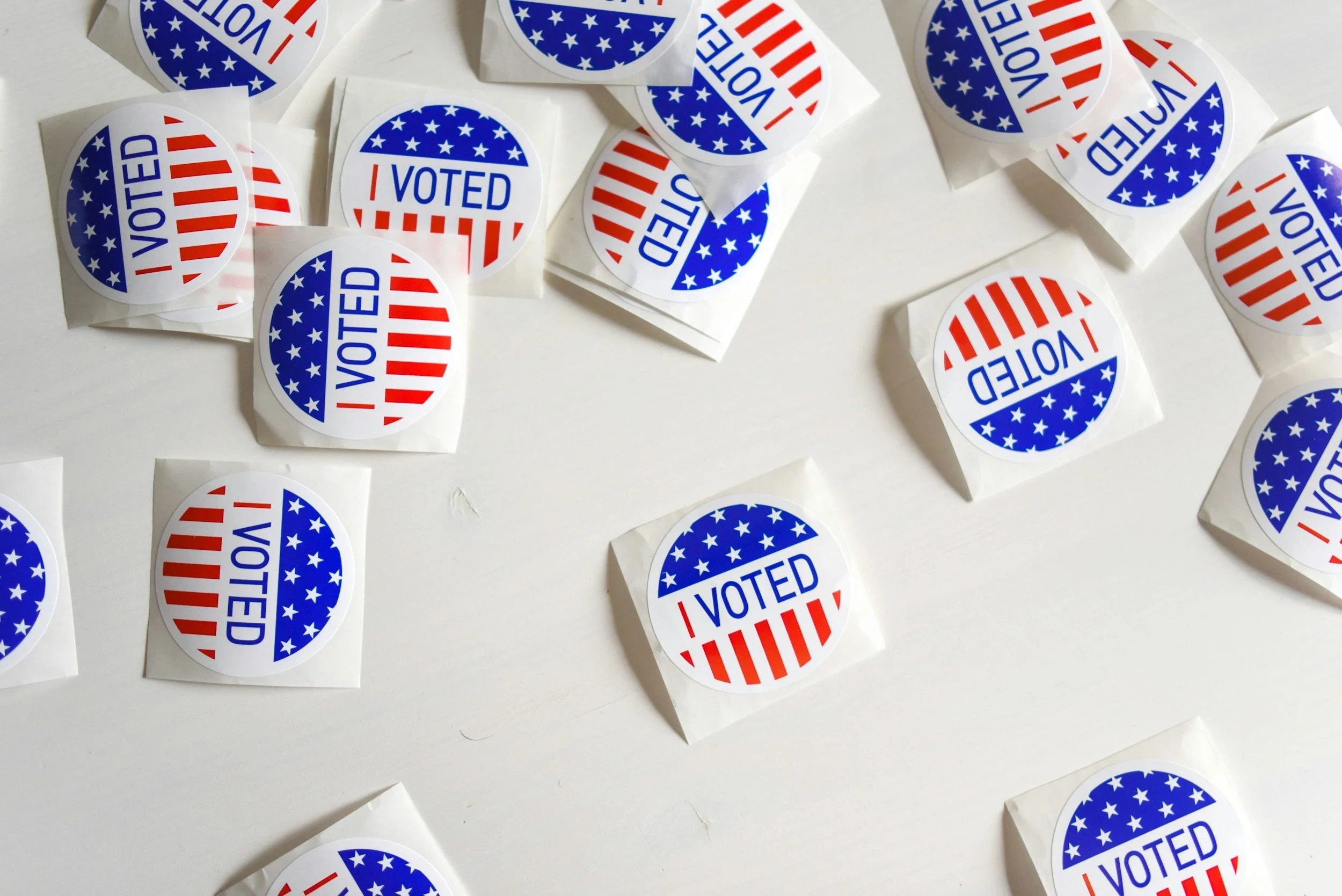
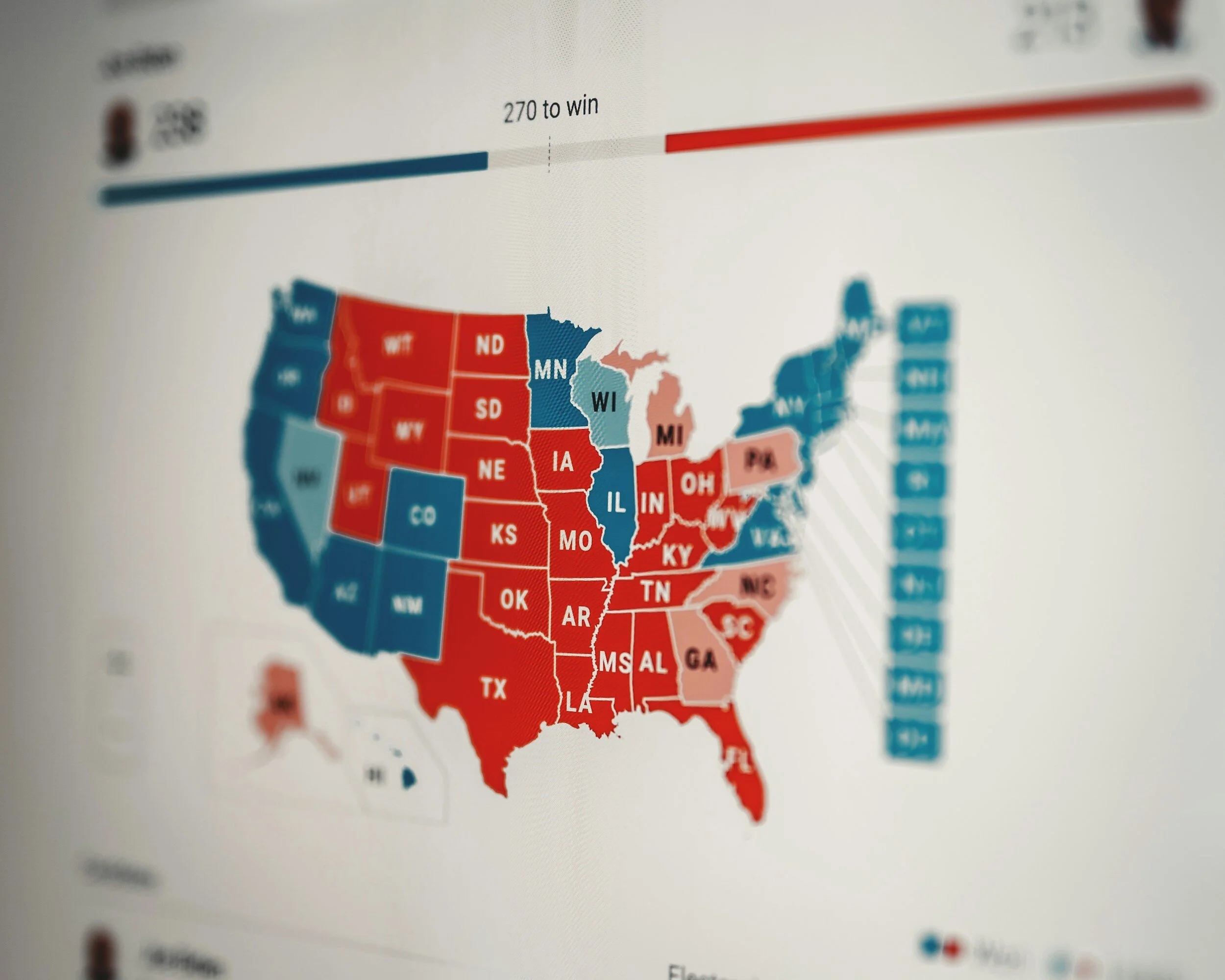
While the direct implications for India might be less than for others, the 2024 U.S. presidential election will undoubtedly have indirect effects on India.
By Sadiq Amini
Is Japan’s continued engagement with Afghanistan, especially with development projects, furthering the legitimacy of Taliban rule?
By Dhruva Jaishankar
Why should Indo-Pacific nations pay attention to the U.S. presidential election and what will a change in leadership mean for existing partnerships?
By Sadiq Amini
With the Taliban's return to power, Afghanistan is prone to rise of international terrorist groups just three years after the United States' withdrawal.
By Sadiq Amini
These days, Afghan democrats need a champion, and India, under Modi’s leadership, could be that champion – if New Delhi can correct course on its Afghanistan policy.
By Dhruva Jaishankar
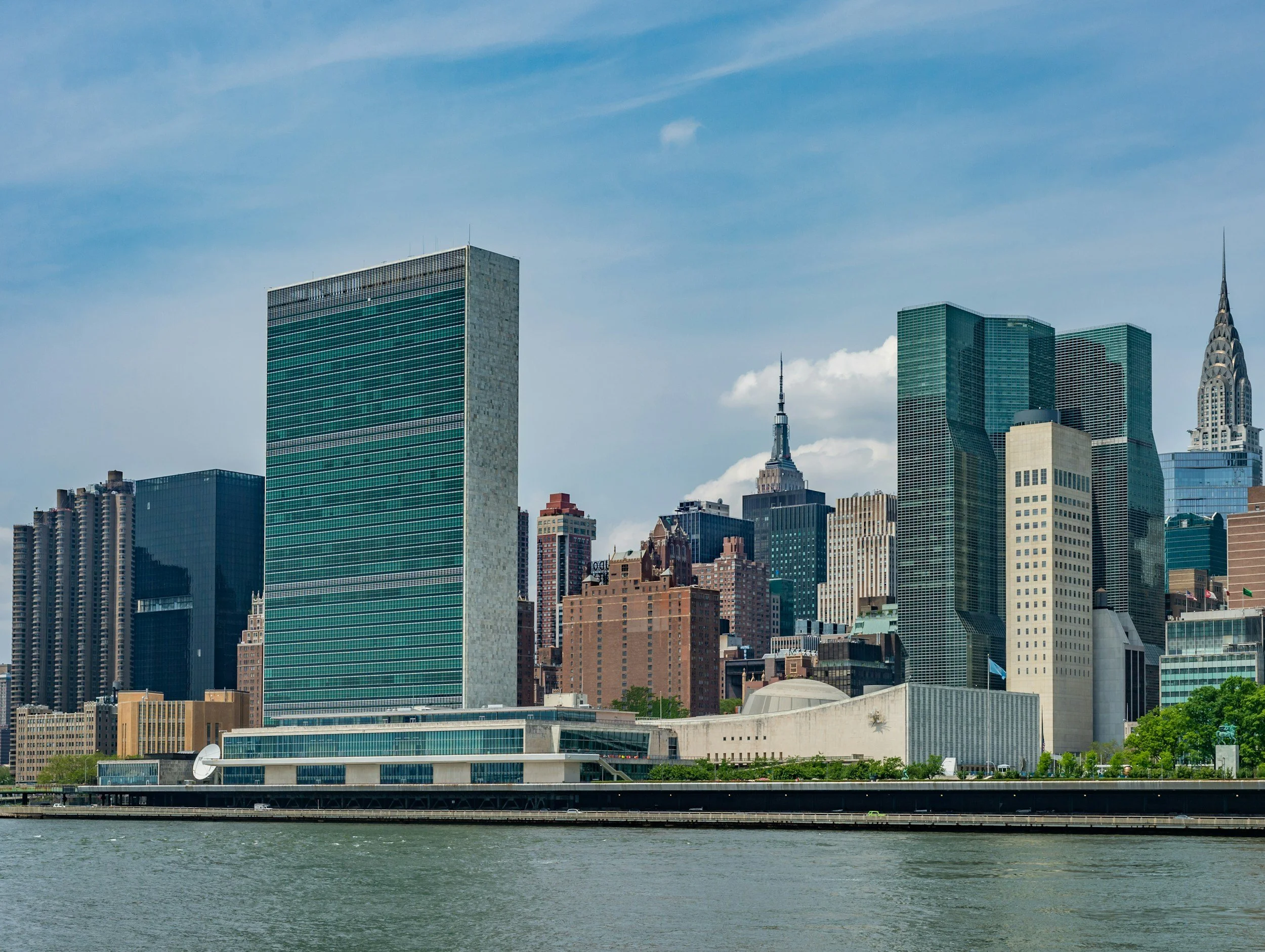
But the biggest obstacle remains China. China alone among the P-5 has not voiced support for the expansion of permanent UNSC seats but often hides behind others in negotiations.
By Dhruva Jaishankar
At a basic level, India’s large diaspora in the US and a shared sense of democracy continue to contribute to deepening India-US relations.
By Sadiq Amini
A choice hasn’t been made, but non-Taliban stakeholders are eager for a policy change.
By Dhruva Jaishankar
There are important differences between Biden and Trump on alliances, climate policy, immigration, tariffs, and democracy.
By Sadiq Amini
By spearheading the restoration of democracy in Afghanistan, Taiwan could eventually forge a strong alliance with a democratic Afghanistan.
Observer Research Foundation America, 1100 17th St. NW, Suite 501, Washington DC 20036 USA