


Background Paper No. 23
By Tisyaketu Sirkar & Dhruva Jaishankar

By Udaibir Das
Global financial institutions continue to frame the 2026 outlook for emerging markets through a familiar cyclical lens. The consensus assumes U.S. monetary easing, a softer dollar and a modest global slowdown will favor local-currency assets, credible disinflation paths and balance-sheet repair. This narrative is historically grounded and internally coherent. It is also increasingly insufficient.
By Medha Prasanna
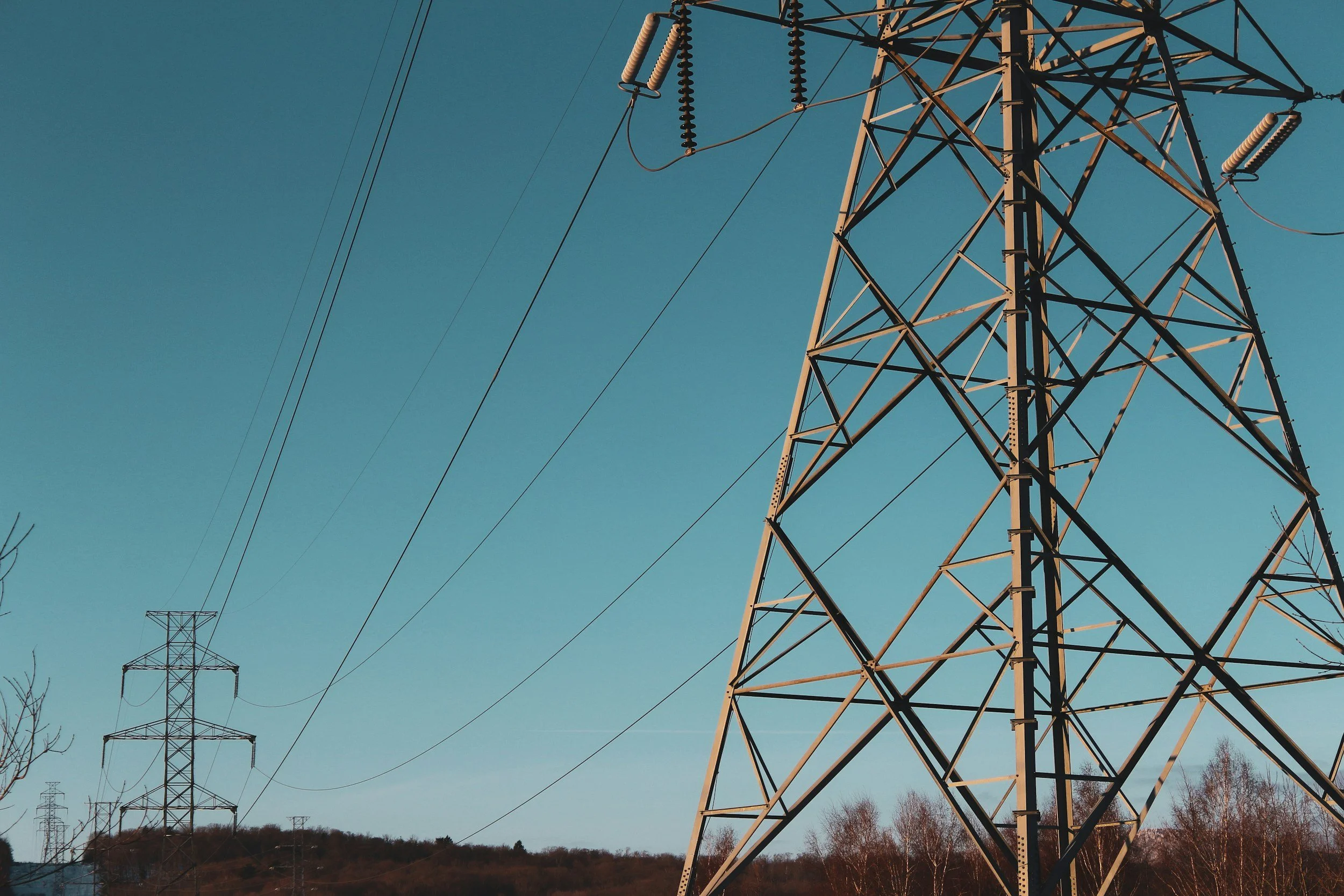
Without intentional strategies to strengthen energy infrastructure, the Global South will remain largely a consumer of AI technologies.
By Brian Webster, Alan Gelb, and Anit Mukherjee
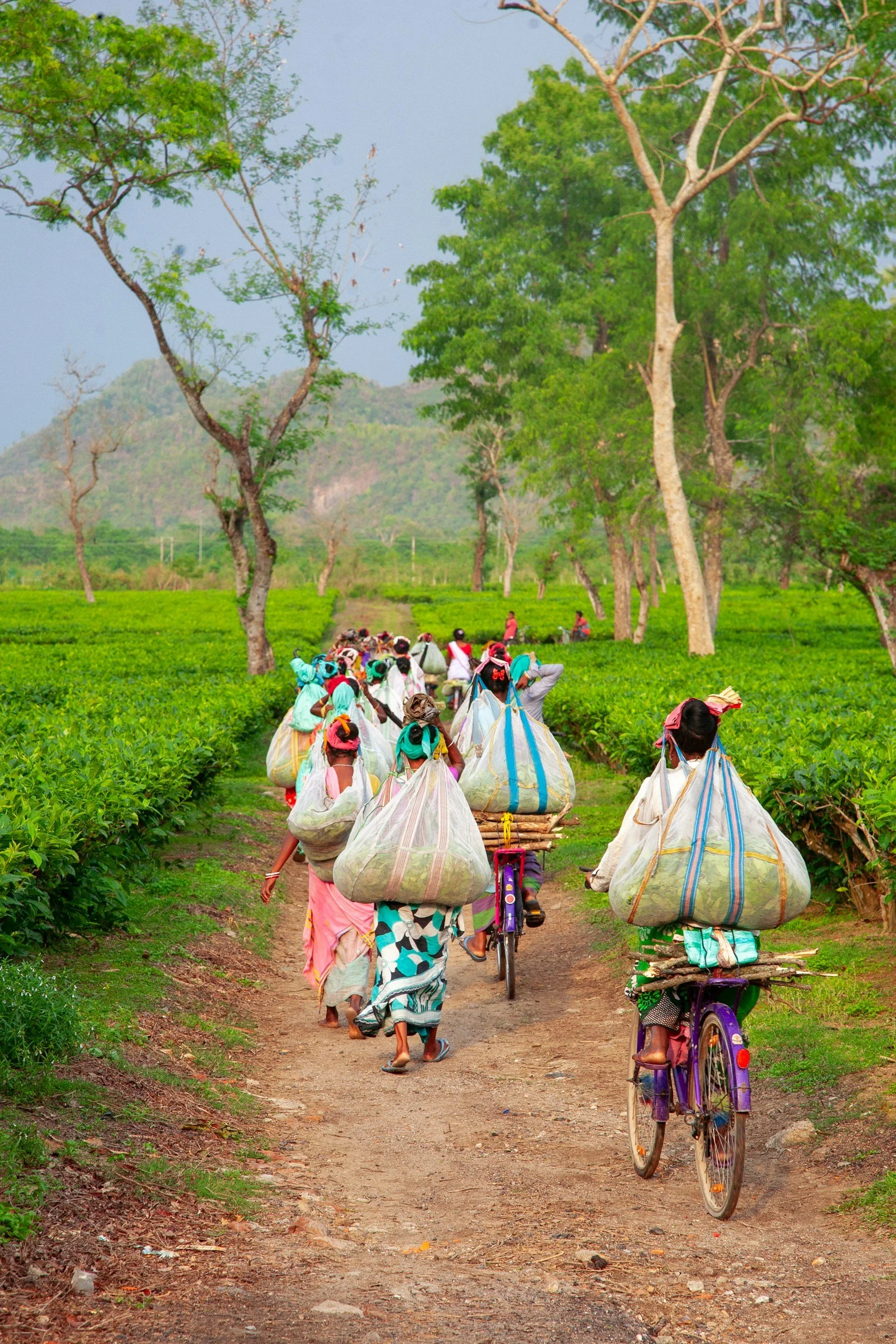
Shifting the payment of social transfers from cash to direct deposit via bank or mobile money accounts can directly improve efficiency for governments and convenience for beneficiaries. It may also produce positive spillovers such as boosting financial inclusion and empowering women. But do these spillovers materialize, and under what circumstances?
By Udaibir Das
The Trevor Manuel G20 Africa Expert Panel Report reframes Africa’s constraints as a single system of mispricing, debt compression and governance asymmetry. Its proposals for refinancing, collective bargaining and International Monetary Fund quota reform mark the first coordinated attempt to shift power within the international financial architecture.
By Udaibir Das and Wayne Byres
After 50 years, the Basel Committee’s standards are crucial for maintaining global financial stability.
By Udaibir Das
The current global economic and capital market conditions necessitate reassessing conventional portfolio construction and risk management practices.
By Udaibir Das
Multilateral reform remains complex and demands patience to ensure that the process is transparent and inclusive.
By Dhruva Jaishankar
At a basic level, India’s large diaspora in the US and a shared sense of democracy continue to contribute to deepening India-US relations.
By Jeffrey D. Bean and Stephen Ezell
The United States has taken several key steps that we advocated. Foremost was passing the CHIPS and Science Act with bipartisan Congressional support in August 2022, which included appropriations of $52.7 billion for the CHIPS Act.
By Udaibir Das
Africa stands on the precipice of a financial renaissance, poised to redefine its influence in the global investment sphere.
By Sadiq Amini
A choice hasn’t been made, but non-Taliban stakeholders are eager for a policy change.
By Udaibir Das
As a unified bloc, Africa can negotiate better terms in international trade agreements, investment deals and financial arrangements.
By Dhruva Jaishankar
There are important differences between Biden and Trump on alliances, climate policy, immigration, tariffs, and democracy.
By Sadiq Amini
By spearheading the restoration of democracy in Afghanistan, Taiwan could eventually forge a strong alliance with a democratic Afghanistan.
By Dhruva Jaishankar
ORF America Executive Director Dhruva Jaishankar was interviewed by Adrija Chatterjee of Moneycontrol on the sidelines of the Raisina Dialogue in New Delhi.
By Dhruva Jaishankar
Taiwan’s political status will inevitably be a zero-sum matter in the intensifying global competition between China and the US.
By Udaibir Das
Today’s financial sector is complex and plagued by structural flaws and unfinished reforms.
Observer Research Foundation America, 1100 17th St. NW, Suite 501, Washington DC 20036 USA