

By Dhruva Jaishankar and Medha Prasanna
The United Nations Security Council (UNSC) — at the center of the United Nations system — faces twin crises. One is a crisis of legitimacy. The second is a crisis of effectiveness and relevance.

By Medha Prasanna
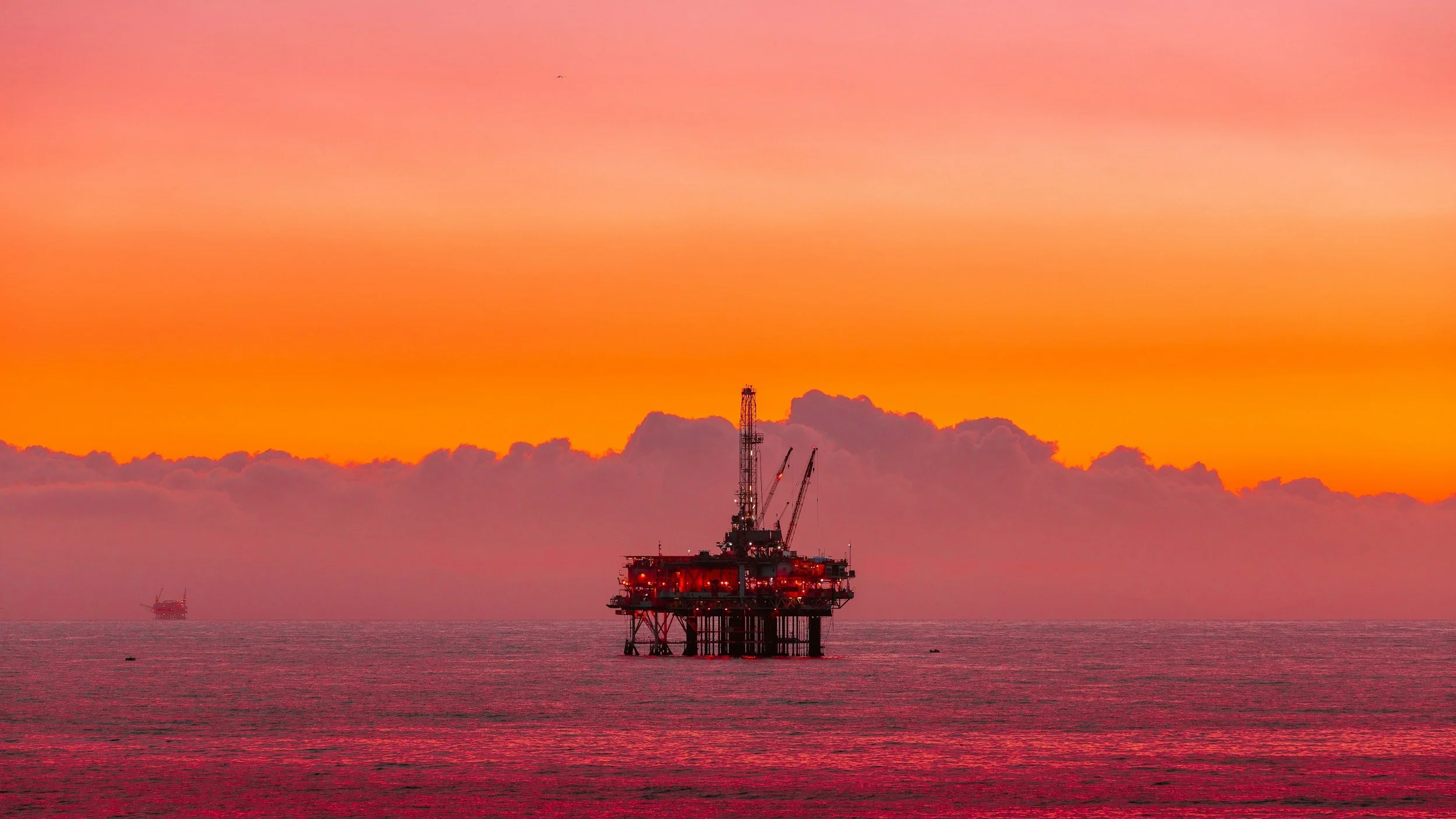
The oil age will not end because the world runs out of oil, but because oil reserves stop being worth pumping. The UAE has moved fast, not as just a knee-jerk reaction to the conflict in the region, but as a strategic divergence.
By Andre Nicola
Across South America, governments are increasingly framing environmental regulation as a constraint on growth, investment, and national competitiveness. South America's political direction over the next several years will be an early test of whether economic development can be reconciled with environmental stewardship throughout the region.
By Pietro Zecca
Pursued only through scattered pilot projects, industrial decarbonization stays fragmented and slow. Organized as clusters, it becomes more practical and politically durable, connecting climate finance to visible assets and bridging decarbonization with development.
By Uma Vatsa and Shailesh Mishra
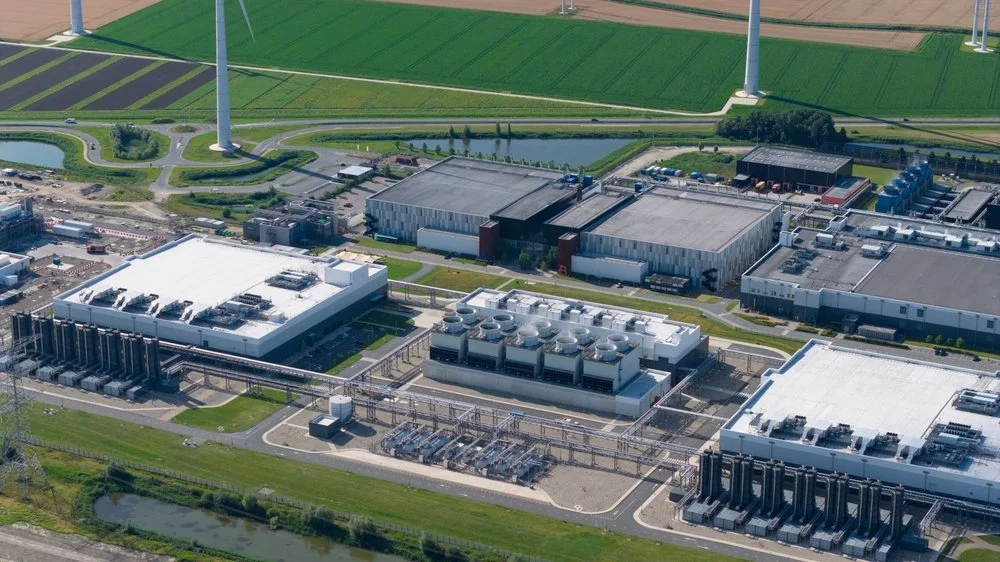
The AI industry is making large, long-lived bets on future demand, even as the technology itself is becoming more efficient. If AI systems become cheaper to run, more efficient to train, or less dependent on massively centralized compute, some of today’s infrastructure may prove oversized, poorly located, or economically fragile.
By Dhruva Jaishankar
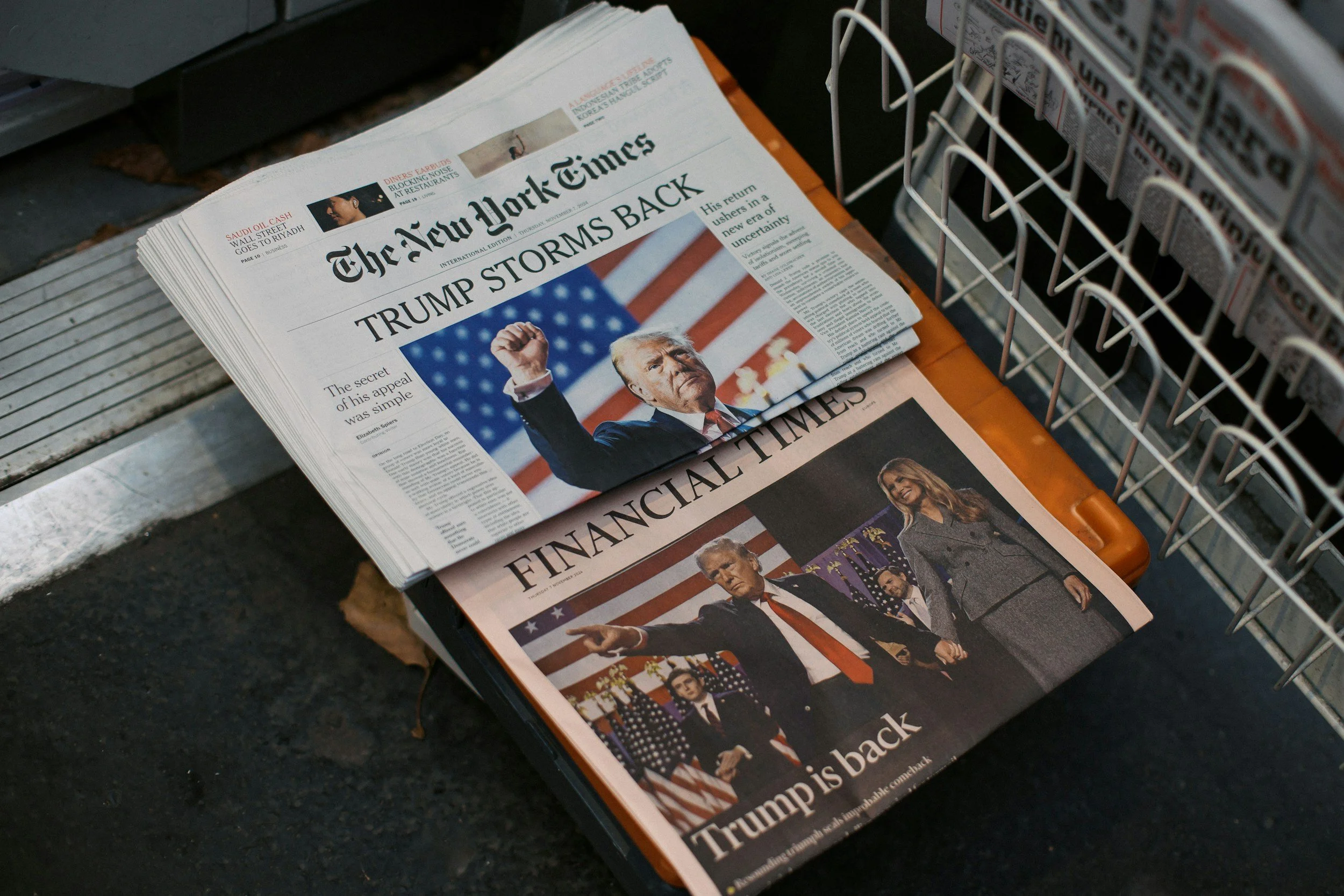
Trump’s April 2 announcement has already roiled financial markets, and the global economy will continue to be adversely affected both by the implementation of tariffs and by uncertainty as negotiations proceed. But while there will be no immediate winners, some parties appear relatively better off.
By Ammar Nainar
In a signal of the United States’ burden-sharing efforts, the Indian Ocean region was featured eight times in the latest U.S.-India joint statement between Indian prime minister Narendra Modi and U.S. president Donald Trump. To India and the United States, the Indian Ocean remains vital for trade and energy flows, for security competition given China’s growing naval activity, and for connectivity between Asia, Africa, and Europe.
Observer Research Foundation America, 1100 17th St. NW, Suite 501, Washington DC 20036 USA