



By Divyansh Kaushik
A secure AI initiative within IMEC could counter digital dependency, strengthen strategic ties, and safeguard national security in an ever-evolving contemporary tech world.

By Pradeep Nair
While the Indian state is now deliberately making room for private firms, the boom in India’s space sector also shows how closely the state and private sector are tied together. The Indian government is at the same time a regulator, source of technology, customer, and investor.
By Kabir Taneja and Siddharth Yadav
Relying on AI models to identify and refuse to act on dangerous prompts — a measure that largely worked in the Houthis’ case — is not sufficient protection. AI labs now have to work against elaborate campaigns by resourceful and persistent groups that are actively bypassing safeguards.
By Dhruva Jaishankar and Ammar Nainar
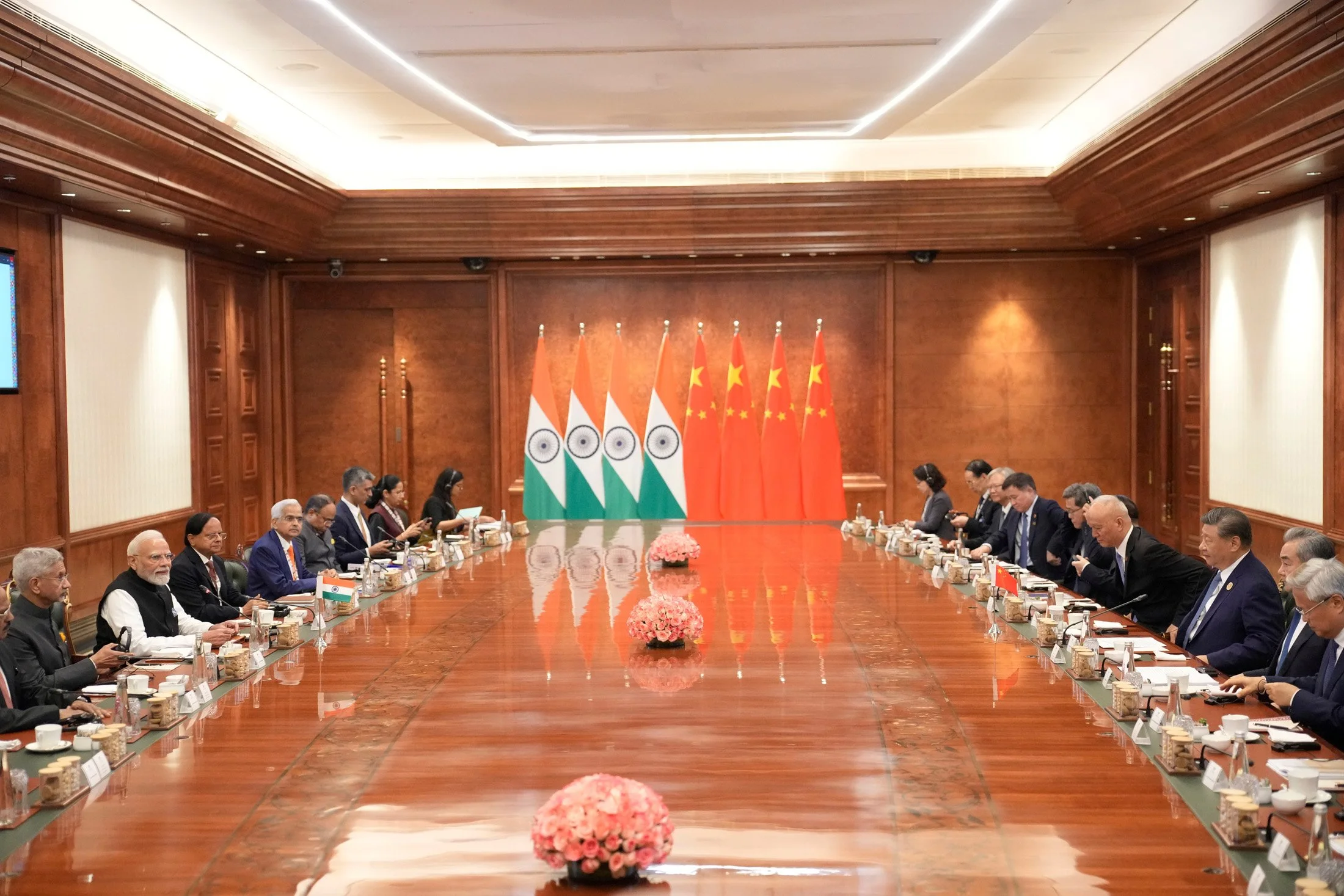
Despite a political thaw with China, India will double-down on efforts to indigenize its own industrial capabilities in certain sectors, while seeking new markets for exports, new defense and technology partners, and new and diverse sources for raw materials, investment, and intermediary goods.
By Andre Nicola
The outcome of Brazil’s 2026 presidential election will have massive implications for its domestic policies and will also shape how Brazil engages with partners in Washington, Beijing, and the rest of the world.
By Anneleen Roggeman
Earlier this month, member states of the UN Ad Hoc Committee on Cybercrime agreed to adopt the first global convention against cybercrime after three years of negotiations. The convention will be presented to the UN General Assembly in September, ratifying its legitimacy in 40 countries.
Observer Research Foundation America, 1100 17th St. NW, Suite 501, Washington DC 20036 USA