

By Udaibir Das
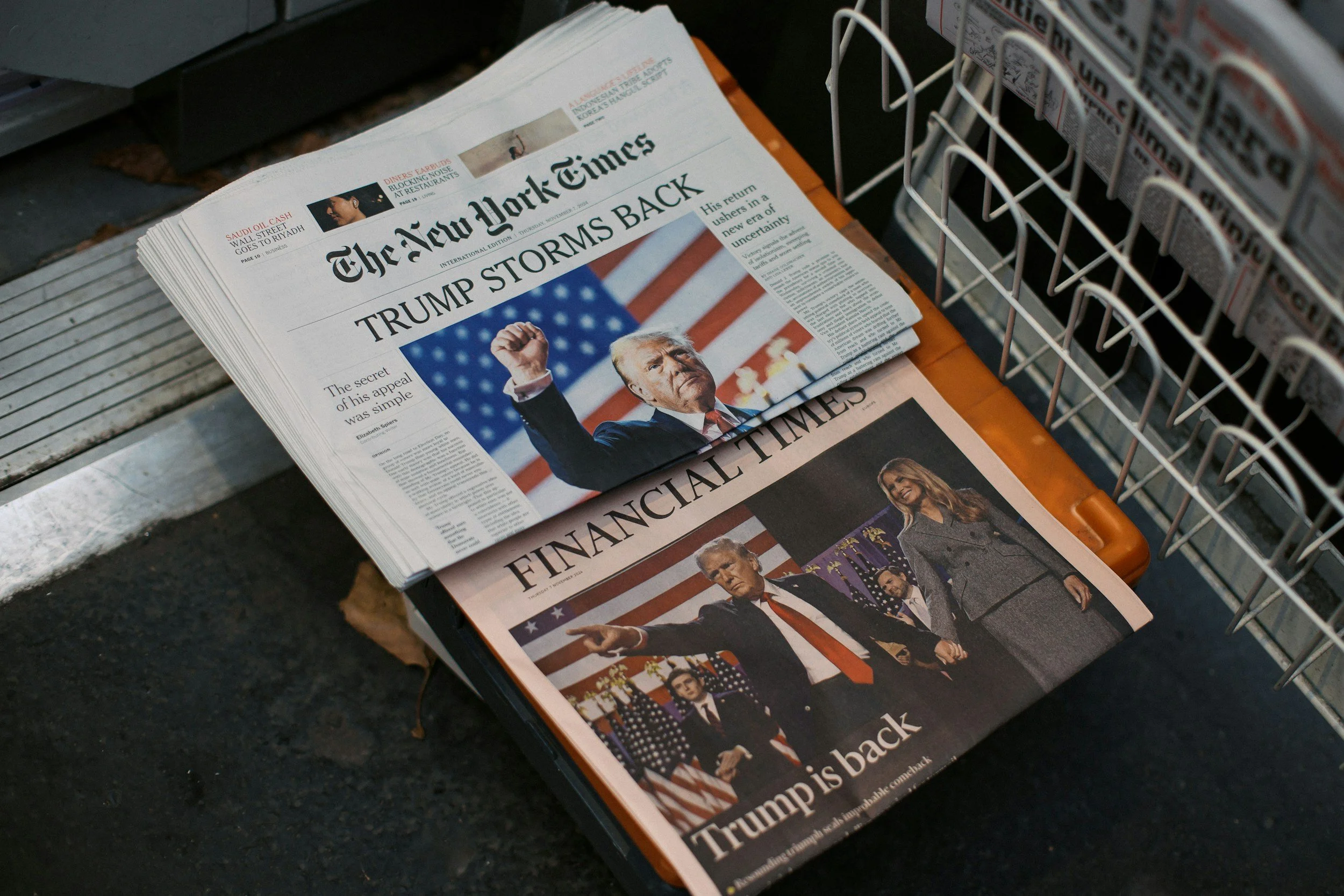
While framed to correct trade imbalances and protect domestic industries, reciprocal tariffs’ effects extend far beyond manufacturers, exporters, and importers.

By Pietro Zecca
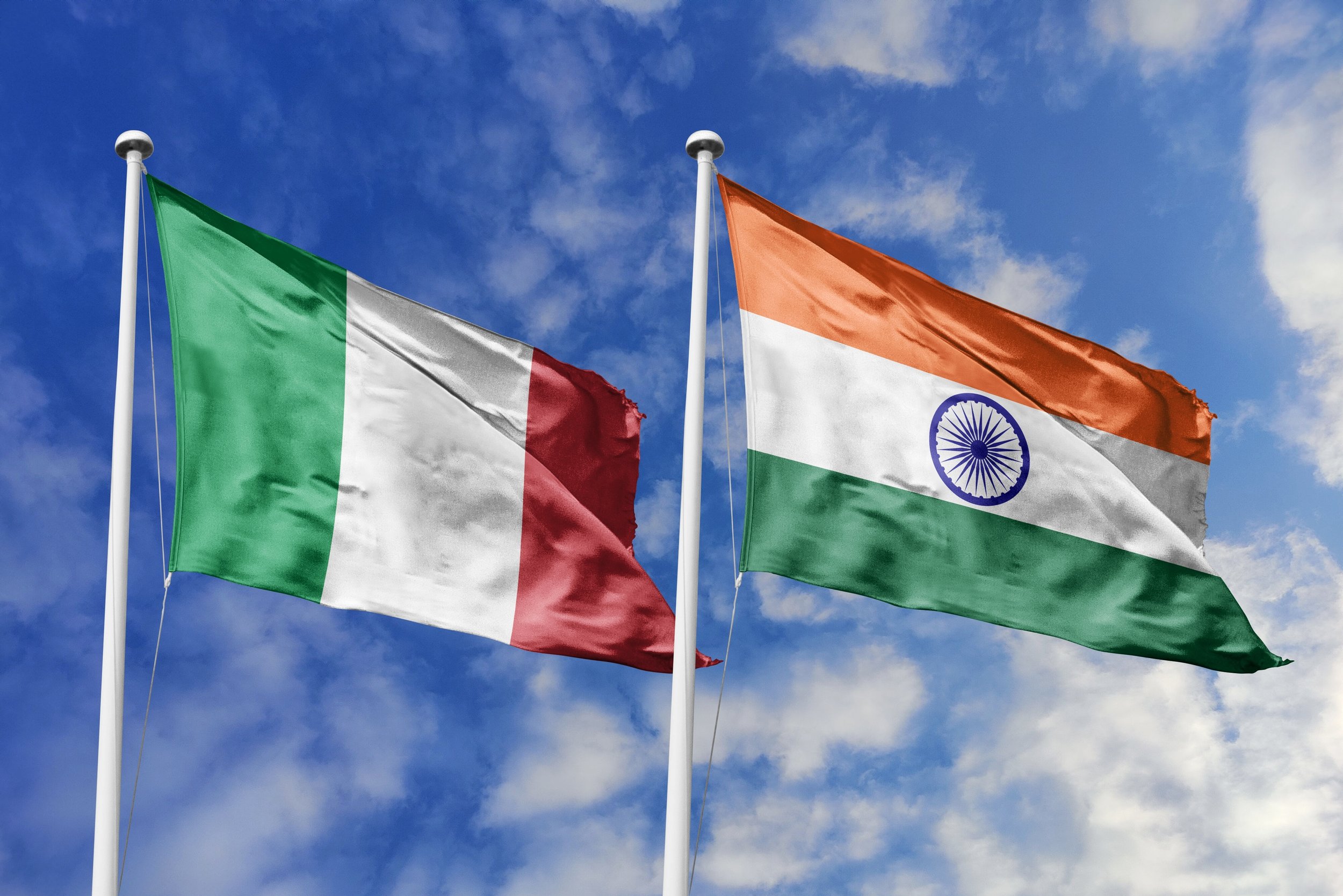
As countries work to reduce their exposure to China-centered supply chains, India is building strategically motivated partnerships across Europe, notably with Italy. It may arguably become India's most interesting clean energy partner in the region.
By Marta Bengoa
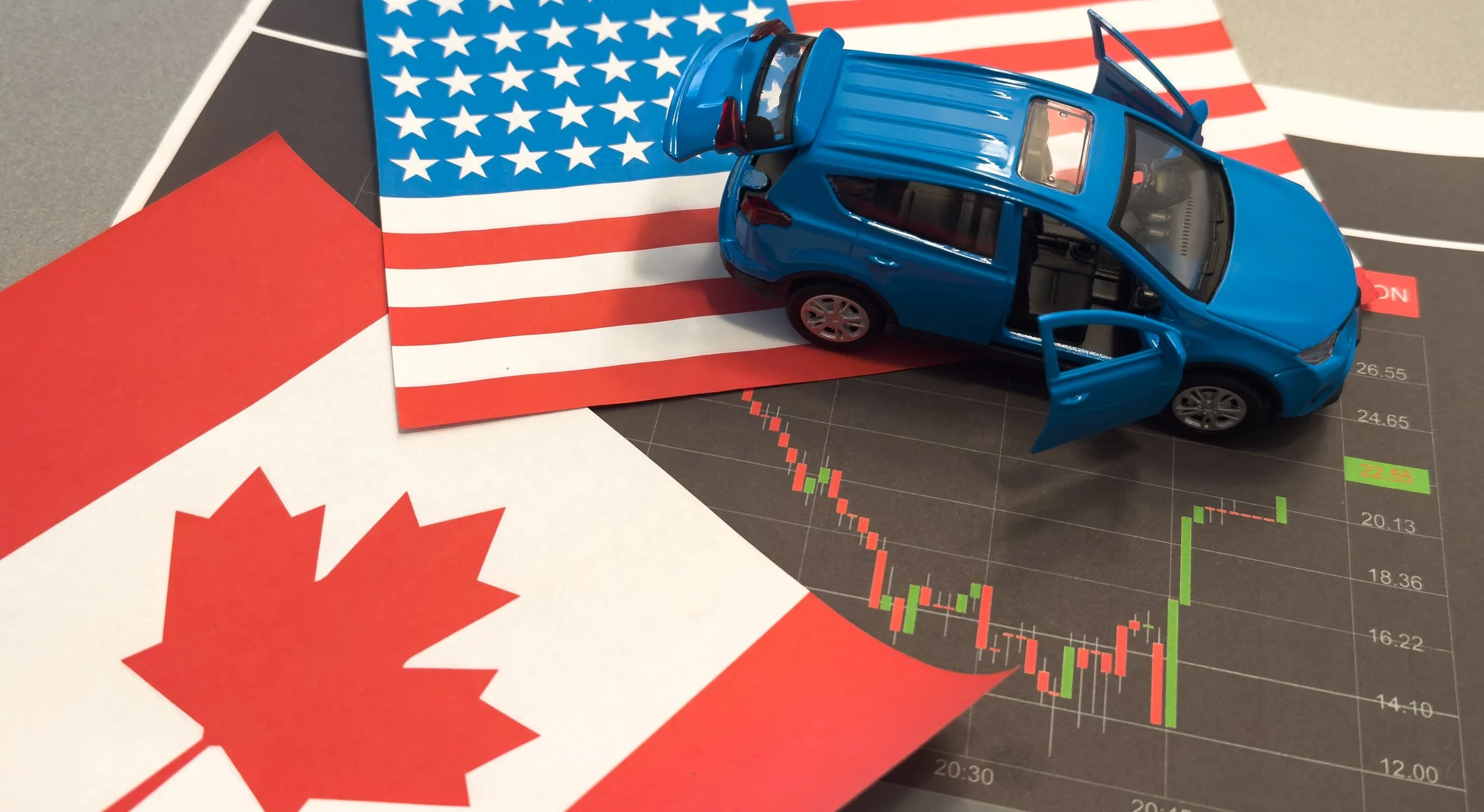
Tariffs can be withdrawn by proclamation as quickly as they were imposed, and the September 8 measures may well be traded away in the review that begins next summer. The conclusion Canada has reached about the reliability of its largest customer will take considerably longer to reverse.
By Shailesh Mishra and Uma Vatsa
What quantum computing could change, if it works, is the ceiling on what the decades after that can build, because the limits on ammonia, energy storage, and electricity transmission are set by chemistry we cannot currently calculate. Those limits are already known. Describing them precisely enough to hand to a machine is work that can start now.
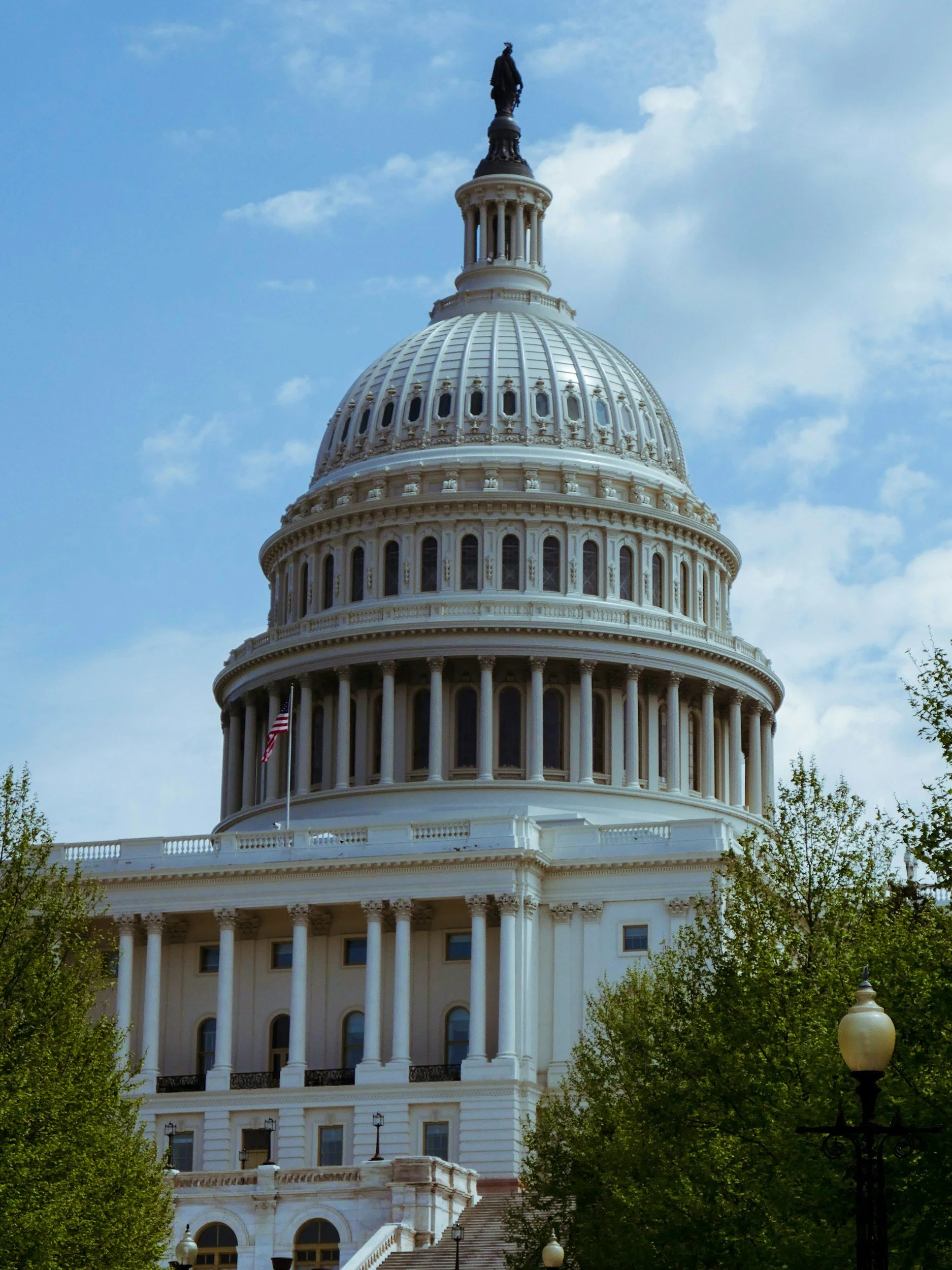
By Jeffrey D. Bean
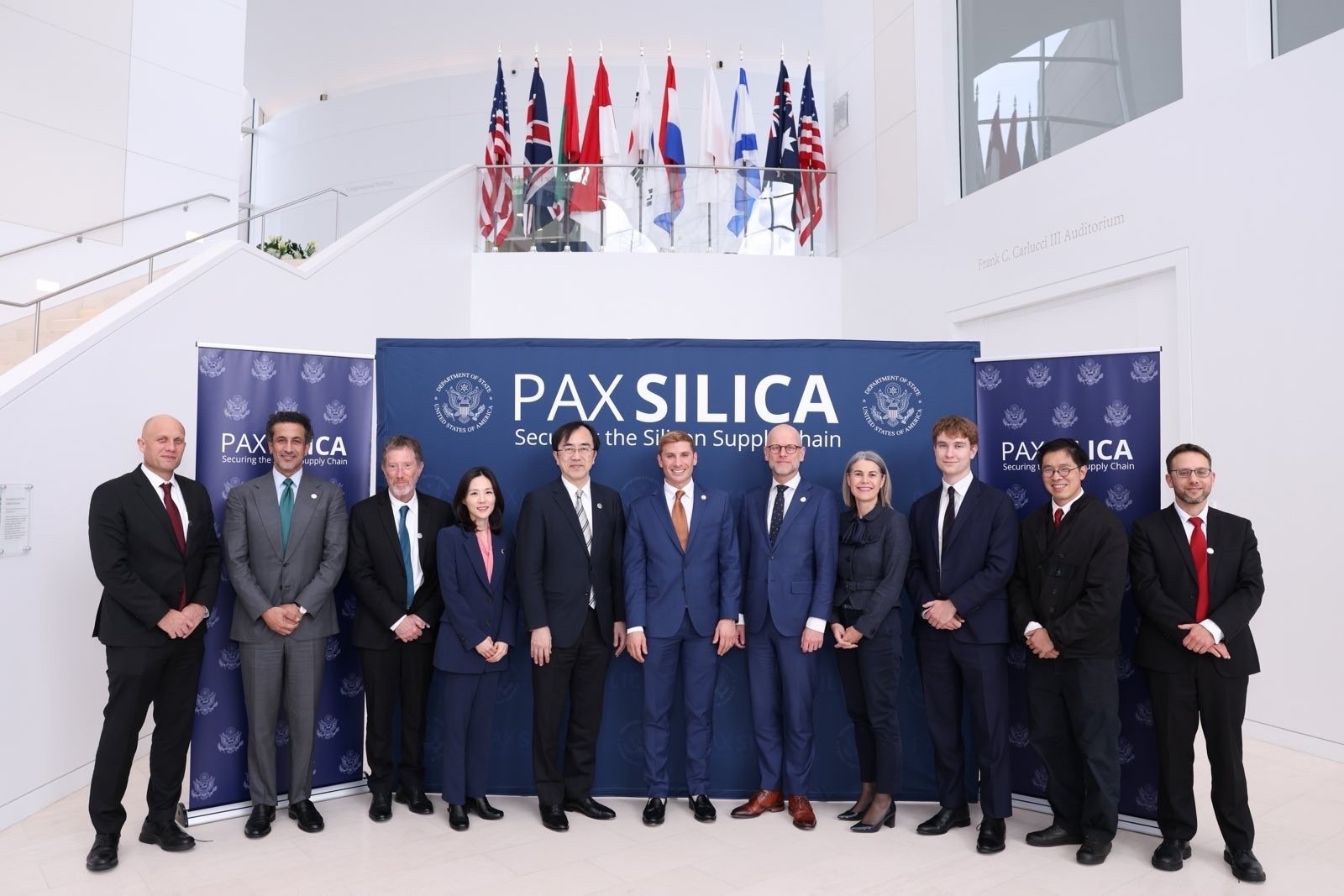
While the Pax Silica initiative has been criticized for being non-binding, unfocused, U.S.-centric, and inconsistent in its membership, it is nonetheless the best-placed plurilateral initiative to advance what has been a bipartisan consensus in the United States on U.S. technological leadership.
Observer Research Foundation America, 1100 17th St. NW, Suite 501, Washington DC 20036 USA