
By Vivek Mishra
While the Indo-Pacific will continue to receive attention in U.S. policy circles, the approach under Trump may be two-pronged.

By Brian Webster, Alan Gelb, and Anit Mukherjee
Shifting the payment of social transfers from cash to direct deposit via bank or mobile money accounts can directly improve efficiency for governments and convenience for beneficiaries. It may also produce positive spillovers such as boosting financial inclusion and empowering women. But do these spillovers materialize, and under what circumstances?
By Udaibir Das
The Trevor Manuel G20 Africa Expert Panel Report reframes Africa’s constraints as a single system of mispricing, debt compression and governance asymmetry. Its proposals for refinancing, collective bargaining and International Monetary Fund quota reform mark the first coordinated attempt to shift power within the international financial architecture.
By Udaibir Das
Ubuntu economics does not invoke moral claims. It advances a structural argument: Africa’s demographic momentum, mineral endowments and ecological assets are central to global prosperity, and instability in the region imposes system-wide costs. The reform frameworks are now primarily in place. The question is whether the political and institutional conditions of 2026 permit their implementation.
By Piyush Verma and Telmen Altanshagai
Mongolia is not just a customer or supplier—but a co-partner in building new regional supply-chains, new corridors and new resource-alliances. It speaks to a future where India is not simply plugged into global energy markets, but co-creating them.
By Udaibir Das
While stability prevails in institutional titles, resilience prevails in policy content. This shift influences the oversight and allocation of approximately $470tn in global financial assets. This has structural implications and affects public accountability.
By Vivek Mishra
While the Indo-Pacific will continue to receive attention in U.S. policy circles, the approach under Trump may be two-pronged.
By Vivek Mishra
Trump’s recent reelection signals a possible shift in global stability, with a hardline stance on China and strategic alliances in the Indo-Pacific.
By Vivek Mishra
How might Trump’s second administration stay similar to and differ from his first term?
By Vivek Mishra
How have the Trump and Harris campaigns done so far in the views of the American public as Election Day nears?
By Vivek Mishra
What might America’s foreign policy with India look like if led by a Trump administration or a Harris administration?
By Vivek Mishra
How does India’s shift towards individualism impact its relationship with Washington as tensions with China grows?
By Vivek Mishra
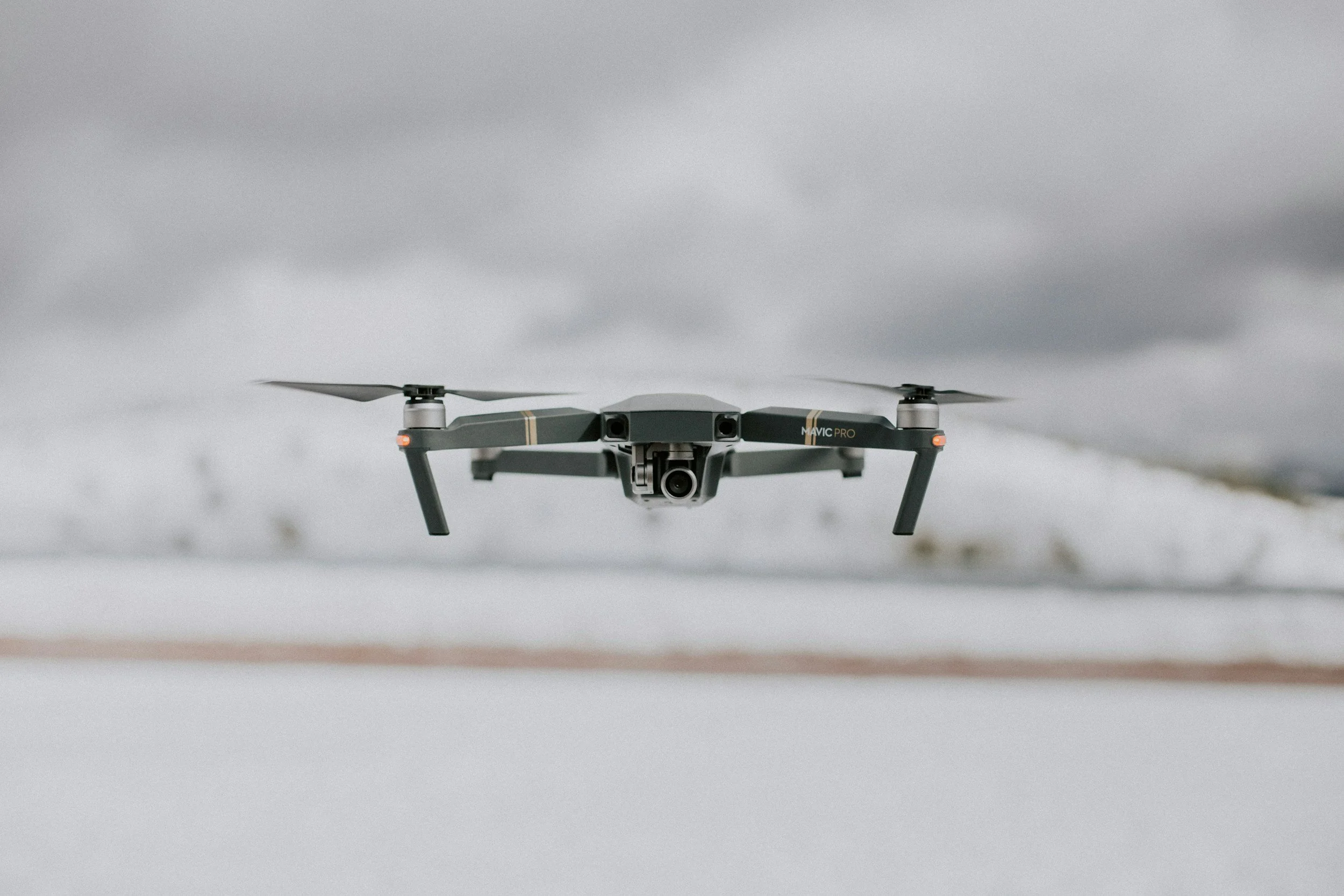
How does the recent MQ-9B drone deal between India and the United States foster deeper defense and technology cooperation between the two countries?
By Vivek Mishra
As Washington navigates pressures in Latin America, it remains to be seen how the next U.S. administration will deal with Russia and China in America’s backyard.
By Vivek Mishra
External factors are likely to weigh heavily on US commitments in the Indo-Pacific under the next administration, which will in turn influence the evolution of the India-US security partnership.
By Vivek Mishra
Faced with low approval ratings, Justin Trudeau seems to be using foreign policy as a tool to distract from his domestic failures. Not just India, but another unresolved issue of Trudeau's tenure has been his handling of Chinese interference in Canadian elections.
By Vivek Mishra
As Arab-Americans hope for Harris’ distance from Netanyahu, currently, there isn’t much difference between Biden’s and Harris’ Middle-East approach, as she could inherit an increasingly volatile Gulf
By Dhruva Jaishankar
While the direct implications for India might be less than for others, the 2024 U.S. presidential election will undoubtedly have indirect effects on India.
By Sadiq Amini
Is Japan’s continued engagement with Afghanistan, especially with development projects, furthering the legitimacy of Taliban rule?
By Dhruva Jaishankar
Why should Indo-Pacific nations pay attention to the U.S. presidential election and what will a change in leadership mean for existing partnerships?
By Sadiq Amini
With the Taliban's return to power, Afghanistan is prone to rise of international terrorist groups just three years after the United States' withdrawal.
By Sadiq Amini
These days, Afghan democrats need a champion, and India, under Modi’s leadership, could be that champion – if New Delhi can correct course on its Afghanistan policy.
By Dhruva Jaishankar
But the biggest obstacle remains China. China alone among the P-5 has not voiced support for the expansion of permanent UNSC seats but often hides behind others in negotiations.
Observer Research Foundation America, 1100 17th St. NW, Suite 501, Washington DC 20036 USA