

Background Paper No. 21
By Gregory Wischer

By Udaibir Das
Fiscal space, financial space and institutional credibility are no longer separable policy domains. They are jointly binding constraints. The IMF flagships document their components but not the mechanism.
By Sujai Shivakumar, Hideki Tomoshige, and Jeffrey D. Bean
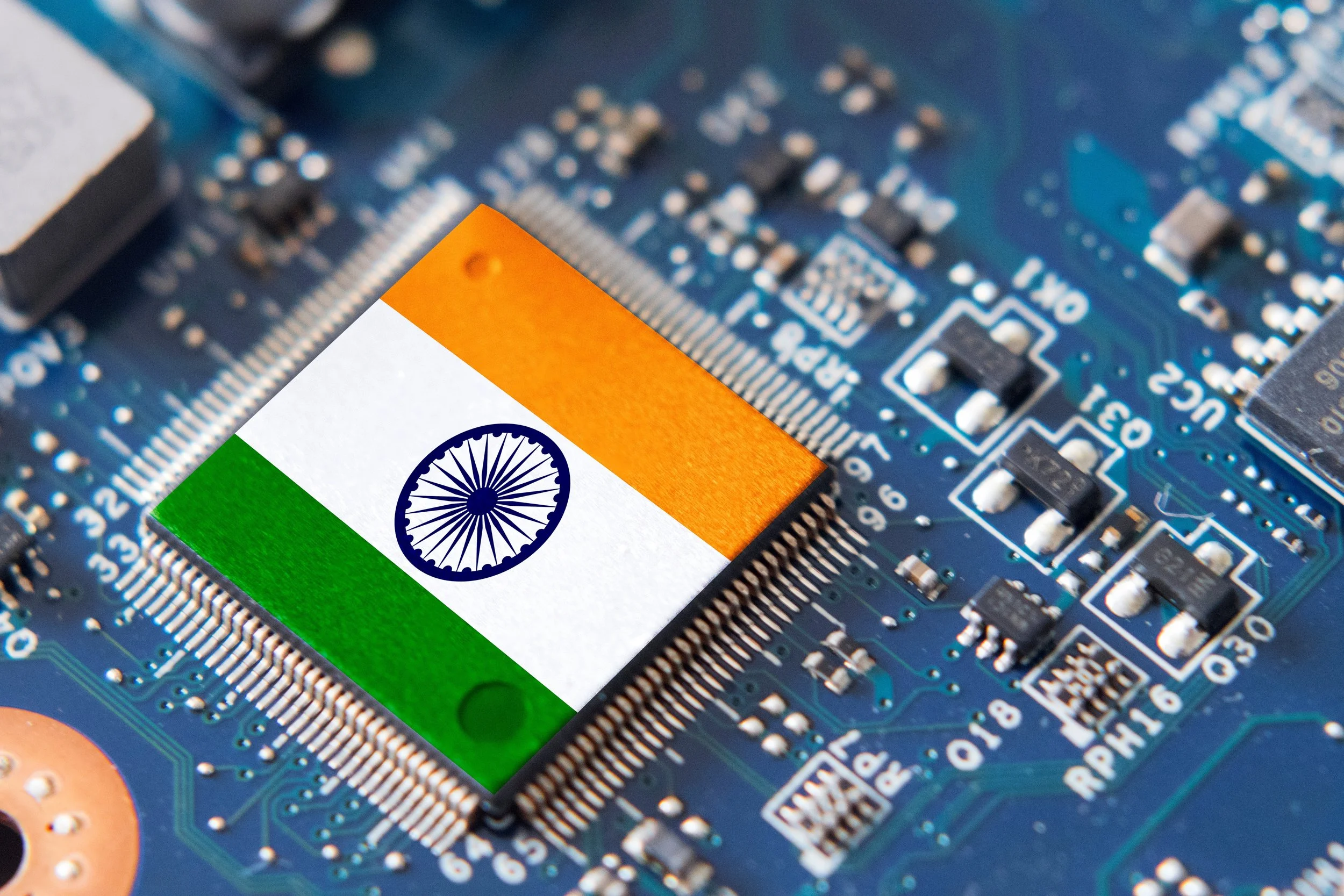
India is positioning itself as an increasingly important node in the global semiconductor ecosystem, building on its established strengths in chip design and deep pool of STEM talent. These efforts come at a time when global semiconductor supply chains remain highly concentrated, creating opportunities for India to contribute to diversification and resilience.
By Udaibir Das
Under conditions of armed conflict and state rupture, banking shifts away from decentralized intermediation towards directed, survival-orientated finance. Yet the policy conversation has concentrated on sanctions, commodities and trade — the institutional reorganization of banking under conflict remains less well examined.
By Udaibir Das
Adopted by the National People’s Congress in March 2026, China’s 15th Five-Year Plan does not treat finance as a supporting function for economic growth. It treats finance as a strategic instrument of technological capability.
By Dhruva Jaishankar
For countries around the world — whether allies, partners, or competitors of the United States — there are important and immediate questions of how much and to what degree they will accommodate, or hedge against, the United States’ new approach to the world.
By Udaibir Das and Wayne Byres
After 50 years, the Basel Committee’s standards are crucial for maintaining global financial stability.
By Udaibir Das
The current global economic and capital market conditions necessitate reassessing conventional portfolio construction and risk management practices.
By Udaibir Das
Multilateral reform remains complex and demands patience to ensure that the process is transparent and inclusive.
By Dhruva Jaishankar
At a basic level, India’s large diaspora in the US and a shared sense of democracy continue to contribute to deepening India-US relations.
By Jeffrey D. Bean and Stephen Ezell
The United States has taken several key steps that we advocated. Foremost was passing the CHIPS and Science Act with bipartisan Congressional support in August 2022, which included appropriations of $52.7 billion for the CHIPS Act.
By Udaibir Das
Africa stands on the precipice of a financial renaissance, poised to redefine its influence in the global investment sphere.
By Sadiq Amini
A choice hasn’t been made, but non-Taliban stakeholders are eager for a policy change.
By Udaibir Das
As a unified bloc, Africa can negotiate better terms in international trade agreements, investment deals and financial arrangements.
By Dhruva Jaishankar
There are important differences between Biden and Trump on alliances, climate policy, immigration, tariffs, and democracy.
By Sadiq Amini
By spearheading the restoration of democracy in Afghanistan, Taiwan could eventually forge a strong alliance with a democratic Afghanistan.
By Dhruva Jaishankar
ORF America Executive Director Dhruva Jaishankar was interviewed by Adrija Chatterjee of Moneycontrol on the sidelines of the Raisina Dialogue in New Delhi.
By Dhruva Jaishankar
Taiwan’s political status will inevitably be a zero-sum matter in the intensifying global competition between China and the US.
By Udaibir Das
Today’s financial sector is complex and plagued by structural flaws and unfinished reforms.
By Udaibir Das
Balance sheet risks have become more challenging and critical for resource-rich, low-income countries, especially in Africa.
By Sadiq Amini
In a way, the situation in Afghanistan serves as a microcosm of the status of the wider world.
Observer Research Foundation America, 1100 17th St. NW, Suite 501, Washington DC 20036 USA