


By Udaibir Das
How do sovereign wealth funds navigate current times while building portfolio resilience?

Background Paper No. 39
By Anit Mukherjee and Caroline Arkalji
By Andreas Kuehn
The contest for AI supremacy is no longer about who has the best models, but about who can fund, power, and scale the infrastructure behind them.
By Udaibir Das
Can capital take on purpose without money losing the fungibility on which markets depend? The question must be asked while the machinery is still being chosen.
By Dhruva Jaishankar
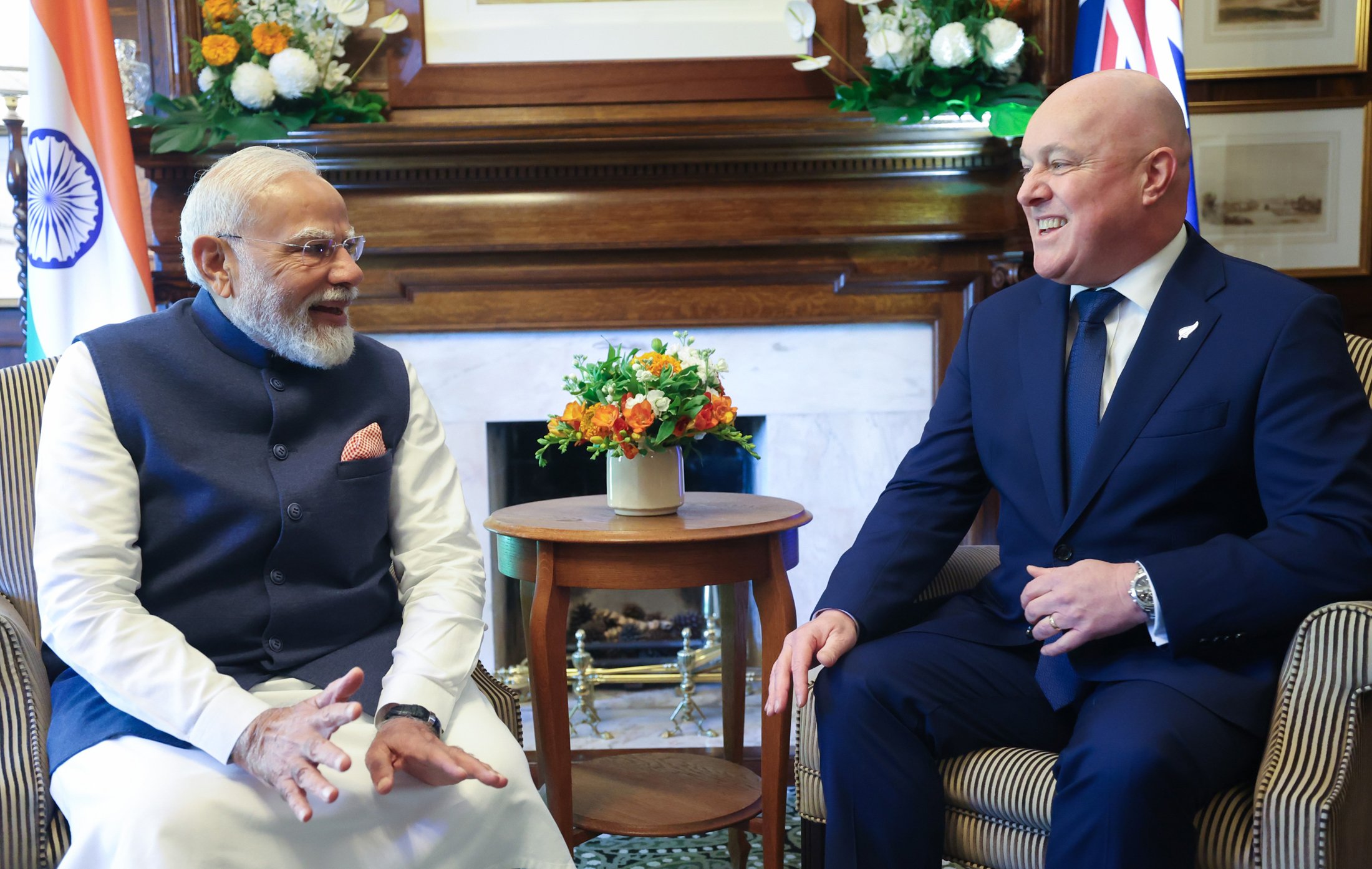
The India-New Zealand partnership has benefited in recent years from top-down political attention, a strong people-to-people foundation, and external impulses compelling both New Delhi and Wellington to diversify their partnerships. The next few years represent an opportunity to build upon the foundations of an FTA and Strategic Partnership and construct a relationship that is more than two-dimensional.
By Udaibir Das
How do sovereign wealth funds navigate current times while building portfolio resilience?
By Vivek Mishra
External factors are likely to weigh heavily on US commitments in the Indo-Pacific under the next administration, which will in turn influence the evolution of the India-US security partnership.
By Vivek Mishra
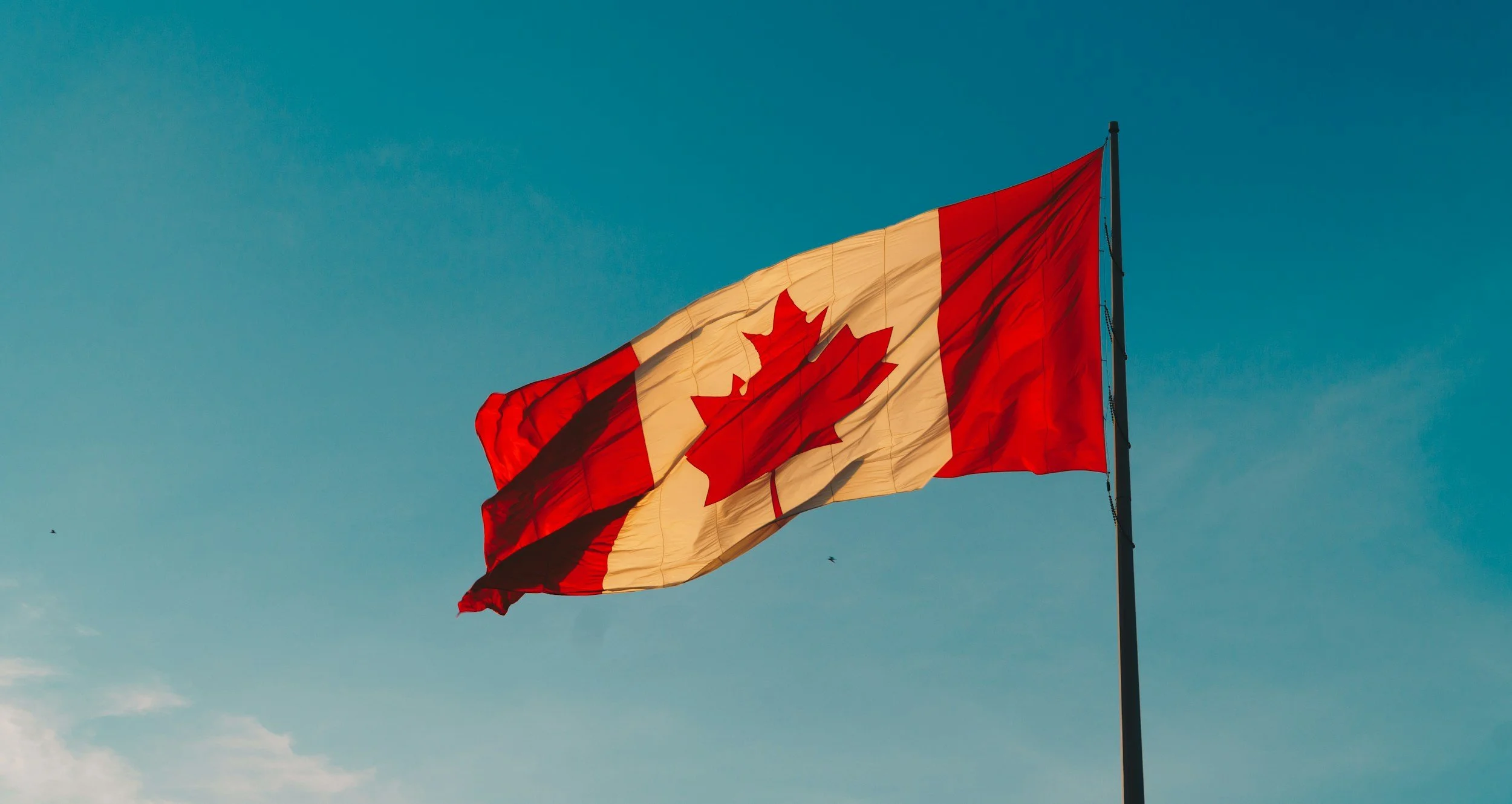
Faced with low approval ratings, Justin Trudeau seems to be using foreign policy as a tool to distract from his domestic failures. Not just India, but another unresolved issue of Trudeau's tenure has been his handling of Chinese interference in Canadian elections.
By Vivek Mishra
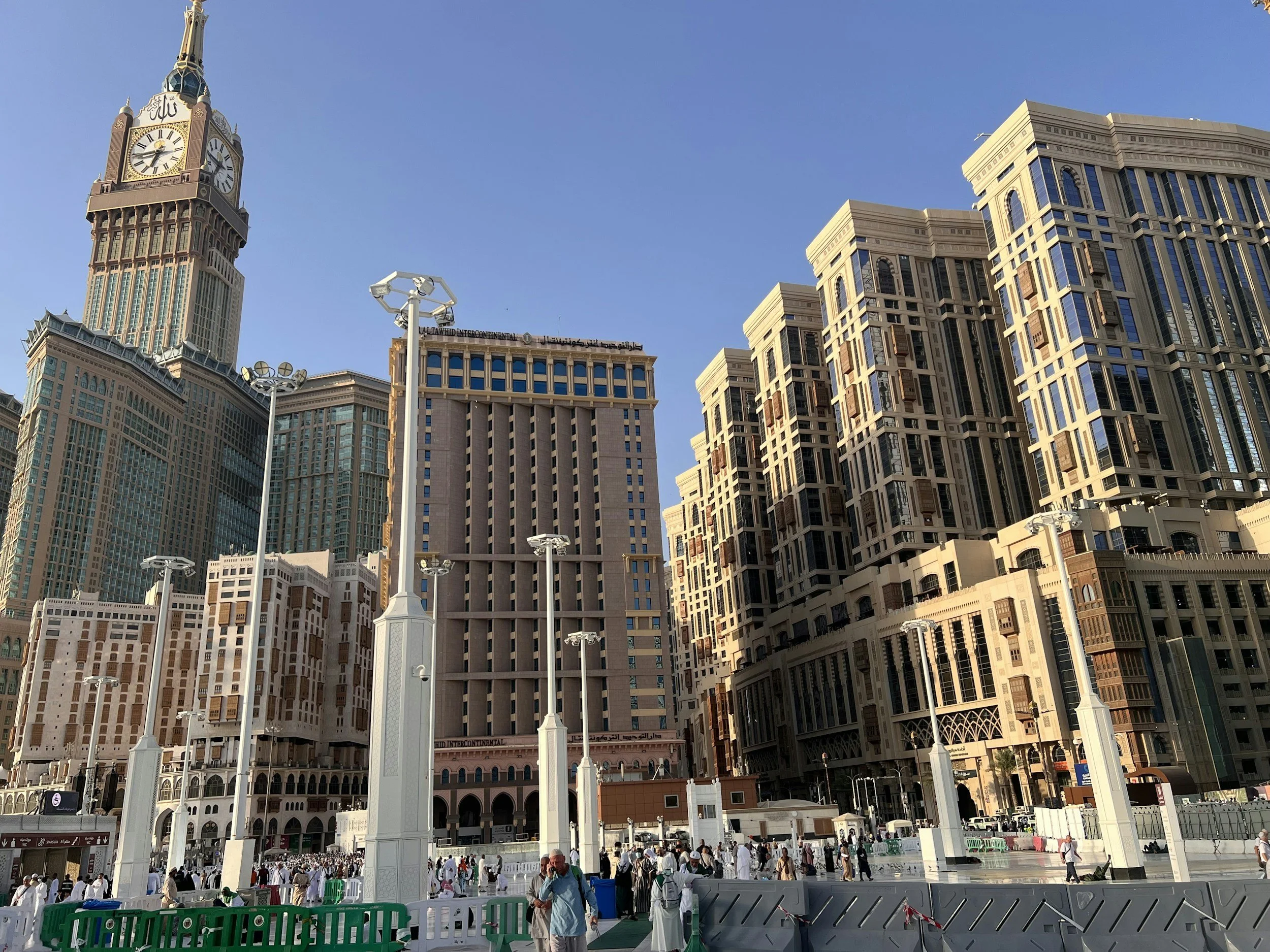
As Arab-Americans hope for Harris’ distance from Netanyahu, currently, there isn’t much difference between Biden’s and Harris’ Middle-East approach, as she could inherit an increasingly volatile Gulf
By Dhruva Jaishankar
While the direct implications for India might be less than for others, the 2024 U.S. presidential election will undoubtedly have indirect effects on India.
By Udaibir Das
How can countries with small and shallow financial markets adopt financial stability reports that are more suited for their economic conditions?
By Sadiq Amini
Is Japan’s continued engagement with Afghanistan, especially with development projects, furthering the legitimacy of Taliban rule?
By Dhruva Jaishankar
Why should Indo-Pacific nations pay attention to the U.S. presidential election and what will a change in leadership mean for existing partnerships?
By Udaibir Das
How should China refine its financial reform strategy to better align with its economic ambitions and responsibilities?
By Sadiq Amini
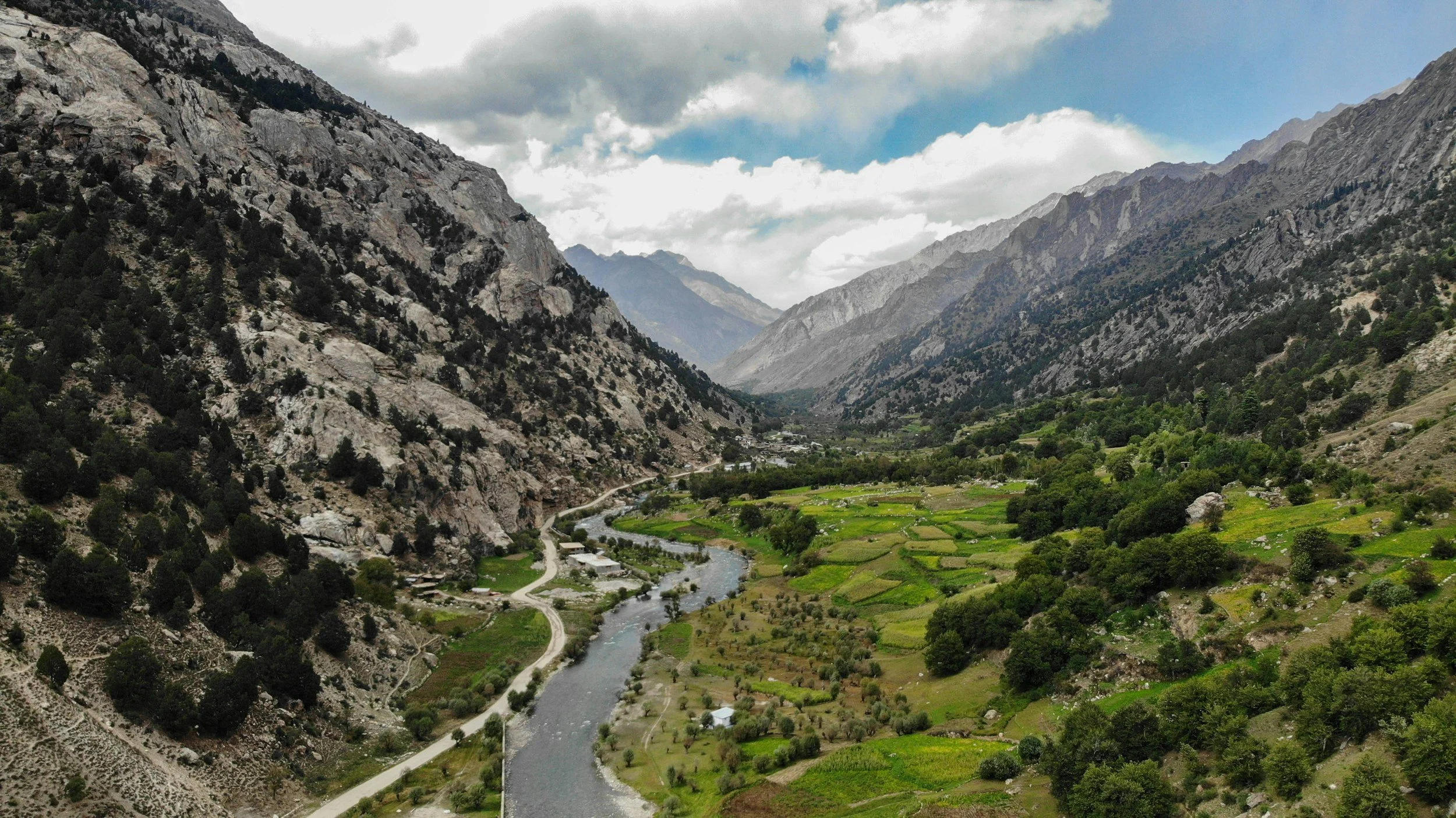
With the Taliban's return to power, Afghanistan is prone to rise of international terrorist groups just three years after the United States' withdrawal.
By Udaibir Das
The decisions from the 20th National Congress and the Third Plenum collectively represent significant strides in reinforcing the financial sector’s role as China recalibrates its growth model.
By Udaibir Das
The UK is poised to make a significant impact with the National Wealth Fund (NWF), a fund designed to spearhead its green transition and support sustainable growth. Will the UK’s NWF be a guiding economic beacon or just a political mirage?
By Udaibir Das
The IMF’s RST is a significant step forward in mobilising climate finance, focused on leveraging private sector involvement. By learning from the RST’s successes and challenges, other international efforts can enhance their strategies to attract private capital, creating a more sustainable and resilient global economy.
Ongoing armed conflicts in Europe and the Middle East and a fractured trade relationship between the world’s two largest economies, the United States and China, mean the energy transition cannot take economic integration and its accompanying benefits for granted.
Special Report
By Raj Sawhney, Shayak Sengupta, and Gregory Wischer
Editor: Shayak Sengupta
By Sadiq Amini
These days, Afghan democrats need a champion, and India, under Modi’s leadership, could be that champion – if New Delhi can correct course on its Afghanistan policy.
Observer Research Foundation America, 1100 17th St. NW, Suite 501, Washington DC 20036 USA