



How to Rebuild the U.S.-India Relationship Through TRUST

How to Rebuild the U.S.-India Relationship Through TRUST

By Divyansh Kaushik and Lindsey Ford

The recent bilateral crisis has caused significant damage, but it has not destroyed the fundamental calculation that brought TRUST into being: the United States and India need each other to maintain democratic technological leadership against authoritarian competition. 

How Brazil’s Deepening Ties with India, South Africa and Indonesia Can Reshape Global Energy Order

How Brazil’s Deepening Ties with India, South Africa and Indonesia Can Reshape Global Energy Order

By Piyush Verma

By working more closely with India, South Africa, and Indonesia, Brazil can move faster at home, bargain better abroad, and ensure the Global South is not just present but powerful at the table where tomorrow’s rules are written.

Transatlantic Rifts: An Indian Perspective

Transatlantic Rifts: An Indian Perspective

By Dhruva Jaishankar

A strong transatlantic bond that for almost eight decades had evolved into a highly integrated defense and economic system among the world’s leading industrial economies – institutionalized under the North Atlantic Treaty Organization (NATO) and G7 – now faces new stresses.

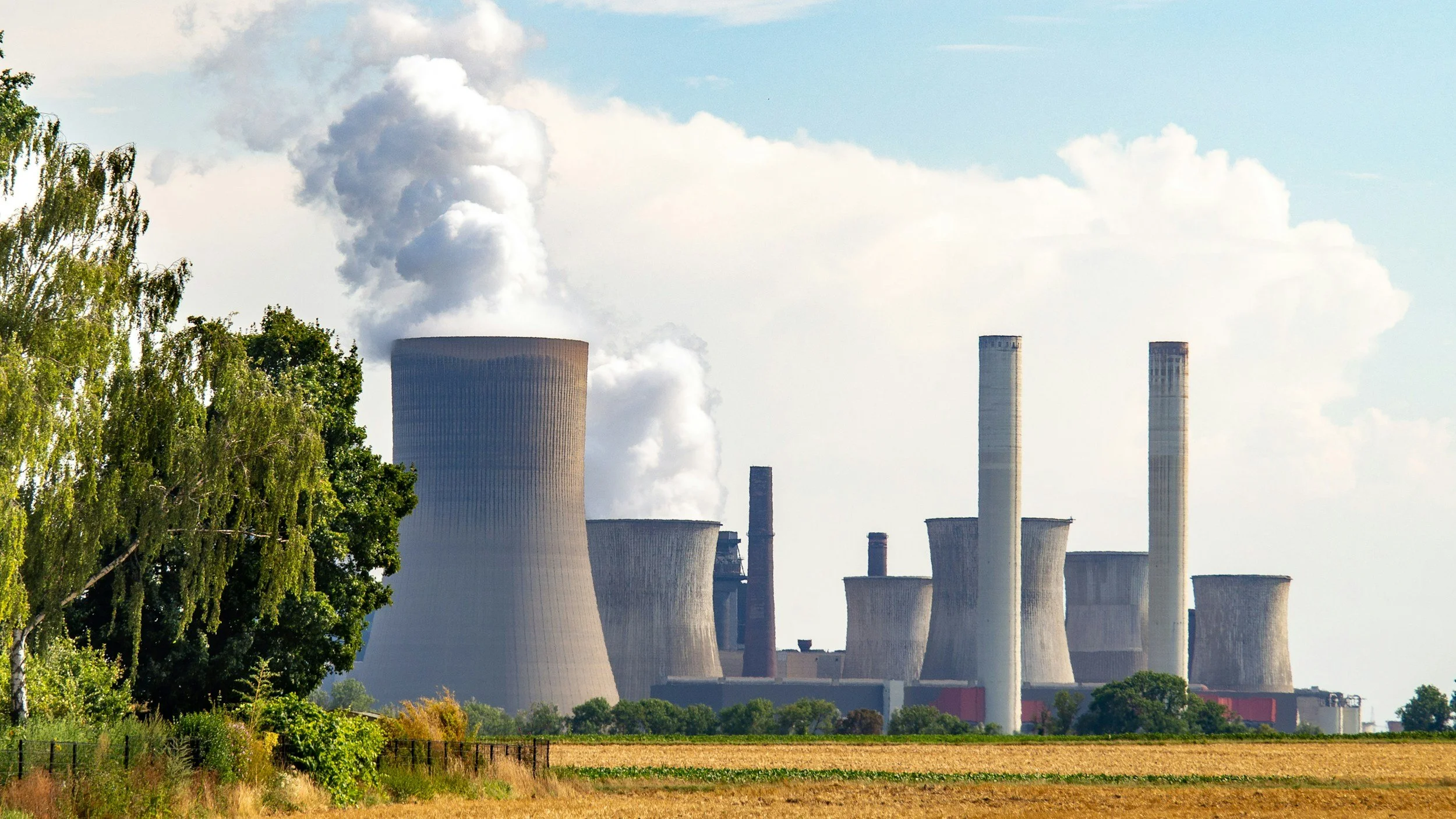
Two months from COP30, climate commitments are falling short

Two months from COP30, climate commitments are falling short

By Anit Mukherjee

With only two months left for the start of the leaders’ summit in Belém, the future of climate action seems to be based more on hope than conviction. A positive outcome from COP30 will require stronger commitment from the global community than what we have seen until now.

Why macrofinancial surveillance fails when it matters most

Why macrofinancial surveillance fails when it matters most

By Udaibir Das

Financial surveillance fails when it matters most. Every major financial disruption – from the 1997 Asian crisis to the 2008 financial crisis or recent geopolitical shocks from wars, sanctions and trade realignments – has exposed how blind spots persist in national systems, regional arrangements and global oversight.

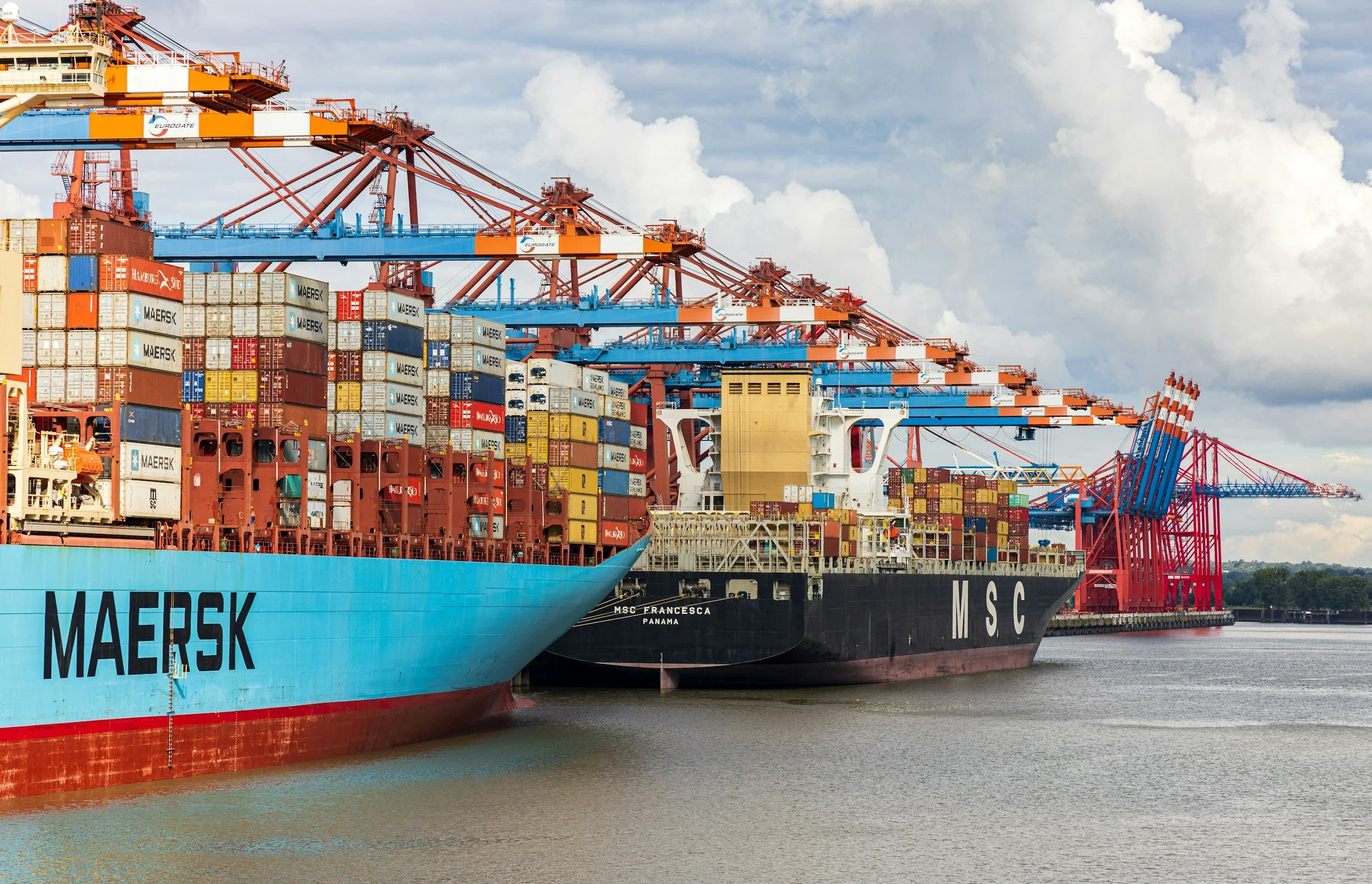
The impossible choice: tariffs, sanctions and fragmentation

The impossible choice: tariffs, sanctions and fragmentation

By Udaibir Das

In dynamic-system terms, the global economy has shifted from a high-integration equilibrium towards a more fragmented state, but the transition path is still in motion. For financial institutions, the challenge is calibrating marginal gain in resilience against the marginal erosion of competitive advantage.

'IBSA+Indonesia' can be a new Global South-led force in climate and energy leadership

'IBSA+Indonesia' can be a new Global South-led force in climate and energy leadership

By Piyush Verma

At a time when multilateralism is under significant stress and global climate finance remains skewed and inequitably distributed, IBSA+Indonesia offers a fresh model of geopolitical collaboration on energy and climate – anchored in shared values and driven by practical action.

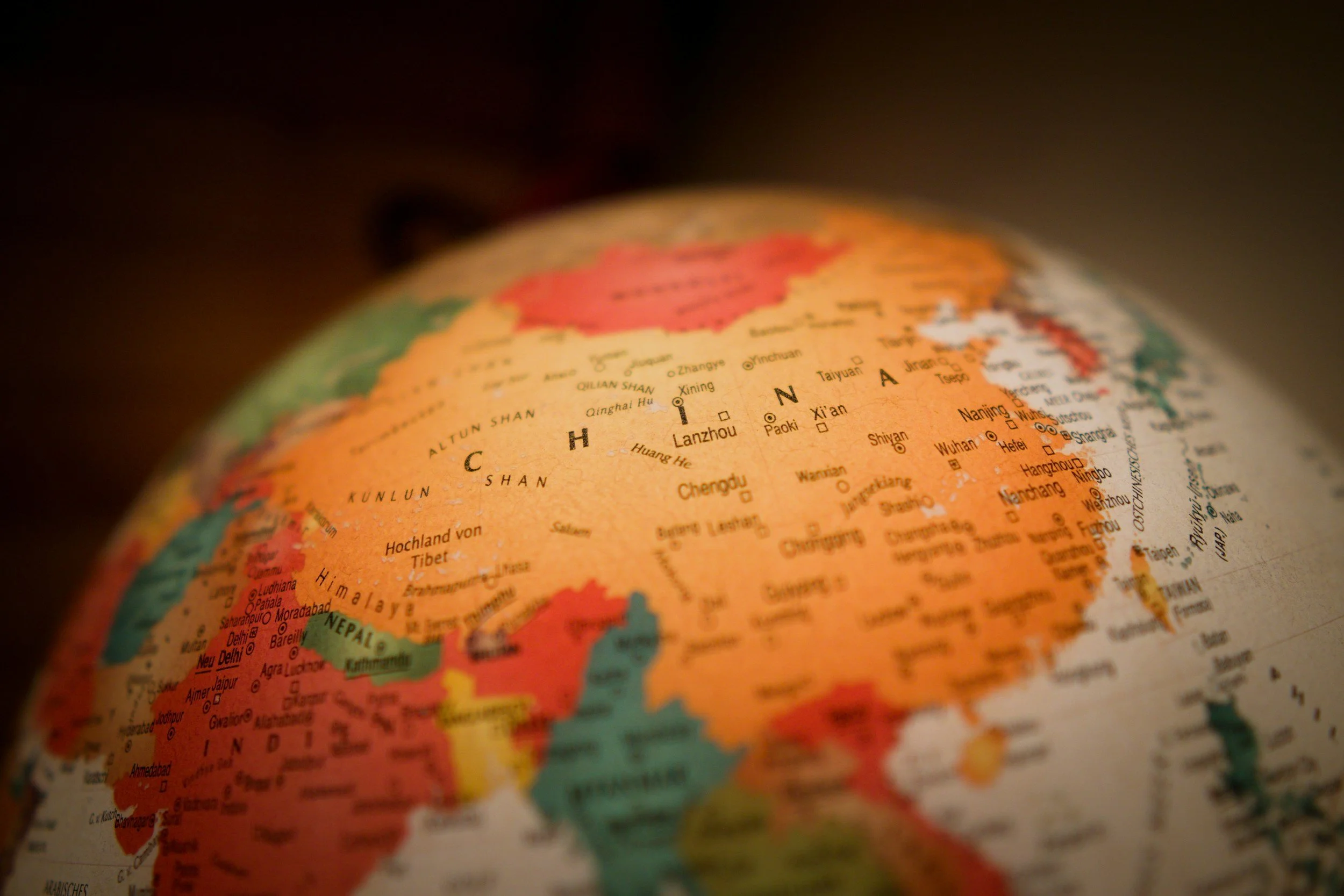
A Strategic Wake-Up Call: Insights from South Asia for Taiwan’s Defence Posture

A Strategic Wake-Up Call: Insights from South Asia for Taiwan’s Defence Posture

By Hsiao-Chen Lin

The evolving scenario between India and Pakistan also serves as a timely analytical lens through which Taiwan can assess its own strategic vulnerabilities and prepare more robustly for future contingencies in the Indo-Pacific theatre. 

Bridging the AI Divide: A BRICS Strategy for Inclusive Innovation, Sovereignty, and Capacity Building

Bridging the AI Divide: A BRICS Strategy for Inclusive Innovation, Sovereignty, and Capacity Building

By Anit Mukherjee

As artificial intelligence (AI) becomes a key enabler of economic and social transformation, the BRICS grouping — comprising both emerging and influential economies — has a unique opportunity to shape the trajectory of AI development through a Global South lens.