



By Hansika Nath
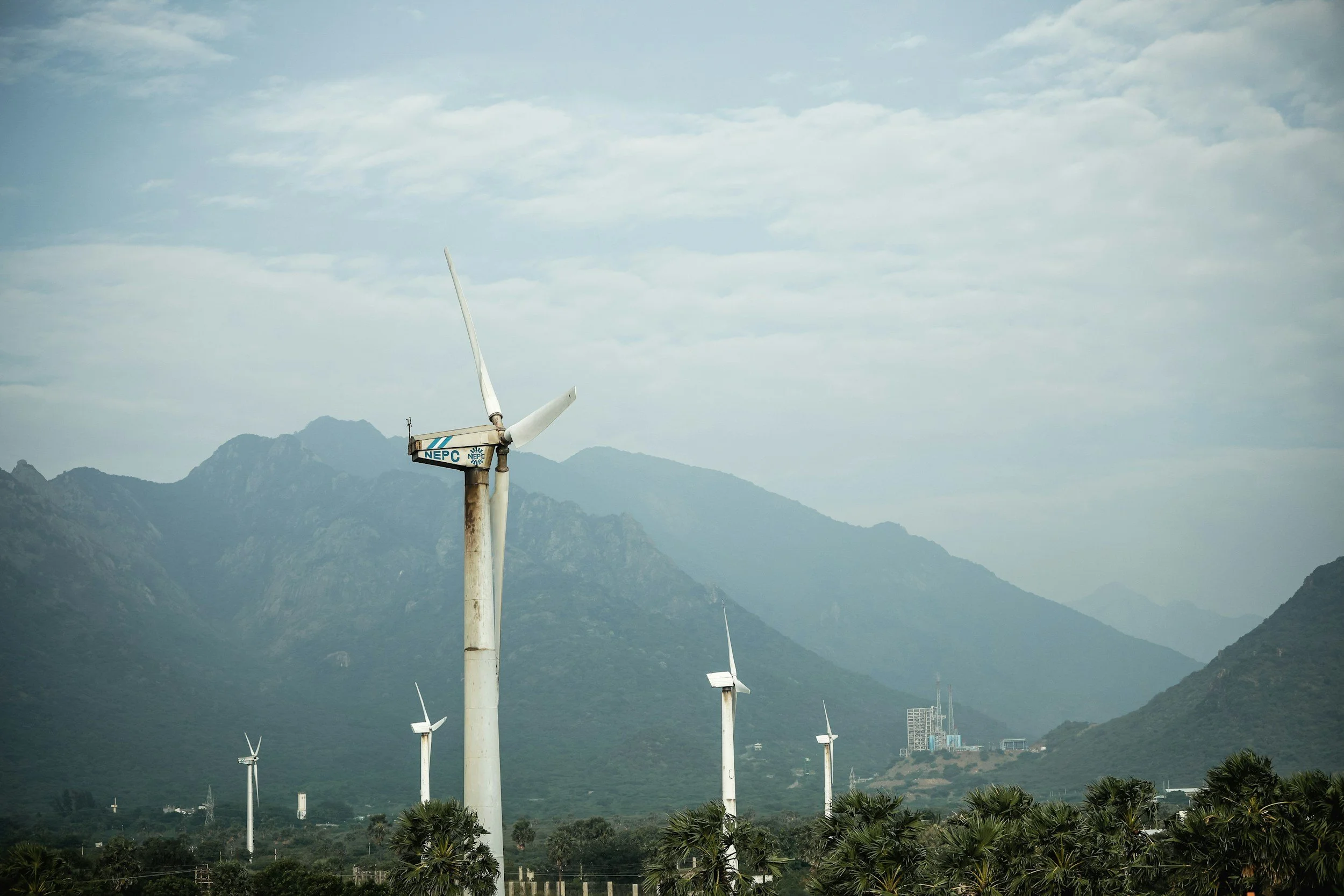
Clean technology has emerged as a key area of convergence in trade talks between India and the EU.

By Siddharth Yadav and Khush Advani
As AI reshapes economies, militaries, and societies, the nations that control the hardware pipeline will shape the rules of the emerging order. At present, that pipeline runs through a single bottleneck in Veldhoven, Netherlands. For middle powers, the choice is to either accept permanent dependency on a supply chain governed by the strategic priorities of others, or invest collectively in an alternative.
By Rohan Sharma
The effectiveness of U.S.-India AI cooperation will be measured not by the number of joint statements issued, but by whether both countries can build systems that are trusted, interoperable, and deployable across borders.
By Cauvery Ganapathy
Disruptions triggered by the Iranian blockade of the Strait of Hormuz have interrupted global efforts at industrial reshoring, data center-led digitization, electrification, and the reinforcement of defense production lines, while also posing risks to global food security.
By Jeffrey D. Bean
If the U.S. government can facilitate practical, targeted bilateral engagements for mining and processing under the banner of Pax Silica and FORGE, these could support derisking semiconductor, AI, and critical mineral supply chains provided key Global South actors are engaged effectively and equitably.
By Mahdi Ghuloom and Cauvery Ganapathy
What is noteworthy is that the UAE and Bahrain, two countries which have consistently advocated for a diplomatic resolution to the dispute, have now been forced to pivot towards seeking a more proactive approach aimed at securing the Strait under a UN-supported coalition.
By Sarah Box
The AI Action Plan is a clear signpost towards American dominance in AI and its impact will be felt globally. The hope is that it will indeed lead to the industrial and information revolution and cultural renaissance anticipated by the administration, and that this is not a winner-take-all race but one that allies and partners can share in.
By Anit Mukherjee
The BRICS Leader’s Declaration lays out in detail the process for a revision of quotas at the International Monetary Fund and the World Bank, representation of the Global South in the governance of artificial intelligence and other transformative technologies that will shape the future, and increasing the accessibility and affordability of climate finance.
By Ashita Jain
The India-UK FTA reflects a significant shift in India’s digital trade approach. The commitments it makes, particularly on customs duties on electronic transmissions, data flows, and source code protection, will serve as benchmarks in India’s ongoing negotiations with the EU and the United States.
By Lindsey Ford
There is much that feels reassuringly familiar about the joint statement that came out of the July 1 Quad meeting in DC, which maintains significant continuity in its overall tone and content. However, a close review also points to notable shifts that could erode the group’s regional influence over time.
By Ammar Nainar
Despite trade and tariff wars and continuing security tensions in Europe, the Middle East, and Indian subcontinent, Quad cooperation continues. But the trends this year also reflect a new and more focused agenda for Quad cooperation in the second Trump administration, including maritime, economic, and technology security, as well as humanitarian assistance and disaster relief.
By Elsa Debargue and Jeffrey D. Bean
The Pall Mall Process is a work in progress, and only time will tell if it proves durable and successful. However, it does hint at a potential turning point in current cyber governance efforts by adapting to the realities of a decentralized, privatized, and often invisible marketplace of digital intrusion.
By Anit Mukherjee and Caroline Arkalji
In the run up to the COP30 climate summit in Brazil, countries are reevaluating the role of biofuels in supporting efforts to accelerate the clean energy transition, particularly in the transportation sector, which accounts for nearly one-quarter of global greenhouse gas emissions.
By Jeffrey D. Bean
All in all, the United States’ oscillating policy on AI diffusion reflects an ongoing struggle in how best to simultaneously retain U.S. leadership in semiconductors and advance compute for AI at both a market level and in national defense applications, while blocking adversaries’ access to advanced AI chips and the capability to manufacture them.
Observer Research Foundation America, 1100 17th St. NW, Suite 501, Washington DC 20036 USA