

By Dhruva Jaishankar
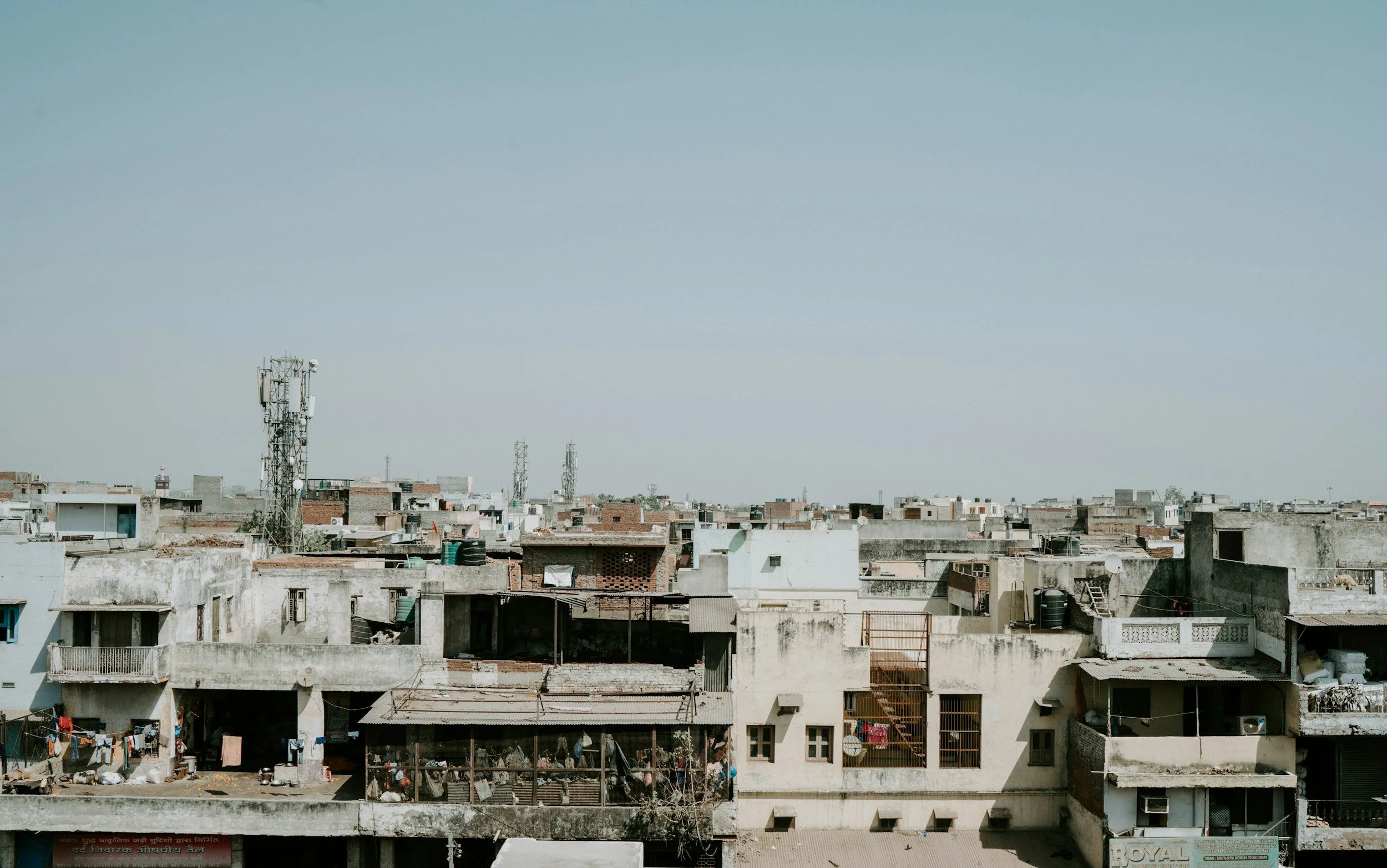
While the details of any such dialogue remain notional, Trump’s comments underscored the necessity of having such a meeting early in his tenure to set the tone for bilateral India-U.S. relations over the next four years.

By Vishal Manve
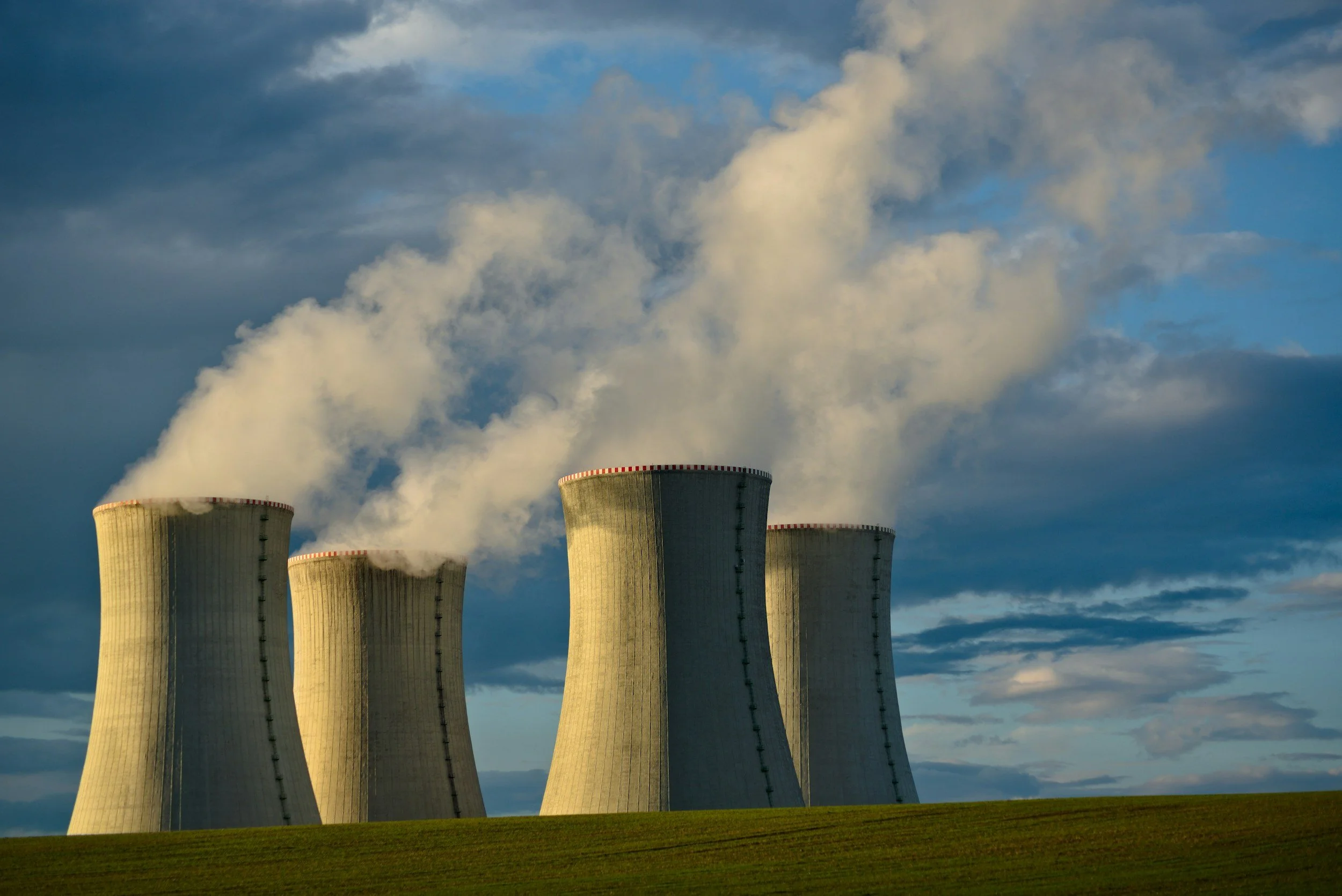
India has largely resolved the political signaling problem around nuclear energy. The harder phase now begins: building the human capital, regulatory resilience, and industrial depth necessary to sustain multi-decade deployment.
By Jeffrey D. Bean
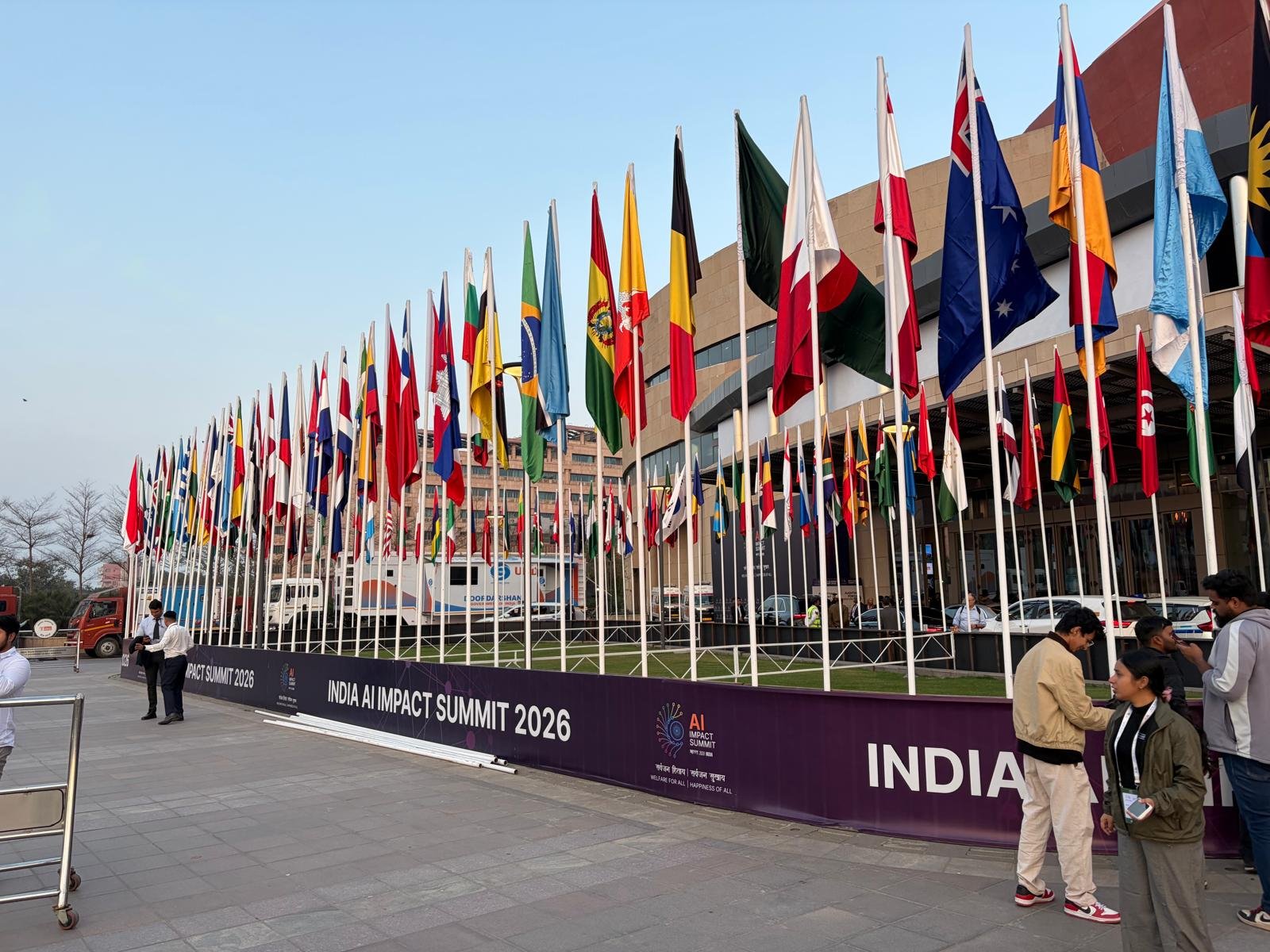
The AI Impact Summit underscored India’s commitment to be seen as a leader for technology deployment to the Global South. In this way, India is attempting to serve as a bridge between the leading technology manufacturing countries and the societies where applied technology may have the biggest impact on quality of life, in areas like healthcare, education, and agriculture
By Dhruva Jaishankar
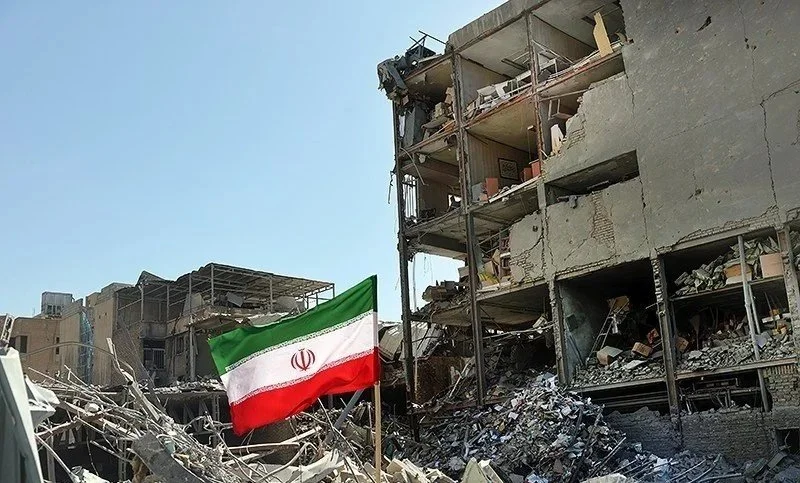
With ongoing strikes in the Middle East, the strategic intentions of Israel, the United States, Iran, and the Gulf Arab states are worth examining, for they will shape the intensity and scope of the war — as well as the long-term repercussions regardless of the outcome.
By Priyasha Chakravarti
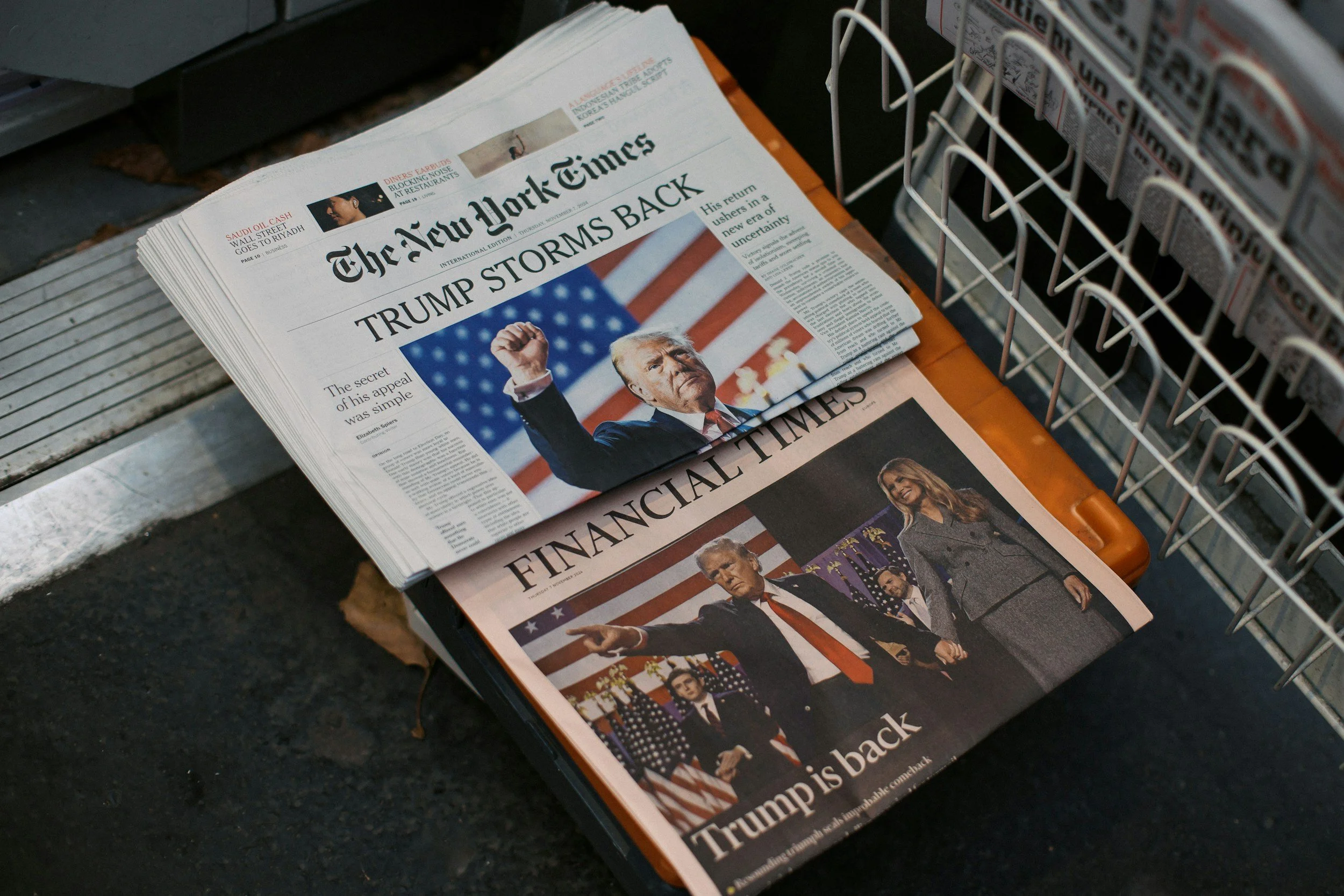
Political parties can use EMAs to more easily campaign and effectively target voters, plan party operations, and rally their supporters, free of outside interference. At the same time, unverified information and hate speech can circulate largely undetected, particularly in countries with limited oversight and regulatory capacity.
By Marta Bengoa
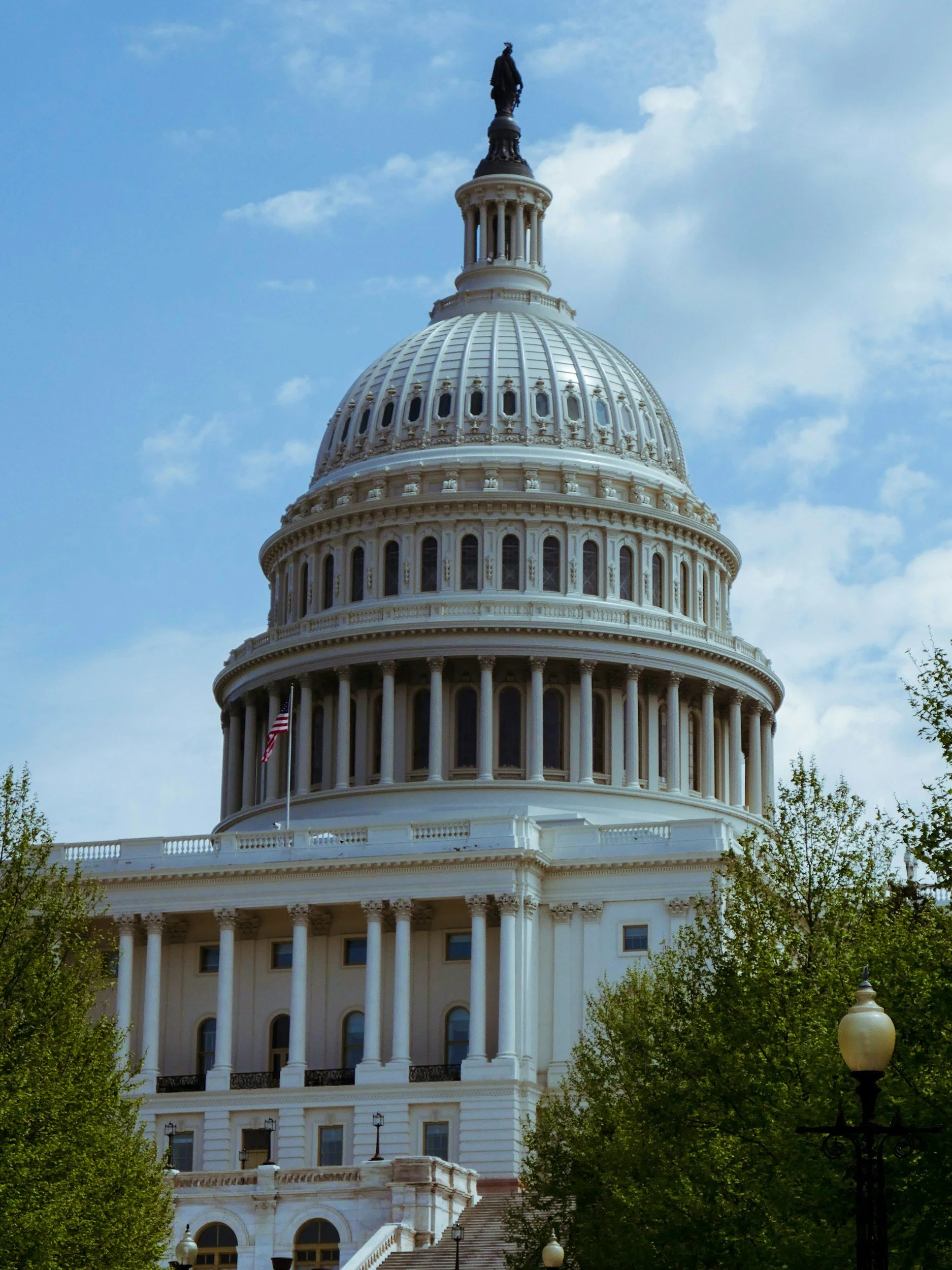
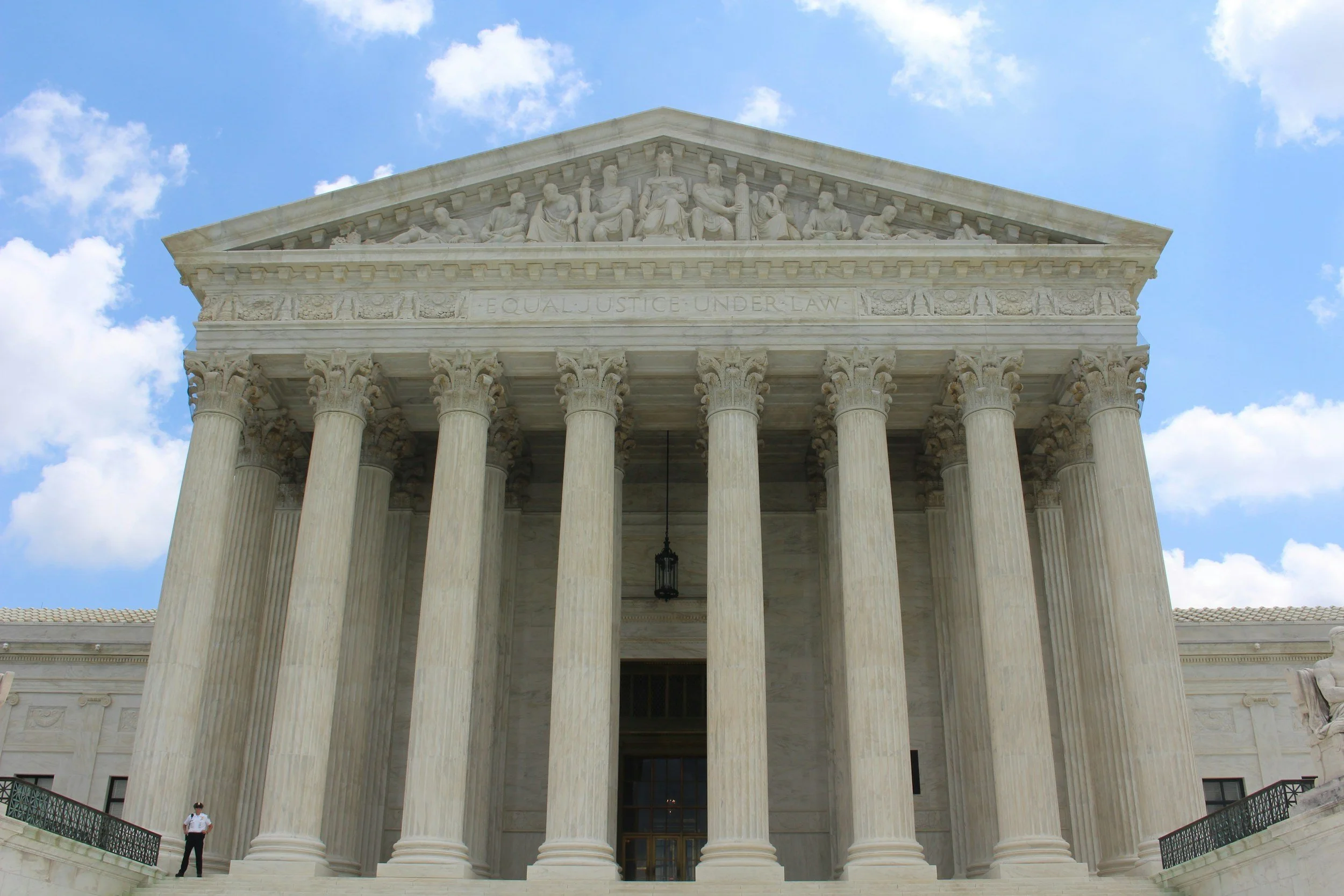
Using outdated balance-of-payments provisions designed for fixed exchange rates makes no sense under current monetary arrangements. Trump can continue imposing tariffs within constitutional boundaries, but the constraints now bind more tightly. Whether this leads to a more sensible trade policy or simply shifts chaos to different legal authorities remains to be seen.
Observer Research Foundation America, 1100 17th St. NW, Suite 501, Washington DC 20036 USA