


By Hsiao-Chen Lin
With its semiconductor leadership, an open economy, and pluralistic partnerships, Taiwan shows that the international community can uphold their One China policies while refusing to validate Beijing’s expansionist interpretation.

By Anit Mukherjee
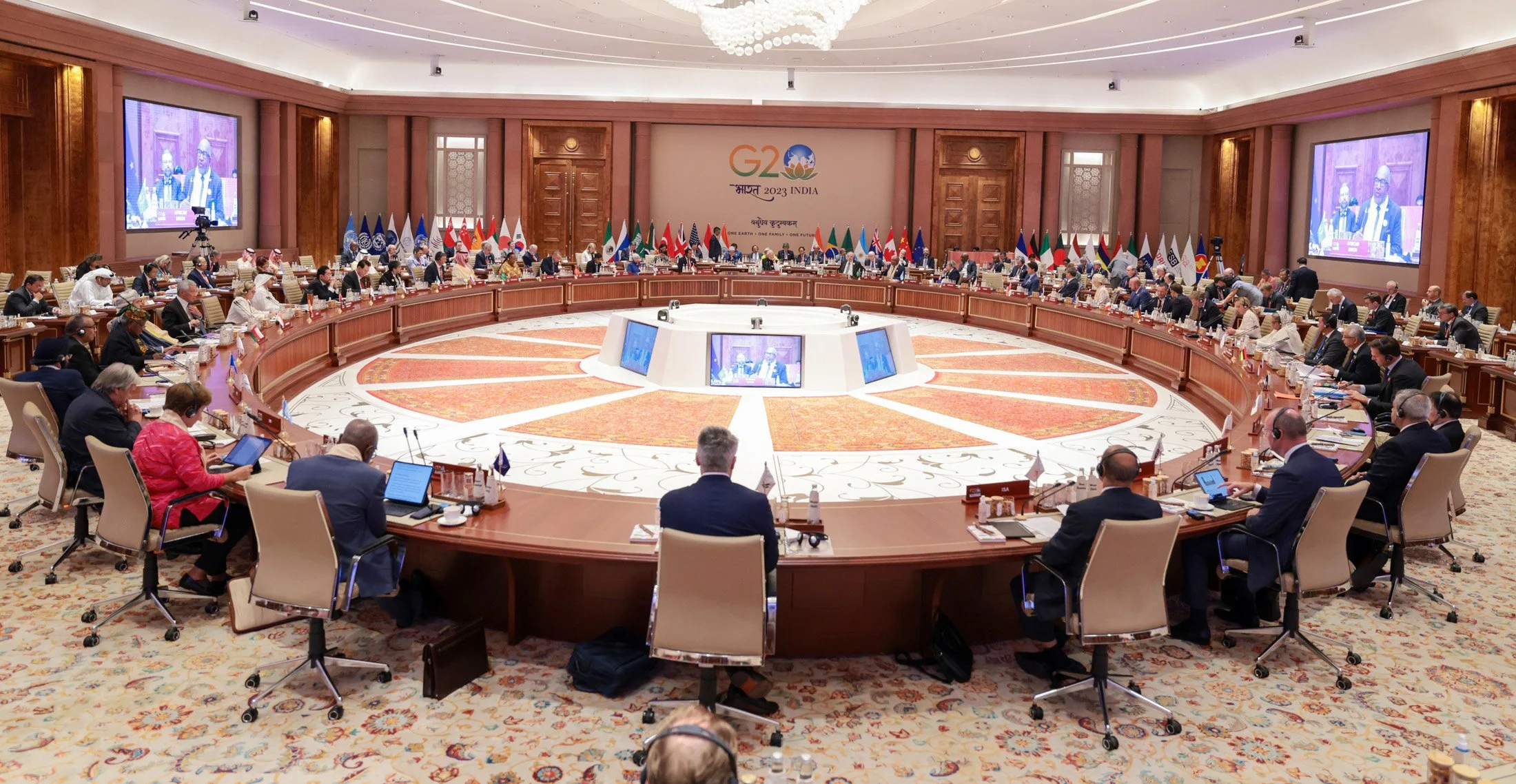
Just as the Pittsburgh G20 Summit in 2009 shaped the global economy after the global financial crisis, next year’s Summit in Miami could reset the G20 to issues that matter: financial stability, economic security, and technological innovation.
By Caroline Arkalji
For utilities and developers, a robust U.S. battery-storage industry would reduce dependence on overseas suppliers, cut logistical and tariff-related costs, and accelerate project deployment. If the United States seizes this moment, it can position itself as a global leader in grid-scale battery manufacturing and deliver a more reliable, competitive, and secure energy system for the decades ahead.
By Jeffrey D. Bean
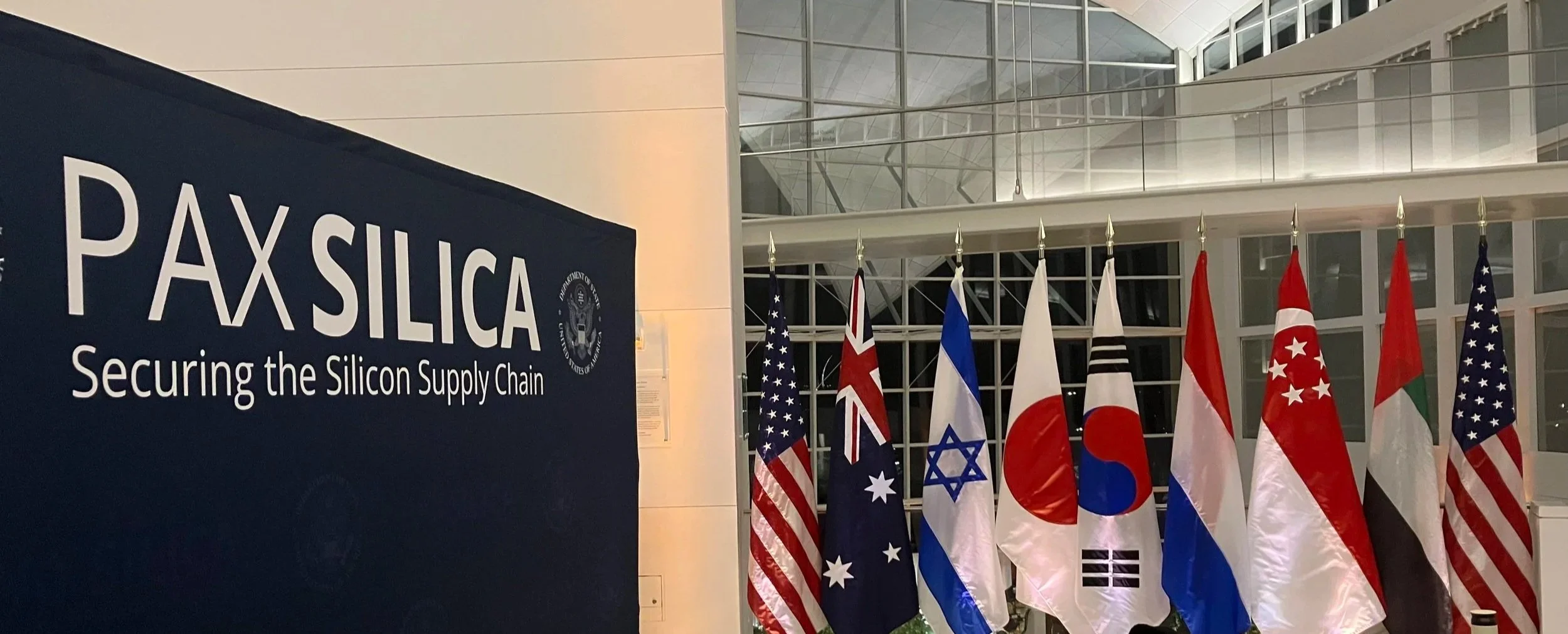
The success of Pax Silica as a tangible platform for the United States and U.S. allies and partners to secure supply chains and retain or regain advantages in technology will be a massive diplomatic and commercial undertaking. Sustained political will seems uncertain.
By Marta Bengoa
Rather than reviving American manufacturing and boosting employment, the data from Trump’s “Liberation Day” tariffs tell a story of job losses in manufacturing, stagnant productivity in that sector, higher inflation across the economy, and economic uncertainty on a scale not seen in decades.
By Ashwini Thakre and Piyush Verma
China’s diplomatic control over sector may become the very trigger that unwinds its dominance. By weaponizing concentration, Beijing accelerated diversification efforts that many democracies had treated as optional. The shock exposed the liabilities of a system built on single-country dependence and encouraged a coordinated wave of investment across the United States, Europe, Japan, South Korea, and Australia.
By Anit Mukherjee and Caroline Arkalji
The consecutive presidencies of Indonesia, India, Brazil, and South Africa within the G20 offers a blueprint for how the Global South can continue shaping global governance at a time of geopolitical uncertainty and a rapid rebalancing of the globalization process itself.
By Sarah Box
The AI Action Plan is a clear signpost towards American dominance in AI and its impact will be felt globally. The hope is that it will indeed lead to the industrial and information revolution and cultural renaissance anticipated by the administration, and that this is not a winner-take-all race but one that allies and partners can share in.
By Anit Mukherjee
The BRICS Leader’s Declaration lays out in detail the process for a revision of quotas at the International Monetary Fund and the World Bank, representation of the Global South in the governance of artificial intelligence and other transformative technologies that will shape the future, and increasing the accessibility and affordability of climate finance.
By Ashita Jain
The India-UK FTA reflects a significant shift in India’s digital trade approach. The commitments it makes, particularly on customs duties on electronic transmissions, data flows, and source code protection, will serve as benchmarks in India’s ongoing negotiations with the EU and the United States.
By Lindsey Ford
There is much that feels reassuringly familiar about the joint statement that came out of the July 1 Quad meeting in DC, which maintains significant continuity in its overall tone and content. However, a close review also points to notable shifts that could erode the group’s regional influence over time.
By Ammar Nainar
Despite trade and tariff wars and continuing security tensions in Europe, the Middle East, and Indian subcontinent, Quad cooperation continues. But the trends this year also reflect a new and more focused agenda for Quad cooperation in the second Trump administration, including maritime, economic, and technology security, as well as humanitarian assistance and disaster relief.
By Elsa Debargue and Jeffrey D. Bean
The Pall Mall Process is a work in progress, and only time will tell if it proves durable and successful. However, it does hint at a potential turning point in current cyber governance efforts by adapting to the realities of a decentralized, privatized, and often invisible marketplace of digital intrusion.
Observer Research Foundation America, 1100 17th St. NW, Suite 501, Washington DC 20036 USA