



By Resham Sethi
Global AI governance must empower LMICs to lead and shape health innovation through inclusive, context-driven collaboration.

By Andre Nicola
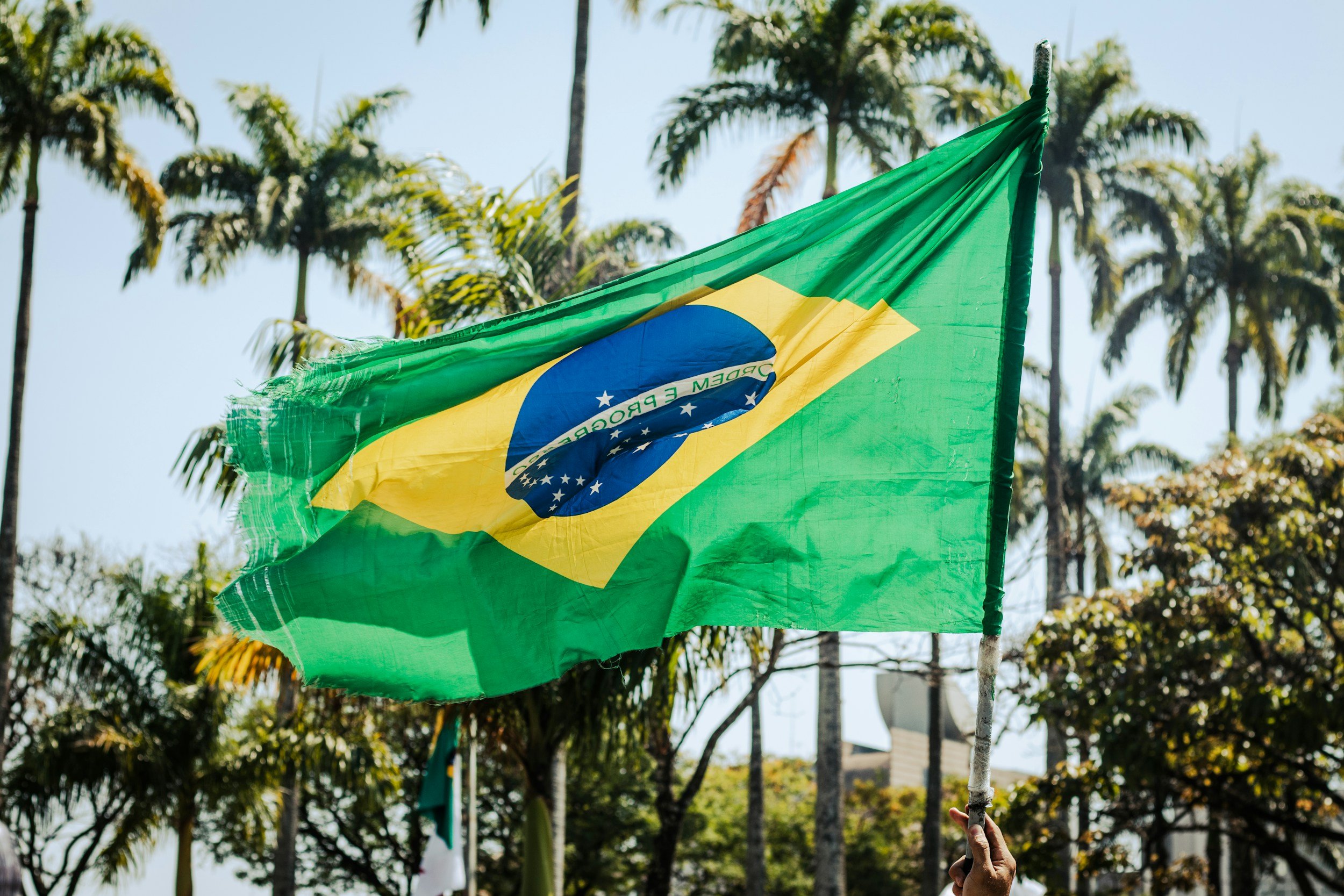
The outcome of Brazil’s 2026 presidential election will have massive implications for its domestic policies and will also shape how Brazil engages with partners in Washington, Beijing, and the rest of the world.
By Piyush Verma
As decarbonization extends beyond electricity into transport, manufacturing, steel, and chemicals, the share of world trade untouched by clean energy accounting is likely to shrink. So the useful question is not where clean trade begins and ends.
By Medha Prasanna
As countries race to connect renewable generation, expand transmission, and meet surging demand from data centers, electricity grids are being built at unprecedented speeds. Building quantum-safe cryptography while equipment is being designed and procured is far easier than retrofitting it later.
By Anit Mukherjee
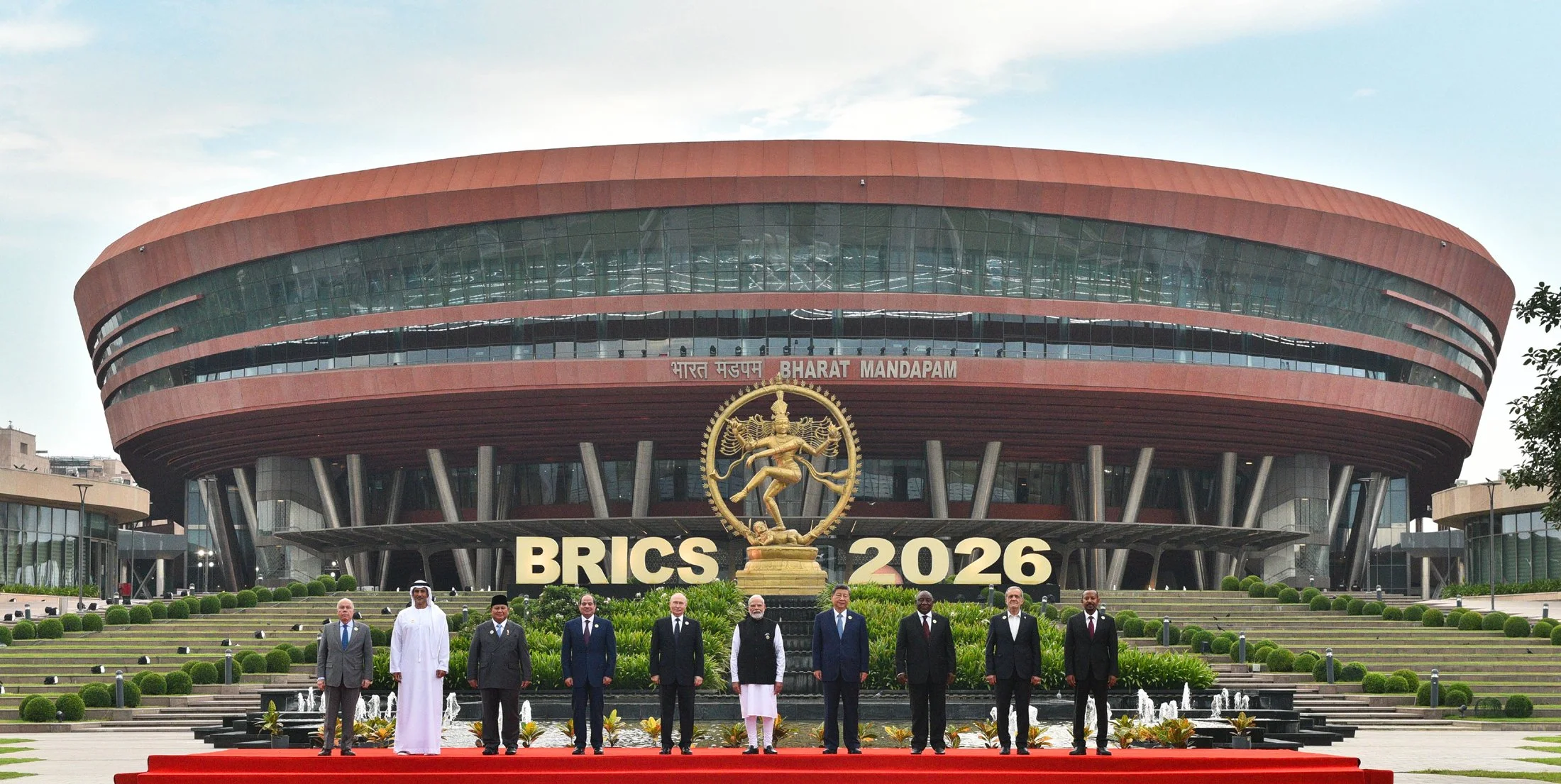
In the 20 years since BRICS was formed as a loose agglomeration of developing countries, the New Delhi Summit demonstrated that its value lay in providing a space for some overlapping approaches to economic management and development. The challenge is one of coordination, reconciling national priorities with the wider objectives of balanced trade, efficient cross-border payments, and effective development finance.
By Anit Mukherjee
The BRICS Leader’s Declaration lays out in detail the process for a revision of quotas at the International Monetary Fund and the World Bank, representation of the Global South in the governance of artificial intelligence and other transformative technologies that will shape the future, and increasing the accessibility and affordability of climate finance.
By Ashita Jain
The India-UK FTA reflects a significant shift in India’s digital trade approach. The commitments it makes, particularly on customs duties on electronic transmissions, data flows, and source code protection, will serve as benchmarks in India’s ongoing negotiations with the EU and the United States.
By Lindsey Ford
There is much that feels reassuringly familiar about the joint statement that came out of the July 1 Quad meeting in DC, which maintains significant continuity in its overall tone and content. However, a close review also points to notable shifts that could erode the group’s regional influence over time.
By Ammar Nainar
Despite trade and tariff wars and continuing security tensions in Europe, the Middle East, and Indian subcontinent, Quad cooperation continues. But the trends this year also reflect a new and more focused agenda for Quad cooperation in the second Trump administration, including maritime, economic, and technology security, as well as humanitarian assistance and disaster relief.
By Elsa Debargue and Jeffrey D. Bean
The Pall Mall Process is a work in progress, and only time will tell if it proves durable and successful. However, it does hint at a potential turning point in current cyber governance efforts by adapting to the realities of a decentralized, privatized, and often invisible marketplace of digital intrusion.
By Anit Mukherjee and Caroline Arkalji
In the run up to the COP30 climate summit in Brazil, countries are reevaluating the role of biofuels in supporting efforts to accelerate the clean energy transition, particularly in the transportation sector, which accounts for nearly one-quarter of global greenhouse gas emissions.
By Jeffrey D. Bean
All in all, the United States’ oscillating policy on AI diffusion reflects an ongoing struggle in how best to simultaneously retain U.S. leadership in semiconductors and advance compute for AI at both a market level and in national defense applications, while blocking adversaries’ access to advanced AI chips and the capability to manufacture them.
By Caroline Arkalji
While India is globally recognized for its highly skilled engineering talent, it lags behind its peers in terms of a large, technically trained labor force needed to attract manufacturing investment at scale. To compete, India must align its technical education more closely with industry needs and emphasize skills critical to modern manufacturing.
Observer Research Foundation America, 1100 17th St. NW, Suite 501, Washington DC 20036 USA