
By Dhruva Jaishankar
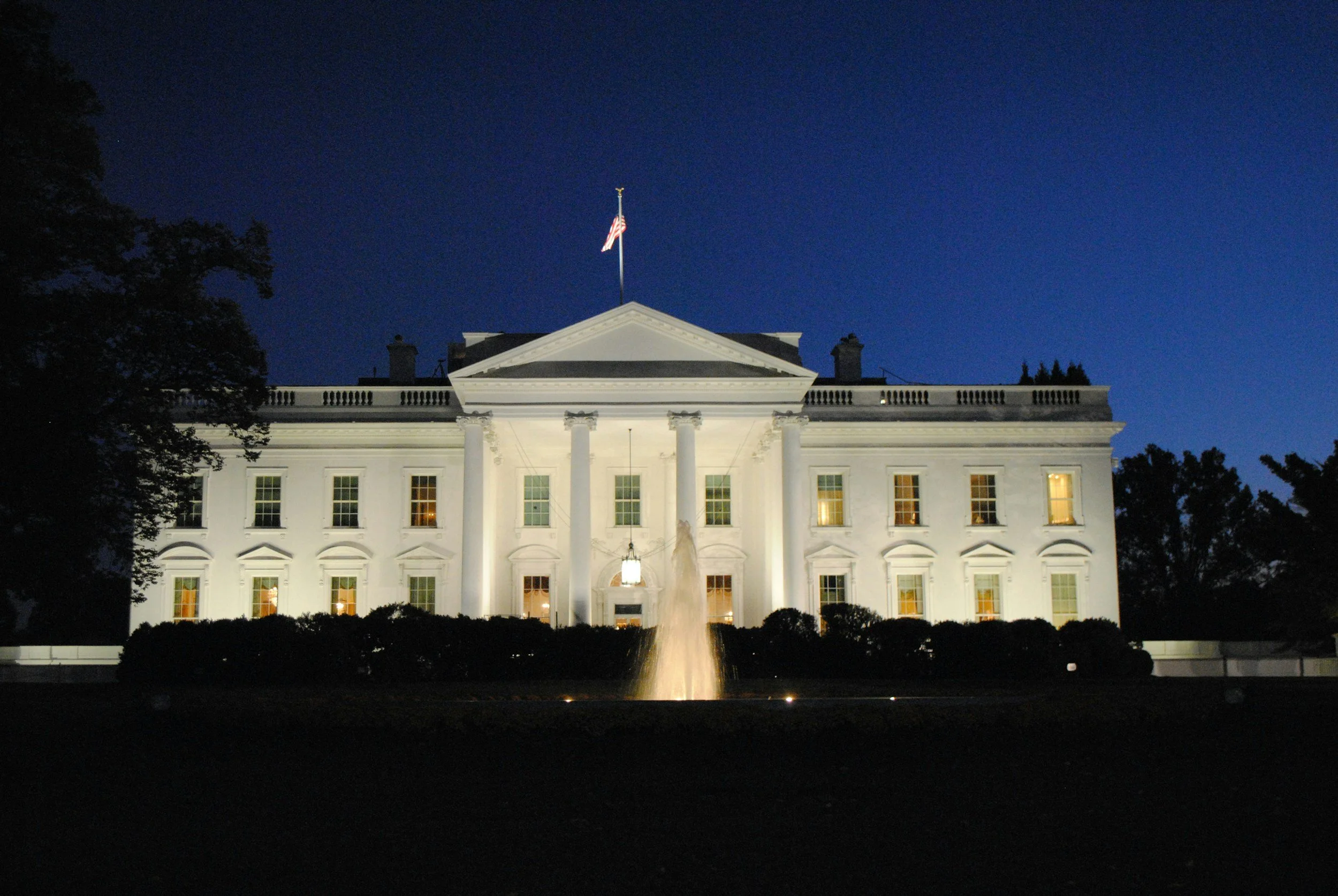
Over the past few months, relations between the United States and India have gone from stable and promising to tense and turbulent..

By Dhaval Desai
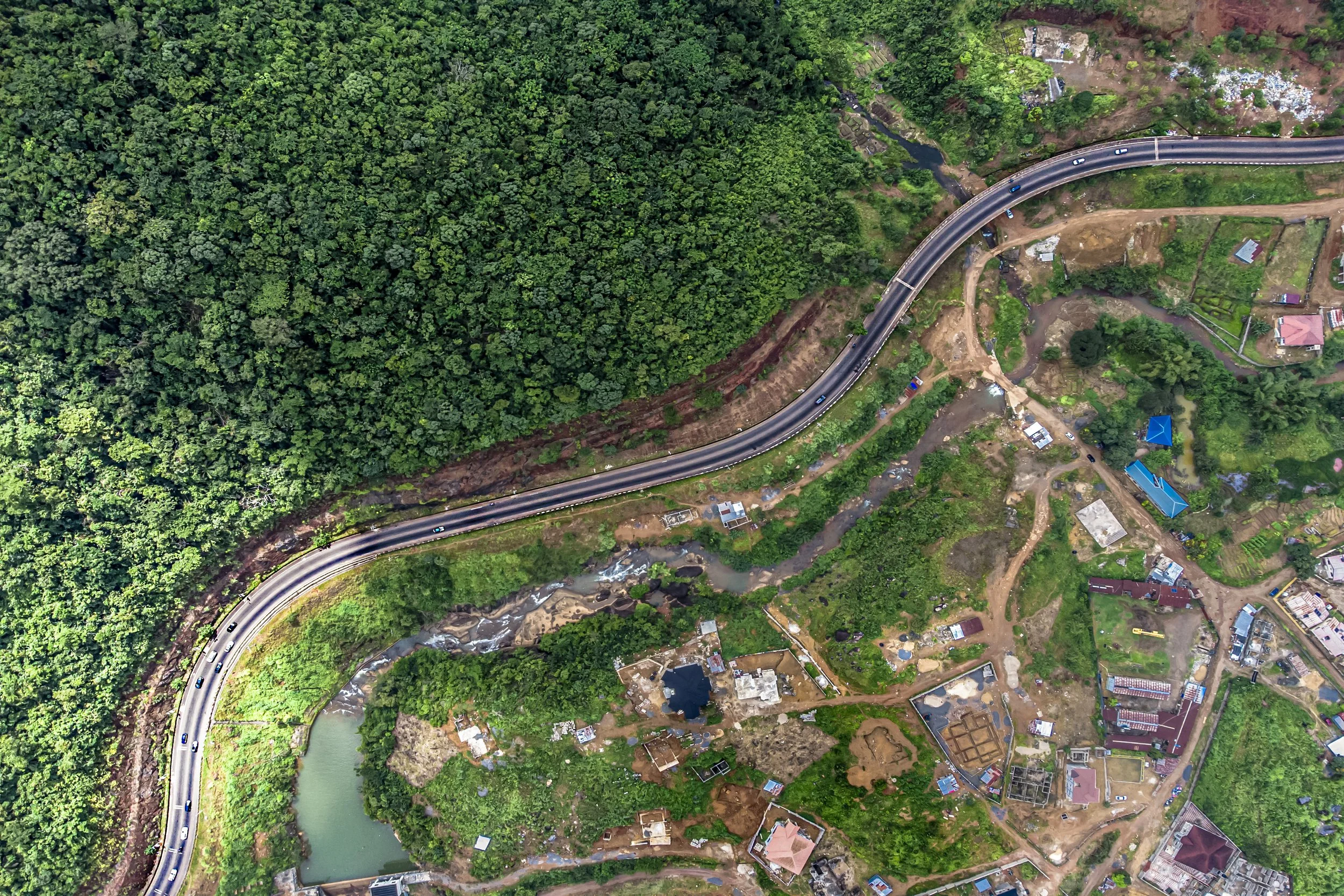
Urbanisation in Asia and Africa will intensify pressure on land and infrastructure amidst worsening climate hazards and the growing need to curb carbon emissions. The defining innovation of this urban century will therefore be institutional: building the authority, fiscal capacity, and governing systems that cities need to adapt before unsustainable urban form and inequality become entrenched.
By Soumya Bhowmick
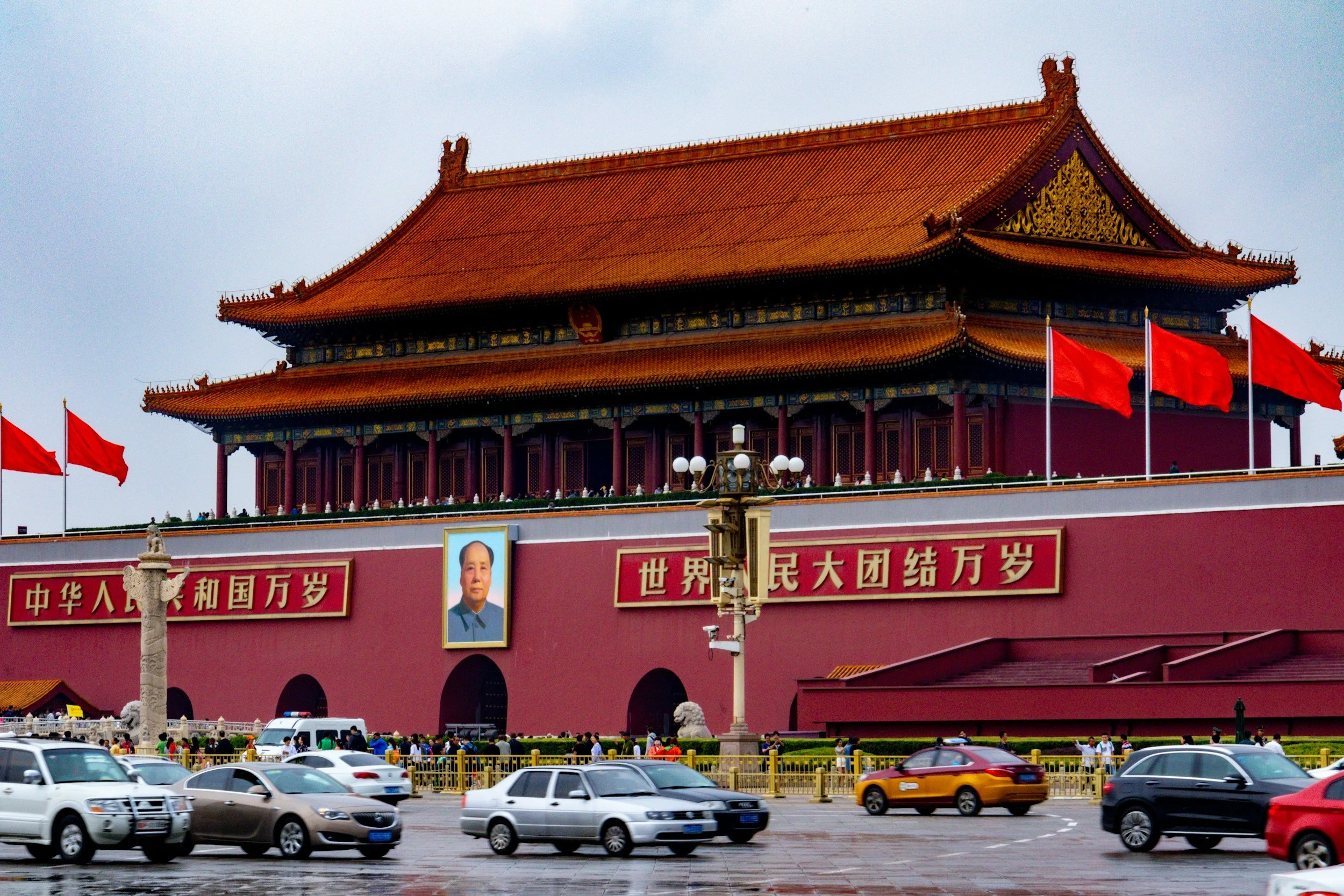
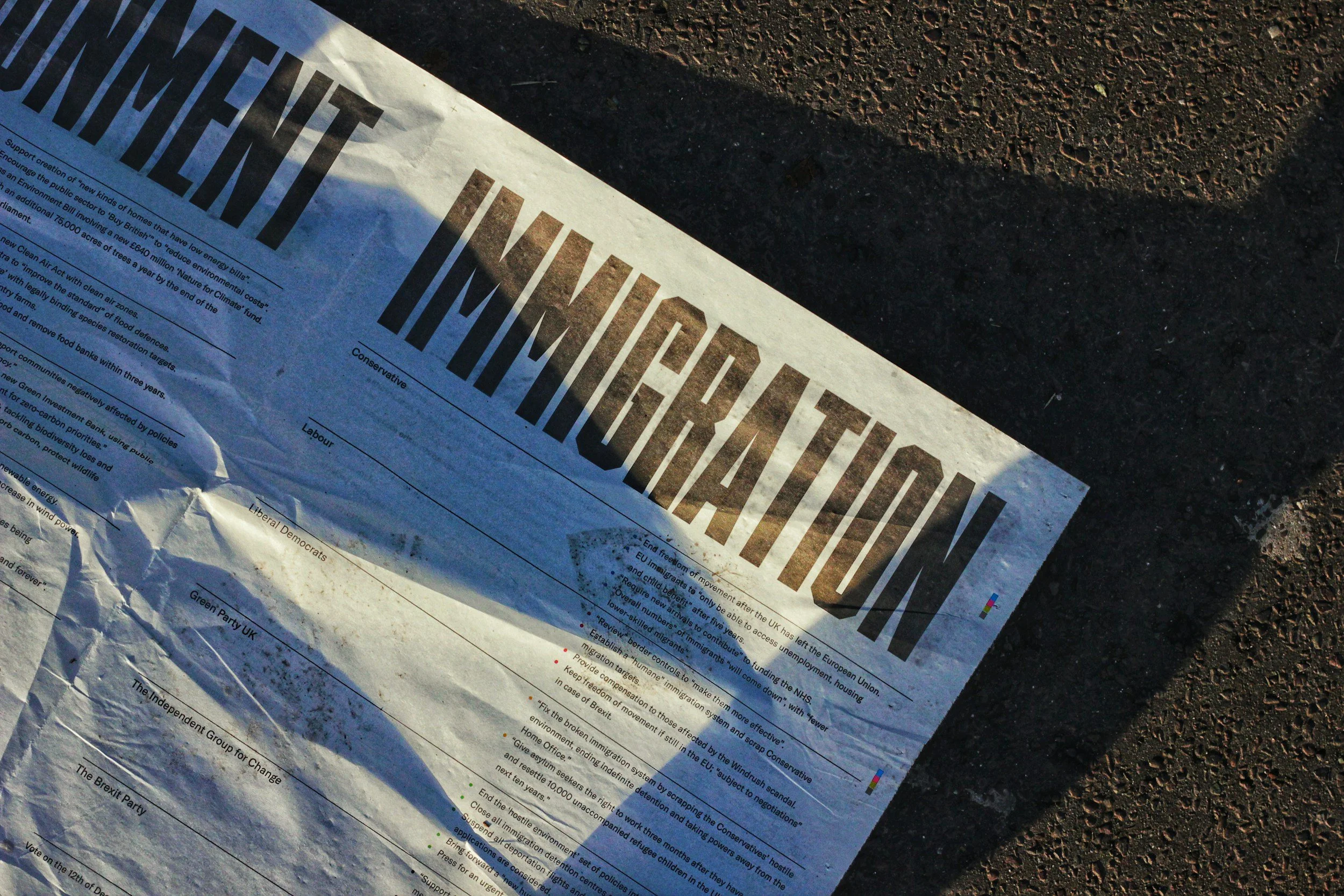
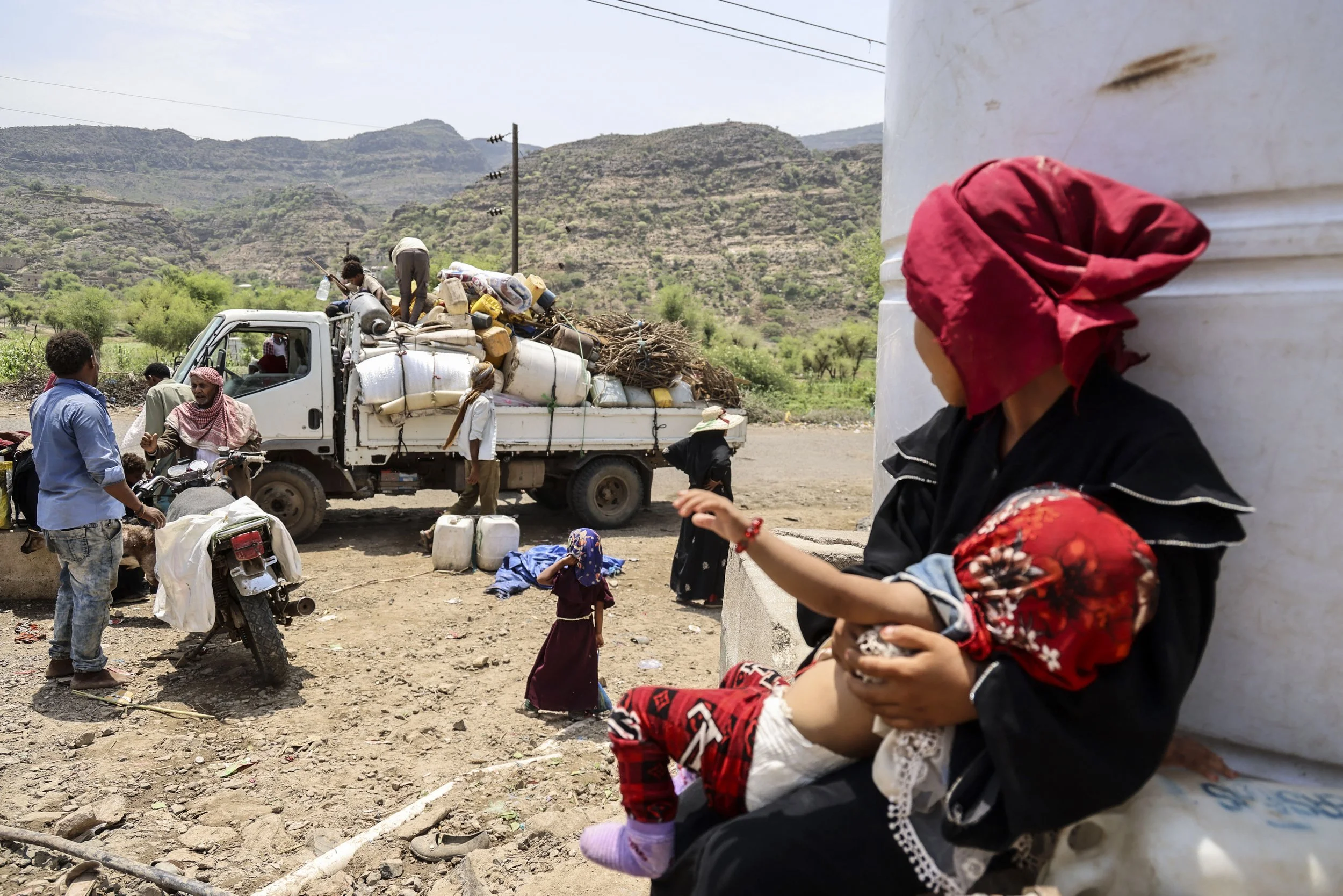
Countries that invest in portable, industry-relevant skills will be better placed to build domestic capabilities and to engage global labor markets on more equal terms, whichever way the politics of migration turns.
By Caroline Arkalji and Anasua Basu Ray Chaudhury
By Taruka Srivastav
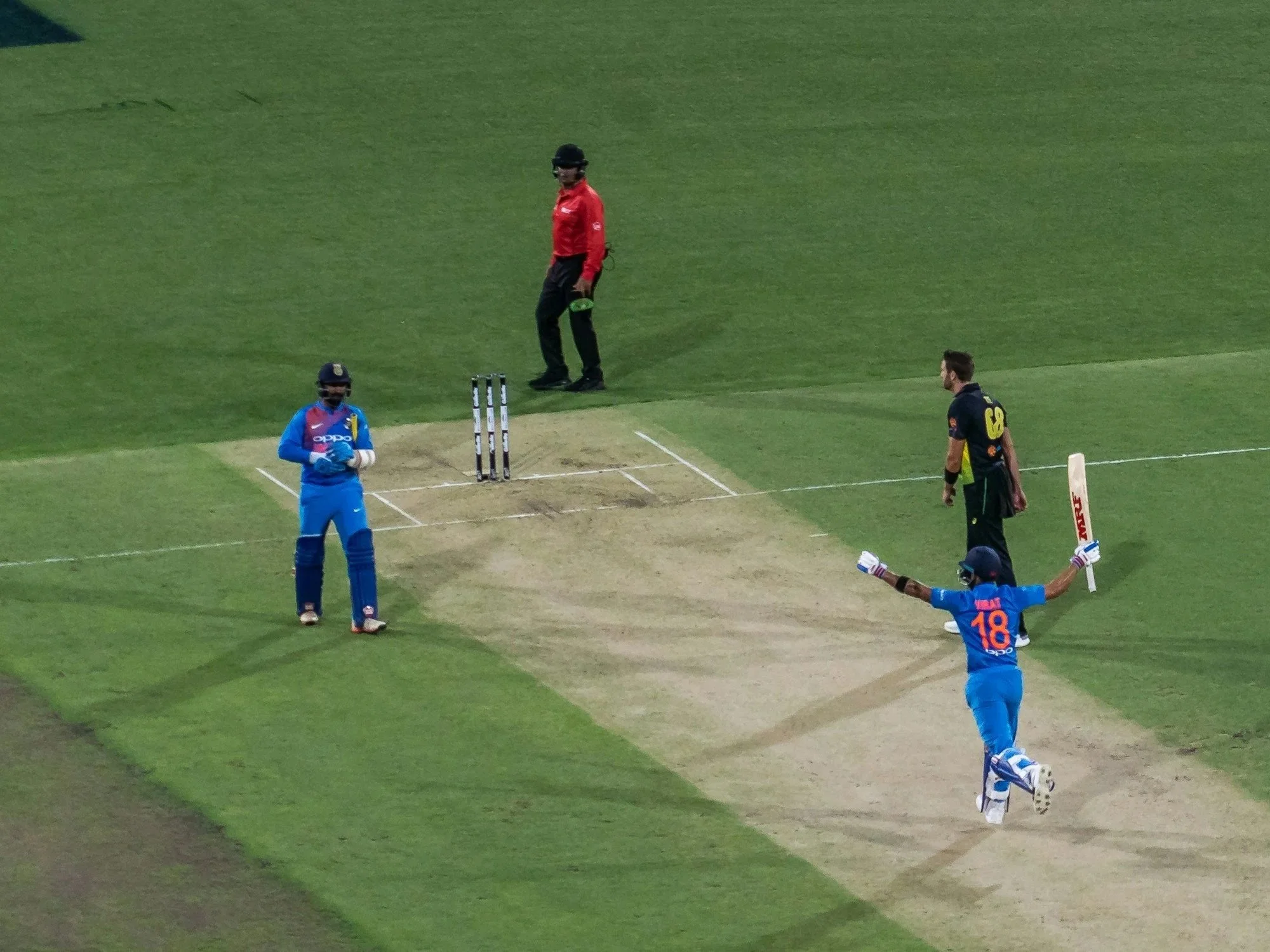
For American policymakers, a sports partnership with India is an opportunity to expand commercial engagement, strengthen educational partnerships, advance sports governance, and deepen people-to-people ties with one of the world’s fastest-growing sporting markets.
By Ashita Jain
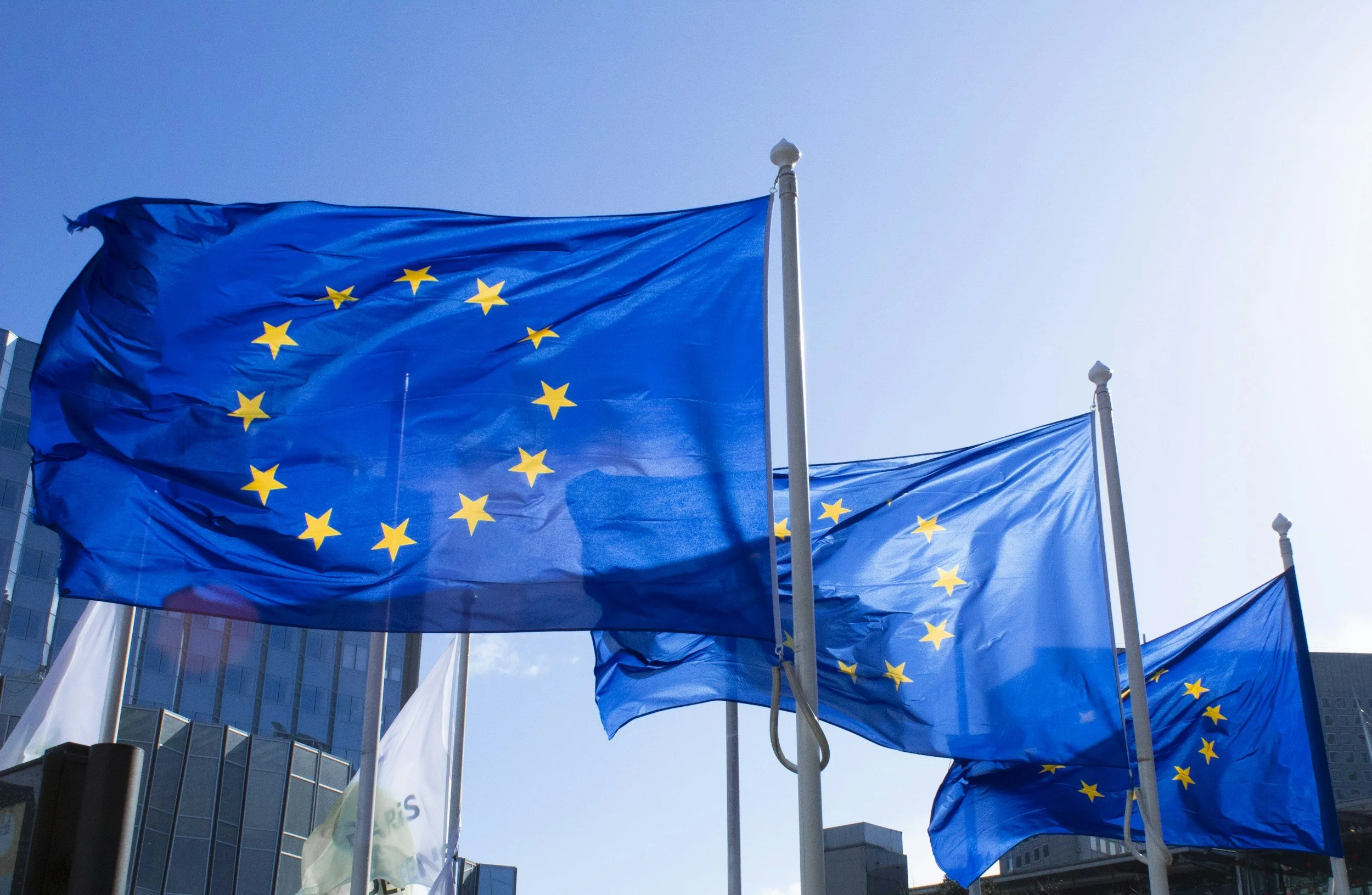
The India-UK FTA reflects a significant shift in India’s digital trade approach. The commitments it makes, particularly on customs duties on electronic transmissions, data flows, and source code protection, will serve as benchmarks in India’s ongoing negotiations with the EU and the United States.
By Lindsey Ford
There is much that feels reassuringly familiar about the joint statement that came out of the July 1 Quad meeting in DC, which maintains significant continuity in its overall tone and content. However, a close review also points to notable shifts that could erode the group’s regional influence over time.
By Ammar Nainar
Despite trade and tariff wars and continuing security tensions in Europe, the Middle East, and Indian subcontinent, Quad cooperation continues. But the trends this year also reflect a new and more focused agenda for Quad cooperation in the second Trump administration, including maritime, economic, and technology security, as well as humanitarian assistance and disaster relief.
By Dhruva Jaishankar
Trump’s April 2 announcement has already roiled financial markets, and the global economy will continue to be adversely affected both by the implementation of tariffs and by uncertainty as negotiations proceed. But while there will be no immediate winners, some parties appear relatively better off.
By Ammar Nainar
In a signal of the United States’ burden-sharing efforts, the Indian Ocean region was featured eight times in the latest U.S.-India joint statement between Indian prime minister Narendra Modi and U.S. president Donald Trump. To India and the United States, the Indian Ocean remains vital for trade and energy flows, for security competition given China’s growing naval activity, and for connectivity between Asia, Africa, and Europe.
Observer Research Foundation America, 1100 17th St. NW, Suite 501, Washington DC 20036 USA