
Energy Transitions

By Piyush Verma
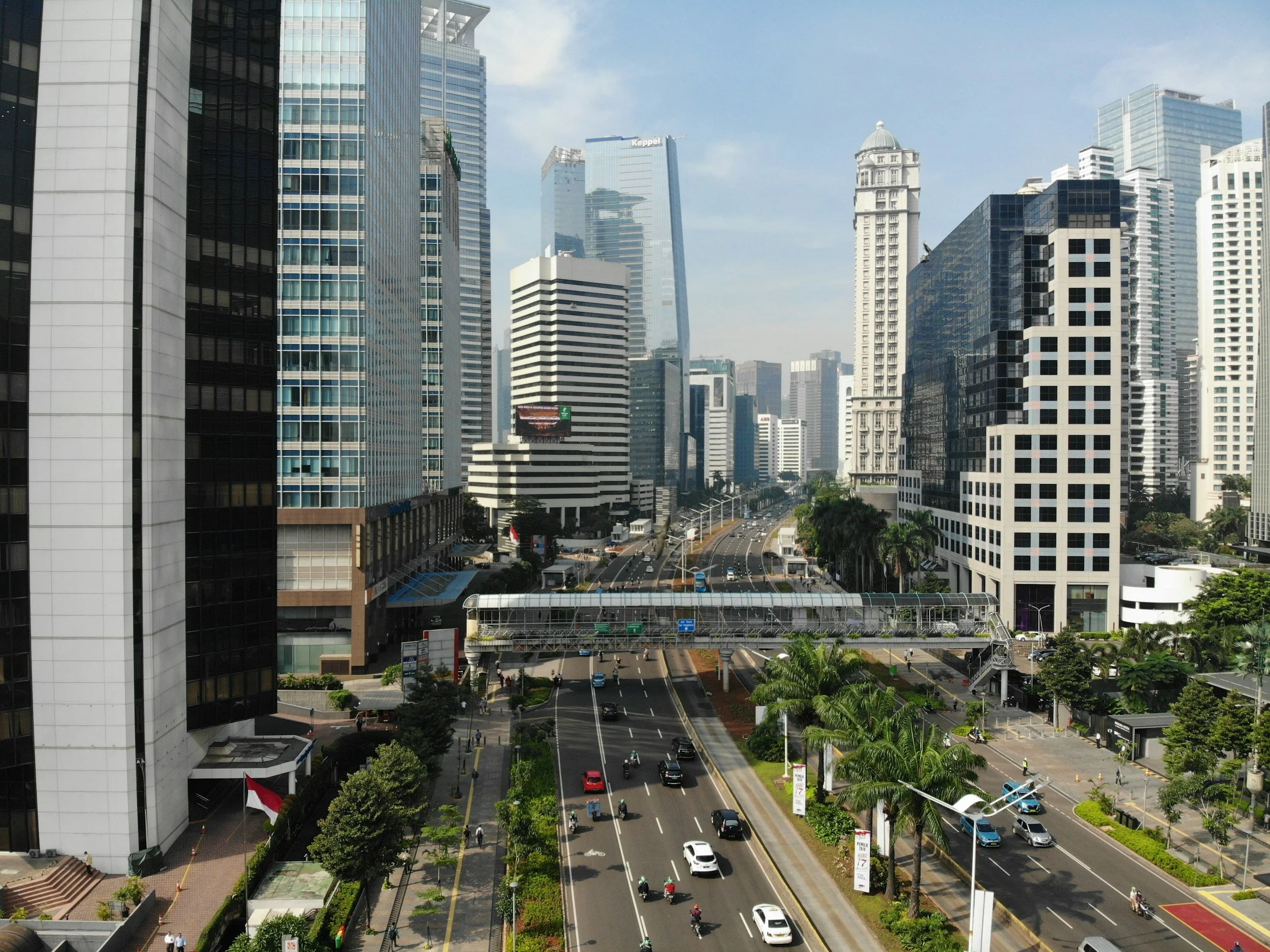
This diplomatic moment offers an opportunity built on the India-Indonesia relationship: closer cooperation with the India-Brazil-South Africa Dialogue Forum, or IBSA.

By Medha Prasanna
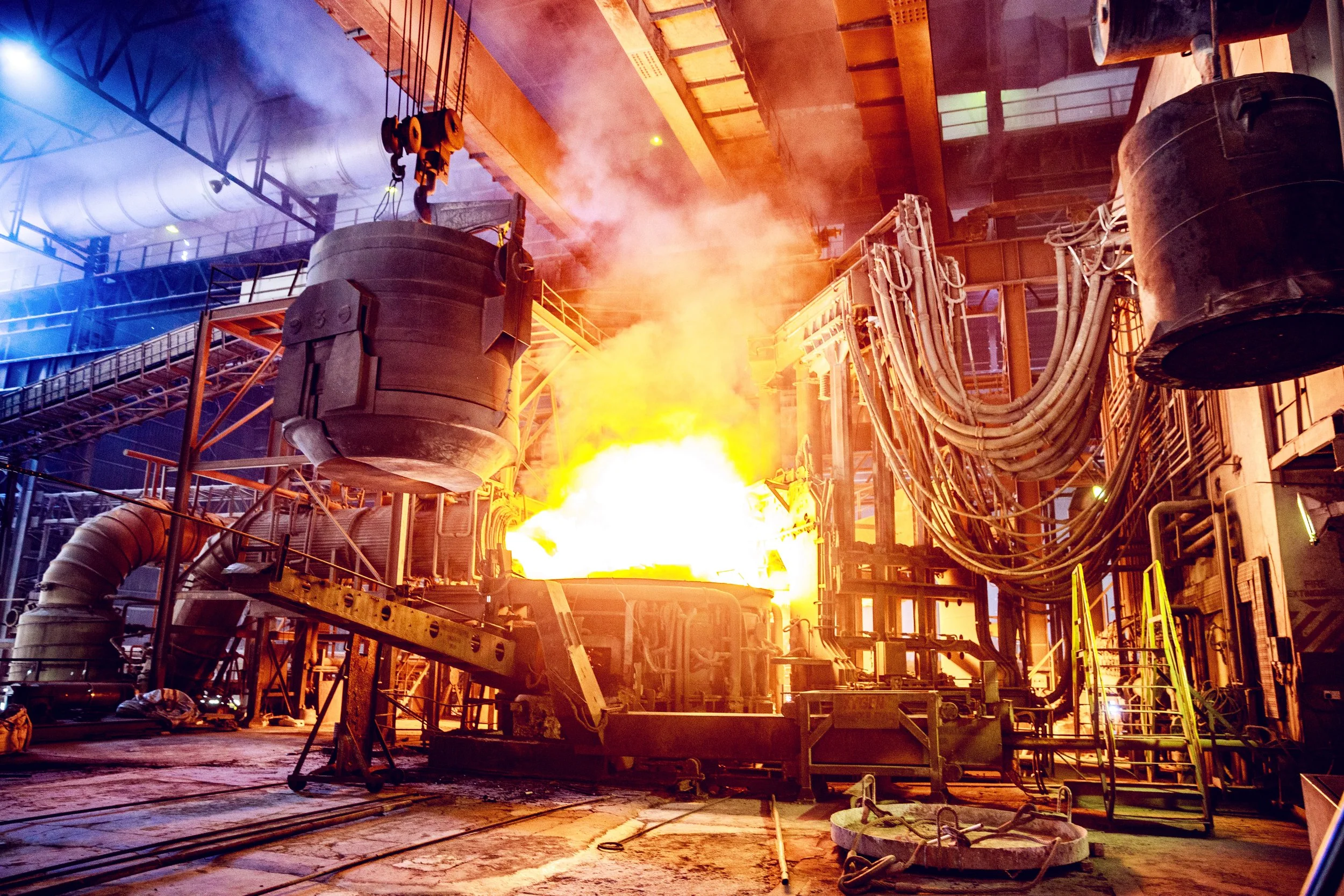
The oil age will not end because the world runs out of oil, but because oil reserves stop being worth pumping. The UAE has moved fast, not as just a knee-jerk reaction to the conflict in the region, but as a strategic divergence.
By Pietro Zecca
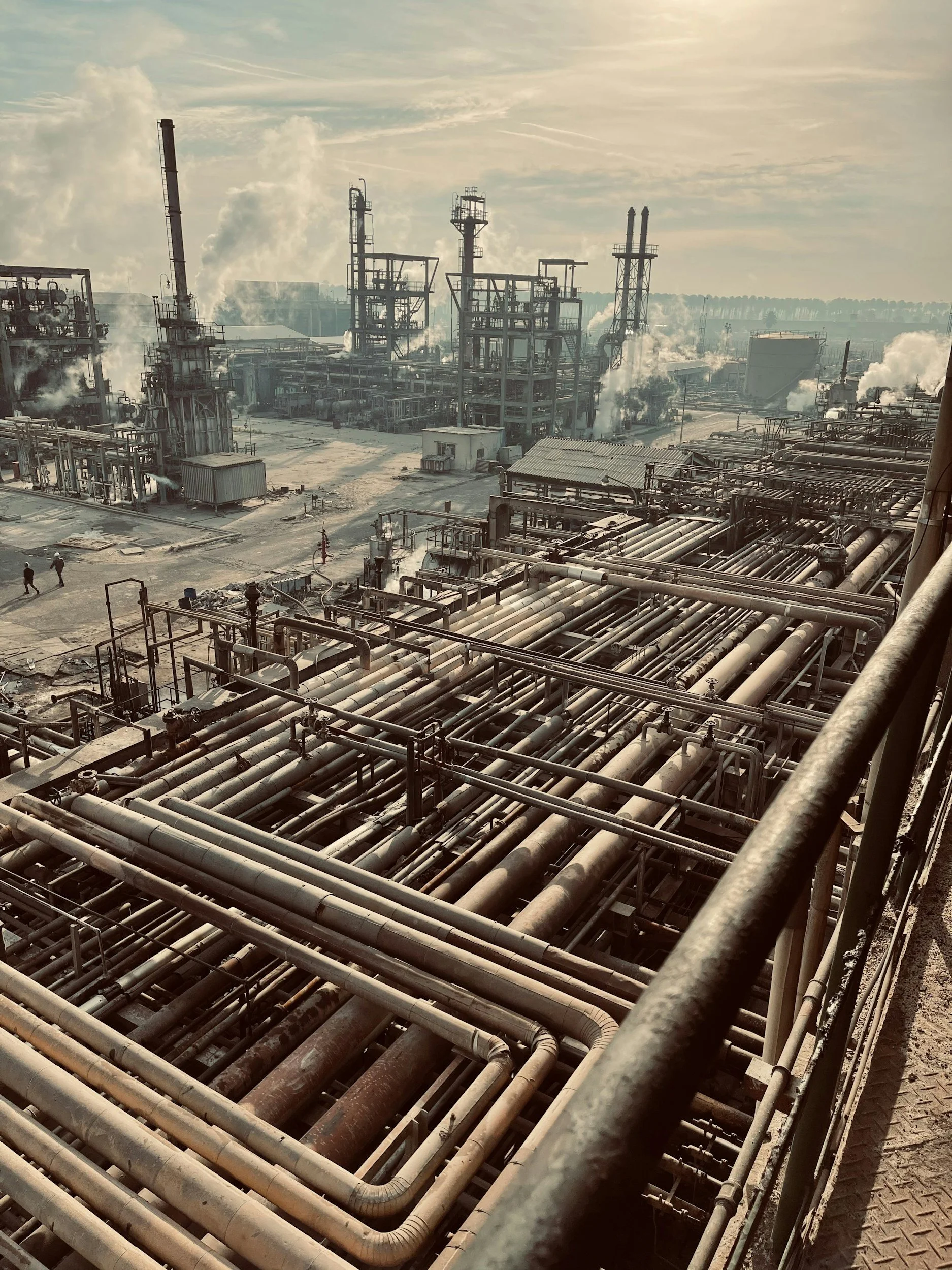
Pursued only through scattered pilot projects, industrial decarbonization stays fragmented and slow. Organized as clusters, it becomes more practical and politically durable, connecting climate finance to visible assets and bridging decarbonization with development.
Listen and learn on Around the World
Recent analysis & convenings

By Piyush Verma
Energy for Billions: India’s Turnaround and the World’s Future explores the energy choices that can help realize the ambition of Viksit Bharat — a developed India — and the lessons other economies might draw from India’s achievements and unfinished work.
By Piyush Verma
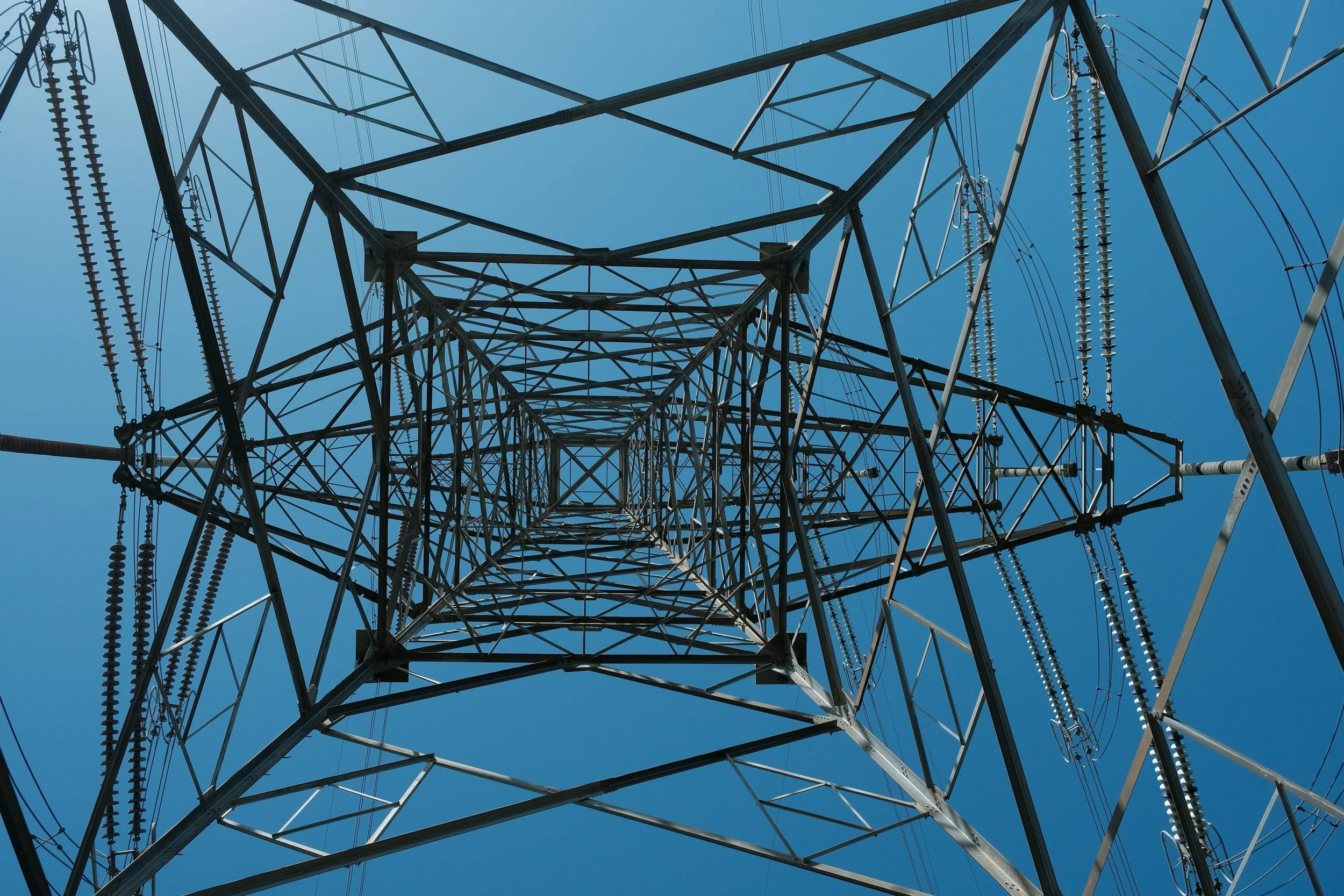
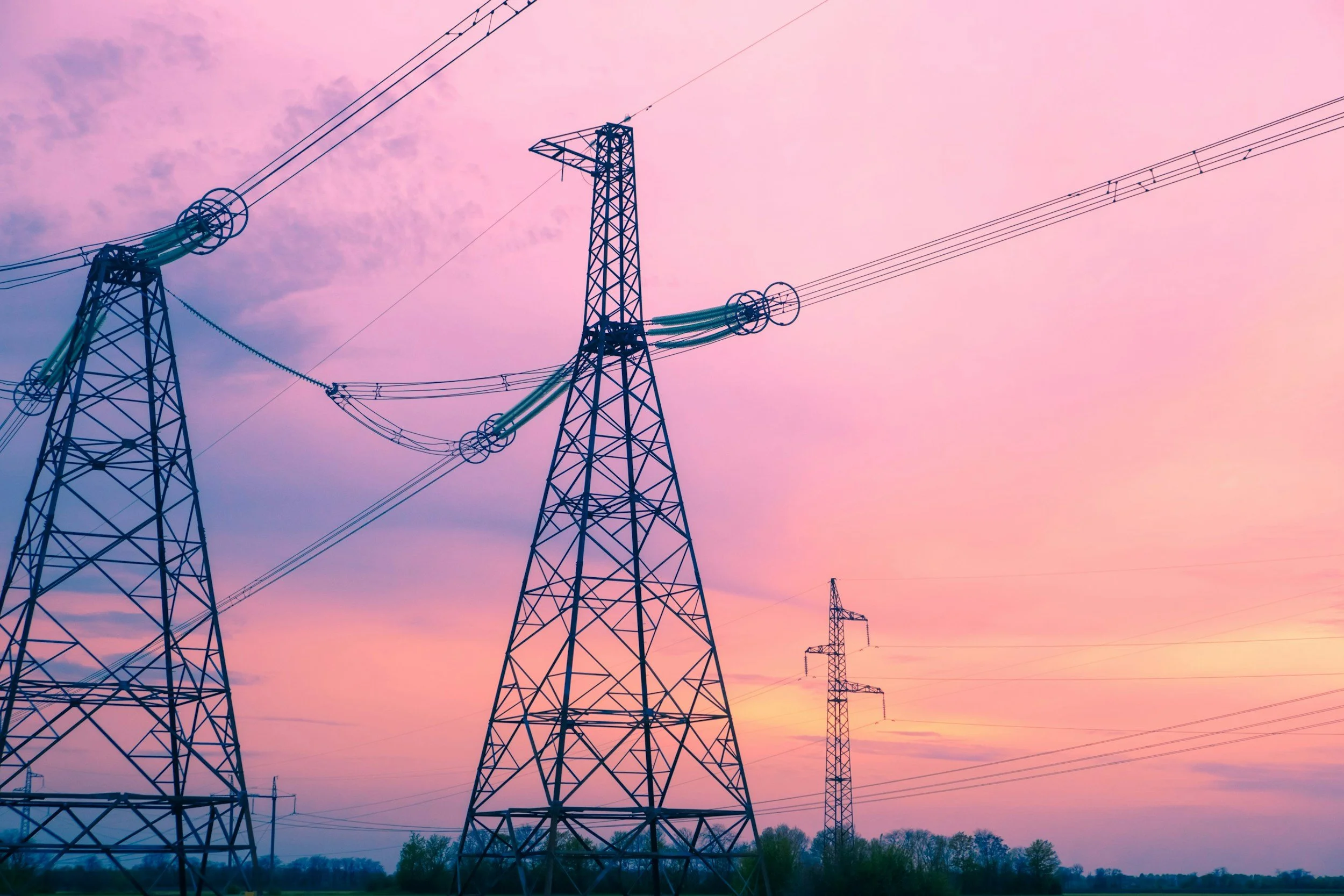
The grid is more than a machine for moving electrons. It is a shared system of costs, responsibilities and reliability. As AI campuses bring their own power, the question is not whether they are on or off the grid, but what they owe it when they still depend on it.
By Piyush Verma and Andrei Covatariu
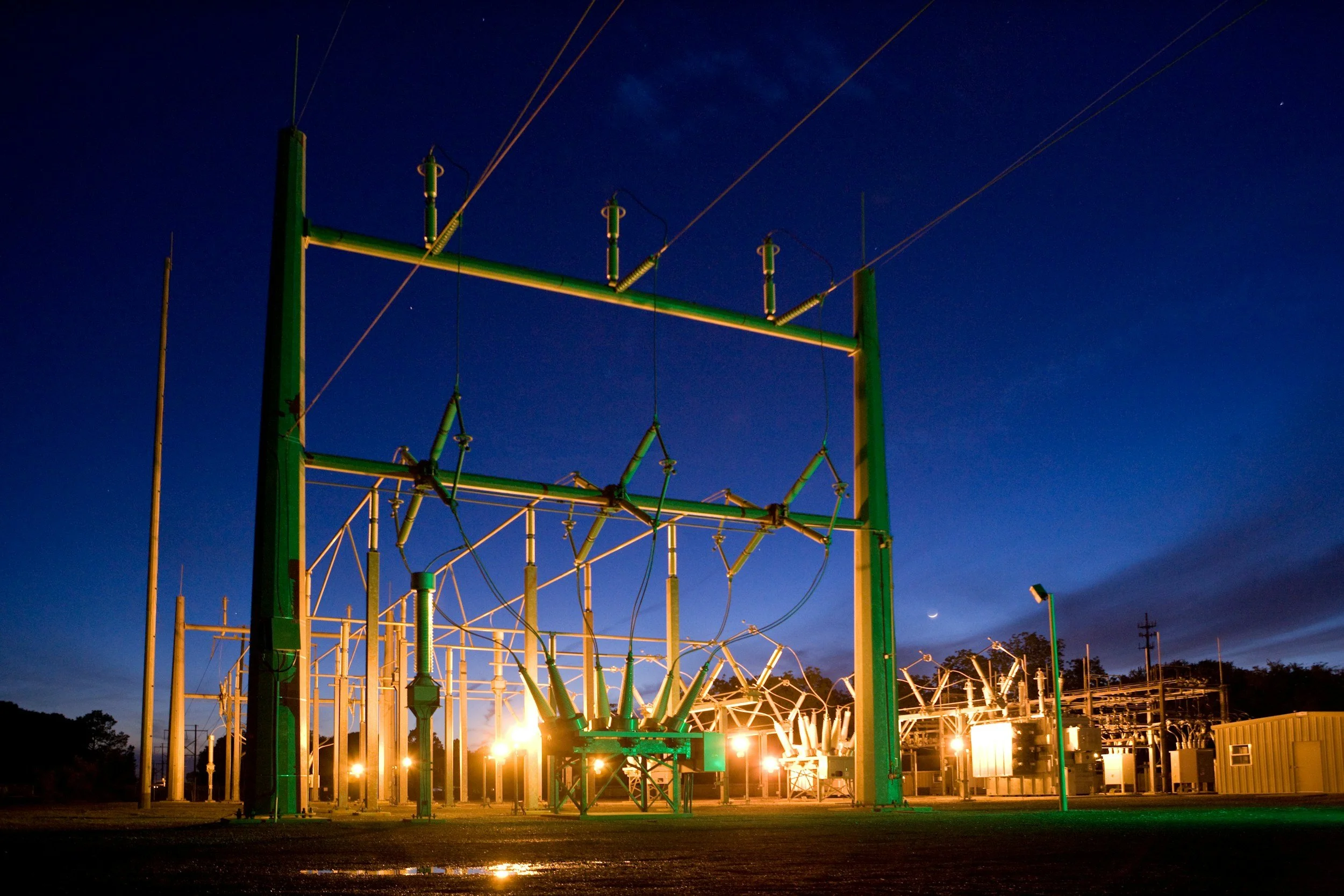
The COP31 presidency has proposed raising electricity’s share of global final energy demand, yet AI is largely missing from climate and energy planning. At COP31 in Antalya this November, that needs to change.
By Piyush Verma and Andrei Covatariu
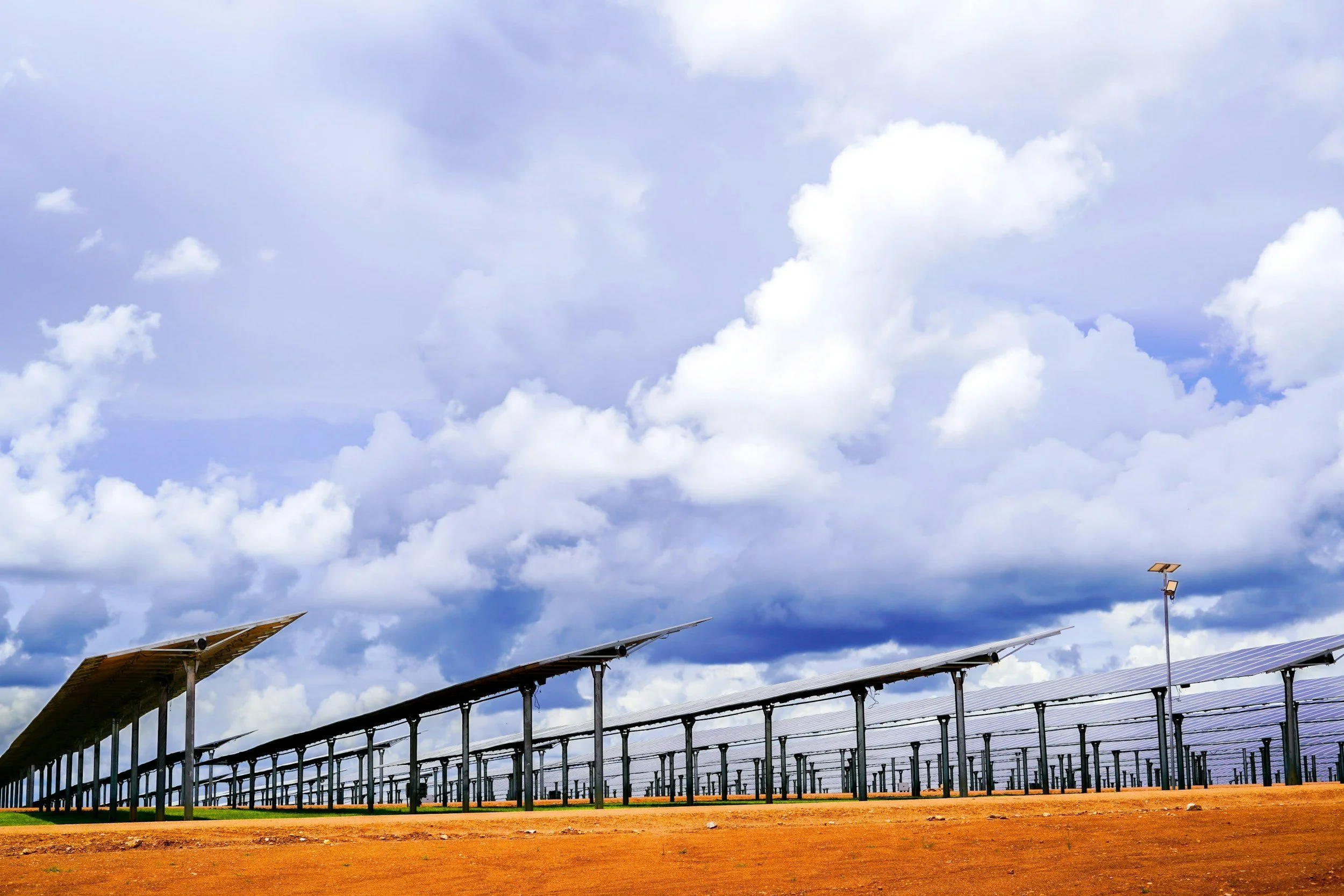
Much of the conversation in Geneva rightly focused on managing AI's growing energy demand. That work is essential, but it is only half the story. The larger opportunity lies in how AI can reduce energy use across industry, buildings, transport and power systems, while enabling greater integration of renewable energy.
By Piyush Verma
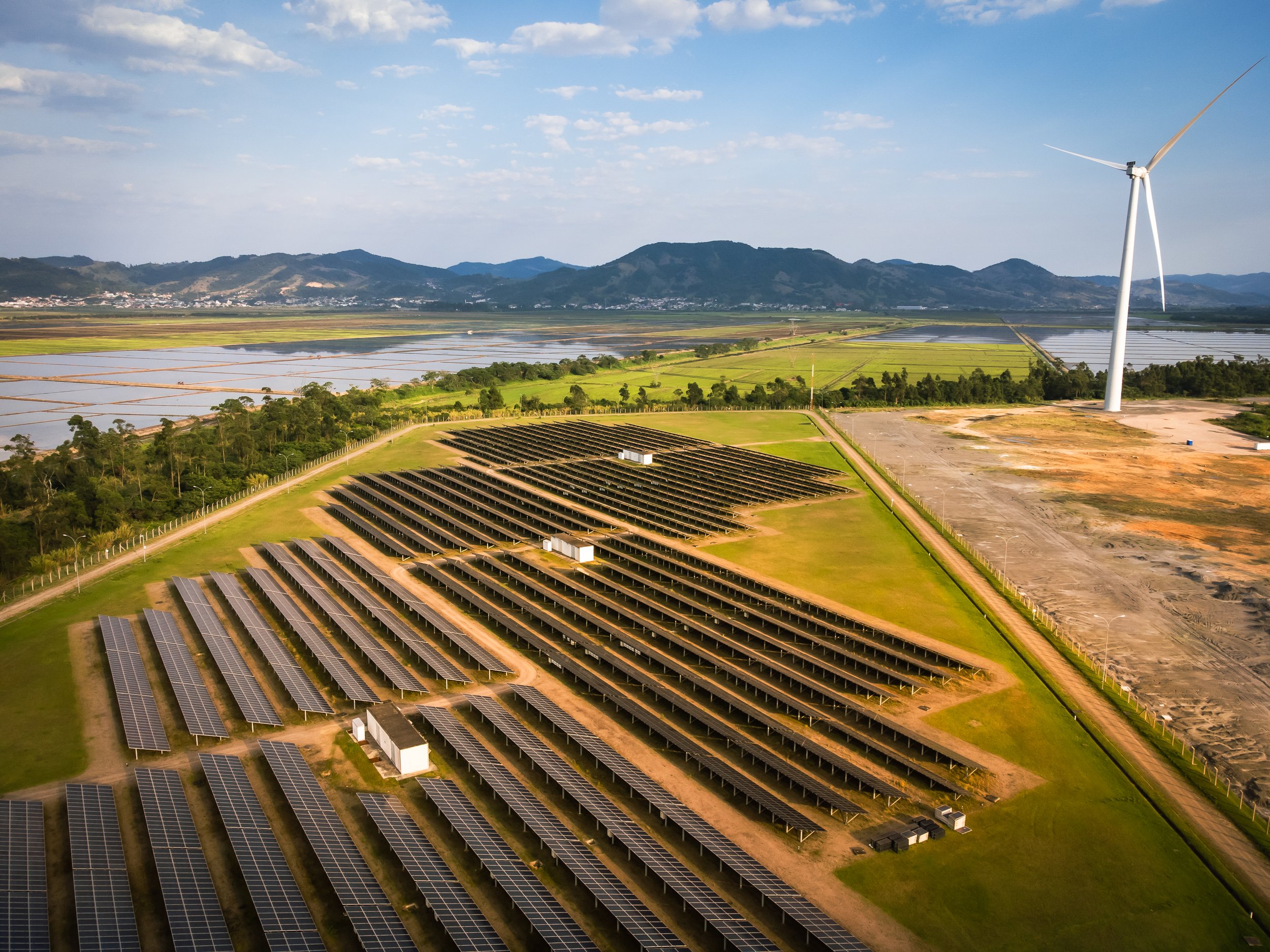
Energy need not be a constraint on India's AI ambitions. It can be a competitive advantage. Encouraging data-centre locations that reflect grid readiness and renewable availability can reduce system stress while improving reliability. Expanding frameworks for round-the-clock clean power supported by storage and flexible resources can ensure AI growth strengthens climate goals rather than complicates them.
Special Report No. 7
By Piyush Verma, Medha Prasanna, Caroline Arkalji, Erlijn Van Genuchten, and Siddharth Sharma
By Medha Prasanna
Without intentional strategies to strengthen energy infrastructure, the Global South will remain largely a consumer of AI technologies.
By Piyush Verma and Telmen Altanshagai
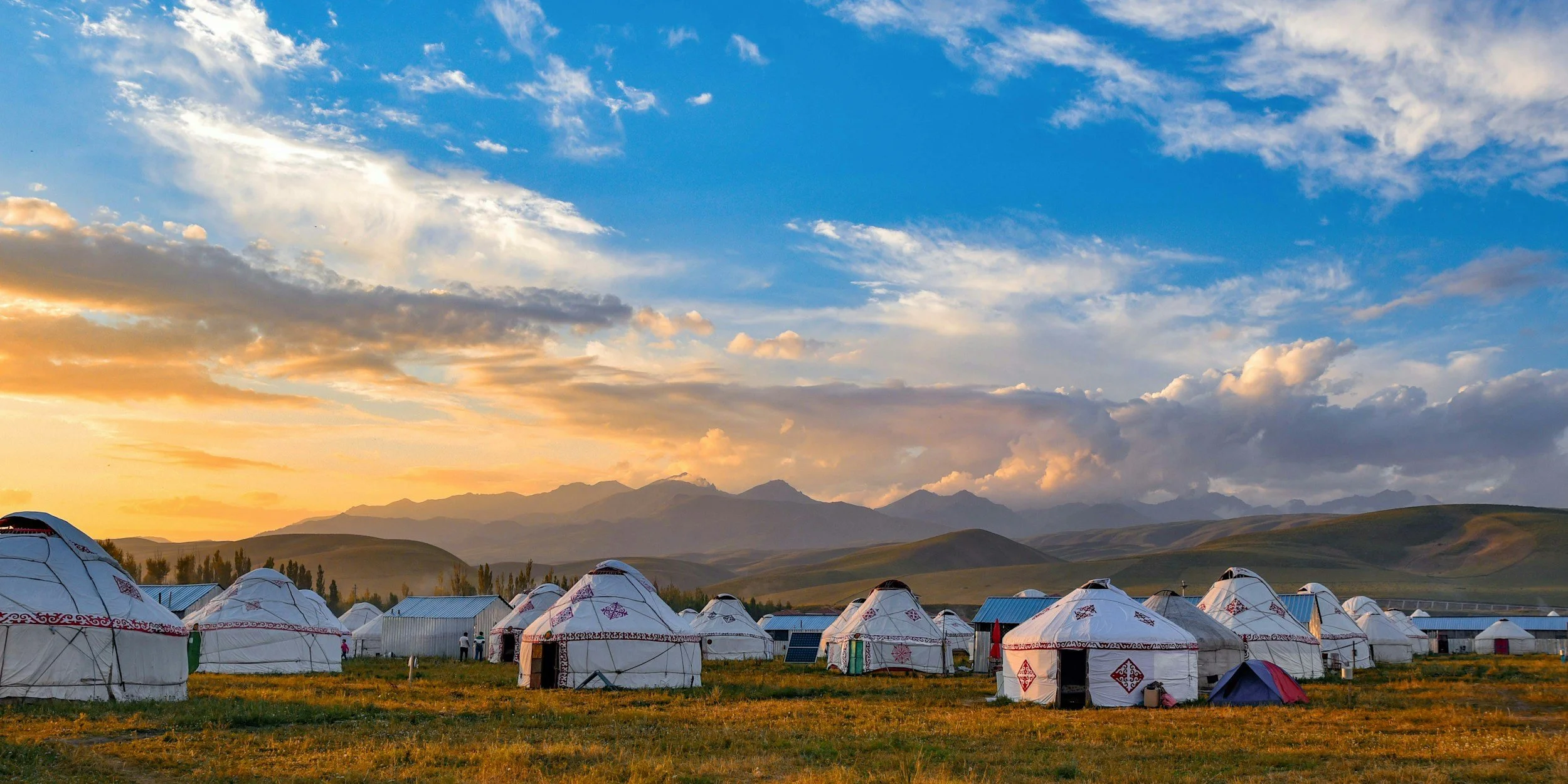
Mongolia is not just a customer or supplier—but a co-partner in building new regional supply-chains, new corridors and new resource-alliances. It speaks to a future where India is not simply plugged into global energy markets, but co-creating them.

By Piyush Verma and Abhinav Jindal
India’s bid to host COP 33 is a clear signal of geopolitical intent. It positions the world’s largest democracy, the most populous nation and the fourth-largest economy as a bridge between developed and developing worlds.

By Anit Mukherjee
With only two months left for the start of the leaders’ summit in Belém, the future of climate action seems to be based more on hope than conviction. A positive outcome from COP30 will require stronger commitment from the global community than what we have seen until now.
By Piyush Verma
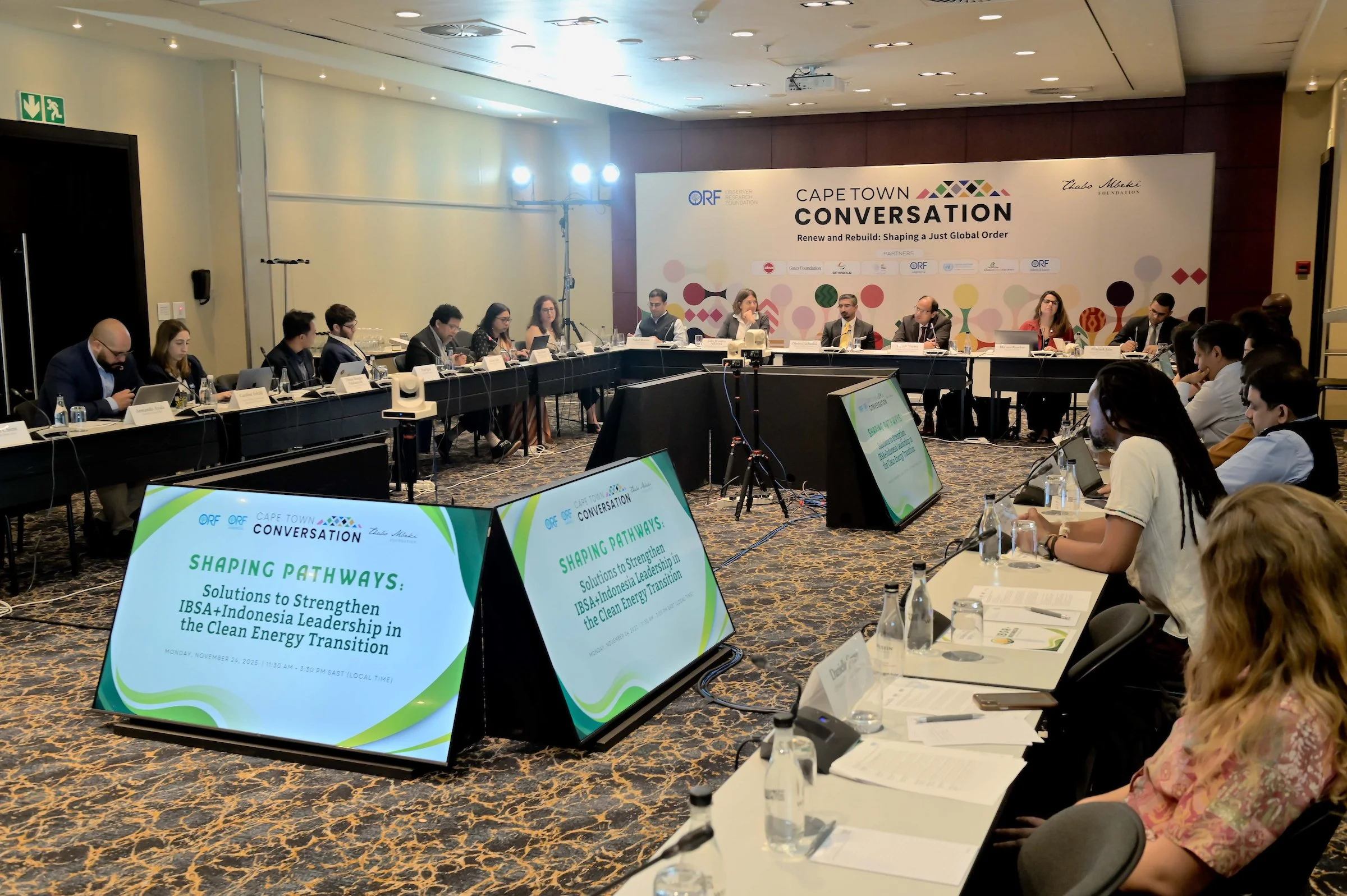
At a time when multilateralism is under significant stress and global climate finance remains skewed and inequitably distributed, IBSA+Indonesia offers a fresh model of geopolitical collaboration on energy and climate – anchored in shared values and driven by practical action.

By Sarah Salah
As the IAA continues to undergo amendments, its ultimate success will hinge on careful calibration. The EU will need to preserve channels for strategic foreign investment, especially in capital-intensive sectors where domestic capacity alone may fall short. If the Act is overly complex or restrictive, it risks deterring the very investment it seeks to shape.
By Vishal Manve
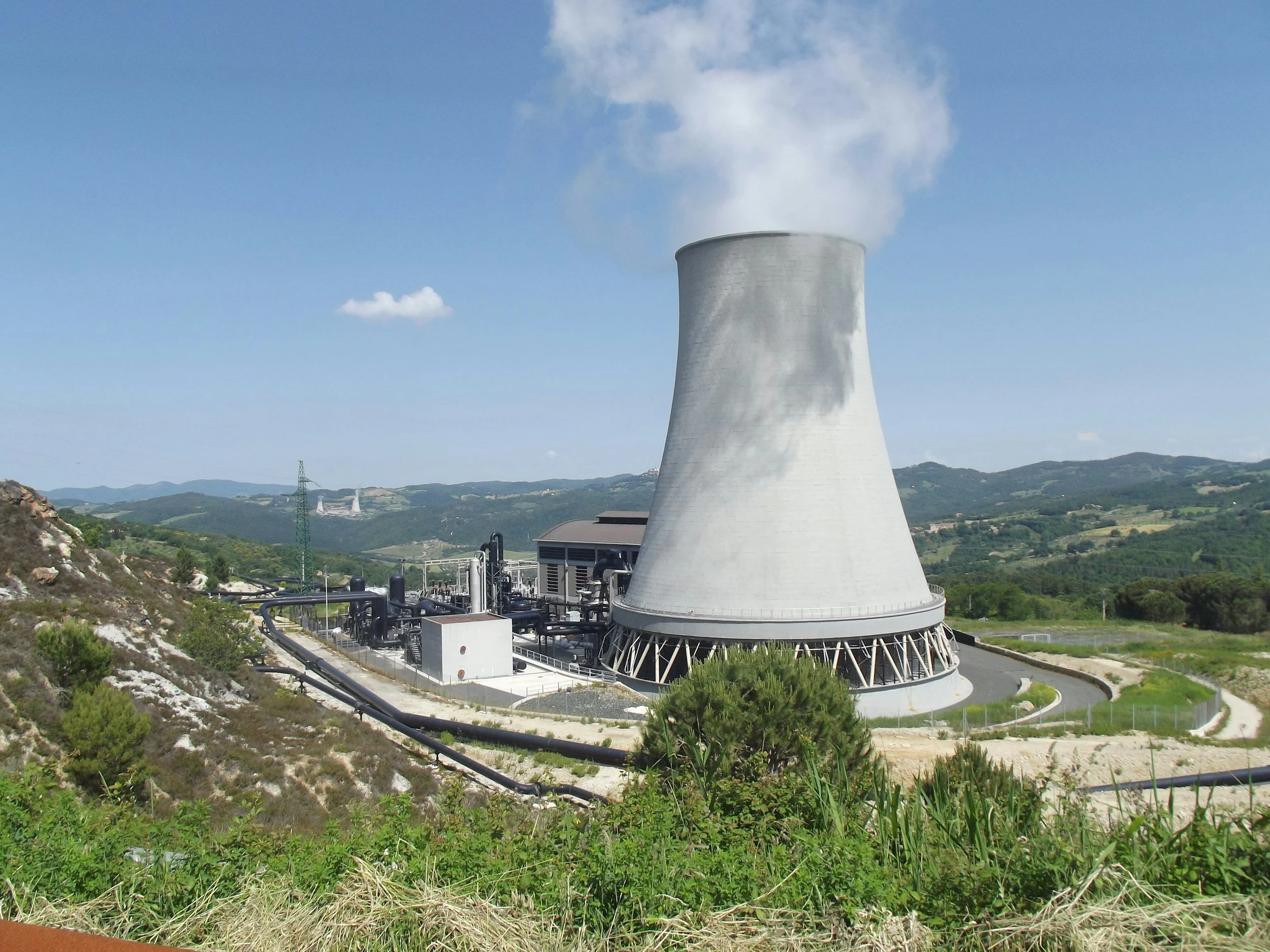
India’s nuclear future is increasingly unfolding along two parallel tracks, one rooted in indigenous strategic capability and the other in internationally integrated commercial innovation. For Washington, understanding and engaging both will be central to the next phase of U.S.–India civil nuclear cooperation.
By Dhruva Jaishankar and Piyush Verma
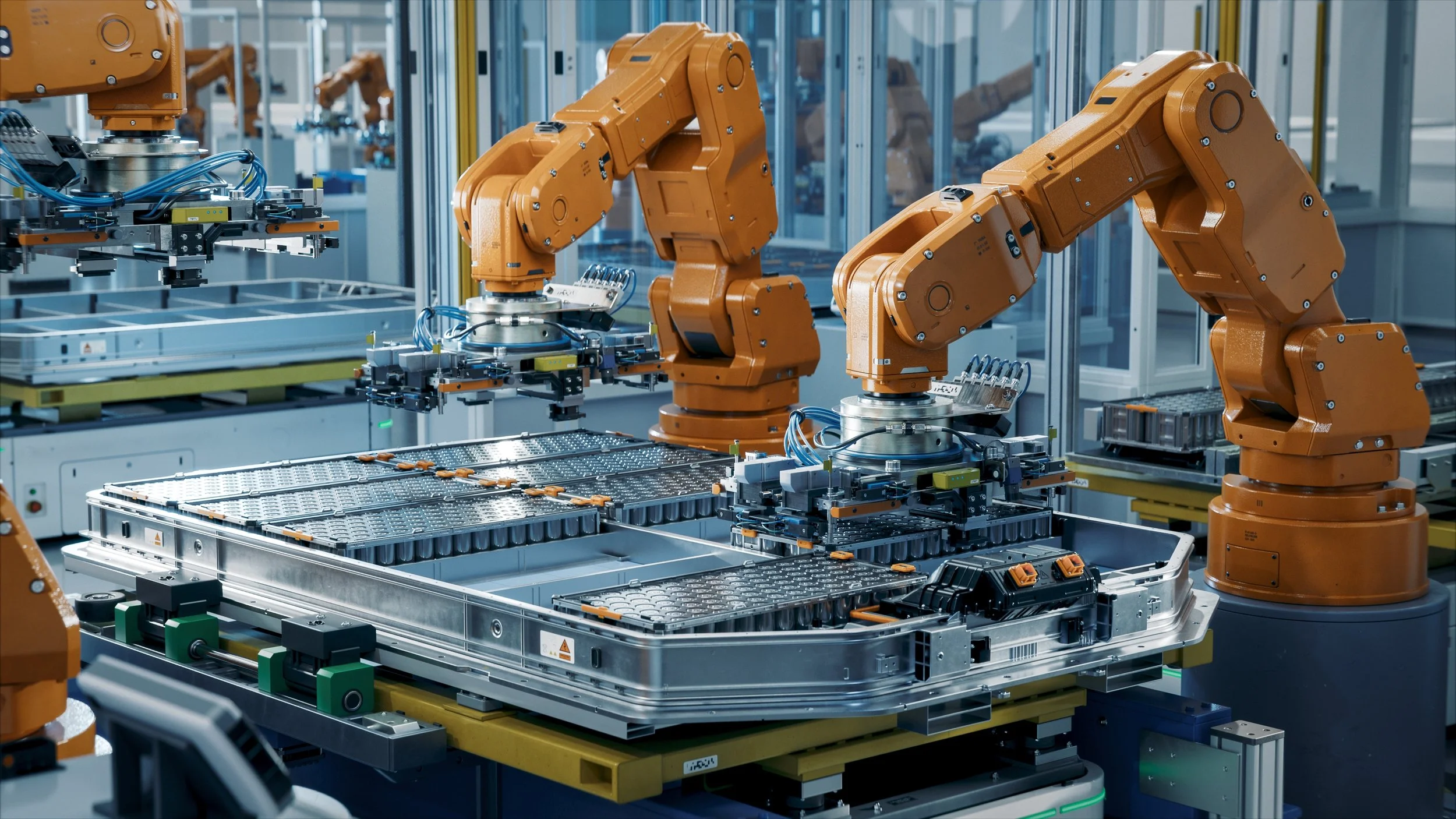
A CTIP could deliver relatively quick wins by supporting joint manufacturing, standards cooperation, and market access to meet Europe’s diversification needs, while deepening India’s role as a global clean energy manufacturing hub.
By Caroline Arkalji and Telmen Altanshagai
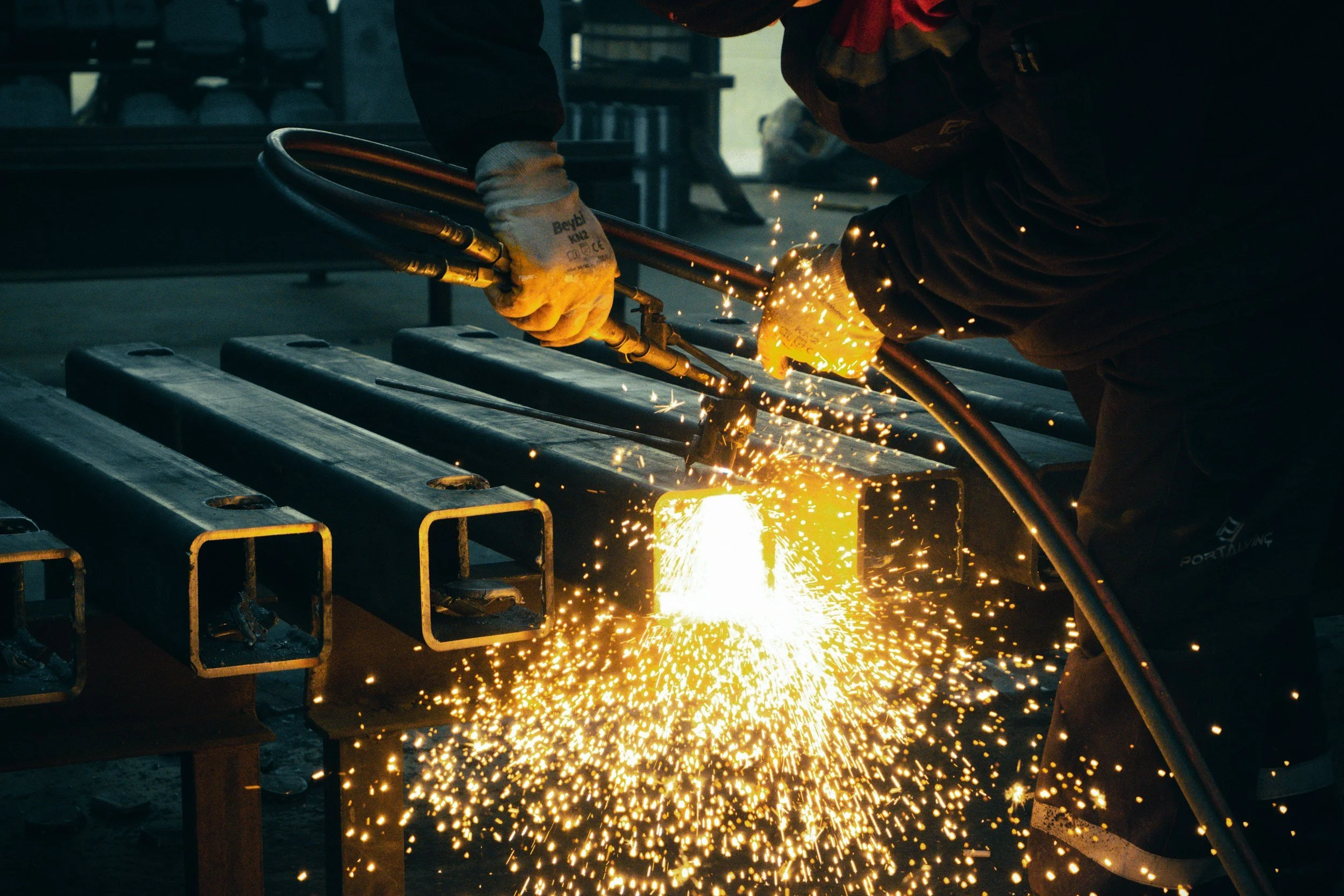
In the coming decades, green steel will shape whether heavy industry can remain both competitive and environmentally-aligned. The remaining question is whether policy frameworks, financing mechanisms, and workforce strategies can move at the same pace.
By Mannat Jaspal, Parul Bakshi, Cauvery Ganapathy, Lydia Powell, and Piyush Verma
As we enter 2026, climate and energy policies are being shaped not only by decarbonization imperatives. Geopolitical upheaval, technological competition, economic transformation, supply chain resilience, and national security concerns are exerting influence over the future of energy and climate policies worldwide.
By Piyush Verma
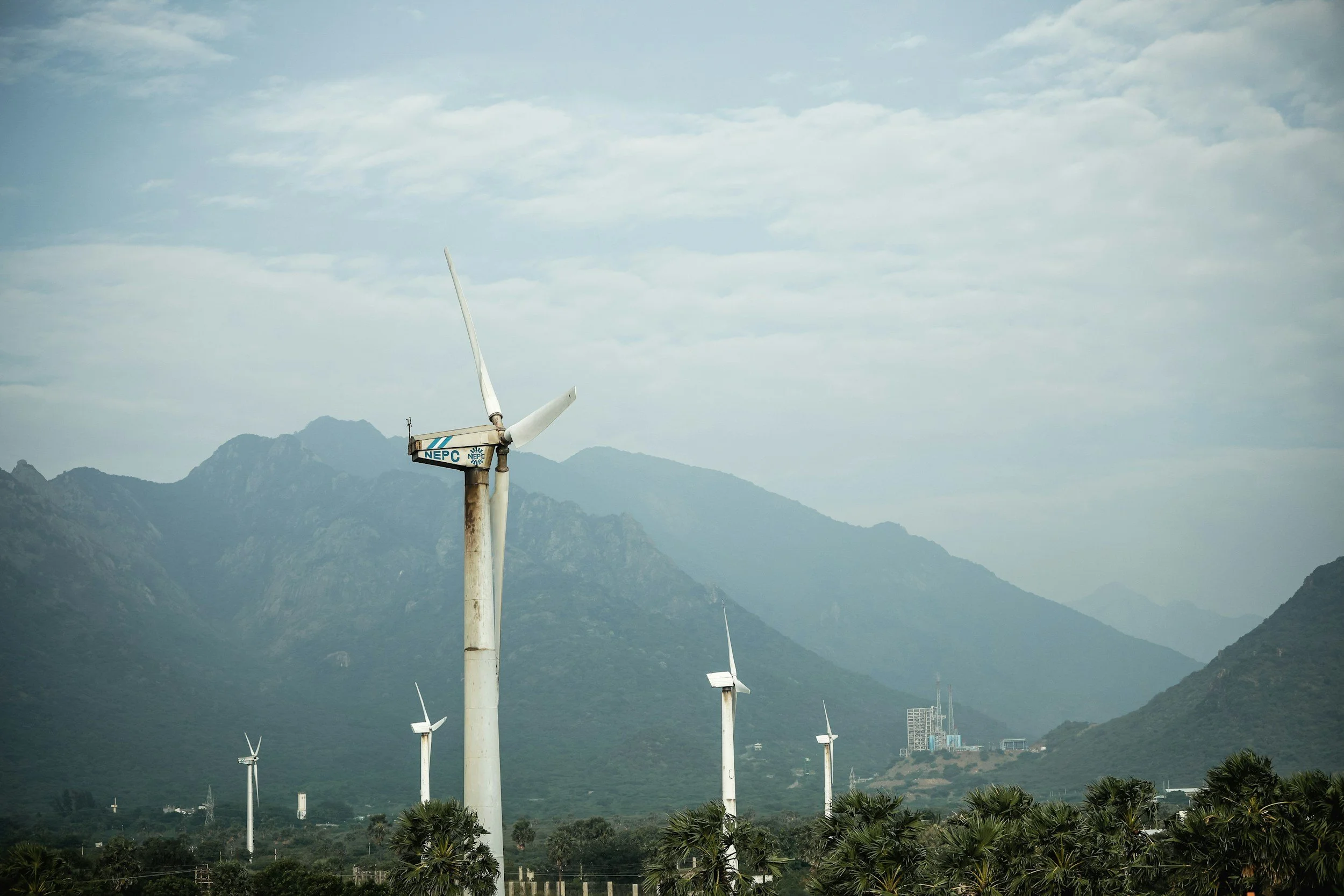
While challenges remain in terms of generation mix, grid integration, infrastructure resilience and storage capacity, India’s clean energy milestone sends a clear message: ambitious goals, backed by policy, innovation, and investment, can deliver real-world impact.