



The asset side of African debt is the missing variable

The asset side of African debt is the missing variable

By Udaibir Das

Africa’s debt story is usually told as a liability problem: too much debt, the wrong currency, the wrong creditor, the wrong maturity. Those issues matter. But long-run sustainability is a balance-sheet question: is borrowing being converted into assets that raise the repayment base?


Taiwan and India’s Submarine Production — Opportunities for Collaboration

Taiwan and India’s Submarine Production — Opportunities for Collaboration

By Benjamin Tkach and Vasabjit Banerjee

While India-Taiwan collaboration on submarine technology would represent a step change from pre-existing economic cooperation, improving domestic production capacity necessitates pursuing mutual gains wherever possible.

Why AI Is Also A Story About Energy

Why AI Is Also A Story About Energy

By Piyush Verma

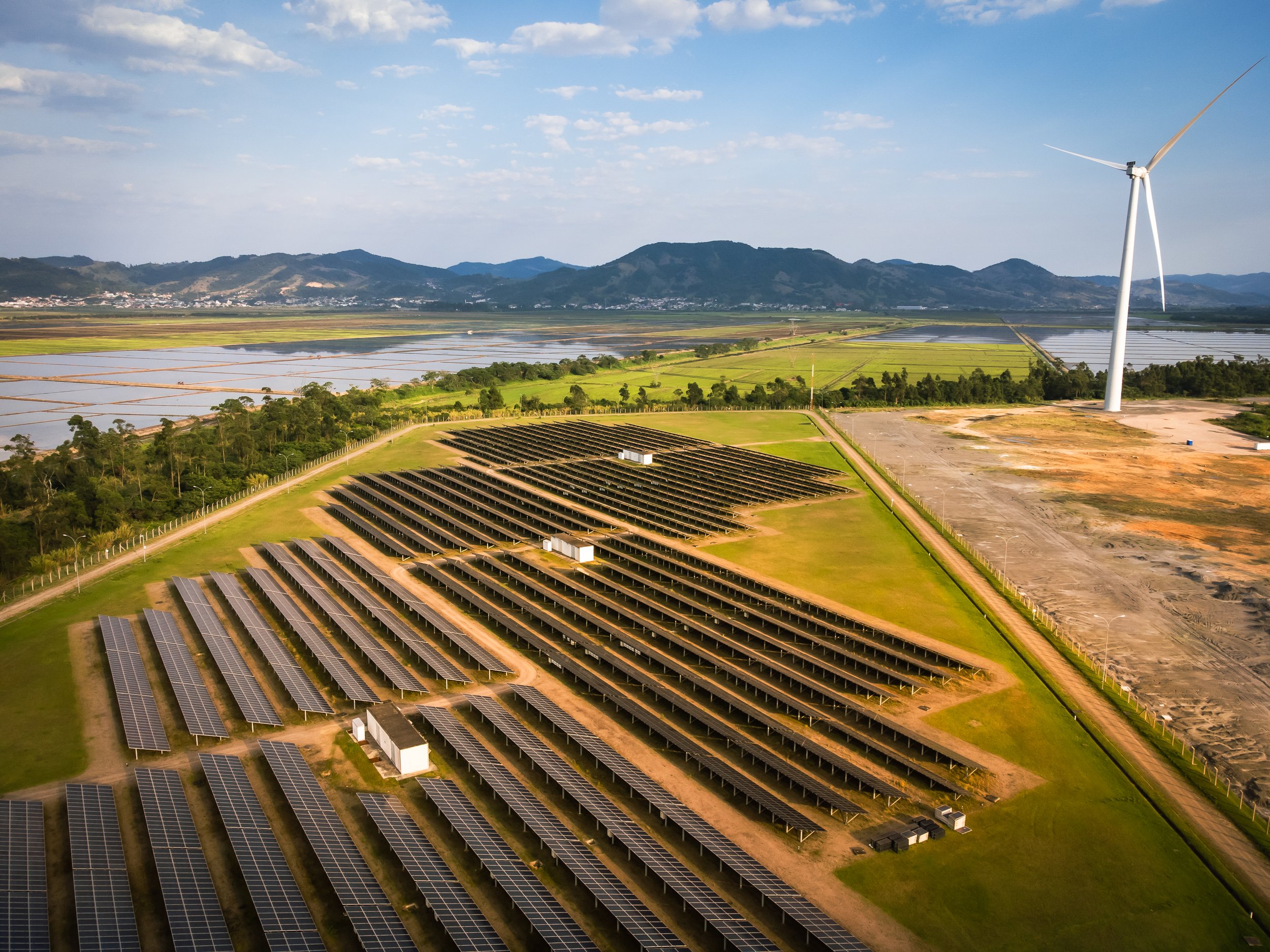
Energy need not be a constraint on India's AI ambitions. It can be a competitive advantage. Encouraging data-centre locations that reflect grid readiness and renewable availability can reduce system stress while improving reliability. Expanding frameworks for round-the-clock clean power supported by storage and flexible resources can ensure AI growth strengthens climate goals rather than complicates them.

How do experts view the New Zealand-India FTA?

How do experts view the New Zealand-India FTA?

By Dhruva Jaishankar

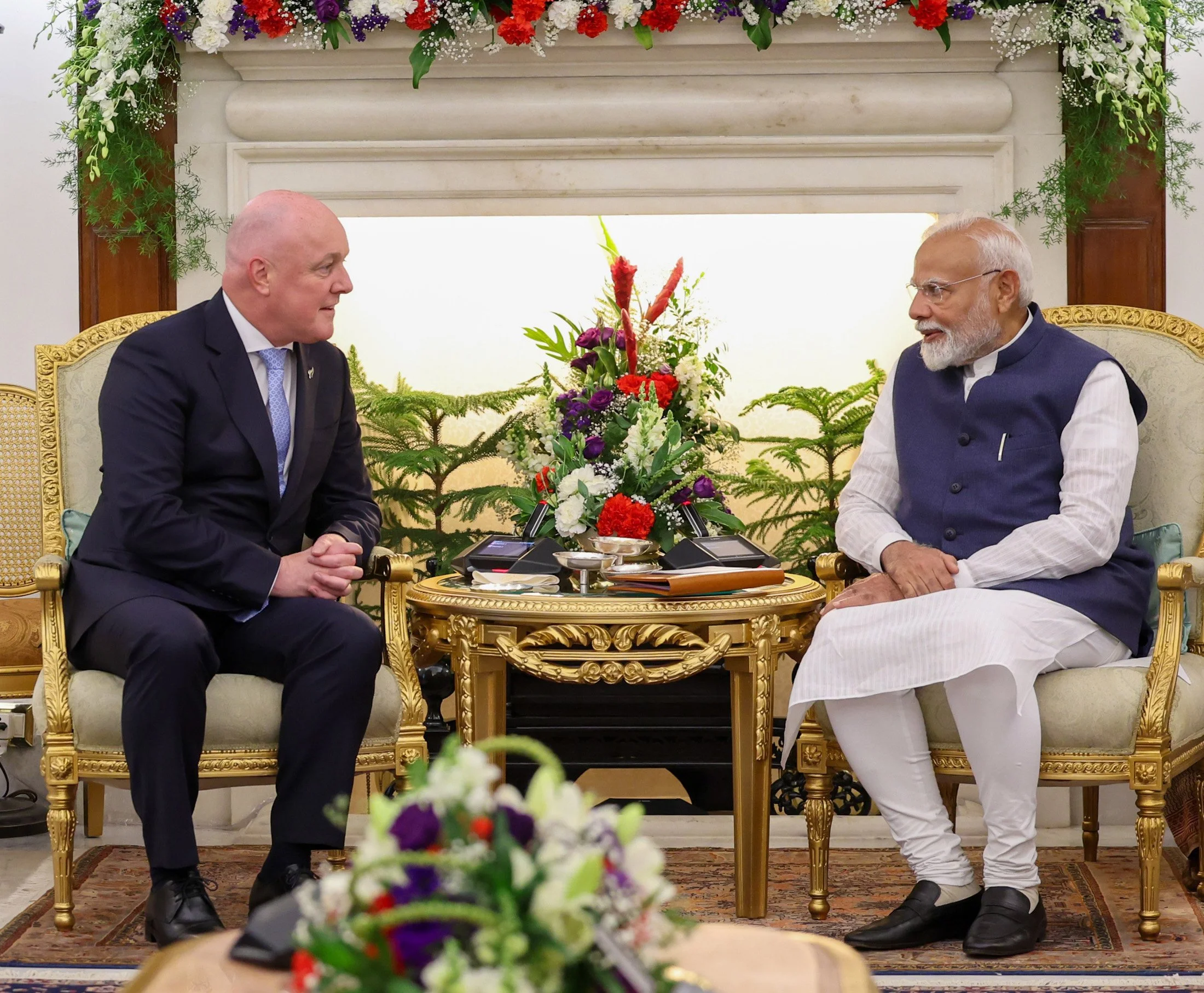
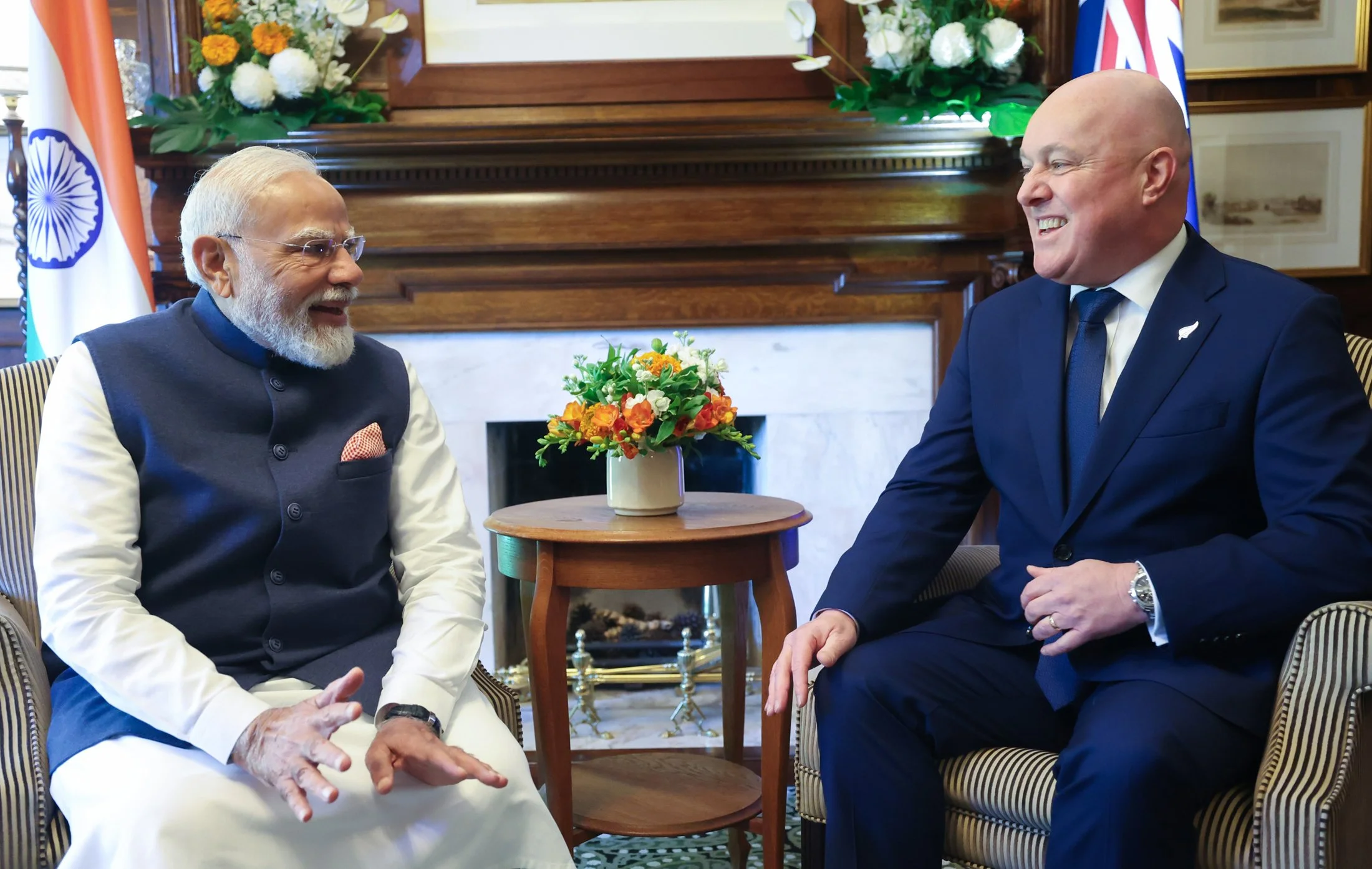
For both India and New Zealand, their trade agreement represents, more than anything else, a risk mitigation strategy. Concerned about over-dependence on China and the United States as both producers and consumers — and the failure of multilateral trade negotiations at the World Trade Organization — New Delhi and Wellington have opted to bet on each other and bring a modicum of certainty to an uncertain world.

India–Africa Economic Diplomacy: From Money Flows to Sustainable Balance-Sheet Resilience

India–Africa Economic Diplomacy: From Money Flows to Sustainable Balance-Sheet Resilience

By Udaibir Das

The current metrics of India–Africa economic diplomacy focused on mobilization volume, systematically fail along the diplomatic-financial chain. An integrated balance-sheet framework could realign these incentives through institutional capacity thresholds, end-use governance, and countercyclical safeguards, transforming diplomatic finance from a source of vulnerability into genuine development capital.

What the Budget really builds

What the Budget really builds

By Udaibir Das

For the first time in years, the Budget addresses not just who issues debt but also whether it actually trades afterwards. A new market-making framework for corporate bonds, accompanied by instruments that let investors take positions on bond performance without holding the bonds, marks a departure from India's longstanding focus on issuance while ignoring liquidity.

Outlook 2026: Emerging markets will need a new playbook

Outlook 2026: Emerging markets will need a new playbook

By Udaibir Das

Global financial institutions continue to frame the 2026 outlook for emerging markets through a familiar cyclical lens. The consensus assumes U.S. monetary easing, a softer dollar and a modest global slowdown will favor local-currency assets, credible disinflation paths and balance-sheet repair. This narrative is historically grounded and internally coherent. It is also increasingly insufficient.

Digital Payments and Women’s Empowerment: Insights from PESP in the Chittagong Hill Tracts

Digital Payments and Women’s Empowerment: Insights from PESP in the Chittagong Hill Tracts

By Brian Webster, Alan Gelb, and Anit Mukherjee

Shifting the payment of social transfers from cash to direct deposit via bank or mobile money accounts can directly improve efficiency for governments and convenience for beneficiaries. It may also produce positive spillovers such as boosting financial inclusion and empowering women. But do these spillovers materialize, and under what circumstances?

Trevor Manuel report: Africa’s post-G20 Bretton Woods moment?

Trevor Manuel report: Africa’s post-G20 Bretton Woods moment?

By Udaibir Das

The Trevor Manuel G20 Africa Expert Panel Report reframes Africa’s constraints as a single system of mispricing, debt compression and governance asymmetry. Its proposals for refinancing, collective bargaining and International Monetary Fund quota reform mark the first coordinated attempt to shift power within the international financial architecture.

Africa’s Ubuntu economics takes the G20 stage

Africa’s Ubuntu economics takes the G20 stage

By Udaibir Das

Ubuntu economics does not invoke moral claims. It advances a structural argument: Africa’s demographic momentum, mineral endowments and ecological assets are central to global prosperity, and instability in the region imposes system-wide costs. The reform frameworks are now primarily in place. The question is whether the political and institutional conditions of 2026 permit their implementation.

India and Mongolia Forge a New Energy Axis

India and Mongolia Forge a New Energy Axis

By Piyush Verma and Telmen Altanshagai

Mongolia is not just a customer or supplier—but a co-partner in building new regional supply-chains, new corridors and new resource-alliances. It speaks to a future where India is not simply plugged into global energy markets, but co-creating them.

How ‘resilience’ became global finance’s mirage of strength

How ‘resilience’ became global finance’s mirage of strength

By Udaibir Das

While stability prevails in institutional titles, resilience prevails in policy content. This shift influences the oversight and allocation of approximately $470tn in global financial assets. This has structural implications and affects public accountability.