
By Kabir Taneja
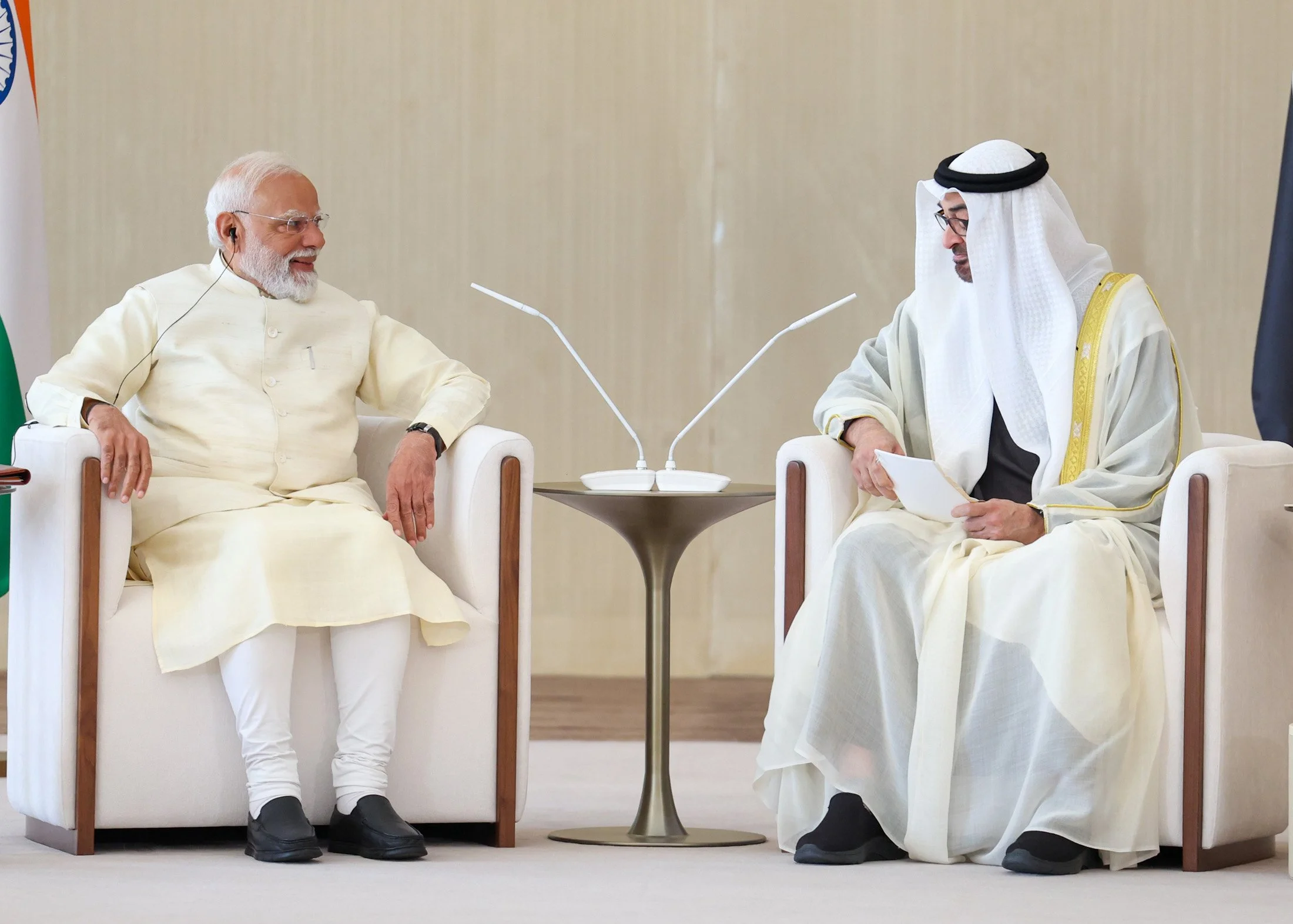
As the global appetite for risk increases drastically, strong bilateral relations such as India and the UAE will need even stronger guardrails to future-proof themselves.

By Pietro Zecca
Pursued only through scattered pilot projects, industrial decarbonization stays fragmented and slow. Organized as clusters, it becomes more practical and politically durable, connecting climate finance to visible assets and bridging decarbonization with development.
By Uma Vatsa and Shailesh Mishra
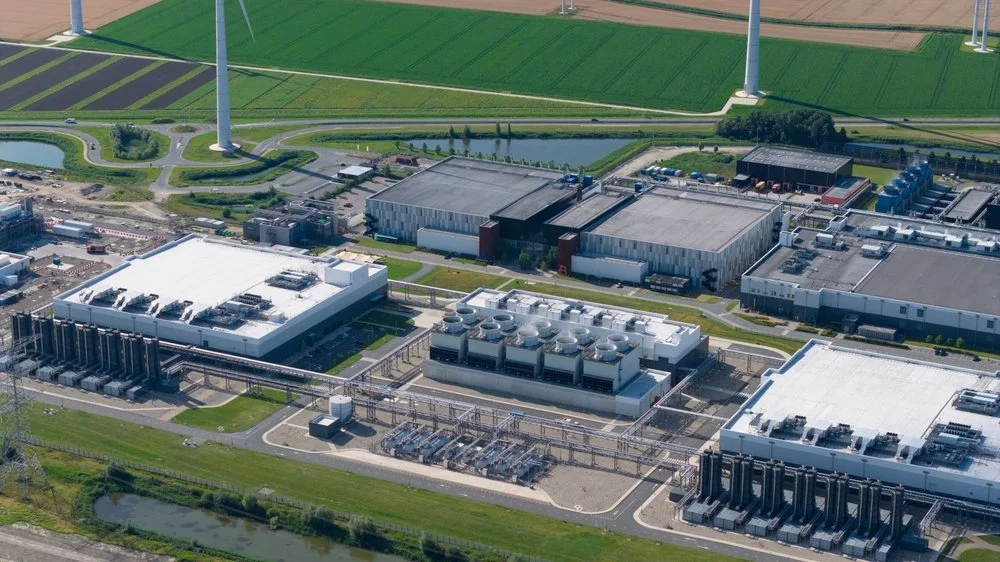
The AI industry is making large, long-lived bets on future demand, even as the technology itself is becoming more efficient. If AI systems become cheaper to run, more efficient to train, or less dependent on massively centralized compute, some of today’s infrastructure may prove oversized, poorly located, or economically fragile.
By Anit Mukherjee
As crude oil prices moderate and energy supplies become more predictable, India has an opportunity to address three key challenges.
By Ashita Jain
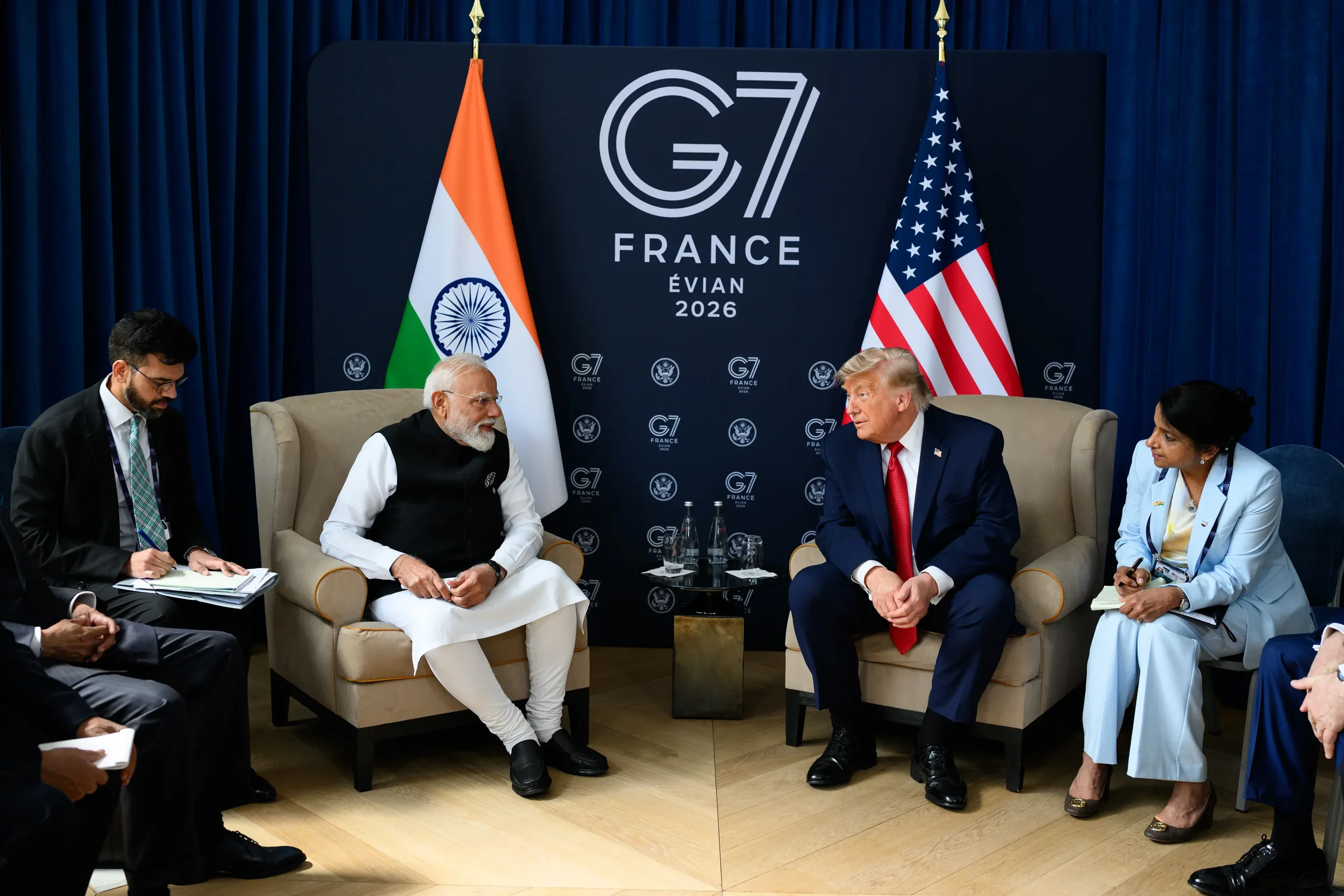
The proposed India-U.S. trade deal discussions are distinct from traditional FTA negotiations, for they resemble a strategic economic partnership being negotiated under tariff pressure and in pursuit of an increasingly elusive sense of predictability for Indian exporters.
By Andre Nicola
Unlike previous elections where the primary concern was social media manipulation, 2026 will test how Brazil, and other large democracies, respond to this new generative AI challenge. The question is no longer whether AI will shape elections. It is whether governments will build the right safeguards before, rather than after, elections can be manipulated.
By Ammar Nainar
The Iran War has already had a severe impact on the United States’ arms and ammunition inventory. The new demands for arms and munitions come just as India has begun to improve its domestic weapons manufacturing and promote defense exports. In the coming years, this offers opportunities for India and the United States to cooperate in defense manufacturing at scale.
By Anit Mukherjee
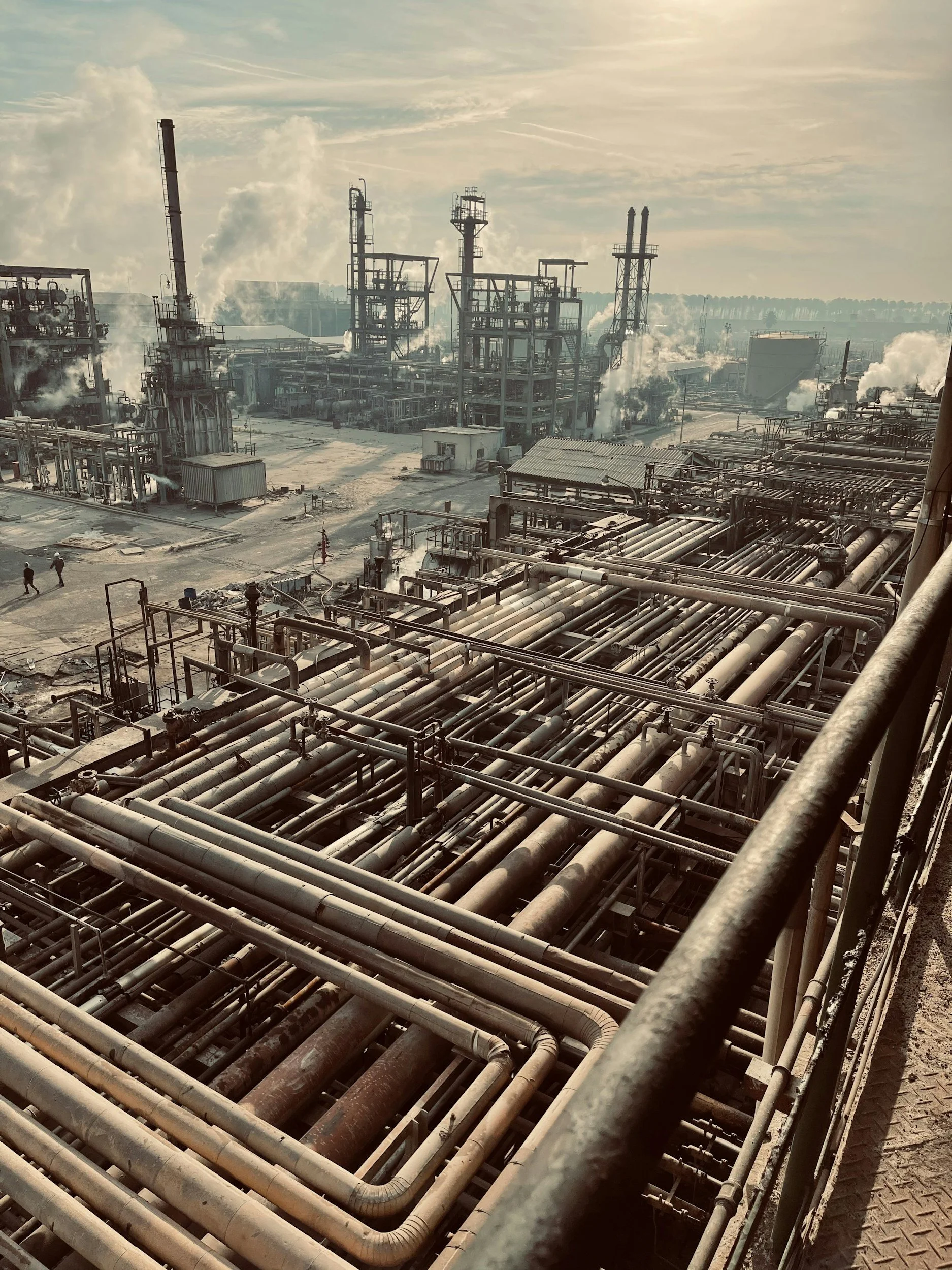
The current crisis in the Middle East has demonstrated that ensuring energy security will remain a challenge for policymakers in the foreseeable future, especially for countries like India. At the same time, the current disruption provides an opportunity to initiate and build on energy sector reforms to make sure that countries are better prepared to deal with such shocks in the future.
By Siddharth Yadav and Khush Advani
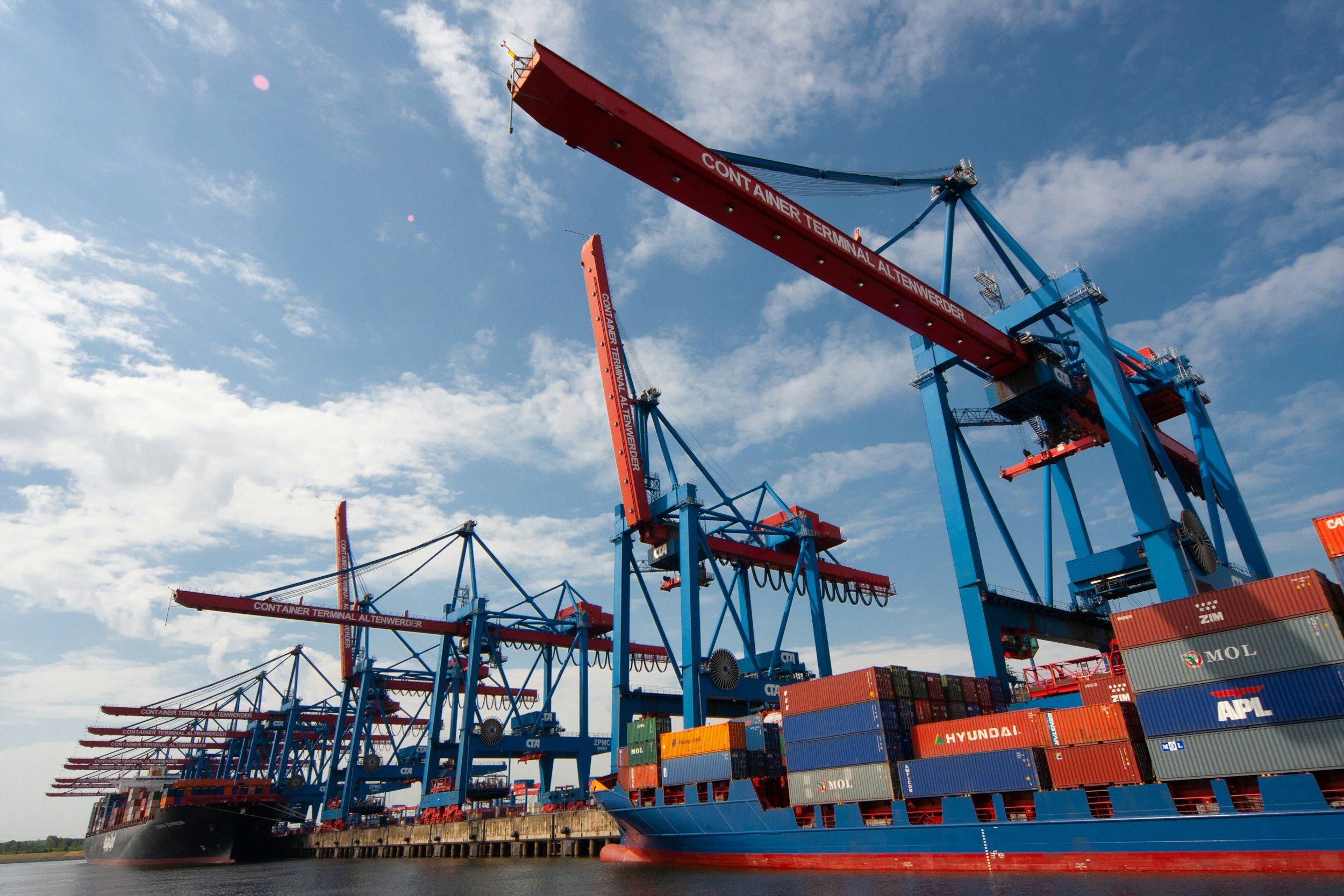
As AI reshapes economies, militaries, and societies, the nations that control the hardware pipeline will shape the rules of the emerging order. At present, that pipeline runs through a single bottleneck in Veldhoven, Netherlands. For middle powers, the choice is to either accept permanent dependency on a supply chain governed by the strategic priorities of others, or invest collectively in an alternative.
By Jeffrey D. Bean
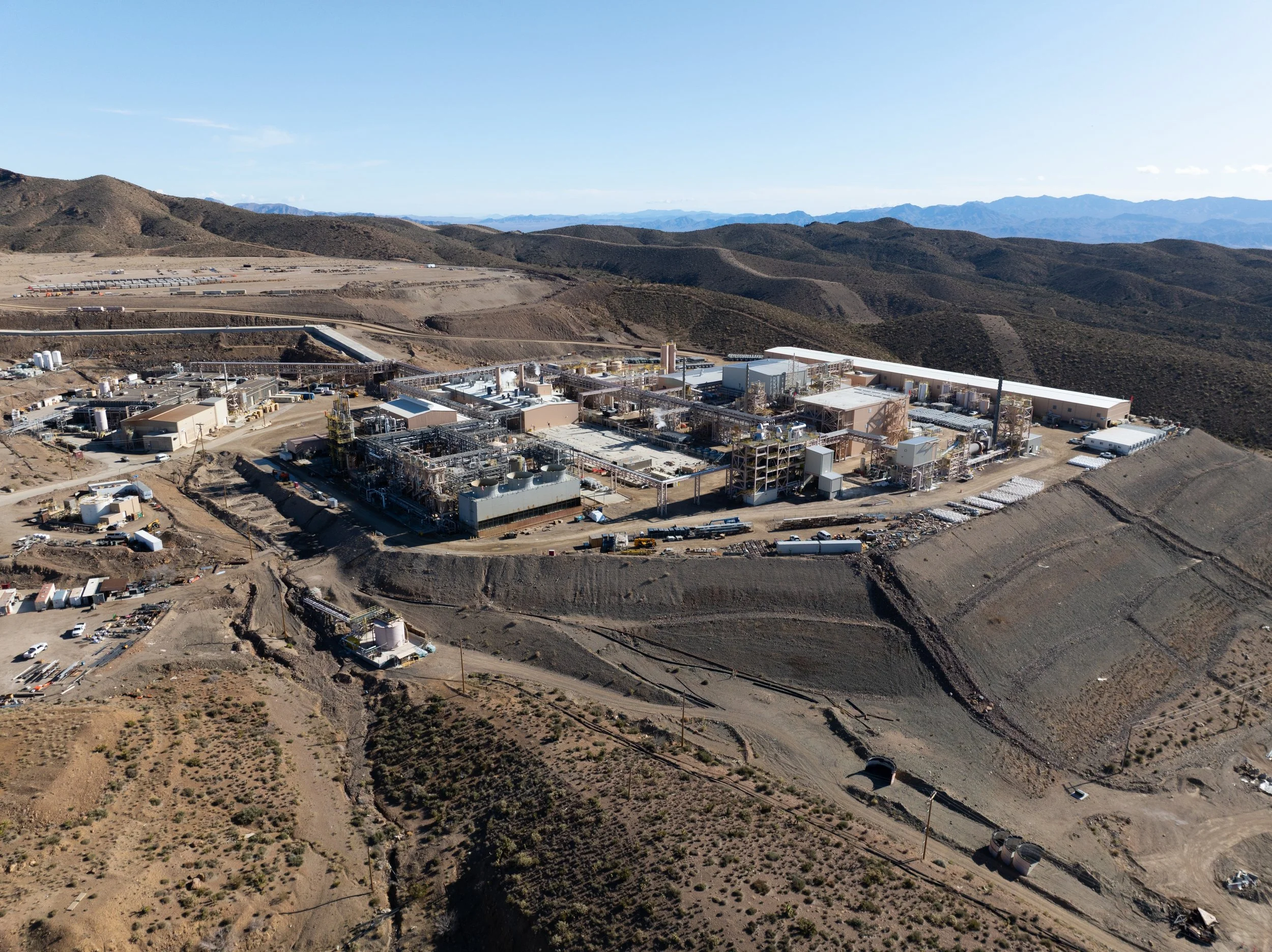
If the U.S. government can facilitate practical, targeted bilateral engagements for mining and processing under the banner of Pax Silica and FORGE, these could support derisking semiconductor, AI, and critical mineral supply chains provided key Global South actors are engaged effectively and equitably.
By Mahdi Ghuloom and Cauvery Ganapathy
What is noteworthy is that the UAE and Bahrain, two countries which have consistently advocated for a diplomatic resolution to the dispute, have now been forced to pivot towards seeking a more proactive approach aimed at securing the Strait under a UN-supported coalition.
By Arnold Musungu, Leigh Mante, and Reem Sagahyroon
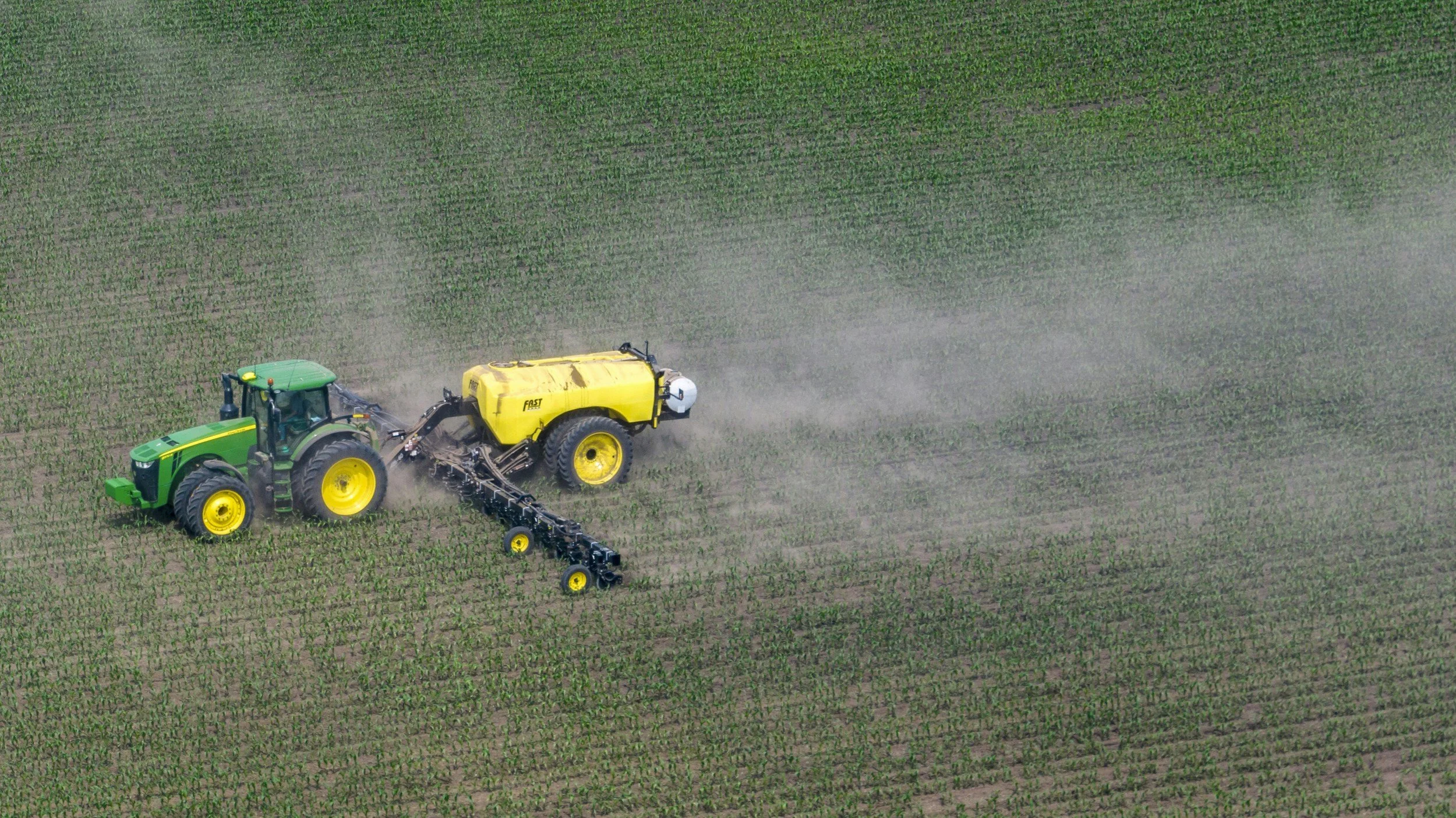
The ensuing crisis in the Middle East is intensifying food and water insecurity, climate systems, and agricultural production. The Climate and Energy program from ORF Middle East provides concise analysis of these impacts and reflections on potential pathways forward.
By Manish Thakre
As local governments increasingly rely on private vendors, building institutional capacity is essential to ensure AI technologies serve the public interest. Decisions about what AI systems to buy, and under what conditions, determine to what extent these systems benefit citizens or produce harmful outcomes.
By Ammar Nainar
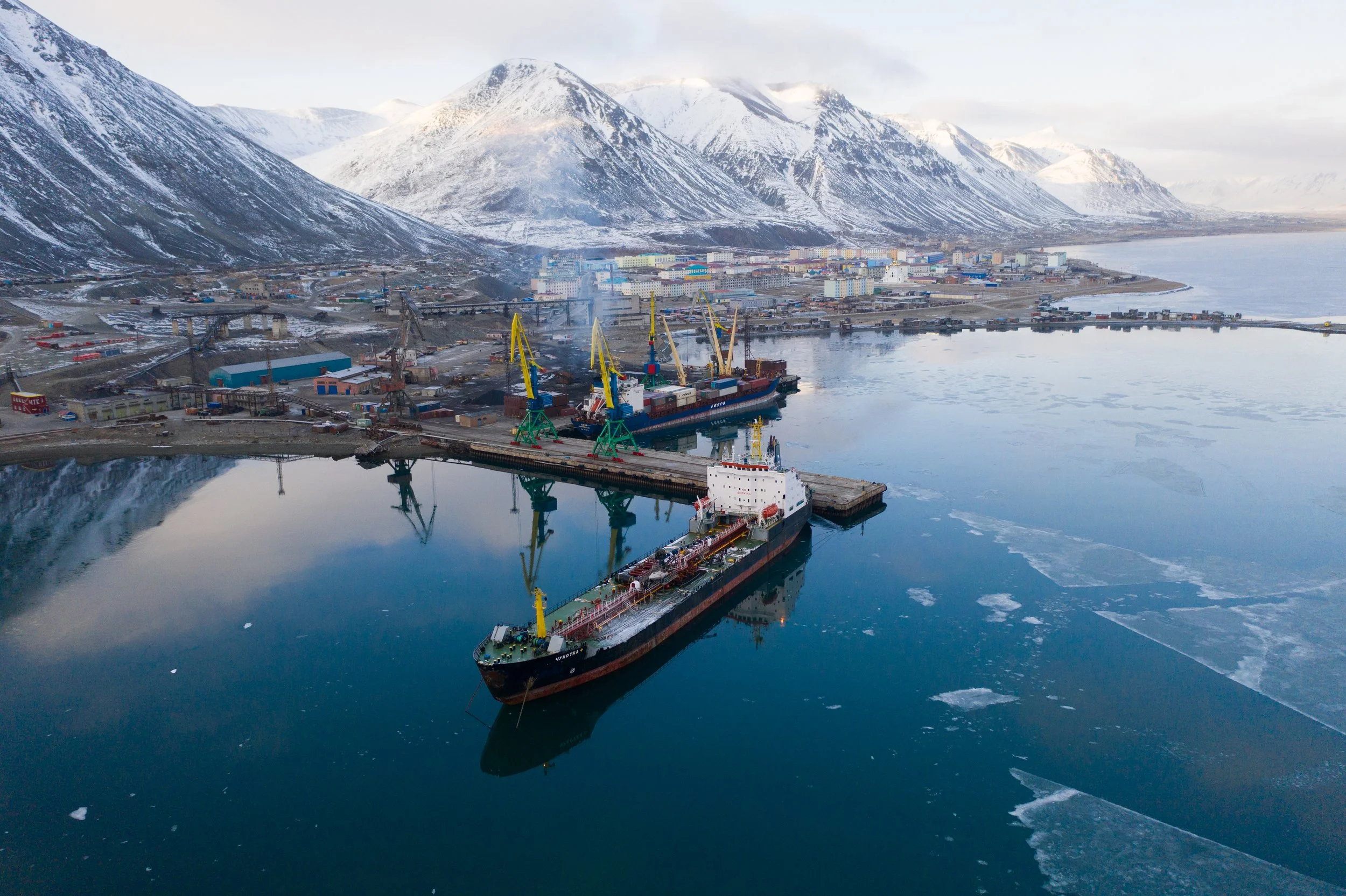
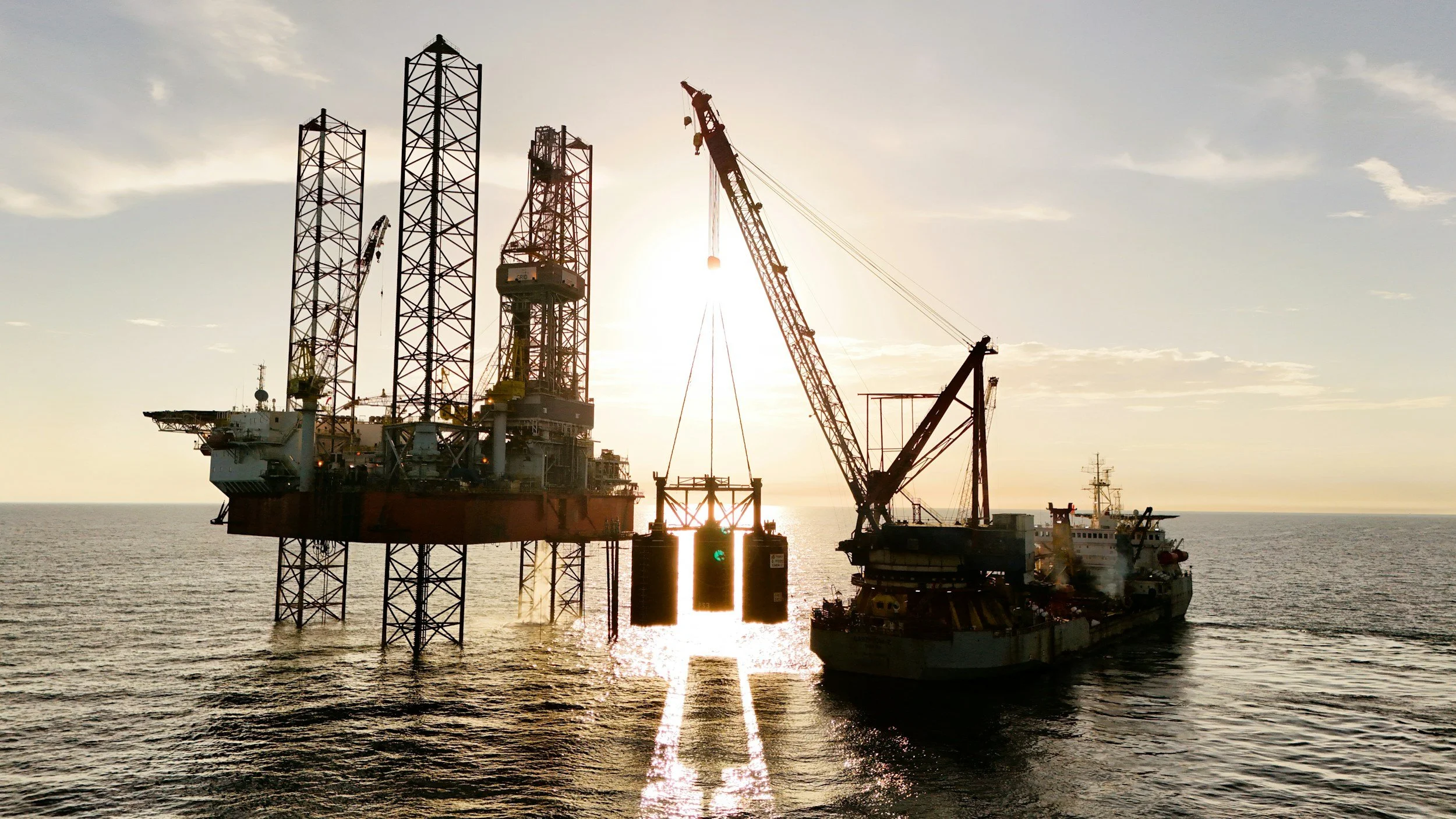
Disruptions in the Strait of Hormuz resulting from the conflict between the United States and Israel, on the one hand, and Iran on the other, threaten to create another global energy crisis. India has many reasons to proactively take such action: the closure of the Strait of Hormuz risks exacerbating the country’s energy shortages and food insecurity.
By Cauvery Ganapathy
In Venezuela’s case, as was the case with Iraq, it is the systematic domestic mismanagement of its resources coupled with inequities of political agency that diminished the value of its natural wealth. American engagement in Venezuela’s oil sector may soon demonstrate, like it did in the United States’ Iraqi sojourn, how deep-rooted these structural fractures are.
Observer Research Foundation America, 1100 17th St. NW, Suite 501, Washington DC 20036 USA