


Latin America: Navigating the Turbulence

Latin America: Navigating the Turbulence

By Vasabjit Banerjee

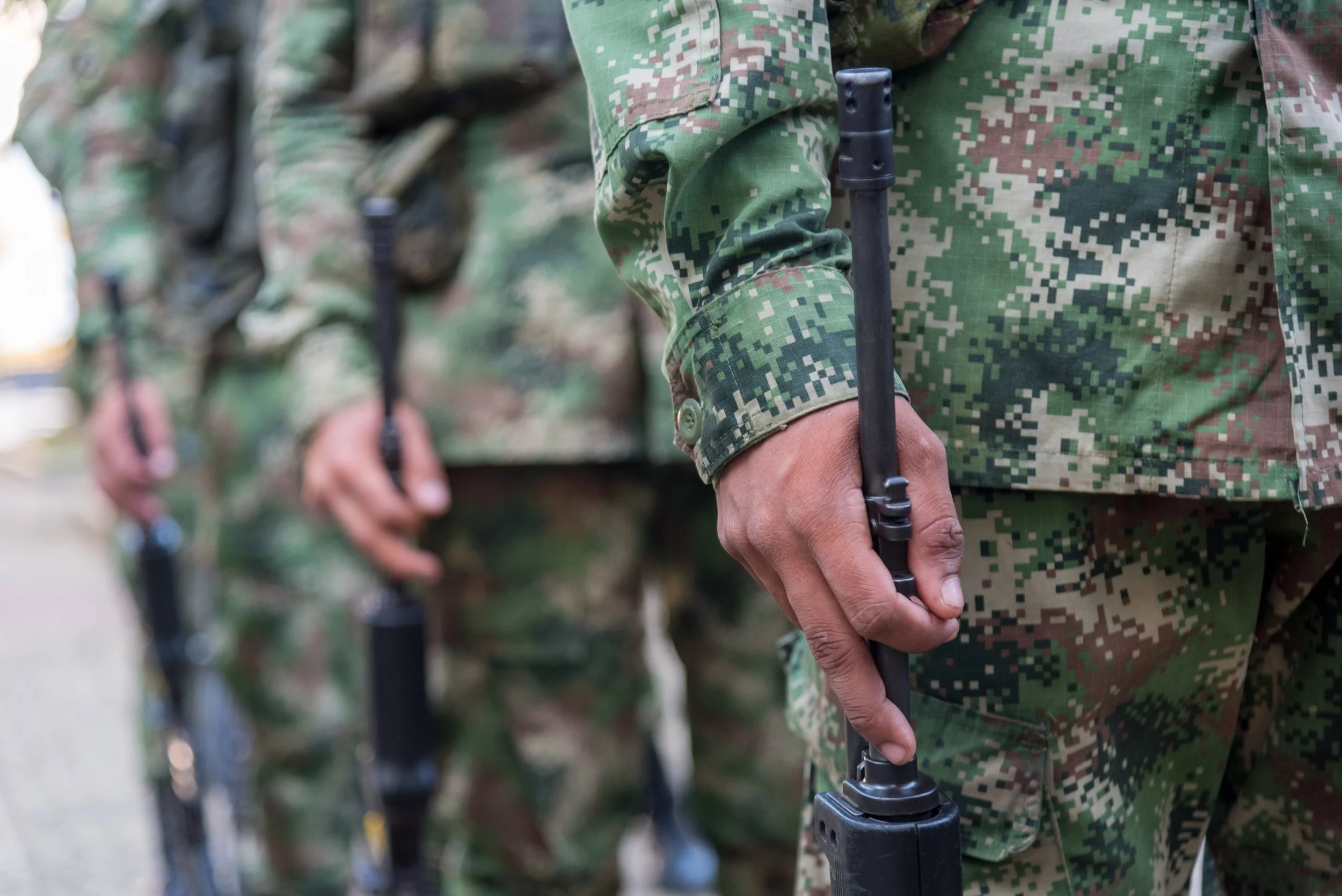
China’s economic and military presence in Latin America is expanding, prompting the United States to pursue countermeasures. Other extra-regional actors, ranging from the European Union to countries such as India, are simultaneously deepening their engagement with the region. The United States could strategically leverage these relationships to reinforce its own position.
Five Takeaways From the Quad Joint Statement

Five Takeaways From the Quad Joint Statement

By Dhruva Jaishankar

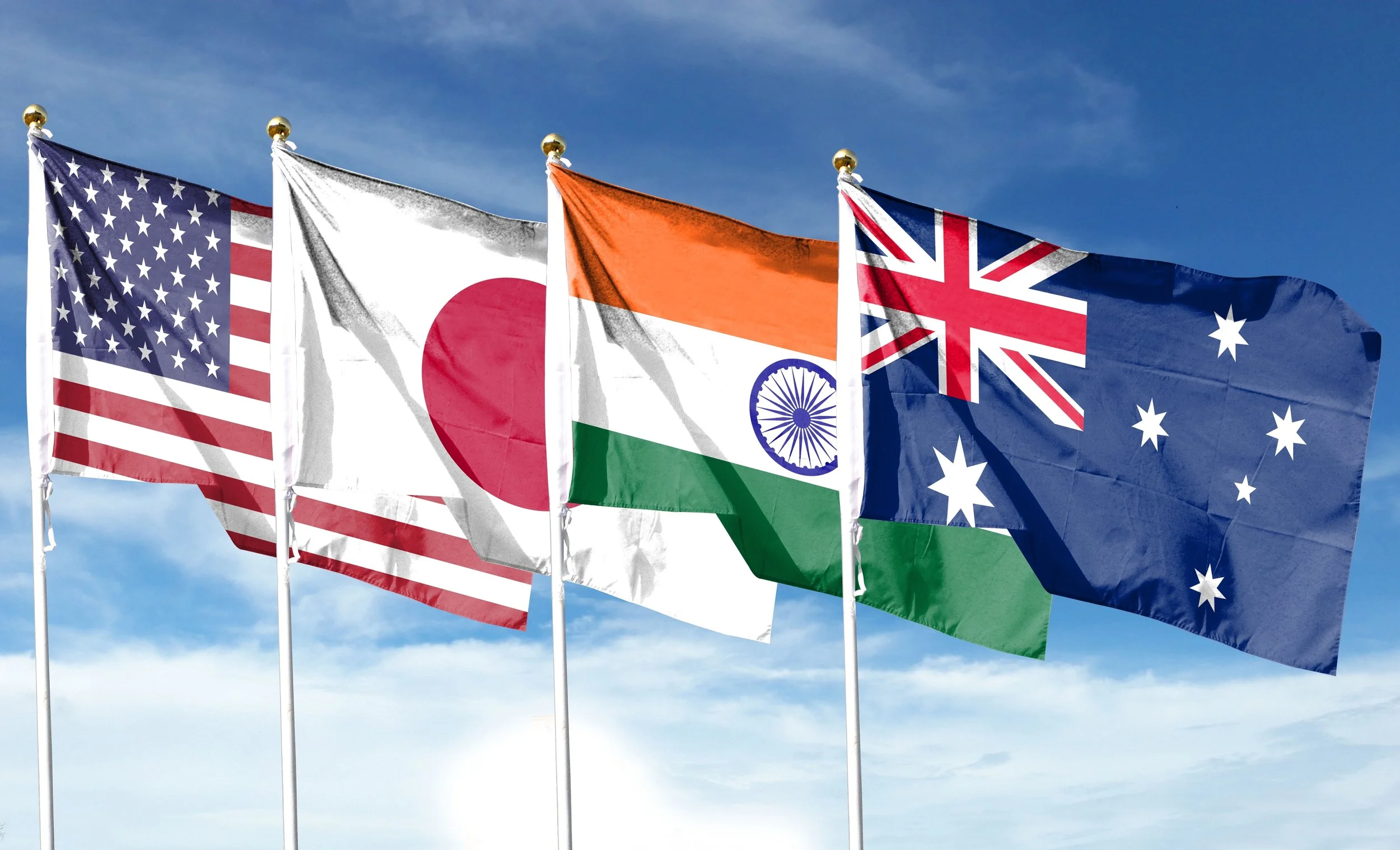
The latest Quad joint statement highlights how economic security is receiving priority at this juncture, critical and emerging technologies are being somewhat marginalized by unilateral and bilateral efforts, and efforts of maritime security continue to progress in a more workmanlike manner.

Building in the Rupture: The World’s New Alignments

Building in the Rupture: The World’s New Alignments

By Clemens Chay

The reality is that “America First” under the Trump administration has functioned as a structural force rather than empty rhetoric — one that has prompted state actors to exercise agency by prioritizing their own national interests.

New Arenas of Great-Power Competition

New Arenas of Great-Power Competition

By Rachel Rizzo

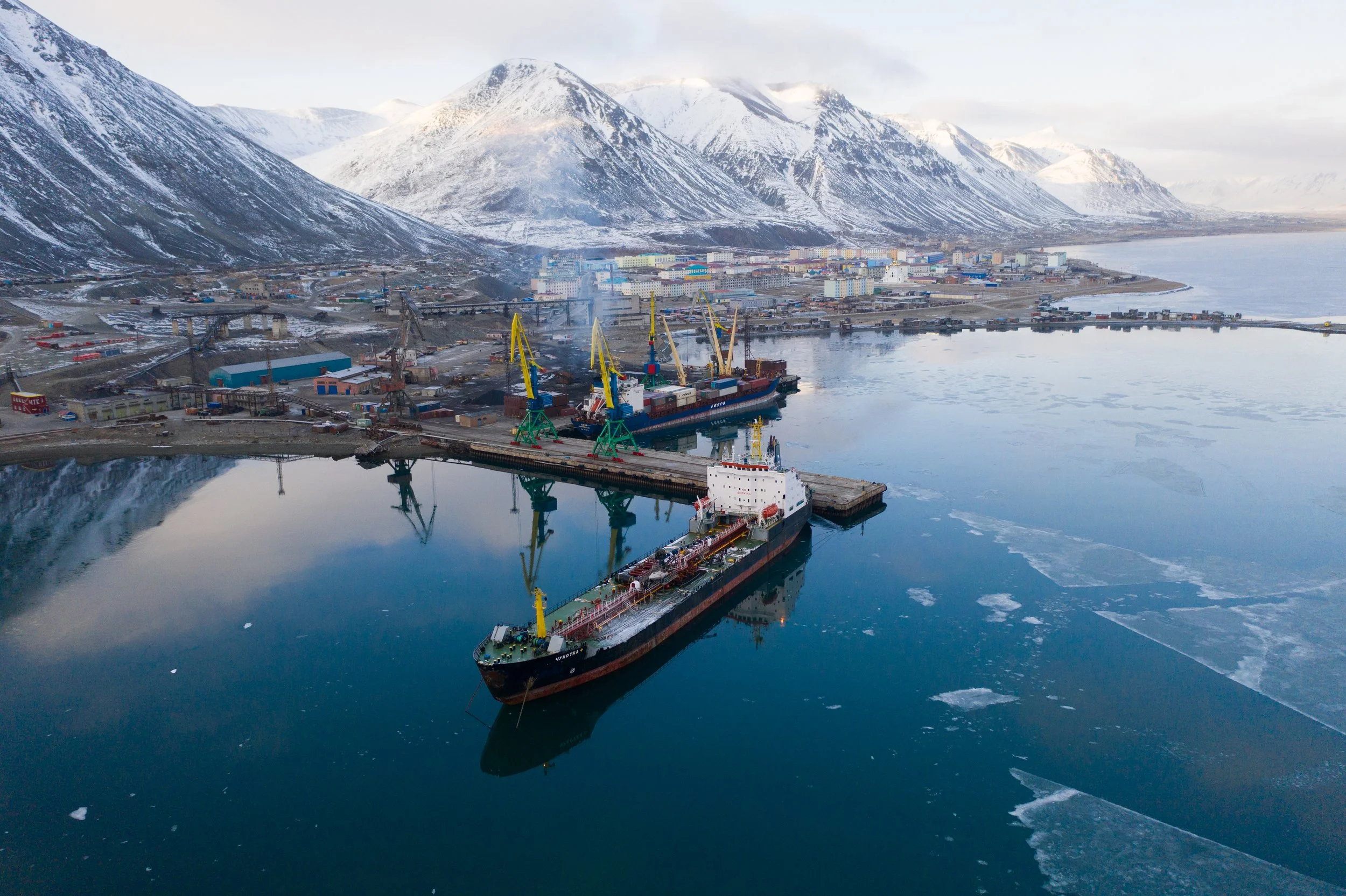
As the Arctic region, ocean floor, and space emerge as the new theaters of great-power competition, how major powers navigate this moment, and whether multilateral institutions created in a different era can adapt to the new one, will be the defining questions in the years ahead.

Brazil’s Ambitious AI Electoral Framework Confronts a Test

Brazil’s Ambitious AI Electoral Framework Confronts a Test

By Andre Nicola

Unlike previous elections where the primary concern was social media manipulation, 2026 will test how Brazil, and other large democracies, respond to this new generative AI challenge. The question is no longer whether AI will shape elections. It is whether governments will build the right safeguards before, rather than after, elections can be manipulated.

Muscles in Brussels? Europe’s Uneven Rearmament

Muscles in Brussels? Europe’s Uneven Rearmament

By Dhruva Jaishankar

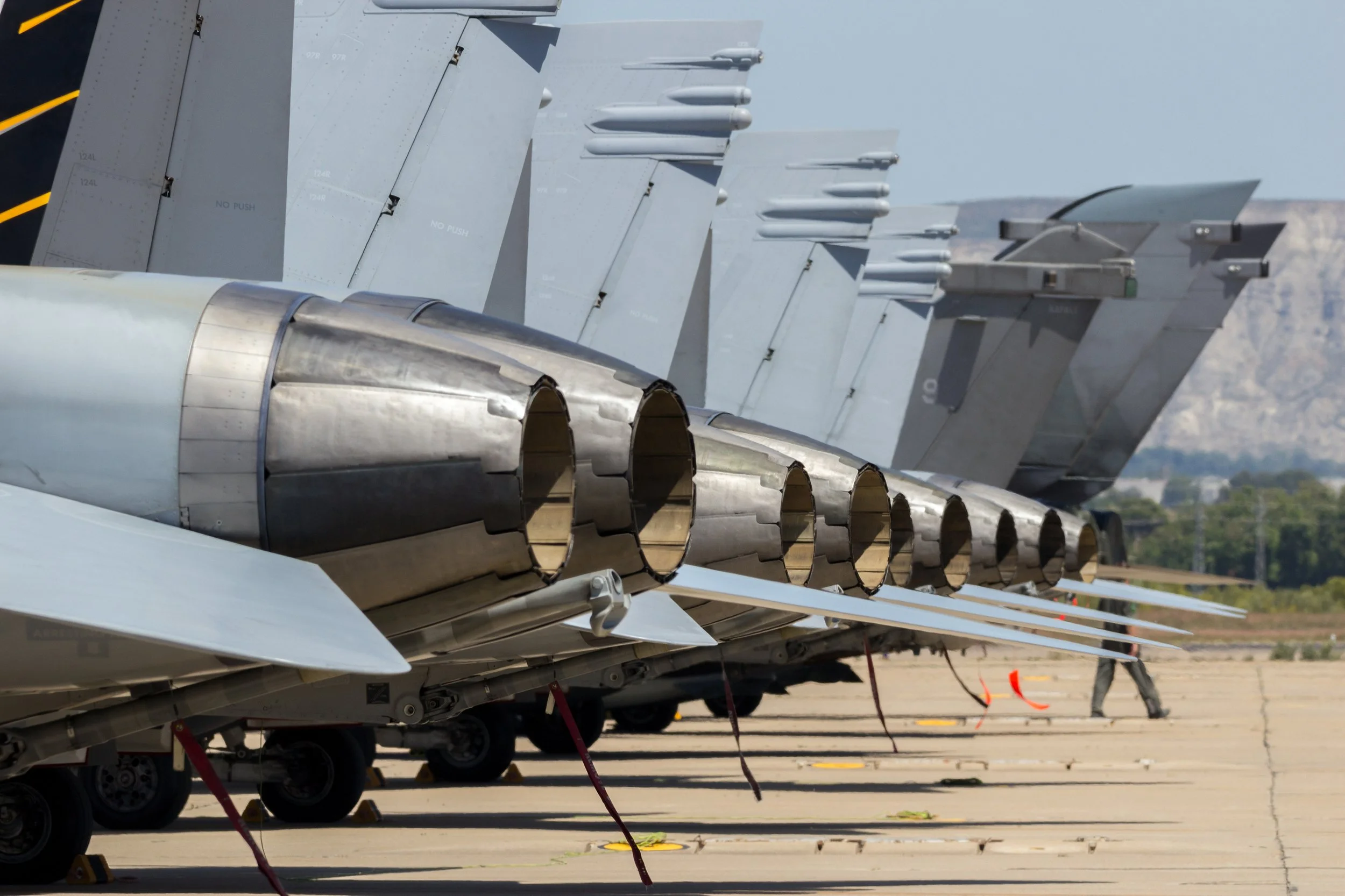
Despite Europe’s push for more military self-sufficiency amid tensions with the United States, questions remain as to whether Europe’s political leadership, domestic politics, and social conditions can facilitate the development of true security and strategic autonomy.

India’s Growing Defense Industry Offers Opportunities for U.S. Production

India’s Growing Defense Industry Offers Opportunities for U.S. Production

By Ammar Nainar

The Iran War has already had a severe impact on the United States’ arms and ammunition inventory. The new demands for arms and munitions come just as India has begun to improve its domestic weapons manufacturing and promote defense exports. In the coming years, this offers opportunities for India and the United States to cooperate in defense manufacturing at scale.

CTIP: An Avenue for EU-India Clean Industrial Collaboration

CTIP: An Avenue for EU-India Clean Industrial Collaboration

By Dhruva Jaishankar and Piyush Verma

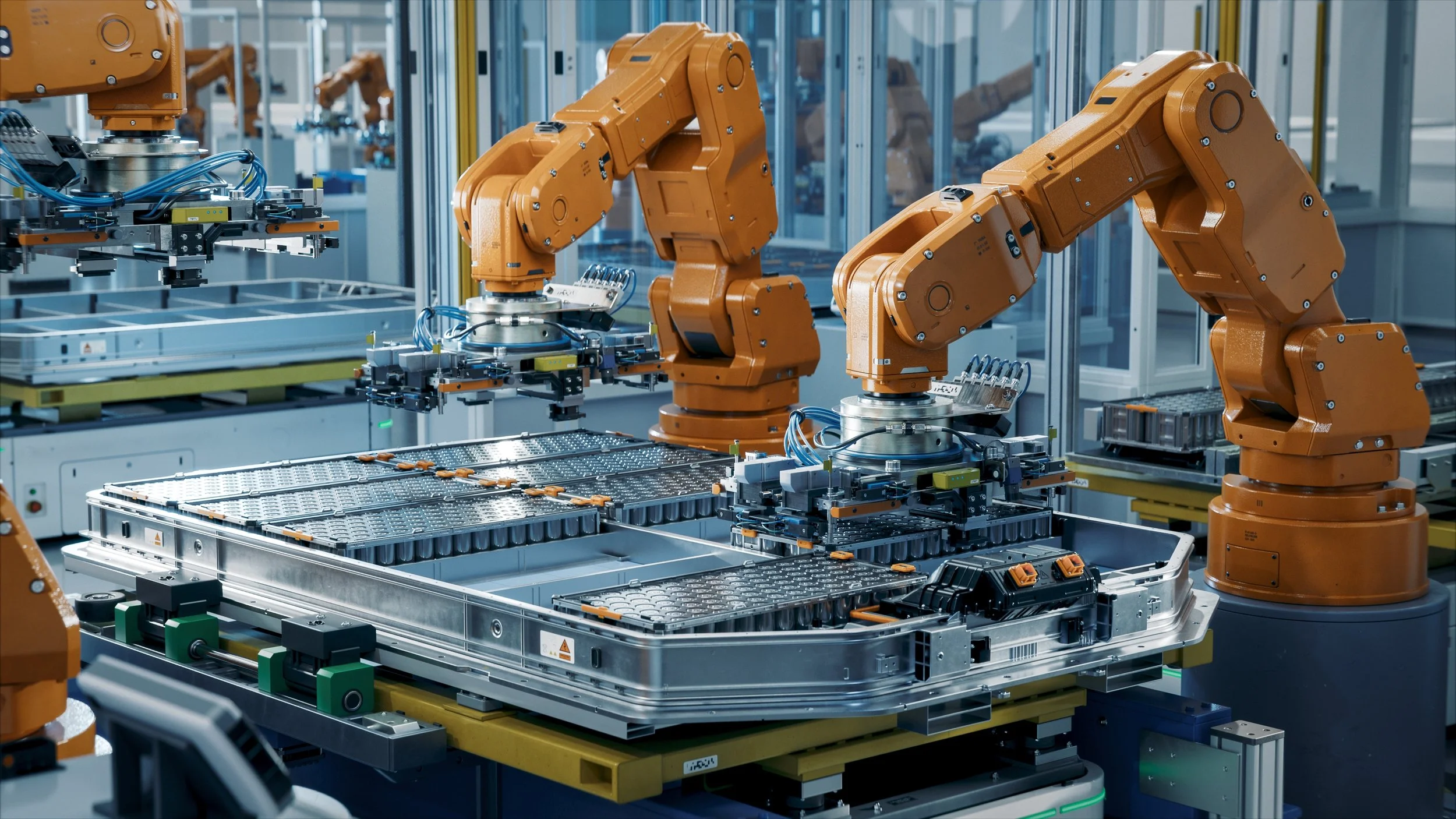
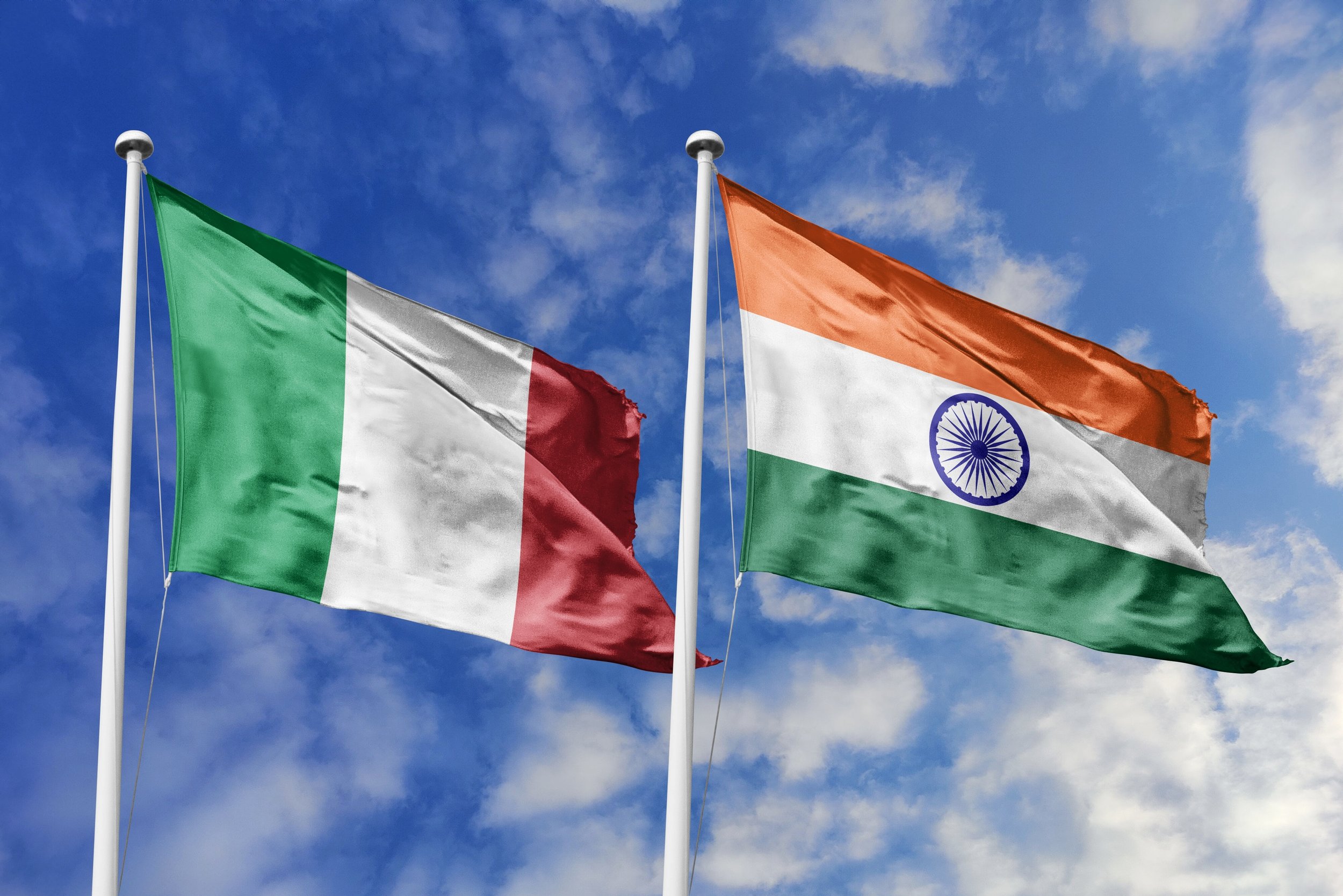
A CTIP could deliver relatively quick wins by supporting joint manufacturing, standards cooperation, and market access to meet Europe’s diversification needs, while deepening India’s role as a global clean energy manufacturing hub. 

India’s LPG Shortage: An Opportunity for Energy Subsidy Reforms

India’s LPG Shortage: An Opportunity for Energy Subsidy Reforms

By Anit Mukherjee

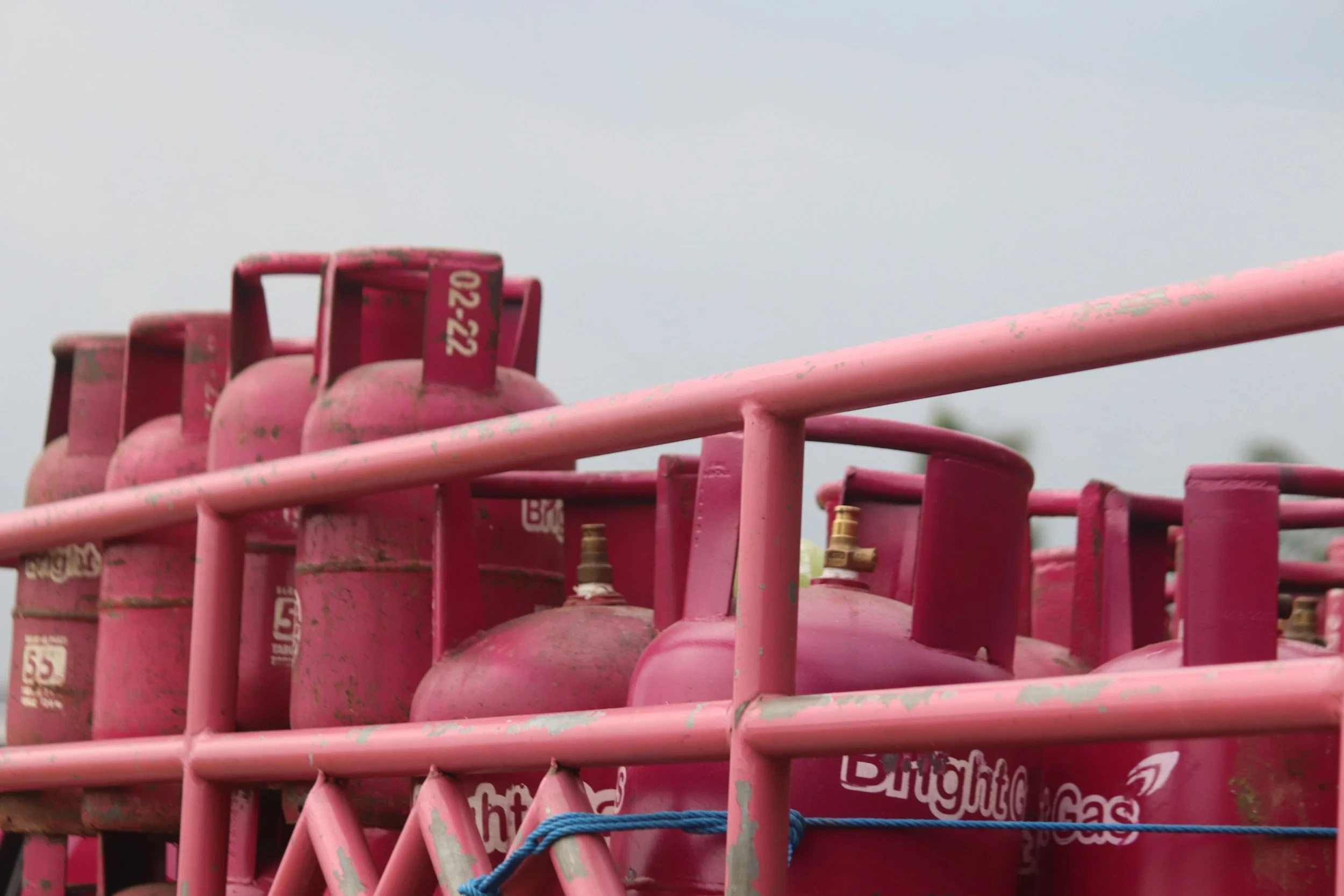
The current crisis in the Middle East has demonstrated that ensuring energy security will remain a challenge for policymakers in the foreseeable future, especially for countries like India. At the same time, the current disruption provides an opportunity to initiate and build on energy sector reforms to make sure that countries are better prepared to deal with such shocks in the future.

Beyond ASML: Japan-South Korea-UAE-India Cooperation on Semiconductor Sovereignty

Beyond ASML: Japan-South Korea-UAE-India Cooperation on Semiconductor Sovereignty

By Siddharth Yadav and Khush Advani

As AI reshapes economies, militaries, and societies, the nations that control the hardware pipeline will shape the rules of the emerging order. At present, that pipeline runs through a single bottleneck in Veldhoven, Netherlands. For middle powers, the choice is to either accept permanent dependency on a supply chain governed by the strategic priorities of others, or invest collectively in an alternative.

Beyond Oil: How the Hormuz Closure Affects Defense Industries, Data Centers, Critical Minerals, and More

Beyond Oil: How the Hormuz Closure Affects Defense Industries, Data Centers, Critical Minerals, and More

By Cauvery Ganapathy

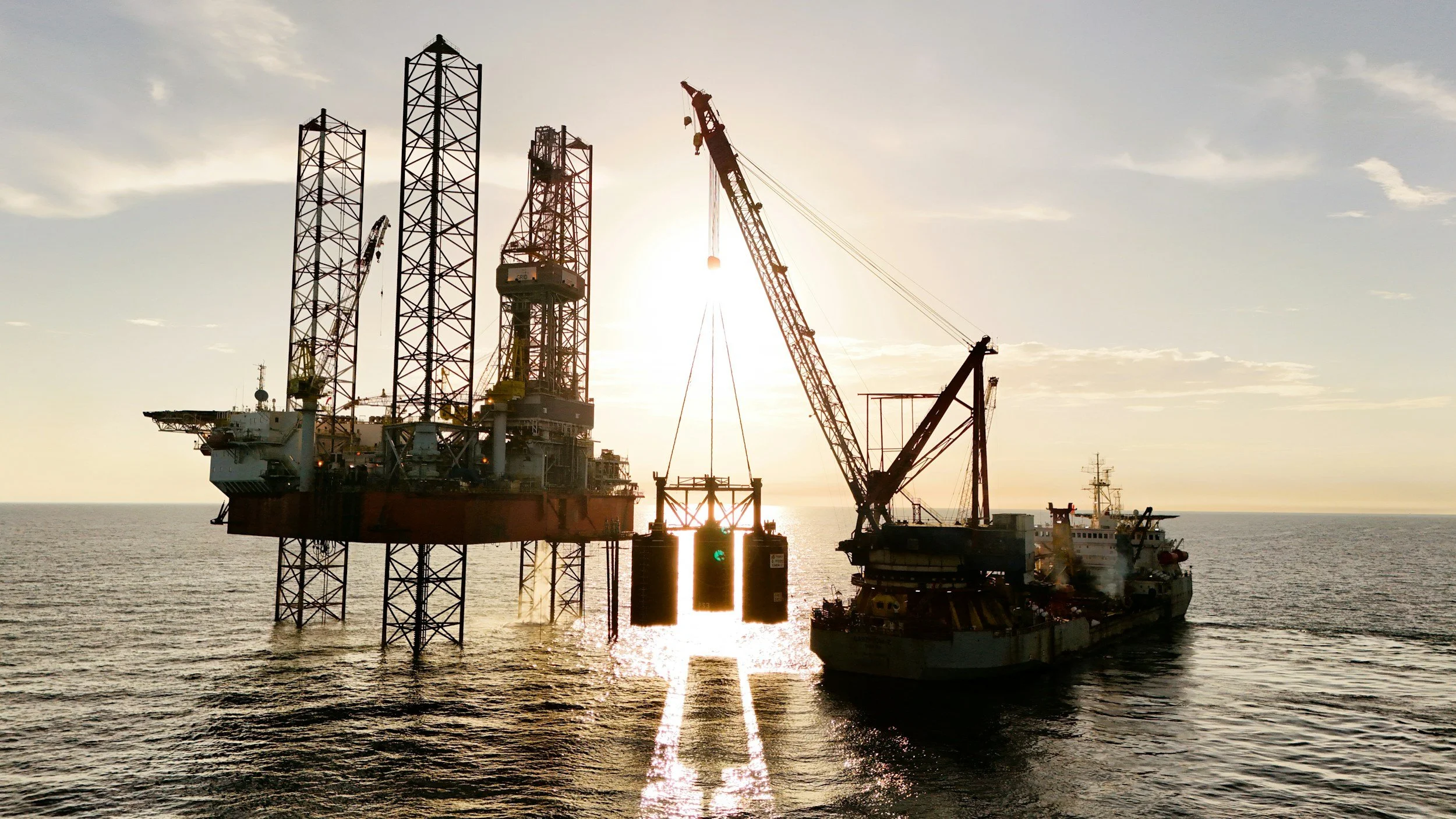
Disruptions triggered by the Iranian blockade of the Strait of Hormuz have interrupted global efforts at industrial reshoring, data center-led digitization, electrification, and the reinforcement of defense production lines, while also posing risks to global food security.

An Unstructured U.S. Critical Mineral Strategy Takes Shape

An Unstructured U.S. Critical Mineral Strategy Takes Shape

By Jeffrey D. Bean

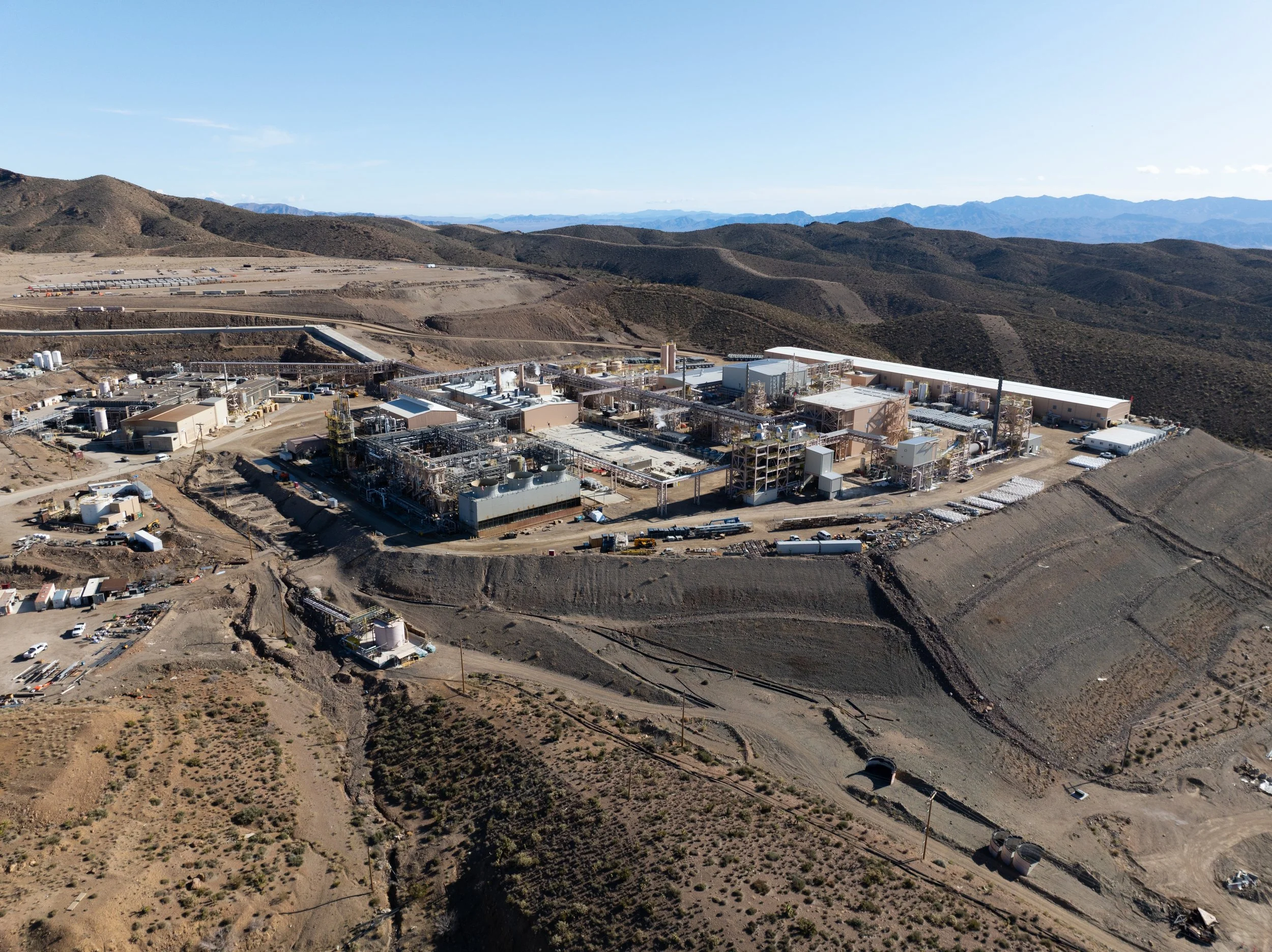
If the U.S. government can facilitate practical, targeted bilateral engagements for mining and processing under the banner of Pax Silica and FORGE, these could support derisking semiconductor, AI, and critical mineral supply chains provided key Global South actors are engaged effectively and equitably.

The UAE, Bahrain, and the Security of the Strait of Hormuz

The UAE, Bahrain, and the Security of the Strait of Hormuz

By Mahdi Ghuloom and Cauvery Ganapathy

What is noteworthy is that the UAE and Bahrain, two countries which have consistently advocated for a diplomatic resolution to the dispute, have now been forced to pivot towards seeking a more proactive approach aimed at securing the Strait under a UN-supported coalition.

The Iran War's Impact on Food, Fertilizers, and Water

The Iran War's Impact on Food, Fertilizers, and Water

By Arnold Musungu, Leigh Mante, and Reem Sagahyroon

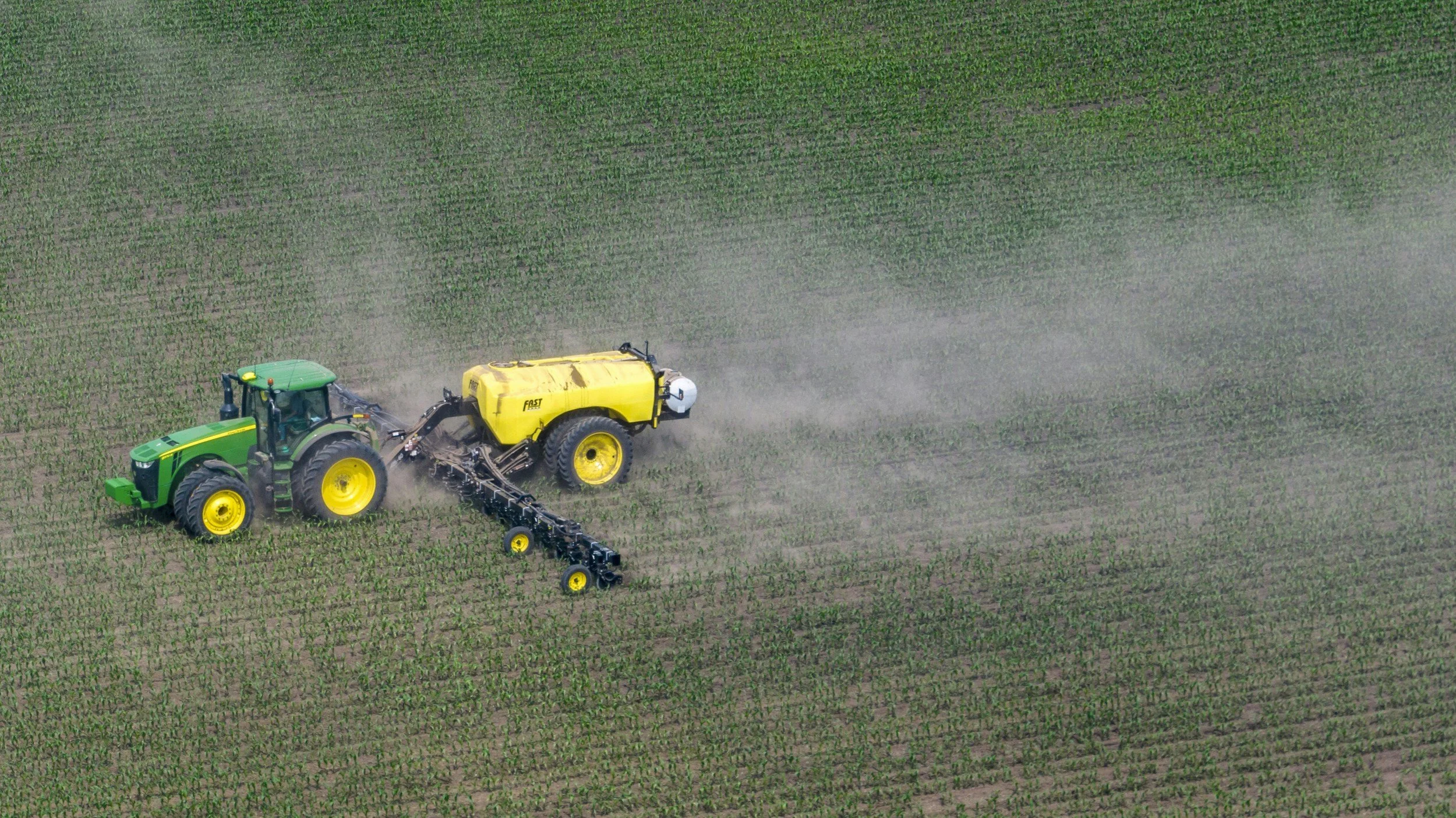
The ensuing crisis in the Middle East is intensifying food and water insecurity, climate systems, and agricultural production. The Climate and Energy program from ORF Middle East provides concise analysis of these impacts and reflections on potential pathways forward.