

By Marta Bengoa
The fundamental contradiction in the Trump administration’s approach to trade policy remains unresolved: a strong economy cannot be built on weak economic thinking. Tariffs are not a strategy; they are a symptom of strategic absence.

By Caroline Arkalji
Policymakers in remittance-dependent nations must consider the broader, long-term effects of U.S. immigration and taxation policies.

By Ammar Nainar
In a signal of the United States’ burden-sharing efforts, the Indian Ocean region was featured eight times in the latest U.S.-India joint statement between Indian prime minister Narendra Modi and U.S. president Donald Trump. To India and the United States, the Indian Ocean remains vital for trade and energy flows, for security competition given China’s growing naval activity, and for connectivity between Asia, Africa, and Europe.
By Udaibir Das
By deepening financial resilience, accelerating capital market reforms, and fostering global financial integration, India can reinforce its position as a stable, competitive, and inclusive financial powerhouse—one that is fully aligned with its long-term economic ambitions.

By Marta Bengoa
As this new phase of trade conflict unfolds, both immediate price effects and the longer-term restructuring of economic relationships threaten to undermine decades of productivity gains achieved through global economic integration.

By Raj Shekhar
The United States’ sweeping AI export controls risk stifling innovation, eroding trust, and undermining global AI governance amid growing calls for cooperation.

By Jeffrey D. Bean
The United States must sustain its own domestic and international policy effort to ensure critical mineral supply, which will be vital for its defense, energy, and technological future.

By Honson Tran
Bridging the contemporary AI divider requires better infrastructure, smarter tools, and streamlined processes to make AI accessible to all, not just the tech elite.

By Katherine Salinas
Implementing effective regulations and guidelines that consider the impact on astronomical observation and preserving the natural night sky is essential.

By Megha Shrivastava
The 2025 Paris AI Action Summit stressed action, yet deep divides on AI safety, regulation, and the growing U.S.-China tech competition persist.

By Sarral Sharma
Despite the evident commitment and keenness on the part of the Modi and Trump governments to cooperate on their mutual counter-terrorism priorities, there remain some obstacles.

By Dhruva Jaishankar
This week's visit by Ursula von der Leyen and the senior European Commission leadership to India represents a major opportunity to advance India-EU security, connectivity, mobility, trade, investment, and technology.

By Honson Tran
In essence, the concern about AI safety is not about preventing discoveries but rather about managing the rate of discovery and development, and proactively addressing the potential for misuse.

By Udaibir Das
While framed to correct trade imbalances and protect domestic industries, reciprocal tariffs’ effects extend far beyond manufacturers, exporters, and importers.

By Divyansh Kaushik
By positioning AI as a catalyst for economic renewal rather than a threat to labor markets, the Trump Administration is attempting to craft a narrative that aligns technological innovation with broader populist economic messaging.

By Dhruva Jaishankar
While the details of any such dialogue remain notional, Trump’s comments underscored the necessity of having such a meeting early in his tenure to set the tone for bilateral India-U.S. relations over the next four years.

By Marta Bengoa
The era of frictionless trade has ended. For the industrial heartlands of Brazil, India, Malaysia, and Japan, this could shape economic trajectories for years to come.

By Medha Prasanna
The latest nuclear policy steps – and technological advances in SMRs – pave the way for new kinds of cooperation between the United States and India.

By Karan Bhasin
While we do know that global poverty has declined significantly over the last decade, with much of the decline coming from China and India, India’s contribution has not often been well understood or appreciated.

By Marta Bengoa
While the full implications of Trump's latest trade offensive remain to be seen, one thing appears certain: the global trading system is entering uncharted waters, with consequences that will reverberate far beyond the targeted nations.
By Anit Mukherjee
As the DOGE team strides into the corridors of government in Washington DC, what can it learn from Aadhaar?

By Katherine Salinas
While banning TikTok might seem like an easy answer, it highlights a broader problem — the gap between data protection regulations, knowledge gaps among legislators, and the larger digital divide in American public policy.

By Karan Bhasin
A small trade agreement today will help end uncertainty, allowing firms from the United States and India to make significant investments in reorienting supply chains.

By Udaibir Das
When viewed through the lens of financial channels — capital flows, exchange rates, and investment patterns — the implications of the U.S. policy reset for the Global South become clear.

By Natalie Boyse and Ammar Nainar
As officials plan new initiatives and prepare for the Quad Leaders’ Summit in India later this year, one area to explore further collaboration might involve Quad scenario planning exercises on Indo-Pacific security issues.

By Vaibhav Garg
The software supply chain is often overlooked in discussions of AI risks and security, calling for sustainable and secure ecosystem governance.
By Dhruva Jaishankar
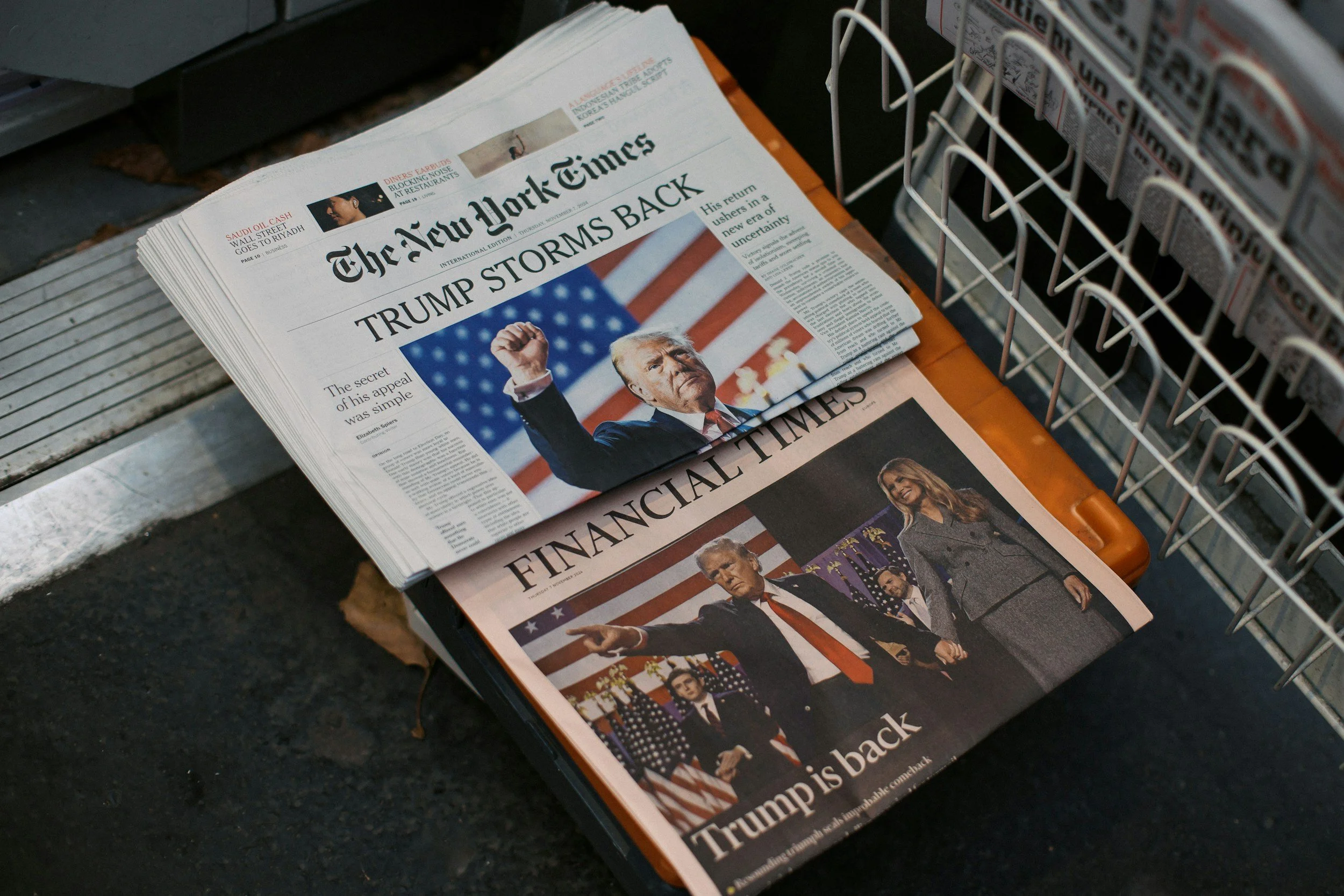
It is possible to anticipate both a burgeoning U.S.-India partnership under a second Trump administration and some short, sharp tussles over a handful of important issues.

By Jyoti Panday
While India’s data localisation and data sovereignty policy will bolster AI and cloud infrastructure, this will make it difficult for local small and medium-sized firms to compete.

By Elsa Debargue and Jeffrey D. Bean
The Pall Mall Process is a work in progress, and only time will tell if it proves durable and successful. However, it does hint at a potential turning point in current cyber governance efforts by adapting to the realities of a decentralized, privatized, and often invisible marketplace of digital intrusion.

By Lindsey Ford
The ongoing crisis in the Middle East — which involved Israeli and then U.S. strikes on Iranian targets, including nuclear facilities, as well as Iranian retaliation against Israel and U.S. bases — carries some important lessons for potential crises between India and Pakistan.

By Anit Mukherjee and Caroline Arkalji
In the run up to the COP30 climate summit in Brazil, countries are reevaluating the role of biofuels in supporting efforts to accelerate the clean energy transition, particularly in the transportation sector, which accounts for nearly one-quarter of global greenhouse gas emissions.

By Katherine Salinas
The repercussions of unregulated AI are unfolding in real time, with potentially life-altering consequences for millions of people.
By Dhruva Jaishankar
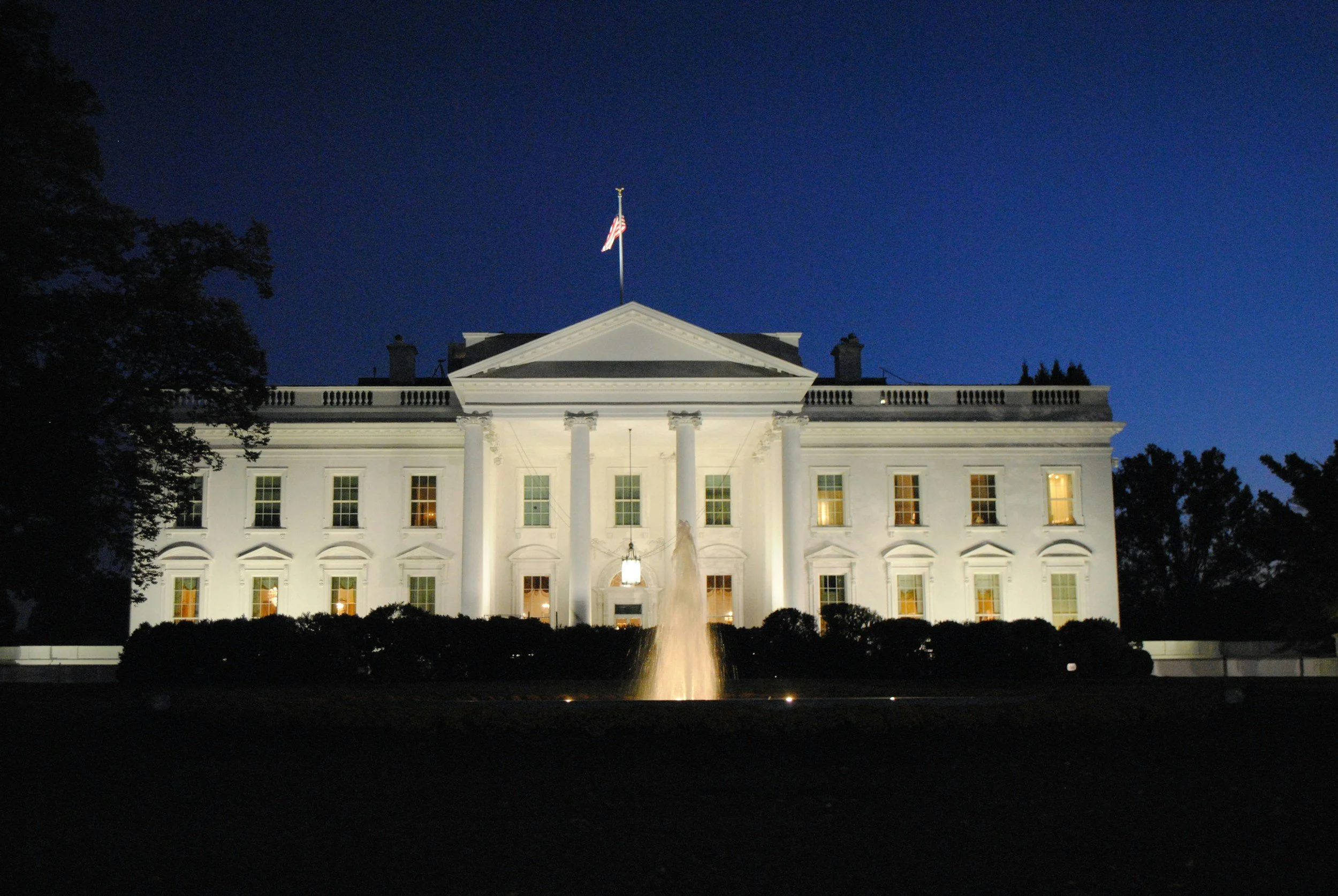
The sudden whiplash in public sentiment in some quarters in India is notable and will moderate the appetite in New Delhi for cooperation with Washington.

By Marta Bengoa
What emerges from the London talks is not a coherent policy framework but rather a series of tactical compromises that fail to address underlying strategic challenges.

By Jeffrey D. Bean
All in all, the United States’ oscillating policy on AI diffusion reflects an ongoing struggle in how best to simultaneously retain U.S. leadership in semiconductors and advance compute for AI at both a market level and in national defense applications, while blocking adversaries’ access to advanced AI chips and the capability to manufacture them.

By Dhruva Jaishankar and Medha Prasanna
The United Nations Security Council (UNSC) — at the center of the United Nations system — faces twin crises. One is a crisis of legitimacy. The second is a crisis of effectiveness and relevance.

By Caroline Arkalji
While India is globally recognized for its highly skilled engineering talent, it lags behind its peers in terms of a large, technically trained labor force needed to attract manufacturing investment at scale. To compete, India must align its technical education more closely with industry needs and emphasize skills critical to modern manufacturing.
By Lindsey Ford
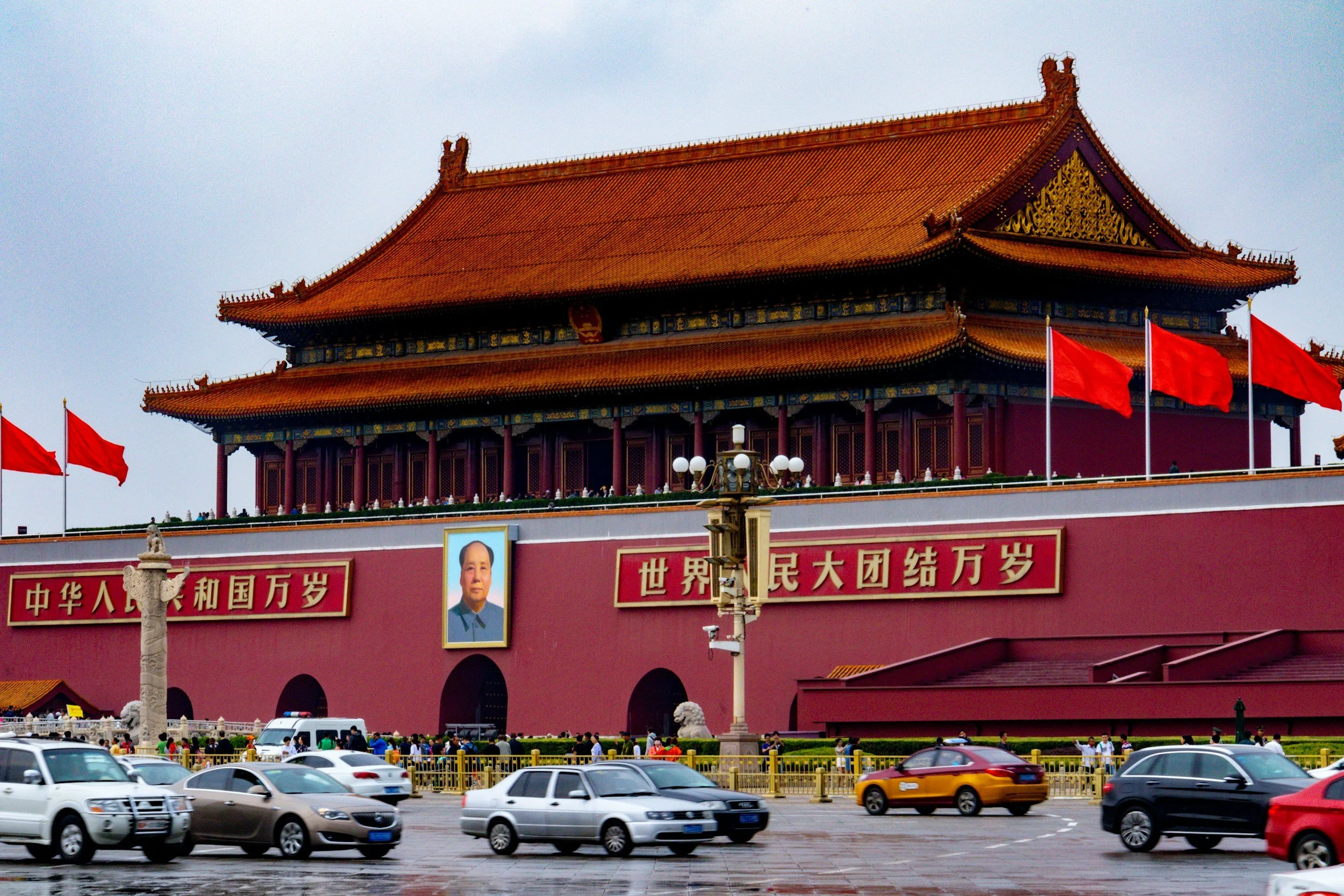
Trump’s eagerness to claim credit for defusing the India-Pakistan crisis, and his follow-on offer of facilitating broader talks between the two sides, kicked off a renewed debate about the bounds of Washington’s ability to play peacemaker in South Asia.

By Dhruva Jaishankar
Relations between India and Pakistan had been in deep freeze since 2019: there will now be fewer constituencies than ever in India in favor of normalization.

By Dhruva Jaishankar and Ammar Nainar
As observers struggle to make sense of Trump’s second presidential term, it is worth considering three parallel debates that are shaping these outcomes.

By Neeraj Jain
Artificial Intelligence must be deployed in Open Transaction Networks (OTNs) to ensure scalable and equitable digital participation across socio-economic segments.
By Udaibir Das
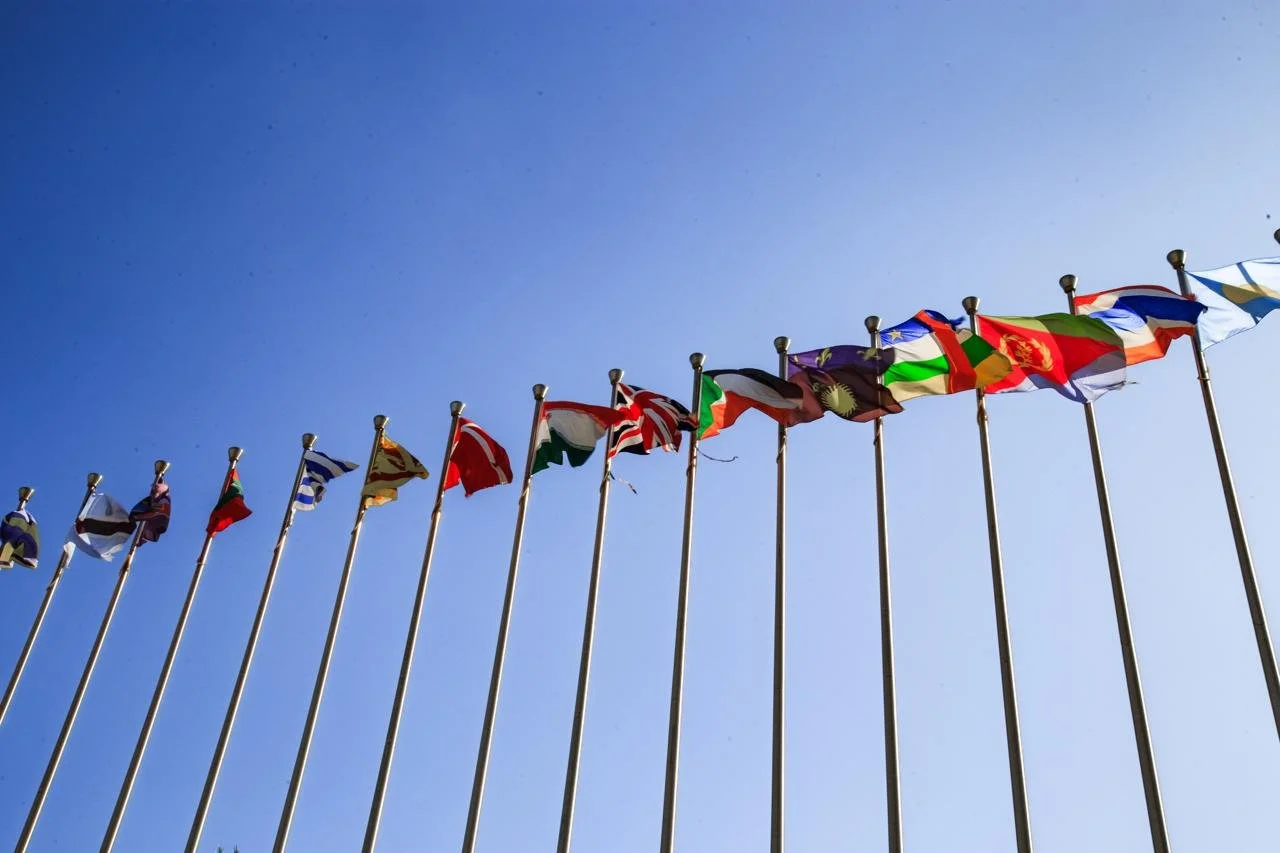
Amid rising financial instability, slowing growth, trade wars, and persistent inequality, the Global South faces growing vulnerabilities yet remains pivotal to the world economy’s future.

By Mandeep Rai
In an evolving tech landscape, India and the United States are strengthening their space alliance — blending diplomacy, AI, and frontier innovation.

By Dhruva Jaishankar
A sufficiently strong response by New Delhi would send a clear message to Pakistan – and to the world – that a resumption of indiscriminate terrorist attacks is unacceptable.

By Udaibir Das
Whether governments seek to phase out energy subsidies, reform pensions, or expand tax bases, success now hinges on how well reforms are explained, sequenced, and backed by credible commitments.
By Anit Mukherjee
How will policymakers rebalance their economies where the three pillars of globalization — free trade, free markets, and free movement of capital — have been affected almost at the same time and what does this mean for the Global South?

By Urmi Tat
The United States and India must work together to balance AI innovation with sustainability by focusing on energy efficiency, transparent emissions reporting, and renewable-powered AI infrastructure.

By Marta Bengoa
As the global trade conflict intensifies, we must consider not just the direct costs of tariffs but also their profound secondary effects on America's long-term fiscal sustainability.

By Divyansh Kaushik
A secure AI initiative within IMEC could counter digital dependency, strengthen strategic ties, and safeguard national security in an ever-evolving contemporary tech world.

By Dhruva Jaishankar
Trump’s April 2 announcement has already roiled financial markets, and the global economy will continue to be adversely affected both by the implementation of tariffs and by uncertainty as negotiations proceed. But while there will be no immediate winners, some parties appear relatively better off.

By Marta Bengoa
The most problematic aspect of the newly announced Trump tariffs may be the deliberate ambiguity around how countries might negotiate lower rates.

By Jeffrey D. Bean and Andreas Kuehn
Looking ahead, as the Department of Defense strives to incorporate and utilize more AI chips, it will need to secure access to leading nodes for edge chips and the confidence in pathways to use greater allocations of secure cloud services for advanced computing.

By Telmen Altanshagai
The implications of PS-2 for Mongolia are double-edged. The project could provide new revenues, jobs, and energy diversification, while elevating Mongolia’s role in regional energy flows. But it also risks eroding the very sovereignty and strategic autonomy that Ulaanbaatar has sought to preserve through its “Third Neighbor” policy.

By Archana Kamath
While India’s overseas investments in infrastructure have been growing, including with the support of the Indian government’s foreign assistance programs, they have received far less attention, despite important projects in countries such as Bangladesh, Greece, Indonesia, Israel, Mauritius, the Philippines, Qatar, Saudi Arabia, Tanzania, and Vietnam.

By Dhruva Jaishankar
The newly-elected presidency of Lee Jae Myung in South Korea has created an opportunity to advance India-South Korea relations. The greatest potential for cooperation between the two countries involves aligning South Korea’s dynamic industrial capabilities with India’s own industrialization efforts.

By Marta Bengoa
The current situation demands acknowledgment that trade and monetary policy operate as interconnected systems, not isolated levers that can be pulled independently. A coherent approach would acknowledge that the United States’ economic strength derives from its integration into global supply chains, not isolation from them.

By Anit Mukherjee
In less than two months, global heads of governments will land in Belém for the formal opening of COP30. But with little time left, climate commitments are falling short of the urgency needed to address the crisis.

By Caroline Arkalji
Securing strategic minerals against intensifying natural risks is no longer just a business challenge; it must be a global policy priority. The energy transition cannot succeed on unstable foundations; the world needs smarter, safer, and fairer mines designed to withstand current and future environmental risks.

By Anit Mukherjee
India’s tariff troubles in the short term are an opportunity to undertake a strategic revaluation of its export strategy at a time when the global trading system itself is in turmoil.

By Hsiao-Chen Lin
With its semiconductor leadership, an open economy, and pluralistic partnerships, Taiwan shows that the international community can uphold their One China policies while refusing to validate Beijing’s expansionist interpretation.

By Katherine Salinas
The middleware approach presents the fewest First Amendment complications of any regulatory option. Rather than restricting speech or compelling specific viewpoints, it simply requires transparency and user choice.

By Piyush Verma
By meeting clean energy targets ahead of schedule, expanding nuclear and hydrogen capacity, and securing critical mineral supply chains, India is positioning itself as a model for climate-conscious growth that does not compromise on economic or strategic goals.

By Jiwon Lim
Despite a rapidly evolving cyber landscape, India’s cyber security focus marginalizes the trust building and assessment abilities that make up a reporting framework.

By Anit Mukherjee and Caroline Arkalji
The consecutive presidencies of Indonesia, India, Brazil, and South Africa within the G20 offers a blueprint for how the Global South can continue shaping global governance at a time of geopolitical uncertainty and a rapid rebalancing of the globalization process itself.

By Dhruva Jaishankar
Over the past few months, relations between the United States and India have gone from stable and promising to tense and turbulent..
By Hansika Nath
Clean technology has emerged as a key area of convergence in trade talks between India and the EU.

By Marta Bengoa
What began as April's "Liberation Day" announcement has evolved into a complex framework of negotiated settlements that, while avoiding the most severe outcomes initially threatened, creates new economic distortions across multiple trading relationships.

By Megha Shrivastava
India’s growing digital infrastructure and AI talent pool offer the United States a strategic opportunity to offset its compute shortfall, but realizing this potential demands deeper bilateral alignment on infrastructure, talent, and governance.
By Piyush Verma
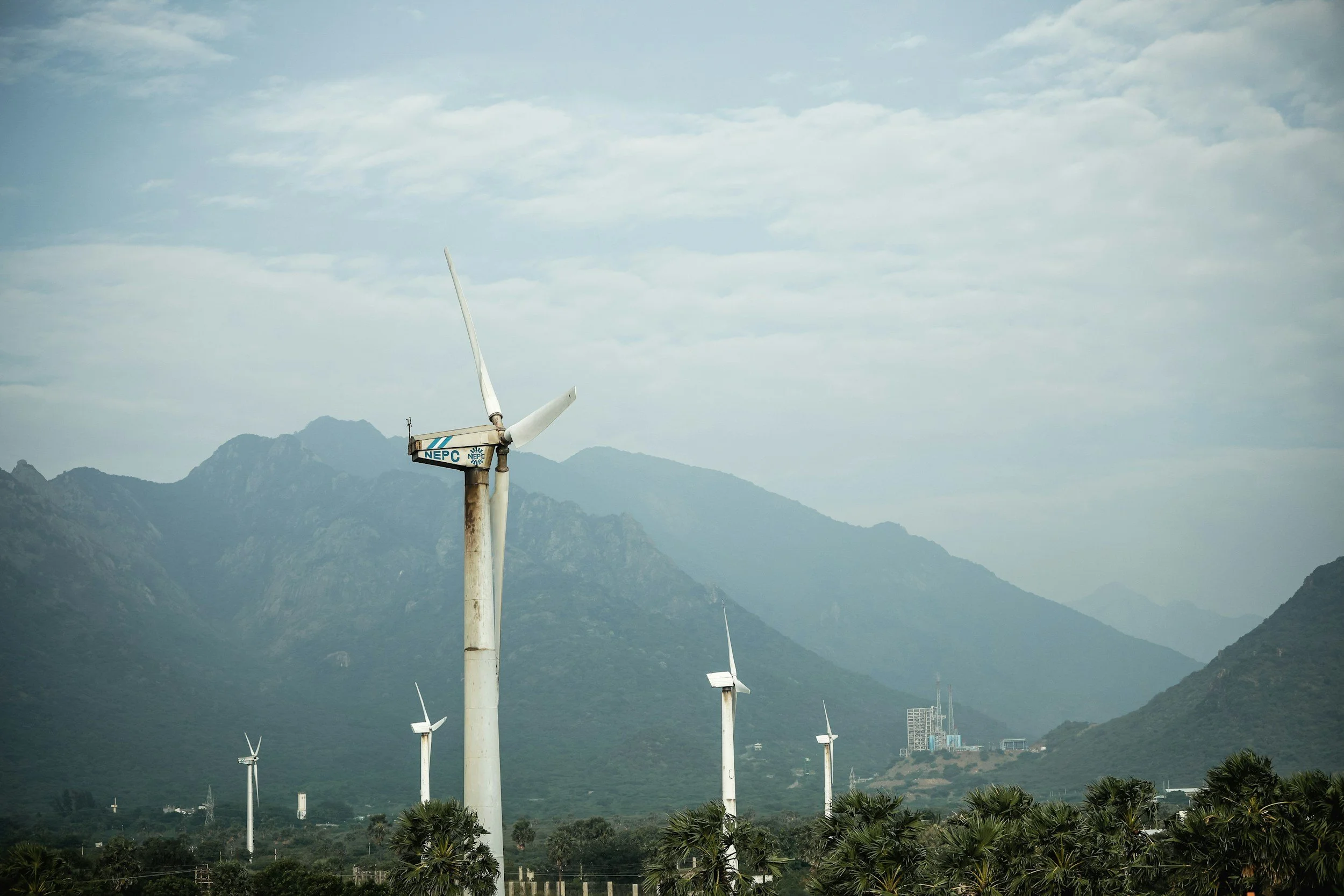
While challenges remain in terms of generation mix, grid integration, infrastructure resilience and storage capacity, India’s clean energy milestone sends a clear message: ambitious goals, backed by policy, innovation, and investment, can deliver real-world impact.
By Sarah Box
The AI Action Plan is a clear signpost towards American dominance in AI and its impact will be felt globally. The hope is that it will indeed lead to the industrial and information revolution and cultural renaissance anticipated by the administration, and that this is not a winner-take-all race but one that allies and partners can share in.

By Jeffrey D. Bean
While largely domestically orientated, Trump’s AI Action Plan has significant implications for U.S. allies and partners, both in terms of commercial engagement and national security considerations.

By Resham Sethi
Global AI governance must empower LMICs to lead and shape health innovation through inclusive, context-driven collaboration.
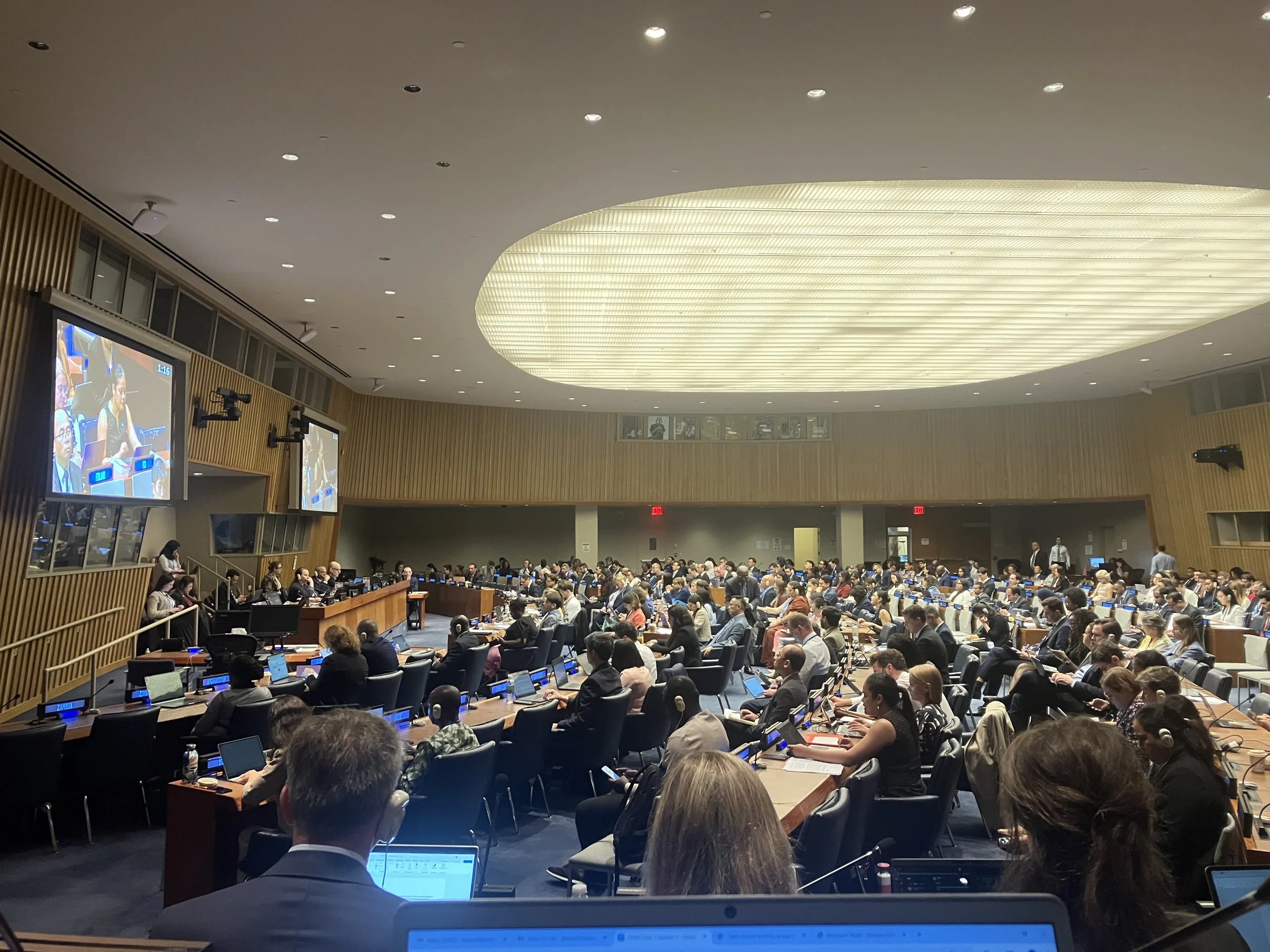
By Jeffrey D. Bean
Given the deep disagreements on responsible state behavior in cyberspace among different states, the 2021-2025 UN OEWG achieving consensus represents a significant breakthrough. That said, the agreement reflected at least five positive developments in global cyber governance.

By Naina Sharma
As China rapidly advances its drone capabilities, cooperation between India and the United States will be vital for both international standard setting and for both countries’ national security.

By Anit Mukherjee
The BRICS Leader’s Declaration lays out in detail the process for a revision of quotas at the International Monetary Fund and the World Bank, representation of the Global South in the governance of artificial intelligence and other transformative technologies that will shape the future, and increasing the accessibility and affordability of climate finance.

By Ashita Jain
The India-UK FTA reflects a significant shift in India’s digital trade approach. The commitments it makes, particularly on customs duties on electronic transmissions, data flows, and source code protection, will serve as benchmarks in India’s ongoing negotiations with the EU and the United States.

By Lindsey Ford
There is much that feels reassuringly familiar about the joint statement that came out of the July 1 Quad meeting in DC, which maintains significant continuity in its overall tone and content. However, a close review also points to notable shifts that could erode the group’s regional influence over time.

By Ammar Nainar
Despite trade and tariff wars and continuing security tensions in Europe, the Middle East, and Indian subcontinent, Quad cooperation continues. But the trends this year also reflect a new and more focused agenda for Quad cooperation in the second Trump administration, including maritime, economic, and technology security, as well as humanitarian assistance and disaster relief.
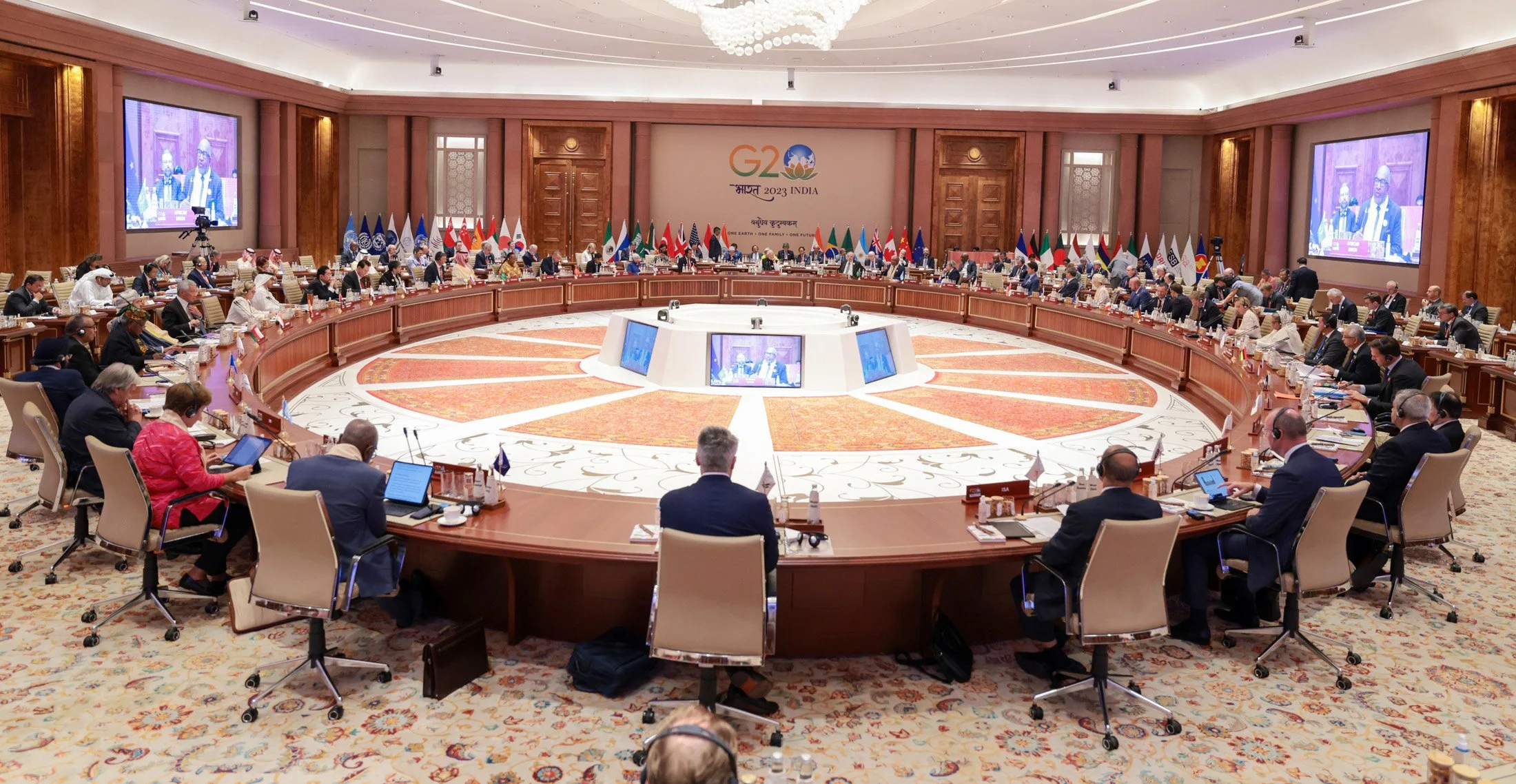
By Anit Mukherjee
Just as the Pittsburgh G20 Summit in 2009 shaped the global economy after the global financial crisis, next year’s Summit in Miami could reset the G20 to issues that matter: financial stability, economic security, and technological innovation.

By Caroline Arkalji
For utilities and developers, a robust U.S. battery-storage industry would reduce dependence on overseas suppliers, cut logistical and tariff-related costs, and accelerate project deployment. If the United States seizes this moment, it can position itself as a global leader in grid-scale battery manufacturing and deliver a more reliable, competitive, and secure energy system for the decades ahead.
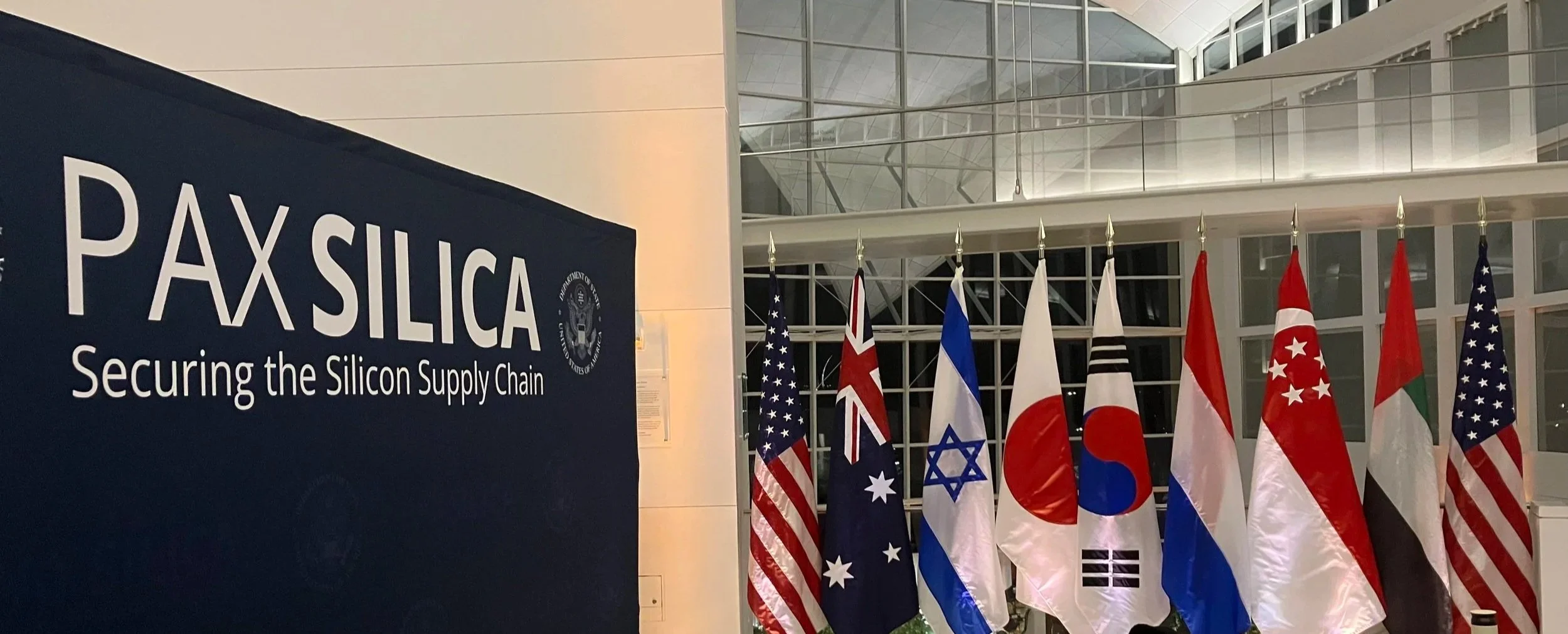
By Jeffrey D. Bean
The success of Pax Silica as a tangible platform for the United States and U.S. allies and partners to secure supply chains and retain or regain advantages in technology will be a massive diplomatic and commercial undertaking. Sustained political will seems uncertain.
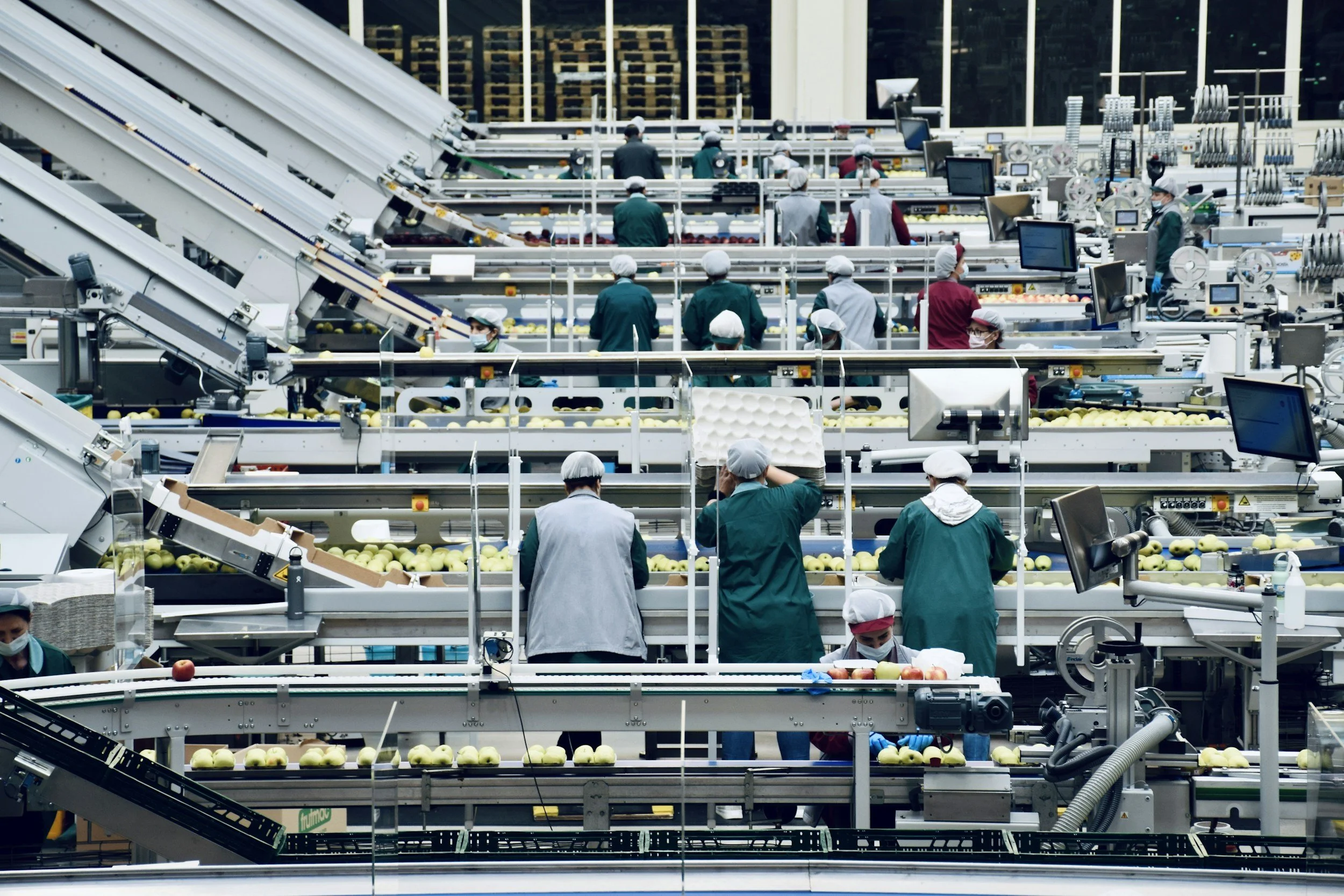
By Marta Bengoa
Rather than reviving American manufacturing and boosting employment, the data from Trump’s “Liberation Day” tariffs tell a story of job losses in manufacturing, stagnant productivity in that sector, higher inflation across the economy, and economic uncertainty on a scale not seen in decades.

By Ashwini Thakre and Piyush Verma
China’s diplomatic control over sector may become the very trigger that unwinds its dominance. By weaponizing concentration, Beijing accelerated diversification efforts that many democracies had treated as optional. The shock exposed the liabilities of a system built on single-country dependence and encouraged a coordinated wave of investment across the United States, Europe, Japan, South Korea, and Australia.

By Benjamin Tkach and Vasabjit Banerjee
Submarine production difficulties affect the global marketplace and place a premium on domestic production. India’s pursuit of untested technologies elevates its risk, while Taiwan’s domestically produced system relies on foreign components. Both, therefore, have a lot to benefit from engineering and design cooperation in submarine production.

By James Diddams
When Indians speak of dharma and Americans speak of responsibility to protect, they are not speaking from the same tradition, yet they are addressing the same basic problems: How should a political community understand itself as accountable for the use of power?

By Dhruva Jaishankar
Shaped by its own national objectives, advantages, and limitations, India’s AI strategy stands out in several ways, with implications for the country’s AI infrastructure and its relationship with the United States.

By Dhruva Jaishankar
The prospects of a major war involving China and the United States, and a limited war between Pakistan and India, are perhaps higher in the next three years than they have been over the preceding quarter century. Moreover, these two scenarios are connected by an increasingly intertwined China-Pakistan military relationship, which now extends beyond arms transfers to shared networks and emulated doctrines.

By Anit Mukherjee
The fact is that there have been few concrete proposals to address the twin challenges of debt sustainability and the rising demands for additional resources for sustainable development. In a world coming to terms with the radical changes in the development finance landscape over the past months, the leadership of the developing world to advance sustainable development is more critical than ever.

By Piyush Verma
Strengthening the EU-India energy partnership would unlock significant economic opportunities for both regions, fostering innovation, job creation, and strengthening security. How India and the EU align their energy strategies through their trade agreement will have far-reaching consequences for the world’s future.

By Dhruva Jaishankar and Ammar Nainar
As China and the United States jostle for position, India has a modest but meaningful role to play as a security provider in the Western Pacific. Beyond the Indian Ocean, its ability to improve interoperability with willing and capable partners and assist in capacity-building efforts have only increased, notwithstanding the tenor of relations with the United States.

By Medha Prasanna
Joint innovation in water-efficient cooling, collaborative investment in low-carbon hyperscale campuses, and harmonized approaches to land and community engagement could make the U.S.–India partnership a global benchmark in data infrastructure.
By Dhruva Jaishankar
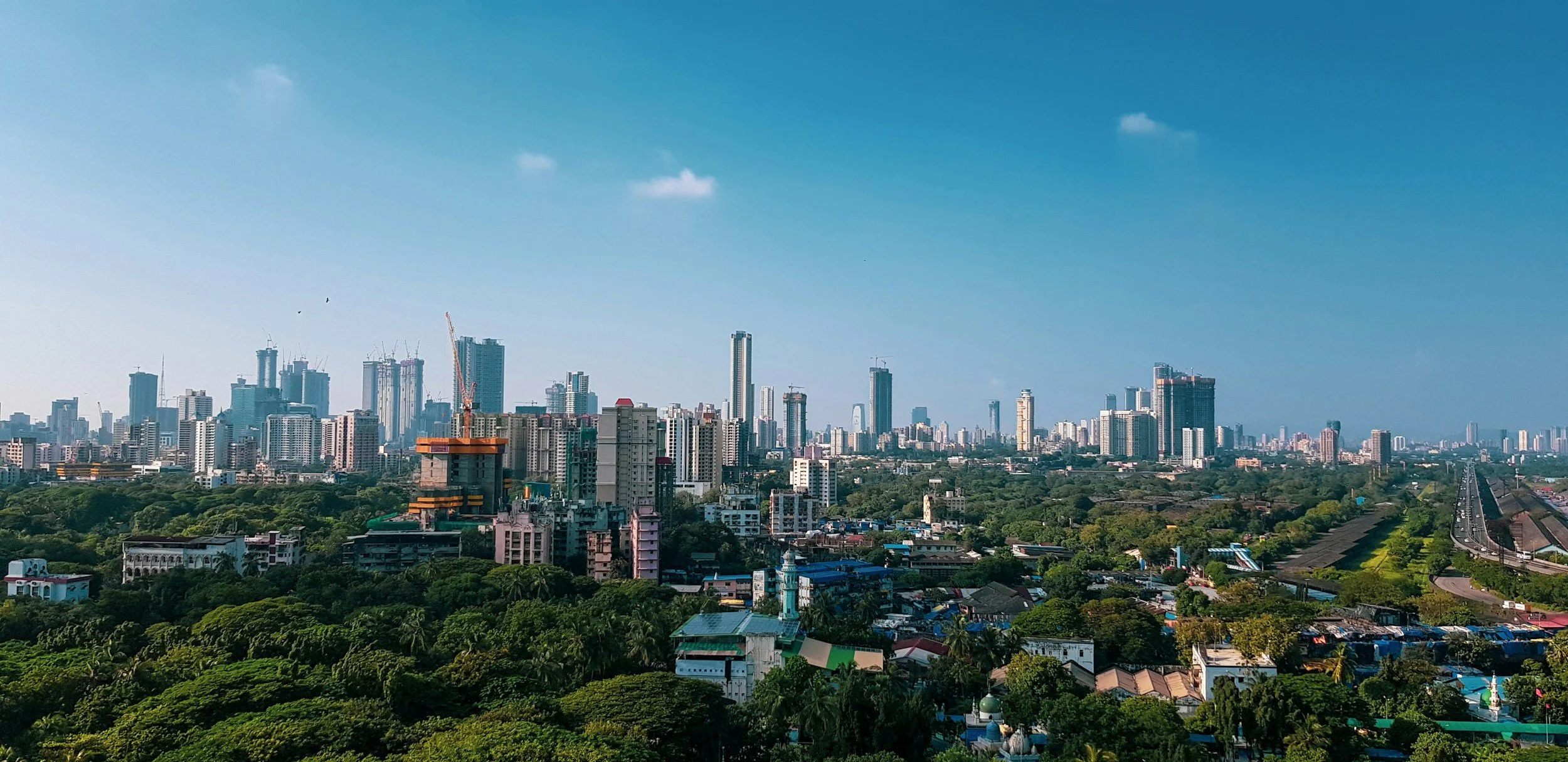
In its diplomacy, India has reprioritized its near neighborhood, extending financial, developmental, and trading benefits to other South Asian countries and revitalizing more productive regional institutions.


By Hsiao-Chen Lin
The evolving scenario between India and Pakistan also serves as a timely analytical lens through which Taiwan can assess its own strategic vulnerabilities and prepare more robustly for future contingencies in the Indo-Pacific theatre.

By Udaibir Das
While financial institutions promote debt swaps as ‘win-win’ solutions that address both debt distress and development financing, borrowing countries report a systematic failure in achieving both objectives, revealing an inversion of development finance principles.
By Dhruva Jaishankar
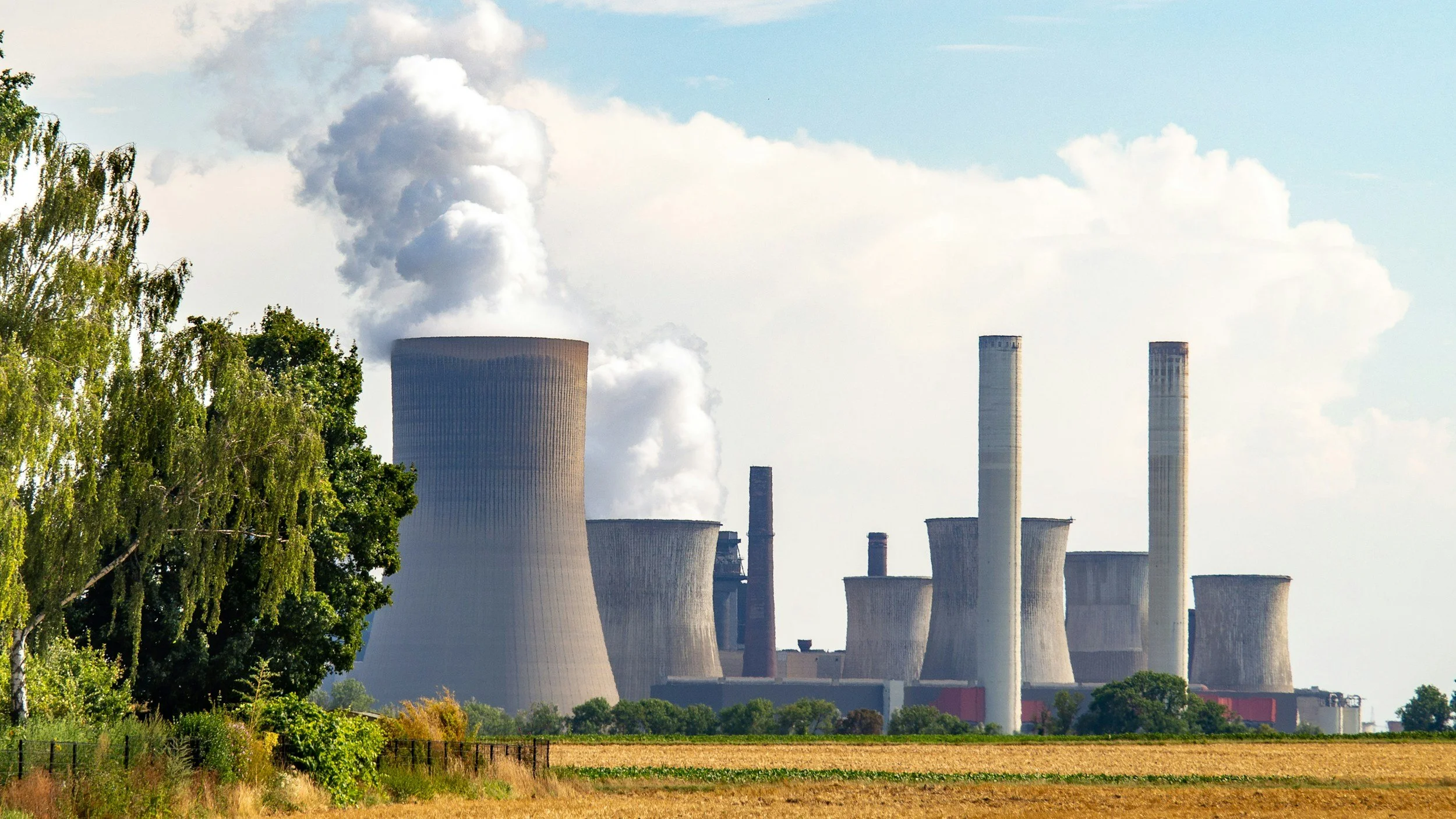
For India, navigating U.S. export controls remains a challenge 20 years since the civilian nuclear agreement was signed.

By Udaibir Das
If climate finance is to support transitions that are durable and inclusive, it must evolve to accommodate precisely these kinds of interventions: institutionally grounded, locally designed and systemically significant.

By Anit Mukherjee
As artificial intelligence (AI) becomes a key enabler of economic and social transformation, the BRICS grouping — comprising both emerging and influential economies — has a unique opportunity to shape the trajectory of AI development through a Global South lens.

By Udaibir Das
As private digital tokens gain ground, existing oversight and payment monitoring frameworks are struggling to keep pace. While regulators debate their response, the market—driven mainly by U.S.-based technology and market actors—is moving ahead.


By Udaibir Das
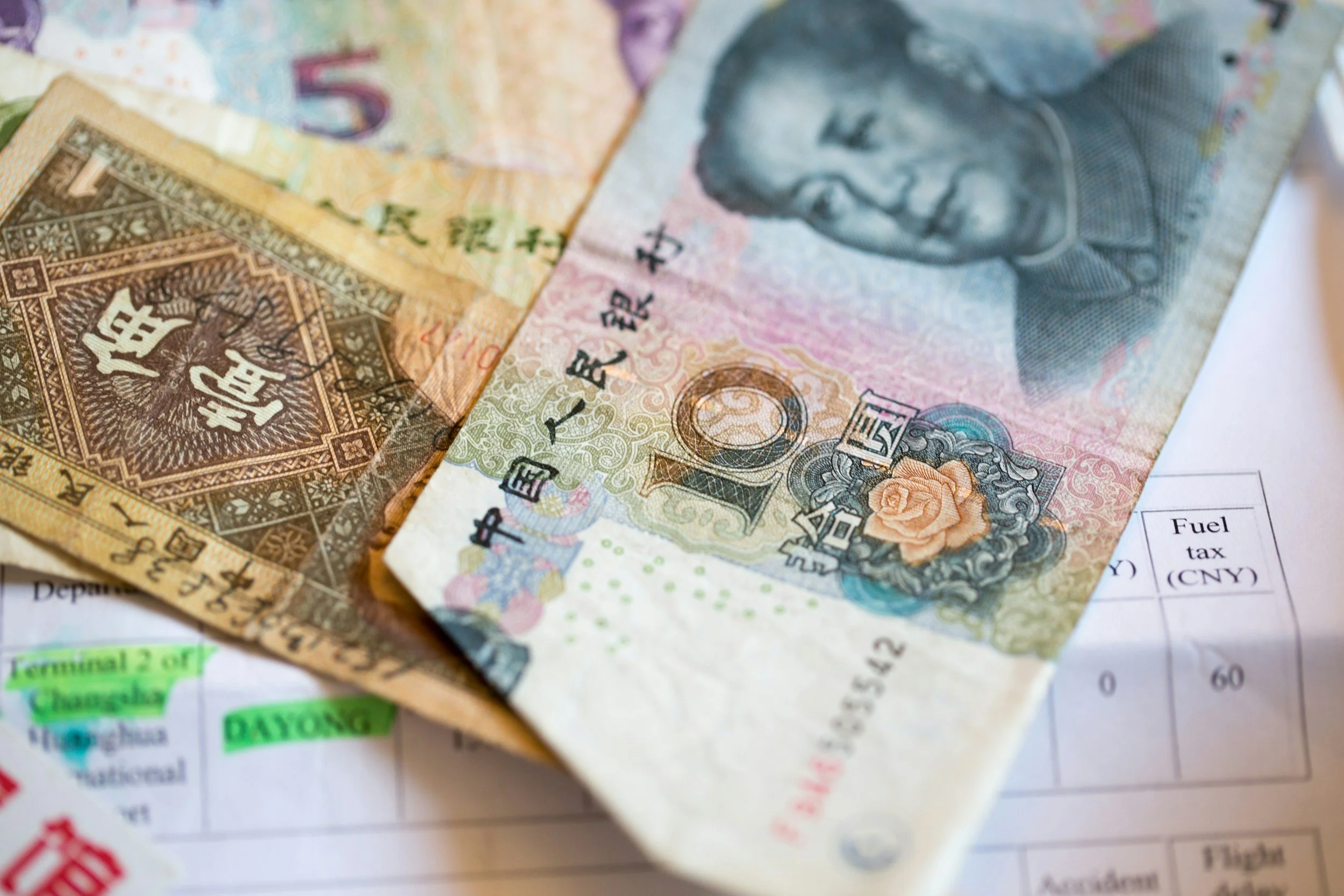
China must build on its institutional progress and the policy suggestions noted in the 2025 FSSA while adapting to a more fragmented global financial landscape. The shift from insulation, as pointed out by the IMF in 2010, as well as the shift to sensible integration, as outlined by the IMF in 2025, stays unfinished.

This special report explores the opportunities of a U.S.-India Strategic Energy and Industrial Partnership.
Special Report
By Aditya Ramji


By Udaibir Das
As concessional finance declines, vulnerabilities mount and aid priorities shift, vulnerable low-income countries must increasingly rely on domestic sources of funding. Efficient capital markets are not a luxury – they are foundational infrastructure for economic growth.


By Linda Nhon and Andreas Kuehn
Trump 2.0’s overall policy directions in critical and emerging technologies will likely hew to common expectations. The details, however, of what technologies the new administration will prioritise and how actions, such as tariffs and export controls for example, will affect the United States’ (US) innovation and technology leadership remains underexplored.

By Dhruva Jaishankar
Learnings from Delhi’s past should help in shaping the future as India bets big on new critical technologies.

By Udaibir Das
The key question is not whether the decline in aid and external assistance will push these economies towards more debt – it already does – but rather what kind of debt they will incur and what long-term implications it will bring.

By Dhruva Jaishankar
The EU and India both have apprehensions about China’s economic and manufacturing supremacy threatening employment and businesses at home.

By Dhruva Jaishankar
Trump and Modi announced a wide-ranging agenda to take the bilateral relationship forward. It included efforts that built upon the progress made during the Biden administration, particularly in terms of technology, defense, and regional cooperation.

By Dhruva Jaishankar
Understandably, Germany will be preoccupied in the short term with Europe’s eastern and southern flanks, the transatlantic relationship, and the Middle East, but Berlin has important economic and security interests in the Indo-Pacific.

By Udaibir Das
As AI takes on a greater role in economic analysis and policy, an unsettling question arises: will its ability to recognise systemic risks with historical precedents weaken with a lack of immediate algorithmic reference?


By Udaibir Das
The world’s most populous democracy faces a turbulent landscape of geopolitical rivalries, technological shifts and the urgency of climate action. The question remains: will global economic forces propel India toward leadership or will they impede its ascent?


By Udaibir Das
In 2024, Africa’s economic and political importance grew significantly, laying a strong foundation for 2025 to be a transformative year for the continent.

By Udaibir Das
In a climate emergency, redundancy might be precisely what resilience requires. The sovereignty premium is that insurance price. Whether it’s worth paying depends on how much autonomy matters versus efficiency – and whether choice exists at all.

By Piyush Verma and Abhinav Jindal
India’s bid to host COP 33 is a clear signal of geopolitical intent. It positions the world’s largest democracy, the most populous nation and the fourth-largest economy as a bridge between developed and developing worlds.

Edited Volume
By Elie Alhajjar, Raj Shekhar, Divyansh Kaushik, Honson Tran, Megha Shrivastava, Zeena Nisar, Ingrid Erickson, Urmi Tat, Resham Sethi, Priyanshu Gupta, Katelyn Radack, Mandeep Rai, Neeraj Jain, Vaibhav Garg, Jatin Patni, and Wm. Matthew Kennedy
Editors: Andreas Kuehn and Anulekha Nandi

By Divyansh Kaushik and Lindsey Ford
The recent bilateral crisis has caused significant damage, but it has not destroyed the fundamental calculation that brought TRUST into being: the United States and India need each other to maintain democratic technological leadership against authoritarian competition.

By Piyush Verma
By working more closely with India, South Africa, and Indonesia, Brazil can move faster at home, bargain better abroad, and ensure the Global South is not just present but powerful at the table where tomorrow’s rules are written.

By Dhruva Jaishankar
A strong transatlantic bond that for almost eight decades had evolved into a highly integrated defense and economic system among the world’s leading industrial economies – institutionalized under the North Atlantic Treaty Organization (NATO) and G7 – now faces new stresses.

By Anit Mukherjee
With only two months left for the start of the leaders’ summit in Belém, the future of climate action seems to be based more on hope than conviction. A positive outcome from COP30 will require stronger commitment from the global community than what we have seen until now.

By Udaibir Das
Financial surveillance fails when it matters most. Every major financial disruption – from the 1997 Asian crisis to the 2008 financial crisis or recent geopolitical shocks from wars, sanctions and trade realignments – has exposed how blind spots persist in national systems, regional arrangements and global oversight.

By Hsiao-Chen Lin
By pointing out that even Beijing engages with Taipei in similar domains, New Delhi exposed the overreach in China’s narrative. The line was sharply drawn; recognition does not equate to subordination.

By Karan Bhasin
A lesser-known reality of the GST is that it has a total of eight tax slabs, excluding the exemptions. These start at 0.25 and go all the way up to 28 per cent.
By Udaibir Das
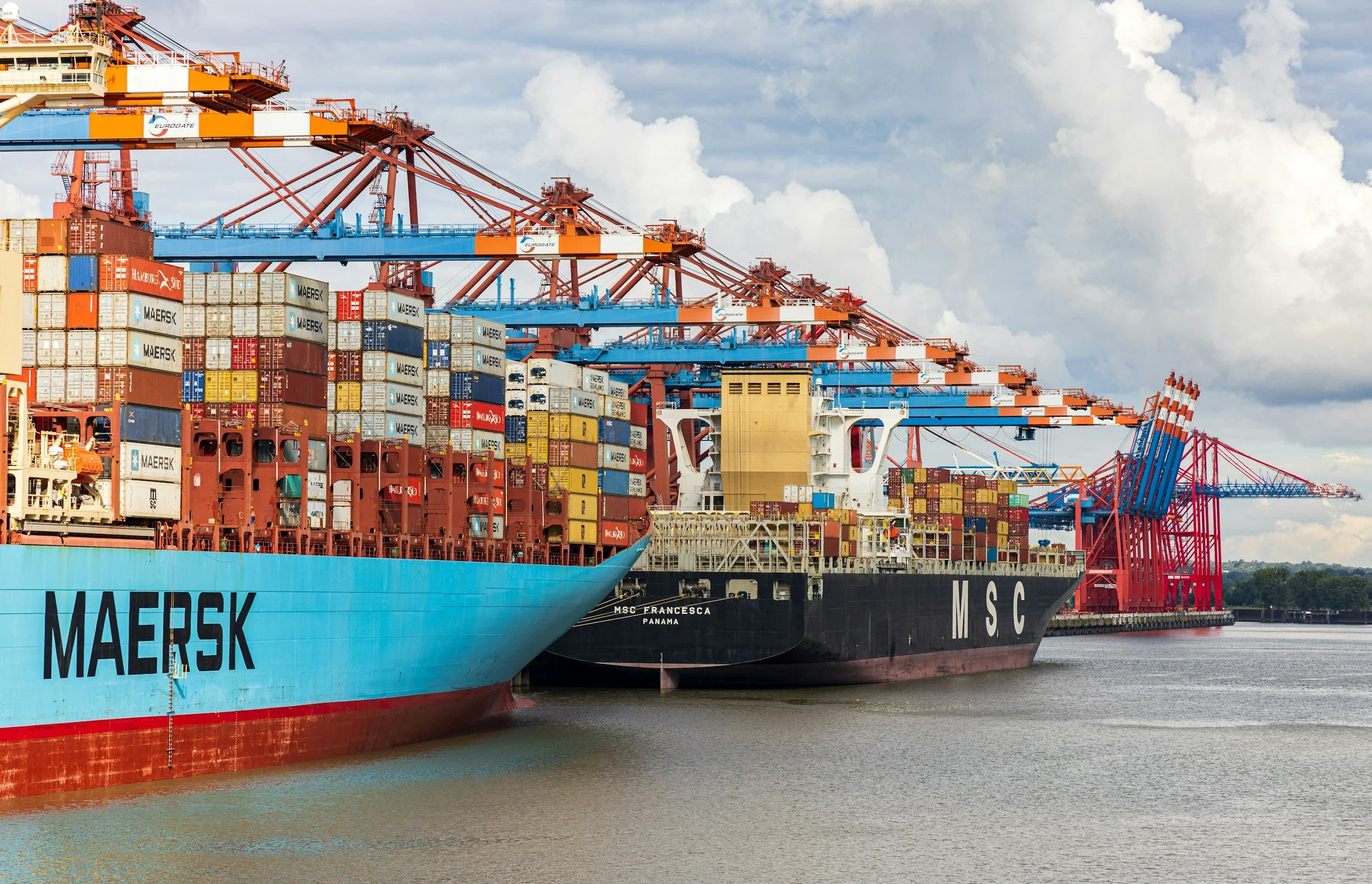
In dynamic-system terms, the global economy has shifted from a high-integration equilibrium towards a more fragmented state, but the transition path is still in motion. For financial institutions, the challenge is calibrating marginal gain in resilience against the marginal erosion of competitive advantage.

By Piyush Verma
At a time when multilateralism is under significant stress and global climate finance remains skewed and inequitably distributed, IBSA+Indonesia offers a fresh model of geopolitical collaboration on energy and climate – anchored in shared values and driven by practical action.


By Anit Mukherjee
The Indo-Pacific’s future will be shaped by secure, interoperable digital systems that advance public service delivery, expand financial inclusion, and foster cross-border collaboration.

By Brian Webster, Alan Gelb, and Anit Mukherjee
Shifting the payment of social transfers from cash to direct deposit via bank or mobile money accounts can directly improve efficiency for governments and convenience for beneficiaries. It may also produce positive spillovers such as boosting financial inclusion and empowering women. But do these spillovers materialize, and under what circumstances?


By Udaibir Das
The Trevor Manuel G20 Africa Expert Panel Report reframes Africa’s constraints as a single system of mispricing, debt compression and governance asymmetry. Its proposals for refinancing, collective bargaining and International Monetary Fund quota reform mark the first coordinated attempt to shift power within the international financial architecture.

By Udaibir Das
Ubuntu economics does not invoke moral claims. It advances a structural argument: Africa’s demographic momentum, mineral endowments and ecological assets are central to global prosperity, and instability in the region imposes system-wide costs. The reform frameworks are now primarily in place. The question is whether the political and institutional conditions of 2026 permit their implementation.


By Piyush Verma and Telmen Altanshagai
Mongolia is not just a customer or supplier—but a co-partner in building new regional supply-chains, new corridors and new resource-alliances. It speaks to a future where India is not simply plugged into global energy markets, but co-creating them.

By Udaibir Das
While stability prevails in institutional titles, resilience prevails in policy content. This shift influences the oversight and allocation of approximately $470tn in global financial assets. This has structural implications and affects public accountability.

By Dhruva Jaishankar and Ammar Nainar
Once a quiet backstage function of the armed forces, defence diplomacy has emerged as one of India's sharpest tools of statecraft. From joint exercises and training missions to disaster relief and maritime surveillance, India's military now operates far beyond the battlefield: building trust, shaping partnerships, and projecting the country's strategic interests on a rapidly shifting global stage.
By Julianne Smith and Lindsey Ford
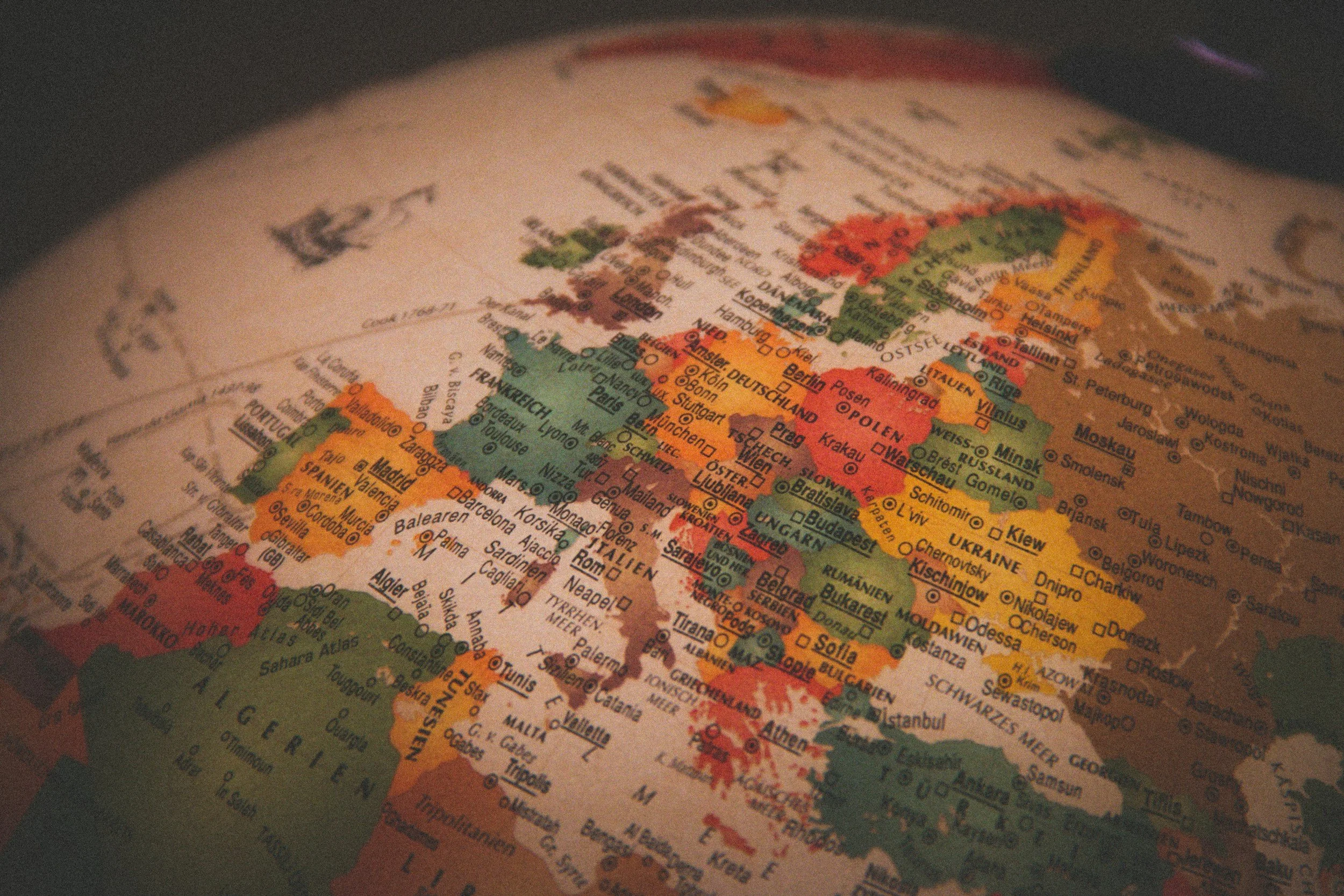
American allies are rapidly transforming their relationships whether Washington likes it or not; these networks can either serve or undermine U.S. interests depending on how Washington engages with them. If the United States fails to reset ties with Asian and European partners, it risks being left on the sidelines of a rapidly changing world order.

By Udaibir Das
What began as a spread on a bond has become a spread across the sovereign balance sheet. The 2025 annual meetings have made clear that incremental adjustments will not suffice. Until new institutions and norms emerge, sovereigns will continue to pay in basis points and in ownership and discover that what the premium buys is not sovereignty, but postponement.


Background Paper No. 35
By Udaibir Das and Hansika Nath