
In the News
By Piyush Verma
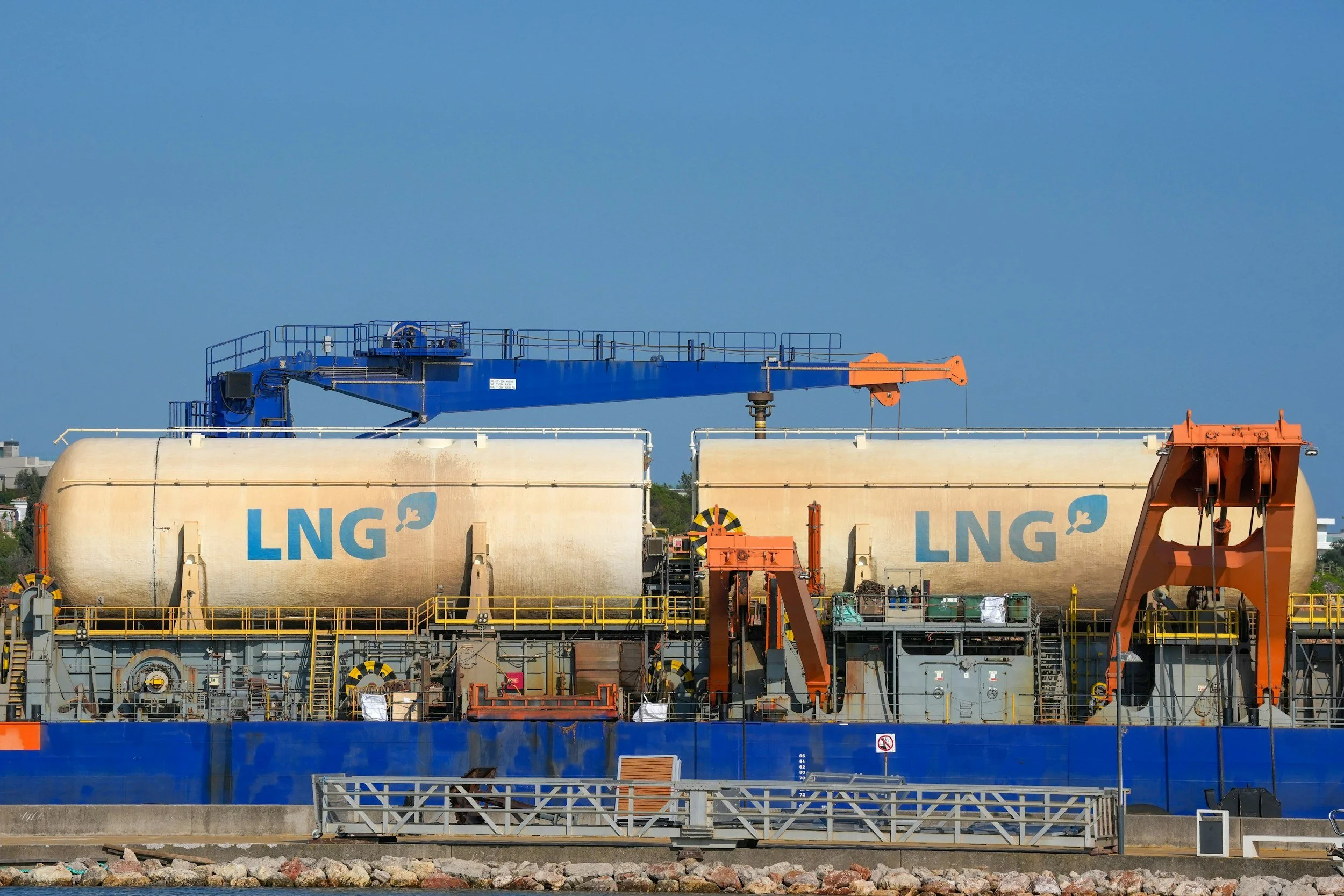
The conflict in West Asia was not South Asia's war. But South Asia — and particularly the smaller South Asian states such as Nepal, Bangladesh, and Bhutan — are paying the price in fuel queues, kitchen economies, and fiscal wounds that will take years to heal.
By Anit Mukherjee and Caroline Arkalji
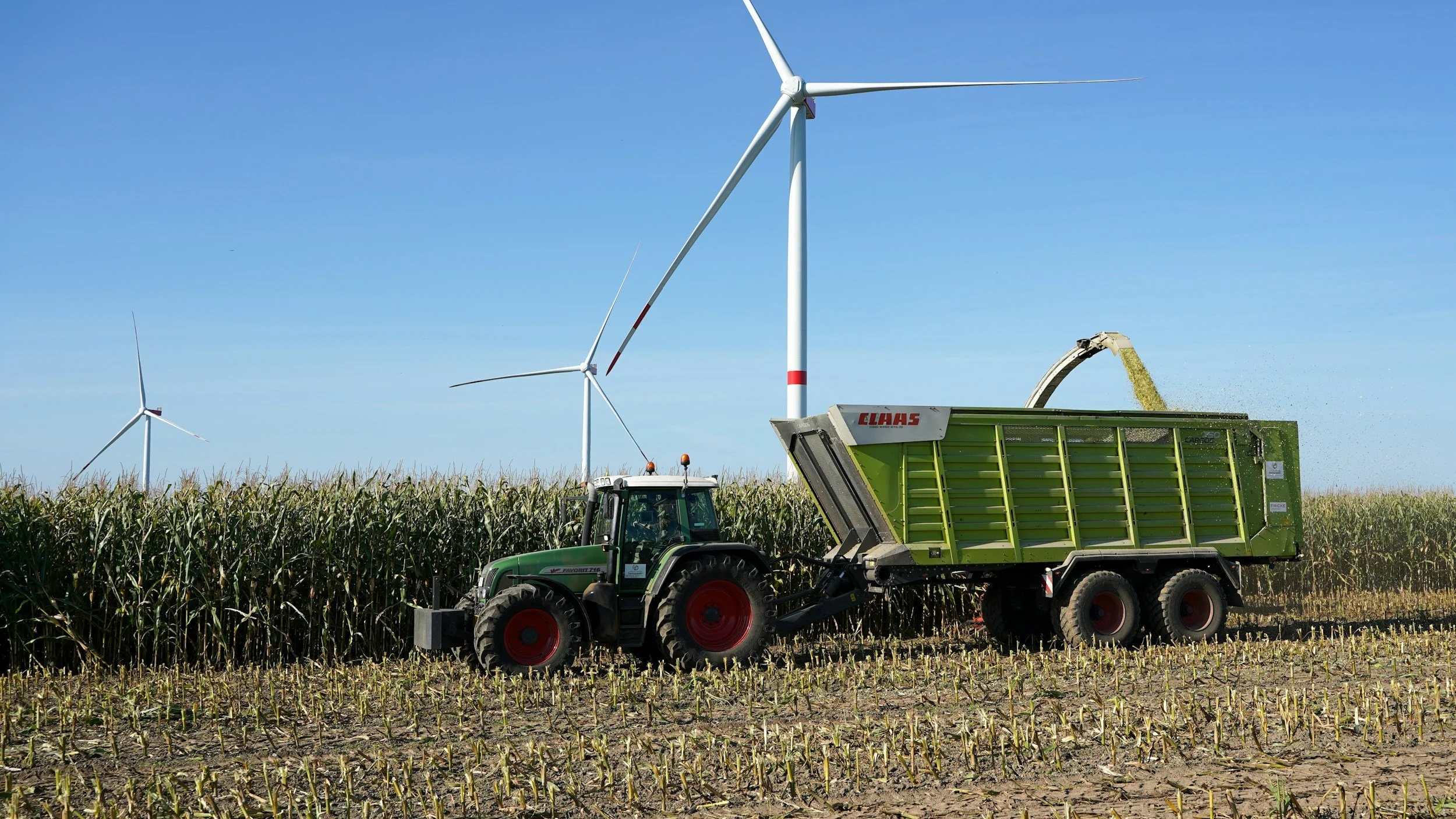
If implemented effectively, the Global Biofuels Alliance could help position biofuels not simply as a short-term response to supply disruptions, but as a more strategic pillar of long-term energy security, industrial development, and energy transitions.
By Anit Mukherjee
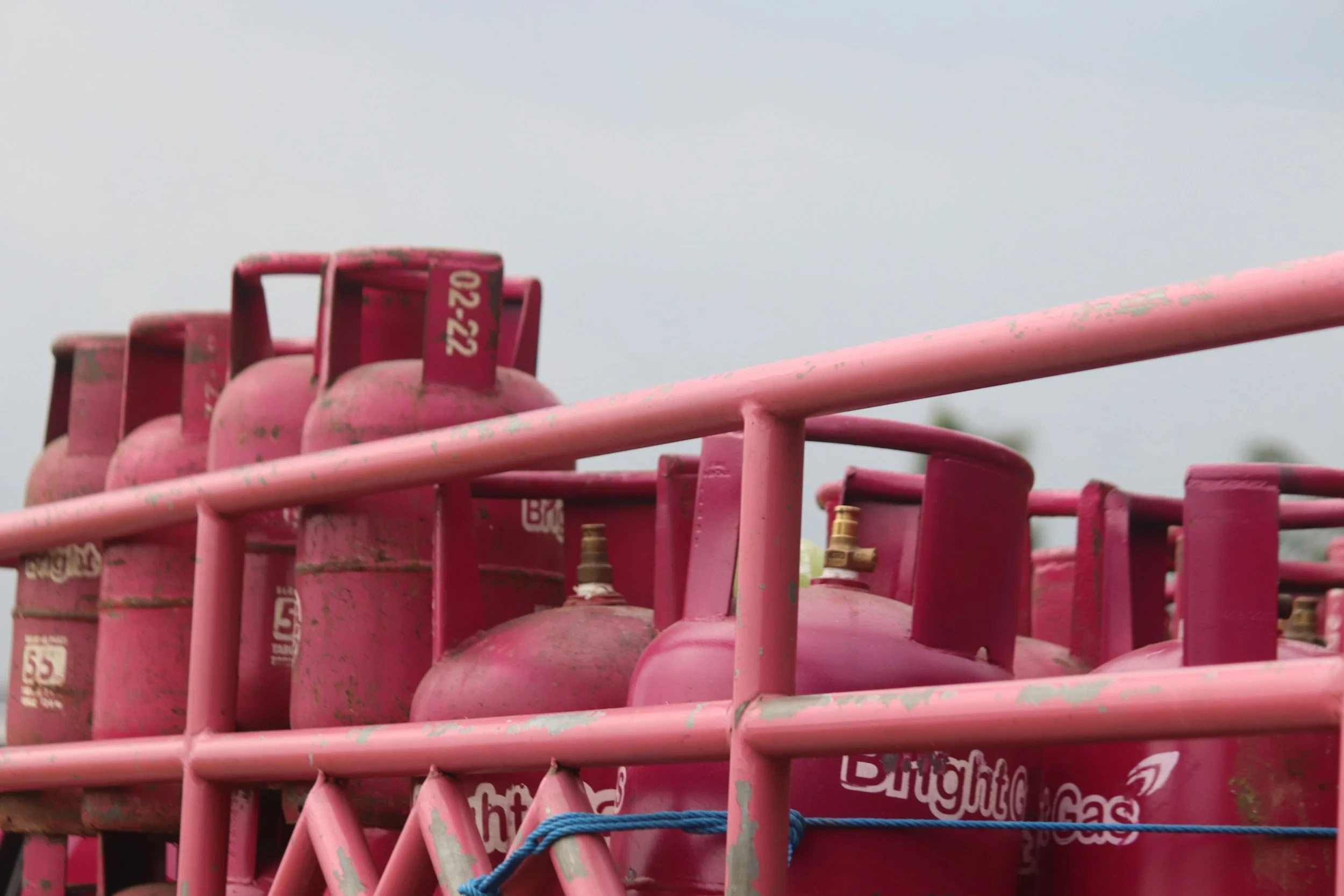
The current crisis in the Middle East has demonstrated that ensuring energy security will remain a challenge for policymakers in the foreseeable future, especially for countries like India. At the same time, the current disruption provides an opportunity to initiate and build on energy sector reforms to make sure that countries are better prepared to deal with such shocks in the future.
Listen to the
Around the World Podcast
About ORF America
The Observer Research Foundation America (ORF America) is an independent, non-partisan, and nonprofit organization in Washington, D.C. that produces research, curates diverse and inclusive platforms, and develops networks for cooperation between the developed and developing worlds.
Explaining India: Understanding Public Policy
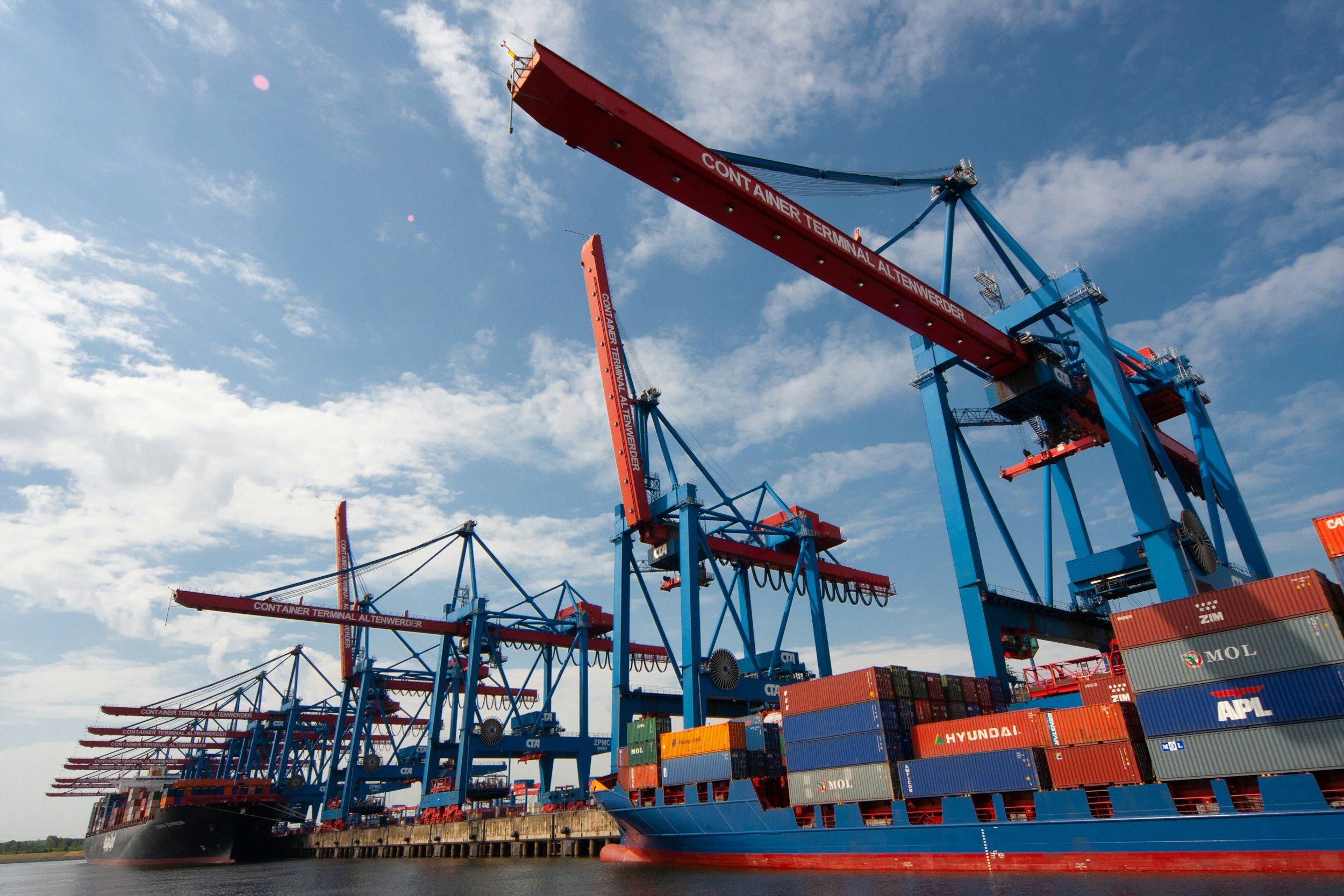
By Ashita Jain
The proposed India-U.S. trade deal discussions are distinct from traditional FTA negotiations, for they resemble a strategic economic partnership being negotiated under tariff pressure and in pursuit of an increasingly elusive sense of predictability for Indian exporters.
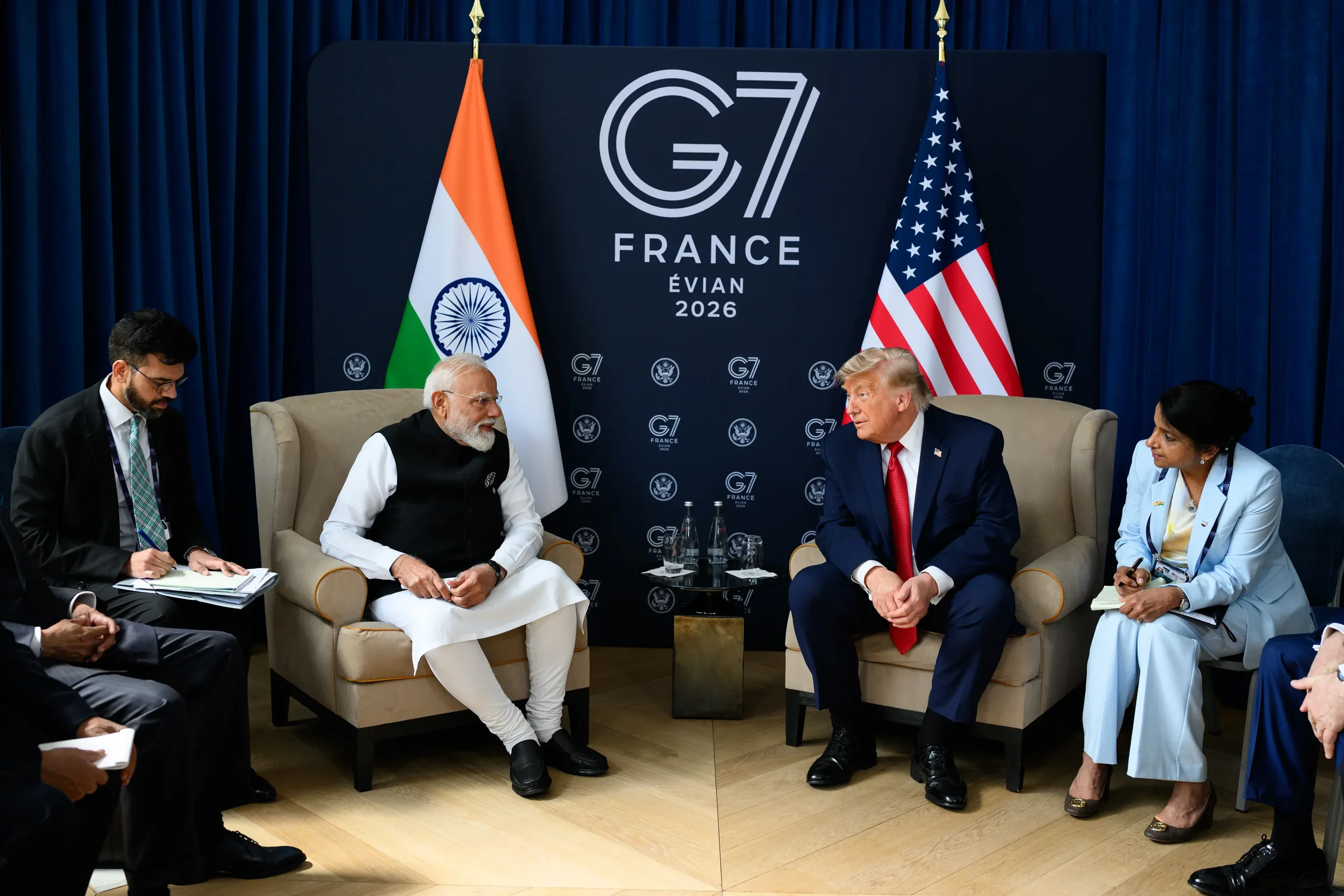
By Dhruva Jaishankar
What’s the latest on U.S.-India relations? Dhruva Jaishankar answers.

By Dhruva Jaishankar and Jeffrey D. Bean
Earlier this month, India was among the first countries to receive expanded access to Anthropic's Claude Mythos large language model, but the White House decision to block all foreign access to Anthropic’s new Mythos and Fable models via export control elevates concerns regarding reliability of U.S. partnership and AI dependency.

By Rohan Sharma
The United States’ and India’s commitments are clear: pro-innovation regulation, joint next-generation data centers, and cooperation on advanced compute. But agreements do not operationalize themselves. What is needed is not another forum, but an interface. A jointly staffed mechanism, anchored in implementation agencies, becomes the only viable bridge.
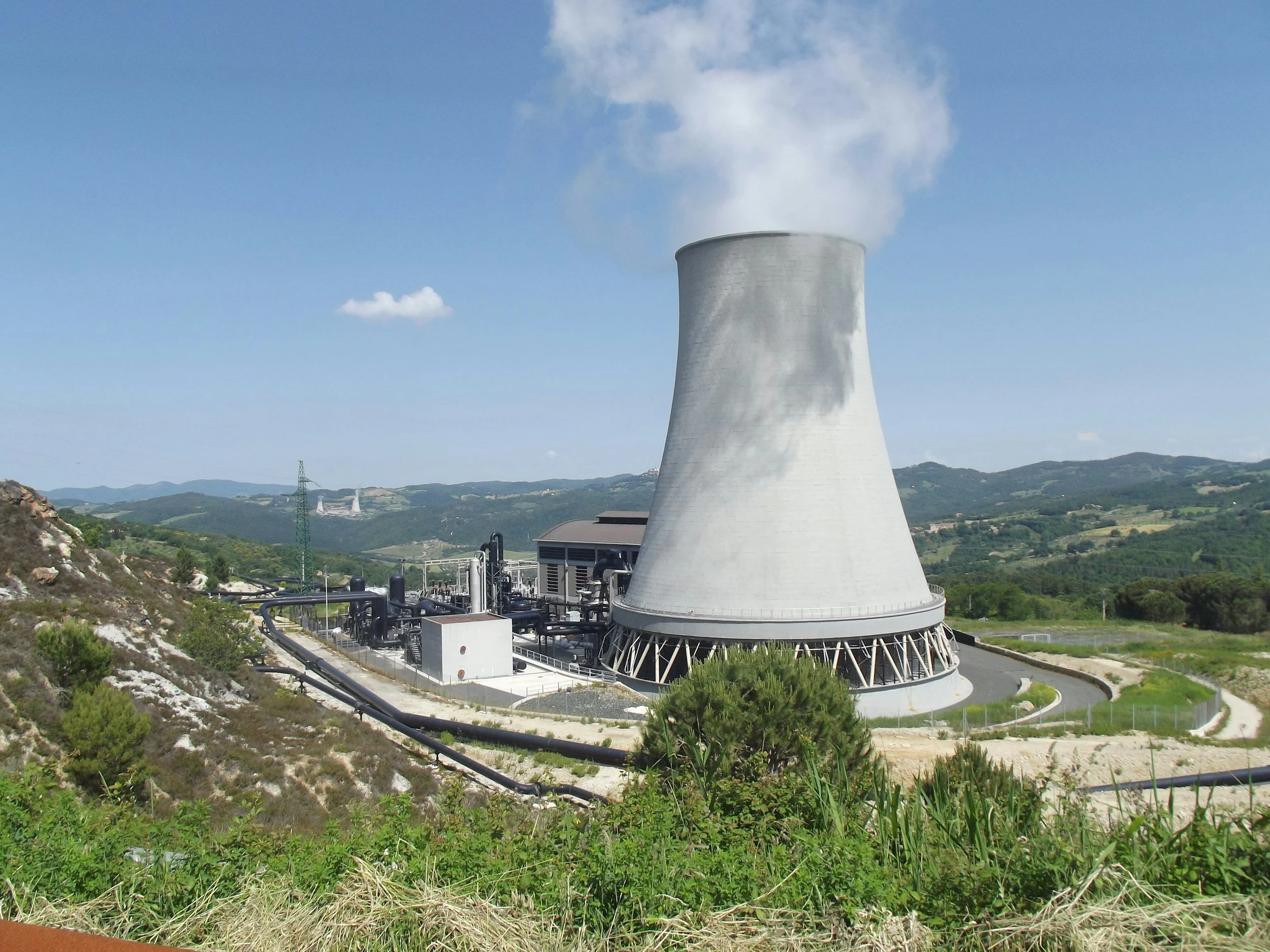
By Vishal Manve
India’s nuclear future is increasingly unfolding along two parallel tracks, one rooted in indigenous strategic capability and the other in internationally integrated commercial innovation. For Washington, understanding and engaging both will be central to the next phase of U.S.–India civil nuclear cooperation.

By Rudra Chaudhuri
There is a need for an architecture, such as a Trusted AI Corridor, which can help mitigate the risk that regulators in both the United States and India take steps that could roll back years of investment in a deepening technology partnership.
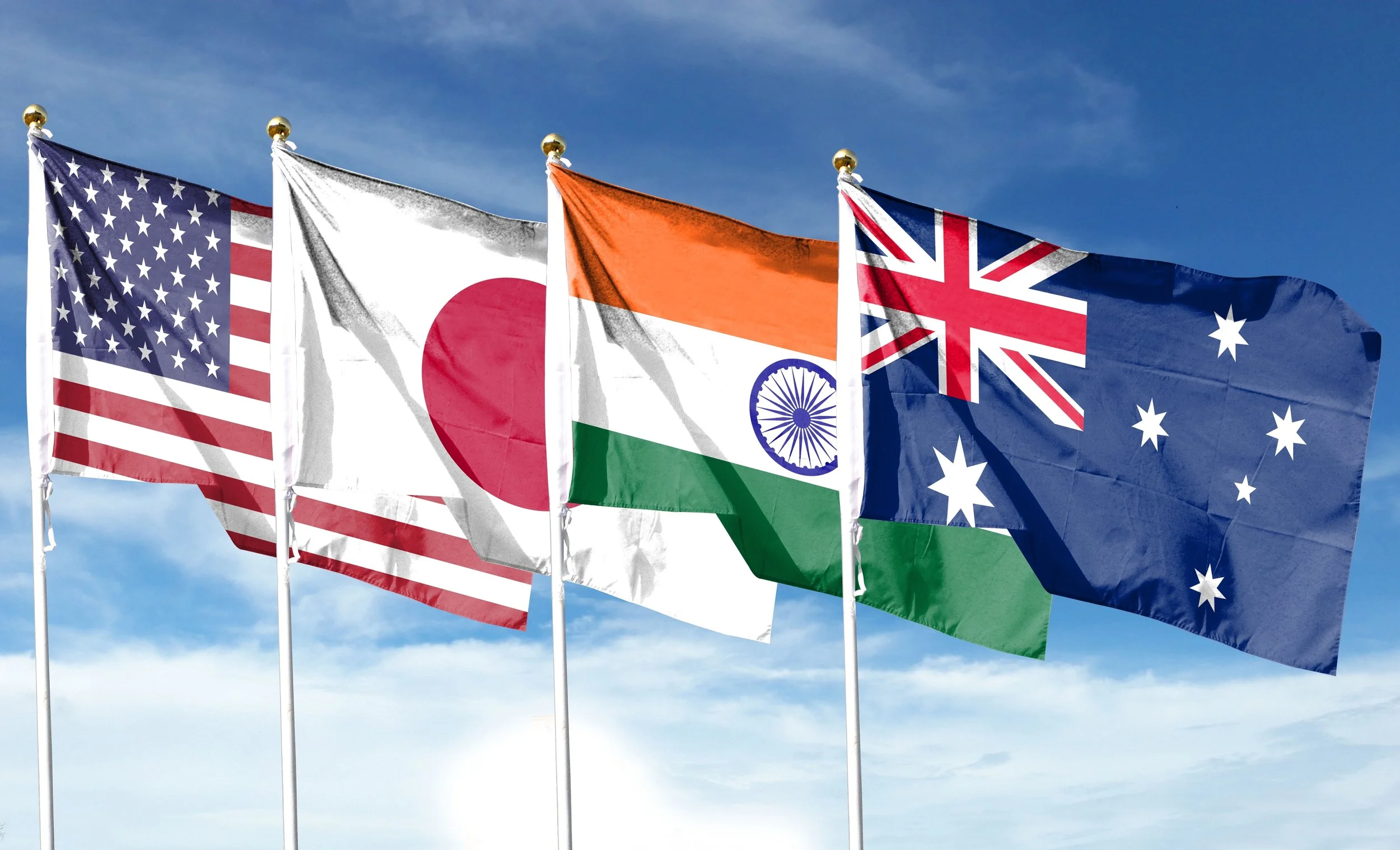
By Dhruva Jaishankar
The latest Quad joint statement highlights how economic security is receiving priority at this juncture, critical and emerging technologies are being somewhat marginalized by unilateral and bilateral efforts, and efforts of maritime security continue to progress in a more workmanlike manner.
By Ammar Nainar
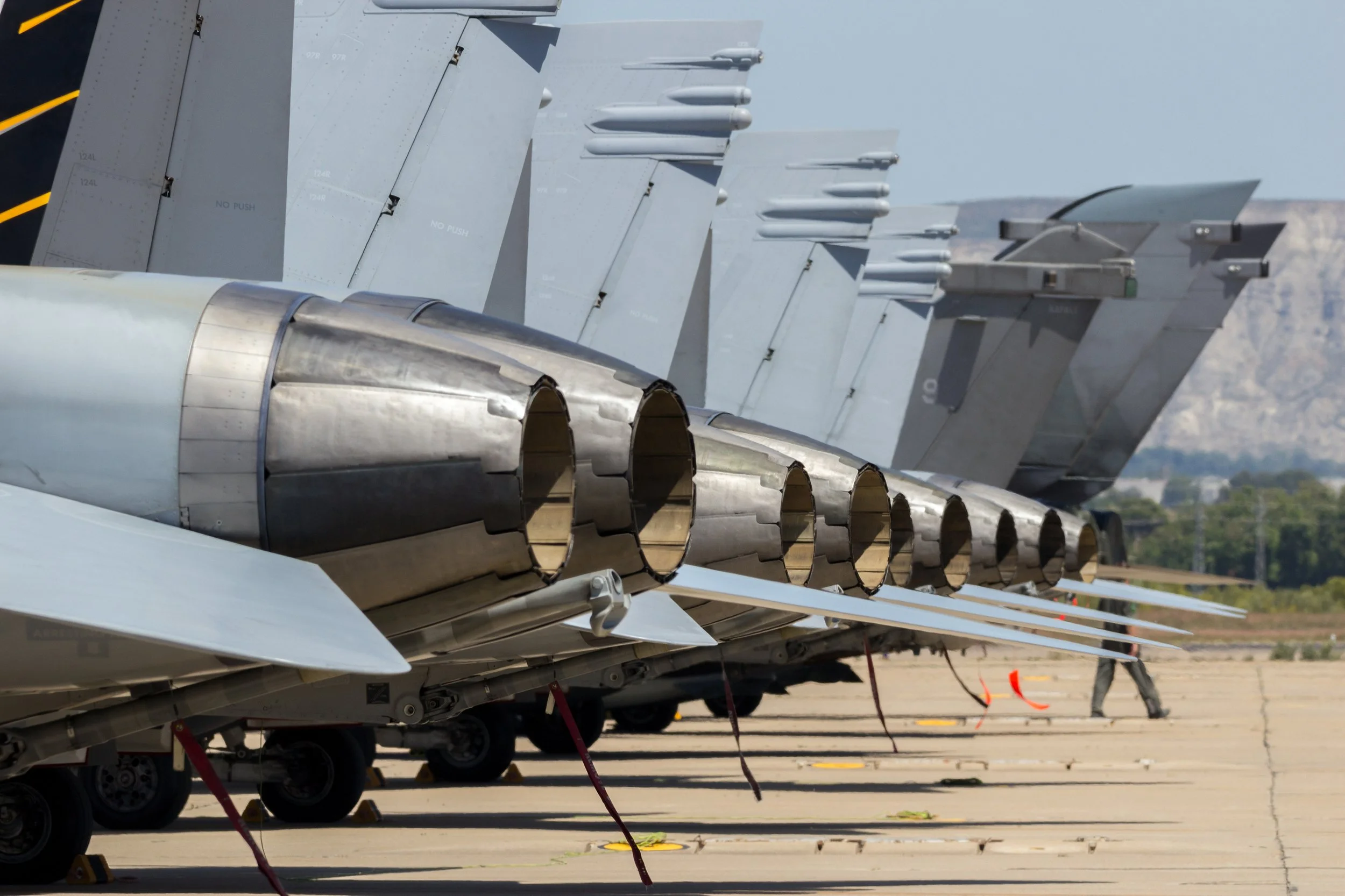
The Iran War has already had a severe impact on the United States’ arms and ammunition inventory. The new demands for arms and munitions come just as India has begun to improve its domestic weapons manufacturing and promote defense exports. In the coming years, this offers opportunities for India and the United States to cooperate in defense manufacturing at scale.

By Rohan Sharma
The effectiveness of U.S.-India AI cooperation will be measured not by the number of joint statements issued, but by whether both countries can build systems that are trusted, interoperable, and deployable across borders.

By Ammar Nainar
For the first time in a defense framework agreement, India and the United States specified “operational coordination” as an objective for enhancing collaboration in Professional Military Education (PME) and training. While earlier exchanges largely involved India borrowing best practices from the United States, recent cooperation between the two countries has emphasized greater joint activities and operations.
By Dhruva Jaishankar
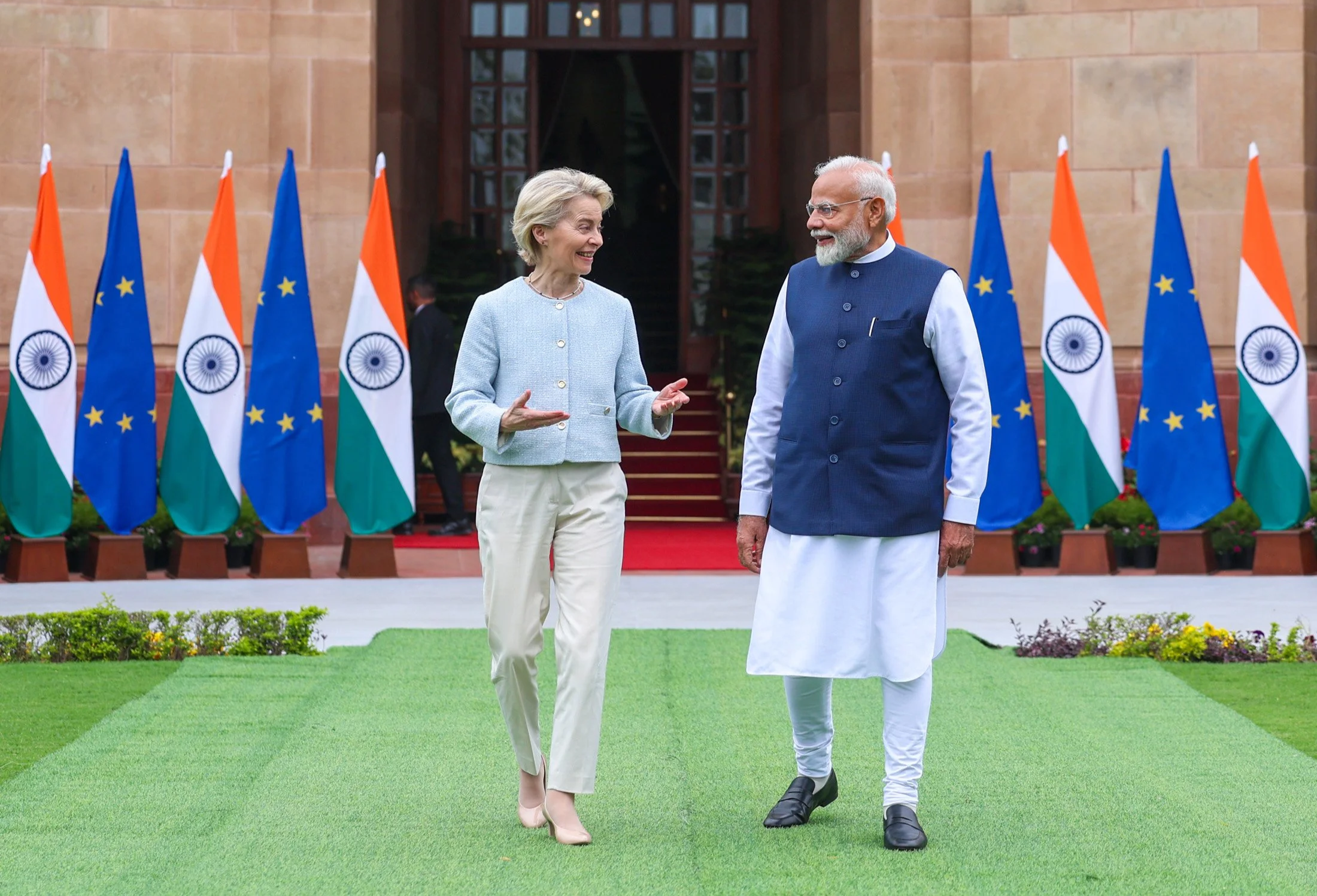
As official EU-India relations have surged ahead over the past year, the non-governmental sector will quickly need to catch up.

By Dhruva Jaishankar
The new joint defense declaration between India and Australia articulated a more ambitious objective of defense industrial cooperation, including to “develop arrangements for advanced defense science and technology collaboration.” This may appear challenging, but India has made remarkable developments in its defense industrial capabilities over the past five years. These offer little-appreciated opportunities for many of its partners, including Australia.

By Vasabjit Banerjee
China evidently recognises the Calcutta Port System as an economic force multiplier for India’s economic power in the region. The Indian government has recently advanced several solutions, from modernisation to expansion of the port system. Yet, more needs to be done by the Indian government and private investors to strengthen the port system to ward off Chinese influence.
By Sujai Shivakumar, Hideki Tomoshige, and Jeffrey D. Bean
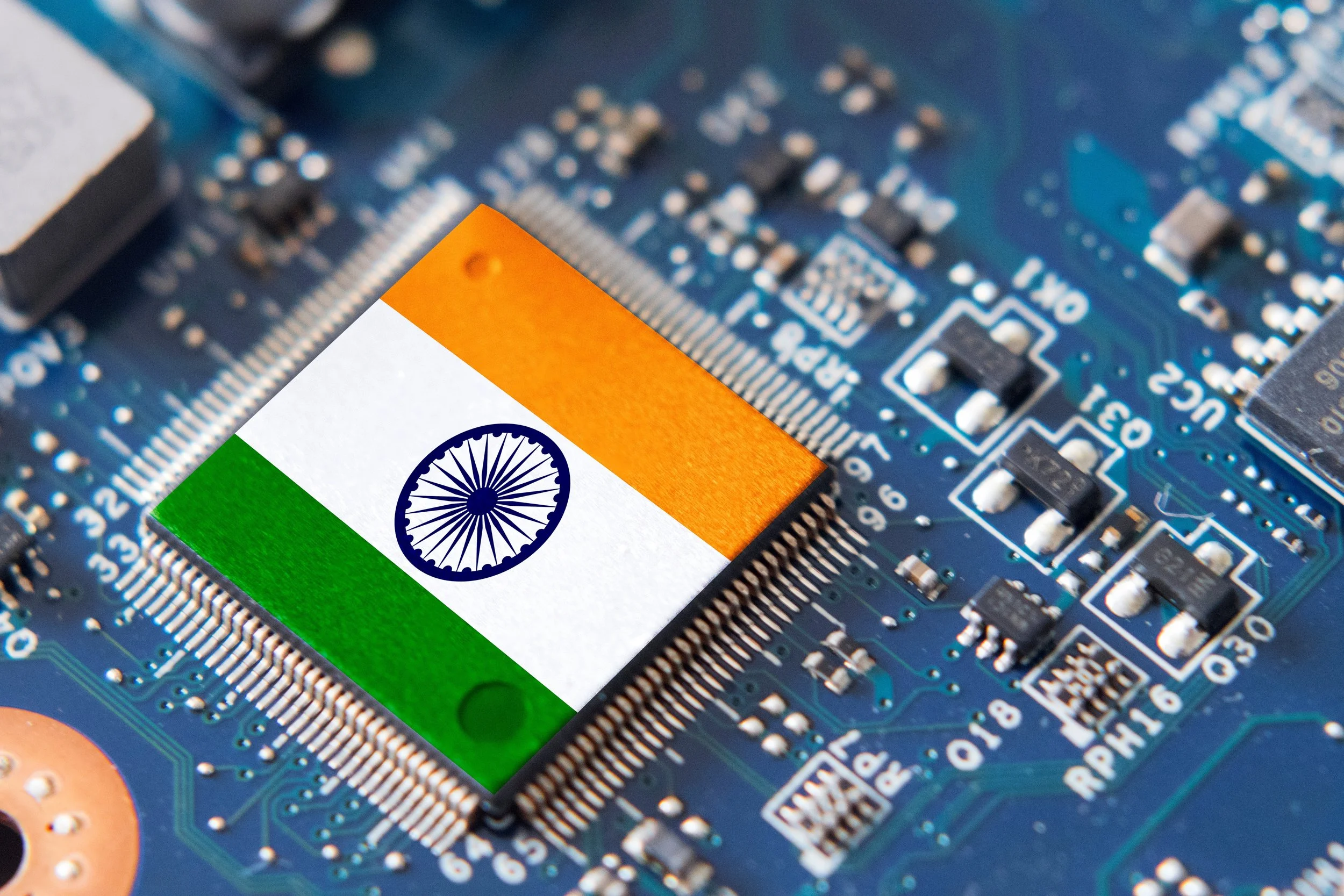
India is positioning itself as an increasingly important node in the global semiconductor ecosystem, building on its established strengths in chip design and deep pool of STEM talent. These efforts come at a time when global semiconductor supply chains remain highly concentrated, creating opportunities for India to contribute to diversification and resilience.

By Udaibir Das
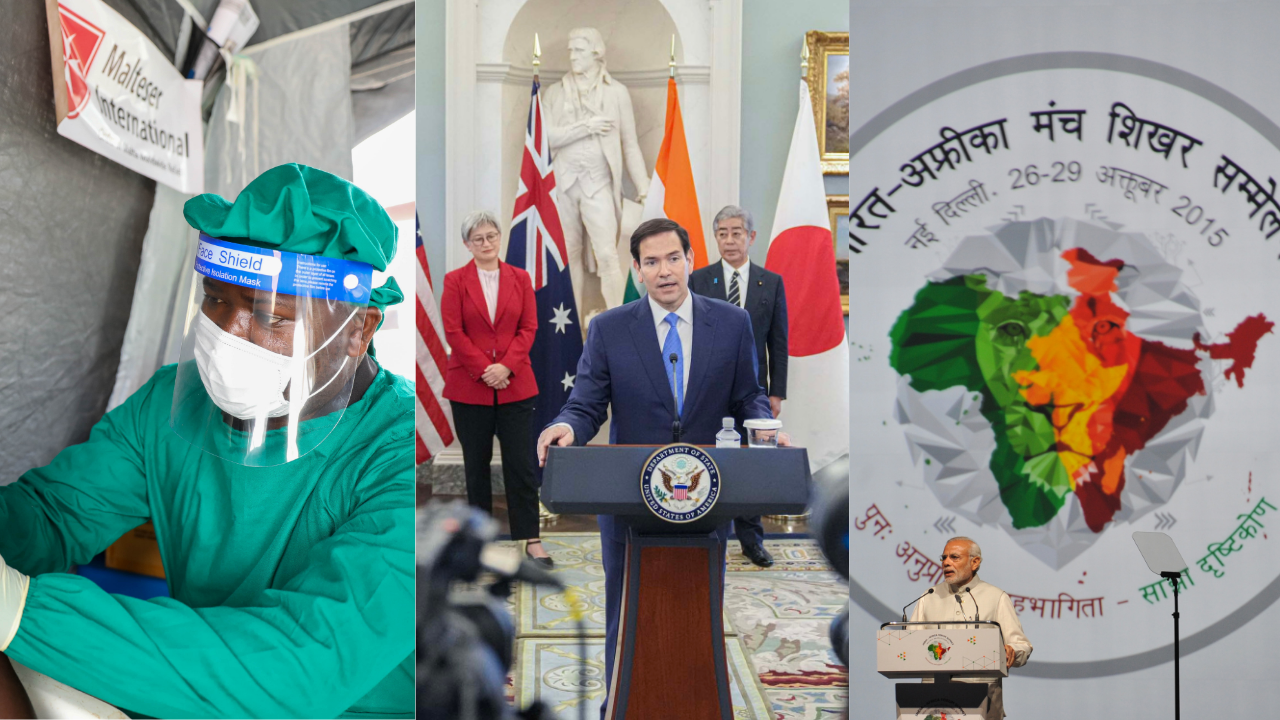
The current metrics of India–Africa economic diplomacy focused on mobilization volume, systematically fail along the diplomatic-financial chain. An integrated balance-sheet framework could realign these incentives through institutional capacity thresholds, end-use governance, and countercyclical safeguards, transforming diplomatic finance from a source of vulnerability into genuine development capital.


The U.S.-India Partnership: Strengthening Cooperation

By Caroline Arkalji and Piyush Verma
Green iron could become an important energy security and industrial competitiveness issue. Reducing dependence on imported coal, building domestic clean industrial capacity, and preparing for future export markets could all strengthen India’s long-term position.

By Siddharth Yadav
The ability of attackers using AI systems to mount an autonomous attack is spreading. The systems best able to defend against one, including the two OpenAI models in this test, are either unreleased or restricted to organizations with advance approval. That gap necessitates treating open models that anyone can download and run as the foundation of cyber defense, rather than a fallback.

By Ammar Nainar
In the long run, India will continue to deepen defense cooperation with a select group of West Asian and Mediterranean countries in partial response to developments such as the Mecca Agreement.

By Dylan Morgan
While the CCP may view Cheng as an opportunity to revive engagement, Taiwan’s political realities continue to place limits on how far she can move towards accommodating Beijing. Her current efforts to moderate her platform and temper pushback may be able to help her make inroads with a broader audience.

By Andreas Kuehn and Tara Chawla
The AI buildout is not simply a race for more advanced accelerators, but an infrastructure-centered contest to turn technology, energy, and capital into usable computing capacity. The decisive measure will not be announced spending or planned capacity, but how quickly those commitments become reliable, operational computing capacity.

By Sauradeep Bag
The central question is no longer whether sovereign digital money will emerge but what institutional form it will take, who will govern it, and whose economic interests it will serve.

By Prateek Tripathi
Though the field of quantum computing is not mature enough to provide remarkable practical applications at the moment, recent developments serve to exemplify the asymmetric nature of quantum technology development and how multiple incremental advancements can potentially lead to overall progress.

By Amoha Basrur and Pranoy Jainendran
With applications already spanning the automotive, aerospace, and data-centre sectors, spintronics has become a strategic priority for countries with the manufacturing capacity to compete for it, driving targeted R&D funding, national roadmaps, and industry partnerships aimed at securing technological leadership and supply chain resilience.

By Siddharth Yadav
Global corporate AI investment reached US$581.7 billion in 2025, more than double the previous year’s total, with most of it flowing to the economies that already dominate research and hardware. Economies with nascent domestic digital infrastructure, investment vehicles, research ecosystems, and governance frameworks risk being marginalized by the AI-driven future.
By Gopalika Arora
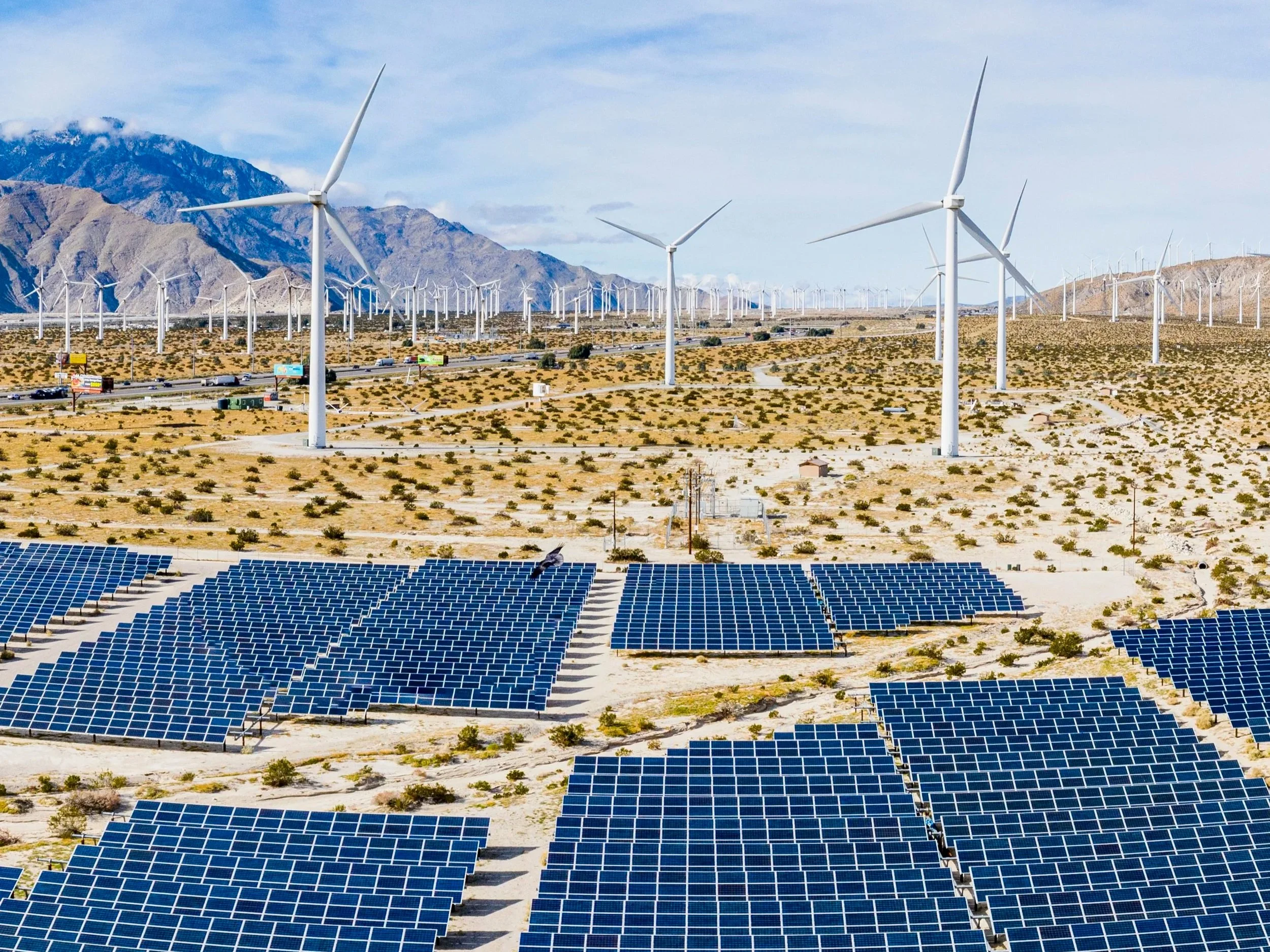
The retrenchment of finance is not merely a result of a temporary slowdown in climate finance commitments by the developed countries. It may also signal a deeper restructuring of the climate finance architecture driven by changing institutional priorities within the multilateral system that was expected to anchor the transition.

By Parul Bakshi and Lydia Powell
Over the past decade, three structural shifts have been reordering global energy trade, encompassing not only traditional oil and gas flows but also the rapidly growing cross-border trade in electricity and clean energy goods.

By Piyush Verma
For the Global South, the stakes are particularly high: the energy transition could unlock industrialization, resilience, and strategic bargaining power, but it could also reproduce older patterns of dependency through new technologies, standards, minerals, and financial asymmetries.

By Andreas Kuehn and Cauvery Ganapathy
While the integration of AI offers benefits for the optimization of energy systems through grid management, renewable energy integration, predictive maintenance, and accurate forecasting of alternative forms of energy, its energy-intensive nature could also negatively impact the countries and ecosystems seeking to adopt it.

By Medha Prasanna
The oil age will not end because the world runs out of oil, but because oil reserves stop being worth pumping. The UAE has moved fast, not as just a knee-jerk reaction to the conflict in the region, but as a strategic divergence.

By Andre Nicola
Across South America, governments are increasingly framing environmental regulation as a constraint on growth, investment, and national competitiveness. South America's political direction over the next several years will be an early test of whether economic development can be reconciled with environmental stewardship throughout the region.
By Pietro Zecca
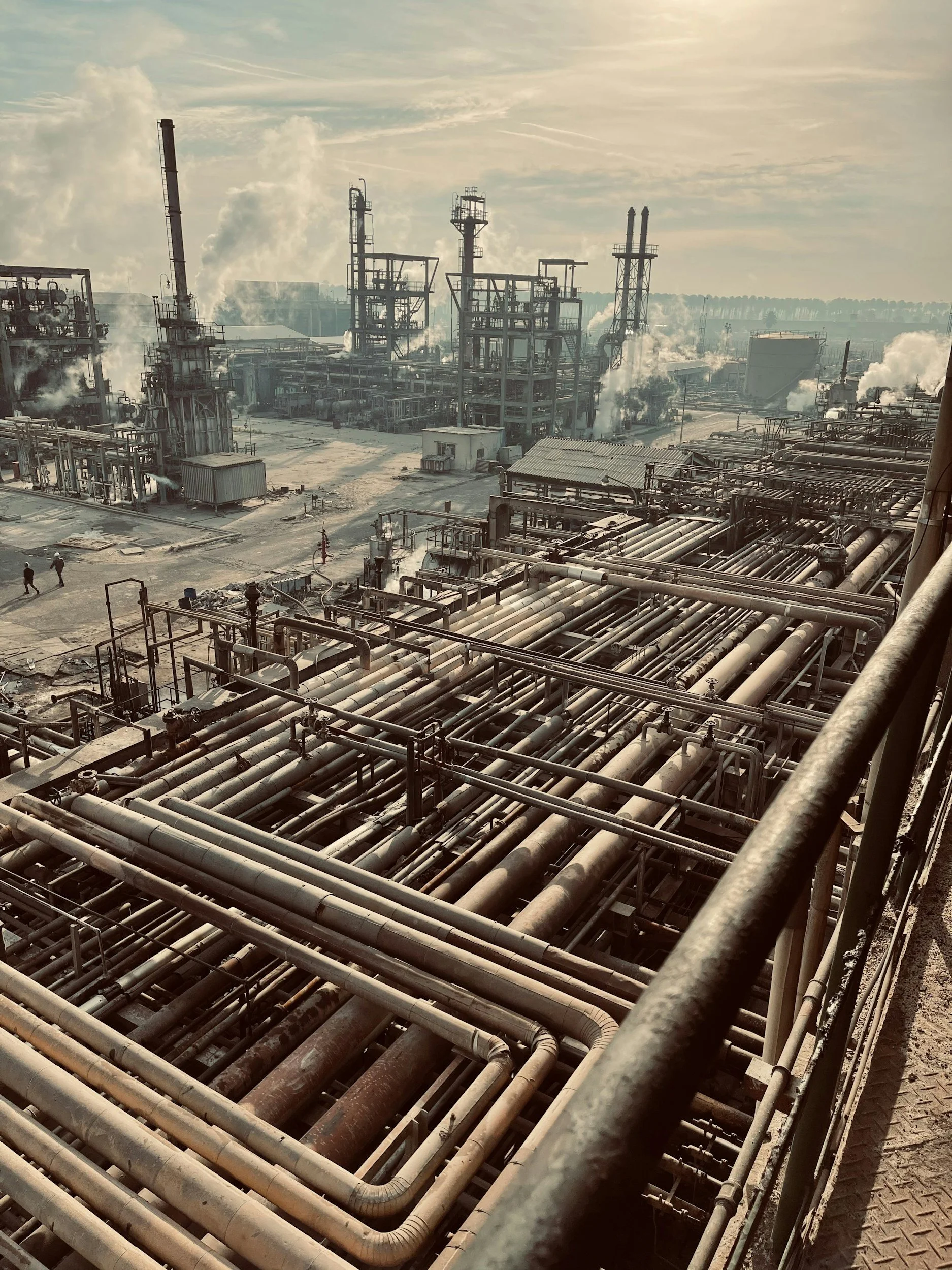
Pursued only through scattered pilot projects, industrial decarbonization stays fragmented and slow. Organized as clusters, it becomes more practical and politically durable, connecting climate finance to visible assets and bridging decarbonization with development.
By Uma Vatsa and Shailesh Mishra
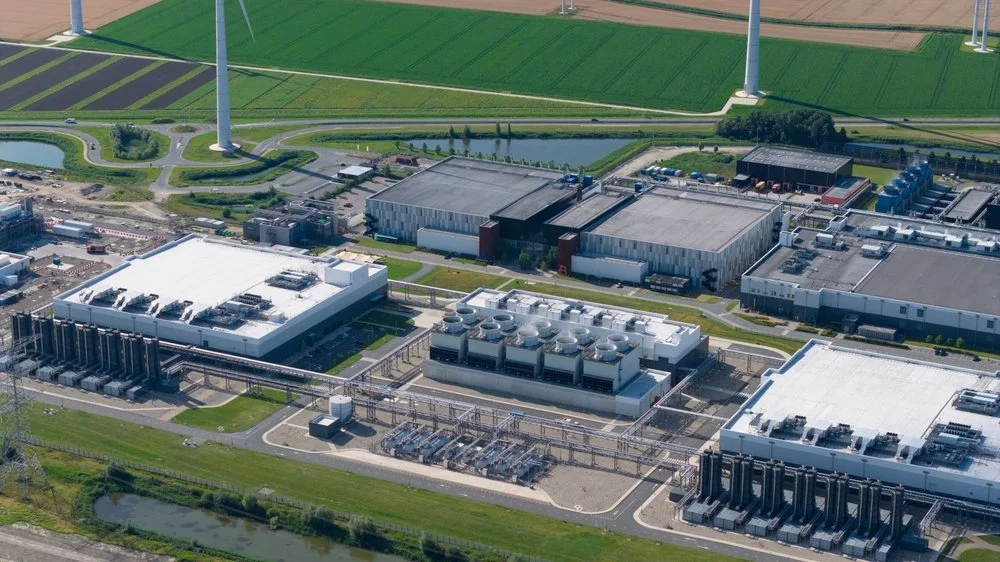
The AI industry is making large, long-lived bets on future demand, even as the technology itself is becoming more efficient. If AI systems become cheaper to run, more efficient to train, or less dependent on massively centralized compute, some of today’s infrastructure may prove oversized, poorly located, or economically fragile.

By Anit Mukherjee
As crude oil prices moderate and energy supplies become more predictable, India has an opportunity to address three key challenges.
By Ashita Jain
The proposed India-U.S. trade deal discussions are distinct from traditional FTA negotiations, for they resemble a strategic economic partnership being negotiated under tariff pressure and in pursuit of an increasingly elusive sense of predictability for Indian exporters.
By Dhruva Jaishankar
What’s the latest on U.S.-India relations? Dhruva Jaishankar answers.
By Samriddhi Vij, Akram Zaoui, and Mahdi Ghuloom
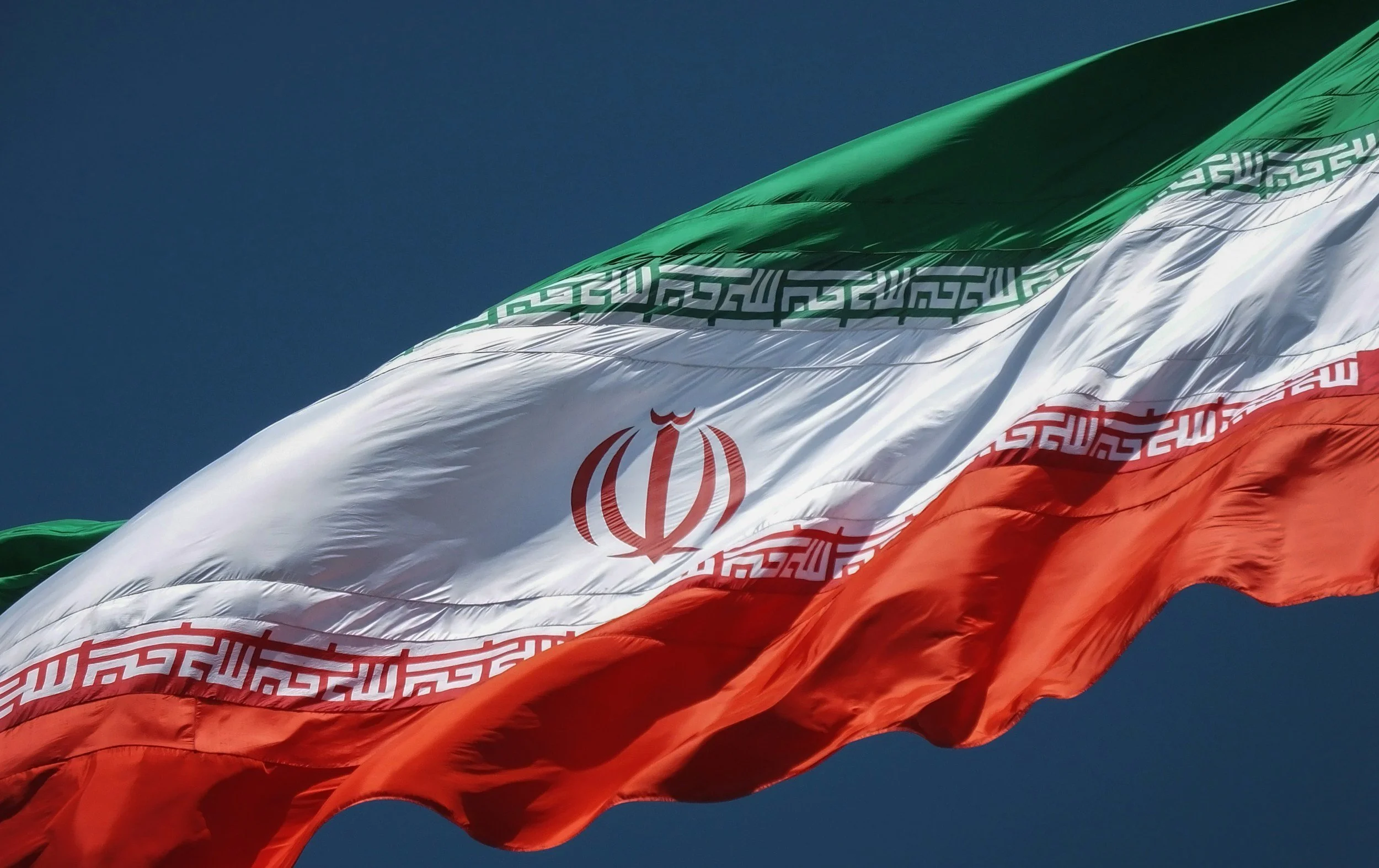
In the early hours of June 15, U.S. President Donald Trump confirmed an announcement by Pakistani Prime Minister Shehbaz Sharif that a peace deal between the United States and Iran had been reached, iterating that both sides had declared “the immediate and permanent termination of military operations on all fronts, including in Lebanon.” ORF Middle East experts offer their quick takes.
By Dhruva Jaishankar and Jeffrey D. Bean
Earlier this month, India was among the first countries to receive expanded access to Anthropic's Claude Mythos large language model, but the White House decision to block all foreign access to Anthropic’s new Mythos and Fable models via export control elevates concerns regarding reliability of U.S. partnership and AI dependency.

By Sarah Salah
As the IAA continues to undergo amendments, its ultimate success will hinge on careful calibration. The EU will need to preserve channels for strategic foreign investment, especially in capital-intensive sectors where domestic capacity alone may fall short. If the Act is overly complex or restrictive, it risks deterring the very investment it seeks to shape.
By Rohan Sharma
The United States’ and India’s commitments are clear: pro-innovation regulation, joint next-generation data centers, and cooperation on advanced compute. But agreements do not operationalize themselves. What is needed is not another forum, but an interface. A jointly staffed mechanism, anchored in implementation agencies, becomes the only viable bridge.
By Vishal Manve
India’s nuclear future is increasingly unfolding along two parallel tracks, one rooted in indigenous strategic capability and the other in internationally integrated commercial innovation. For Washington, understanding and engaging both will be central to the next phase of U.S.–India civil nuclear cooperation.
By Piyush Verma
The conflict in West Asia was not South Asia's war. But South Asia — and particularly the smaller South Asian states such as Nepal, Bangladesh, and Bhutan — are paying the price in fuel queues, kitchen economies, and fiscal wounds that will take years to heal.

By Jhanvi Tripathi and Samriddhi Vij
Countries in the Global South are the fastest growing consumer markets with their growing and increasingly aspirational populations. Fulfilling this potential requires addressing deep connectivity gaps that have implications for the speed and cost of doing business.
By Anit Mukherjee and Caroline Arkalji
If implemented effectively, the Global Biofuels Alliance could help position biofuels not simply as a short-term response to supply disruptions, but as a more strategic pillar of long-term energy security, industrial development, and energy transitions.
By Soumya Bhowmick and Arya Roy Bardhan
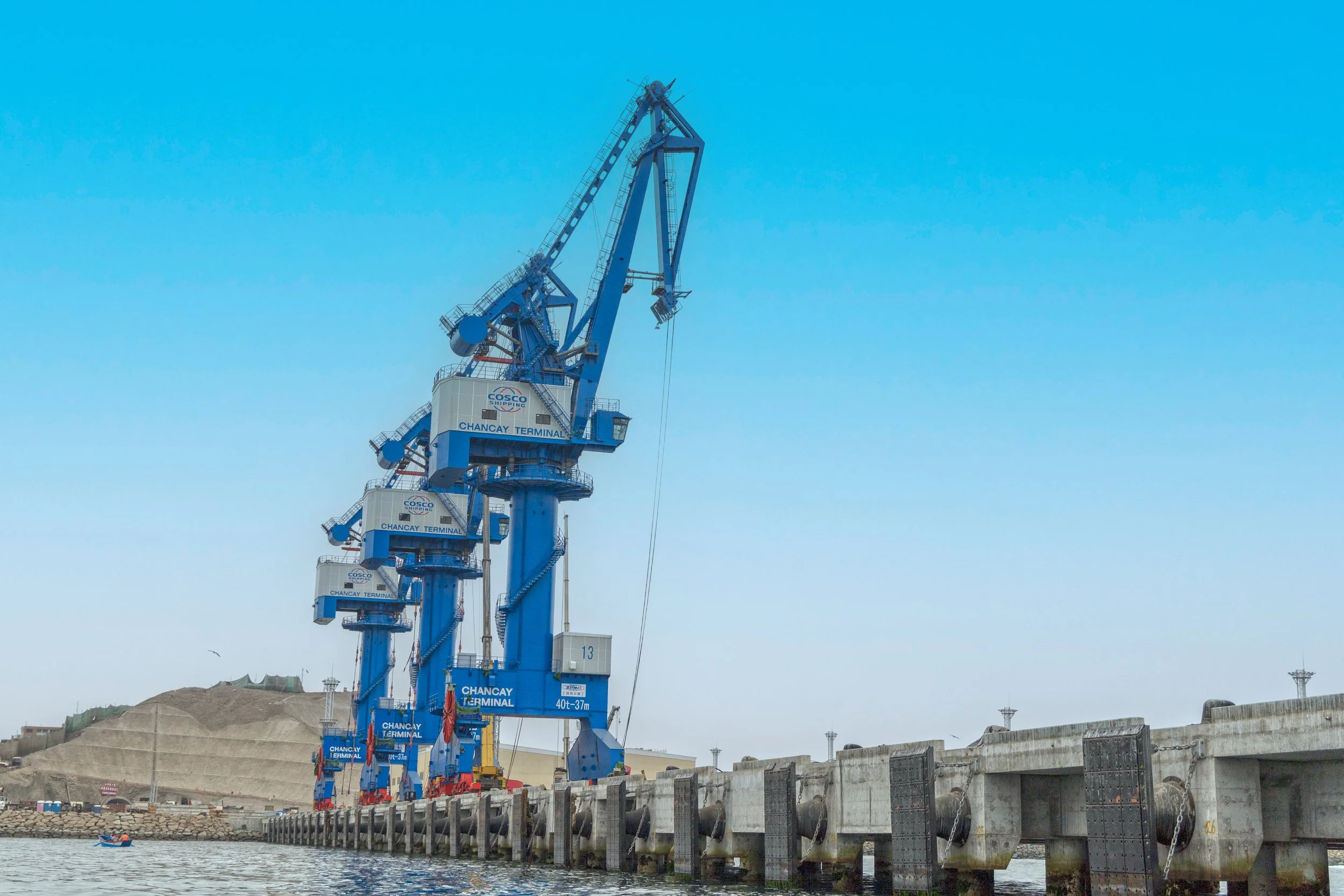
For countries across Asia, Africa, and Latin America, the challenge is no longer simply how to engage Washington or Beijing diplomatically, but how to preserve developmental autonomy in an environment where great-power competition is restructuring markets, supply chains, and industrial choices.

By Aleksei Zakharov
China is carefully balancing its position on the war in Ukraine, offering Russia targeted support while avoiding direct military involvement in the form of supplying lethal weapons or deploying troops. Similarly, Moscow would like to avoid getting entangled in China’s conflicting relations with India, Japan, Vietnam, or the United States. This cautious approach on both sides imposes a clear ceiling on their engagement and leaves limited prospects for an alliance-like partnership in the future.

By Dhruva Jaishankar and Ylli Bajraktari
The United States and India now have a major opportunity to cooperate more closely on AI. But they must move beyond the rhetoric of shared values to building shared infrastructure.
Special Report
Produced by the Special Competitive Studies Project (SCSP) and ORF America

Special Report No. 7
By Piyush Verma, Medha Prasanna, Caroline Arkalji, Erlijn Van Genuchten, and Siddharth Sharma
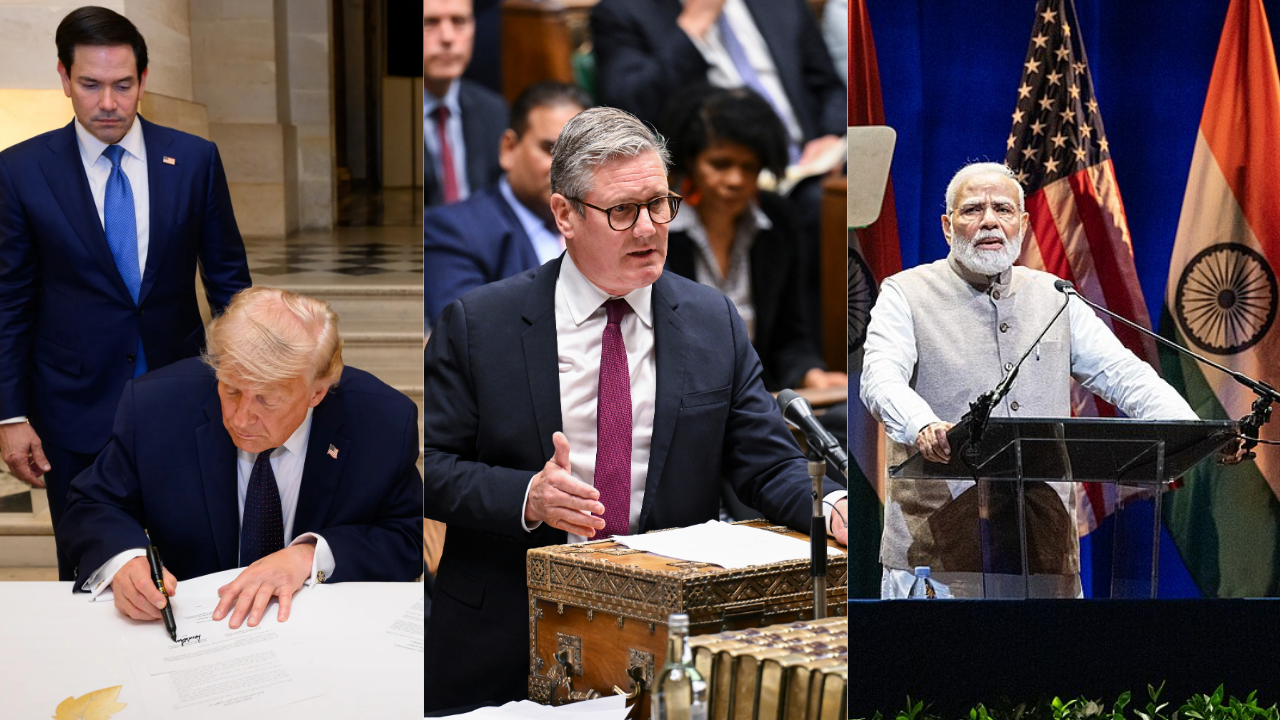
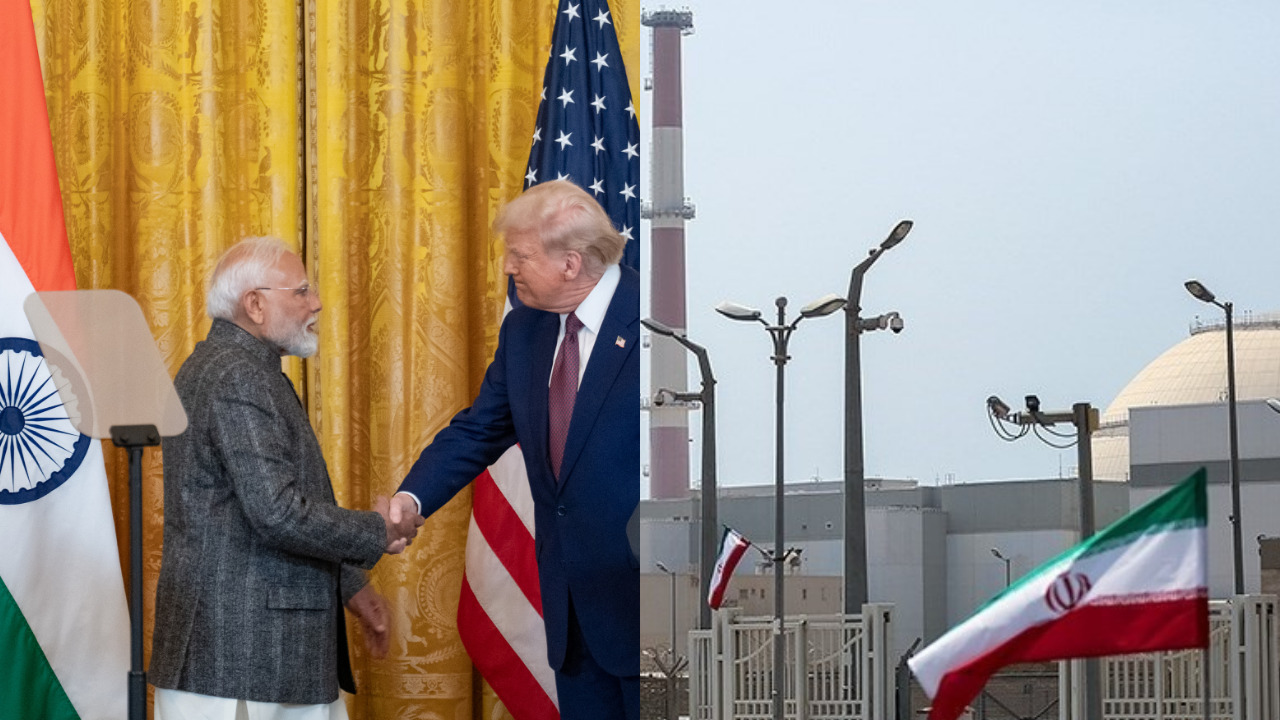
U.S. Engagement with the World: Alliances, Trade, and Technology

By Clemens Chay
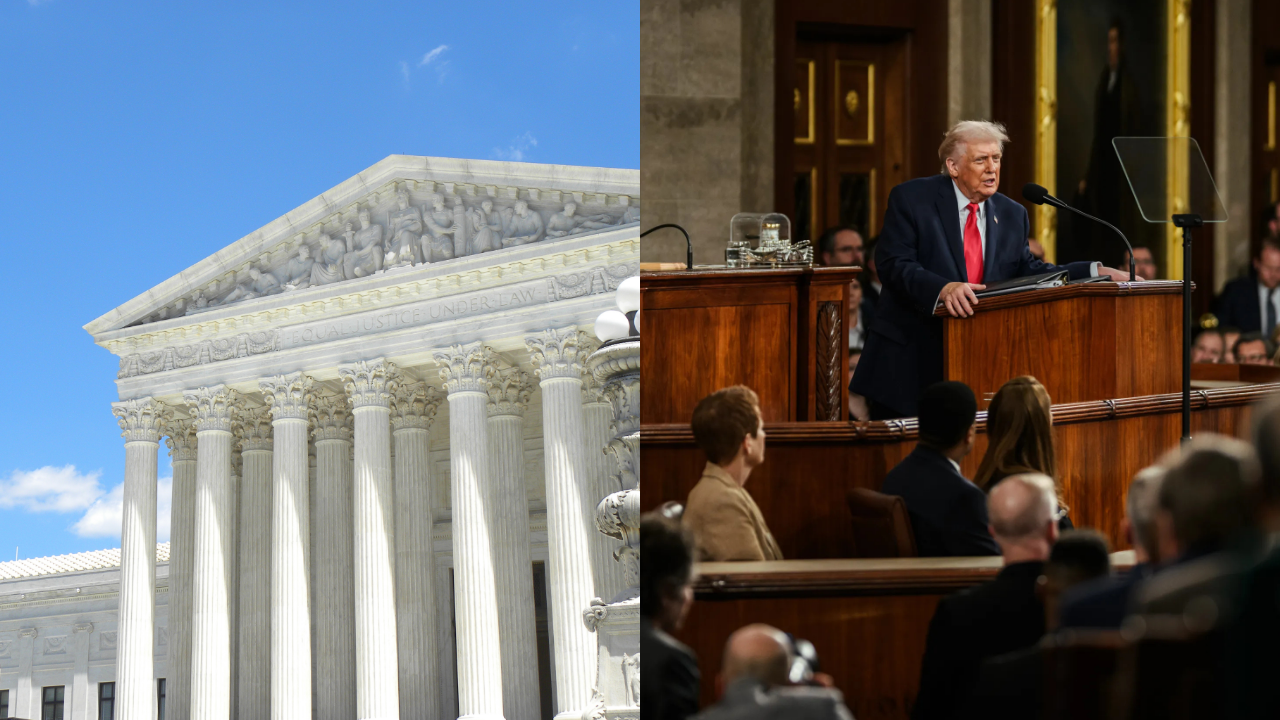
The reality is that “America First” under the Trump administration has functioned as a structural force rather than empty rhetoric — one that has prompted state actors to exercise agency by prioritizing their own national interests.

By Jeffrey D. Bean
If the U.S. government can facilitate practical, targeted bilateral engagements for mining and processing under the banner of Pax Silica and FORGE, these could support derisking semiconductor, AI, and critical mineral supply chains provided key Global South actors are engaged effectively and equitably.

By Marta Bengoa
Using outdated balance-of-payments provisions designed for fixed exchange rates makes no sense under current monetary arrangements. Trump can continue imposing tariffs within constitutional boundaries, but the constraints now bind more tightly. Whether this leads to a more sensible trade policy or simply shifts chaos to different legal authorities remains to be seen.

By Marta Bengoa
Speaking at Davos, Trump first ruled out using military force to acquire Greenland (after weeks of refusing to do so), then hours later announced what he called a "framework of a future deal" with NATO on Arctic security. Whether the framework leads to substantive Arctic security cooperation or remains another example of Trump declaring victory without achieving objectives, the damage to transatlantic economic relations has been done.

By Dhruva Jaishankar
For countries around the world — whether allies, partners, or competitors of the United States — there are important and immediate questions of how much and to what degree they will accommodate, or hedge against, the United States’ new approach to the world.


The Global South: Identifying a Common Agenda
By Soumya Bhowmick and Arya Roy Bardhan
For countries across Asia, Africa, and Latin America, the challenge is no longer simply how to engage Washington or Beijing diplomatically, but how to preserve developmental autonomy in an environment where great-power competition is restructuring markets, supply chains, and industrial choices.
By Kabir Taneja
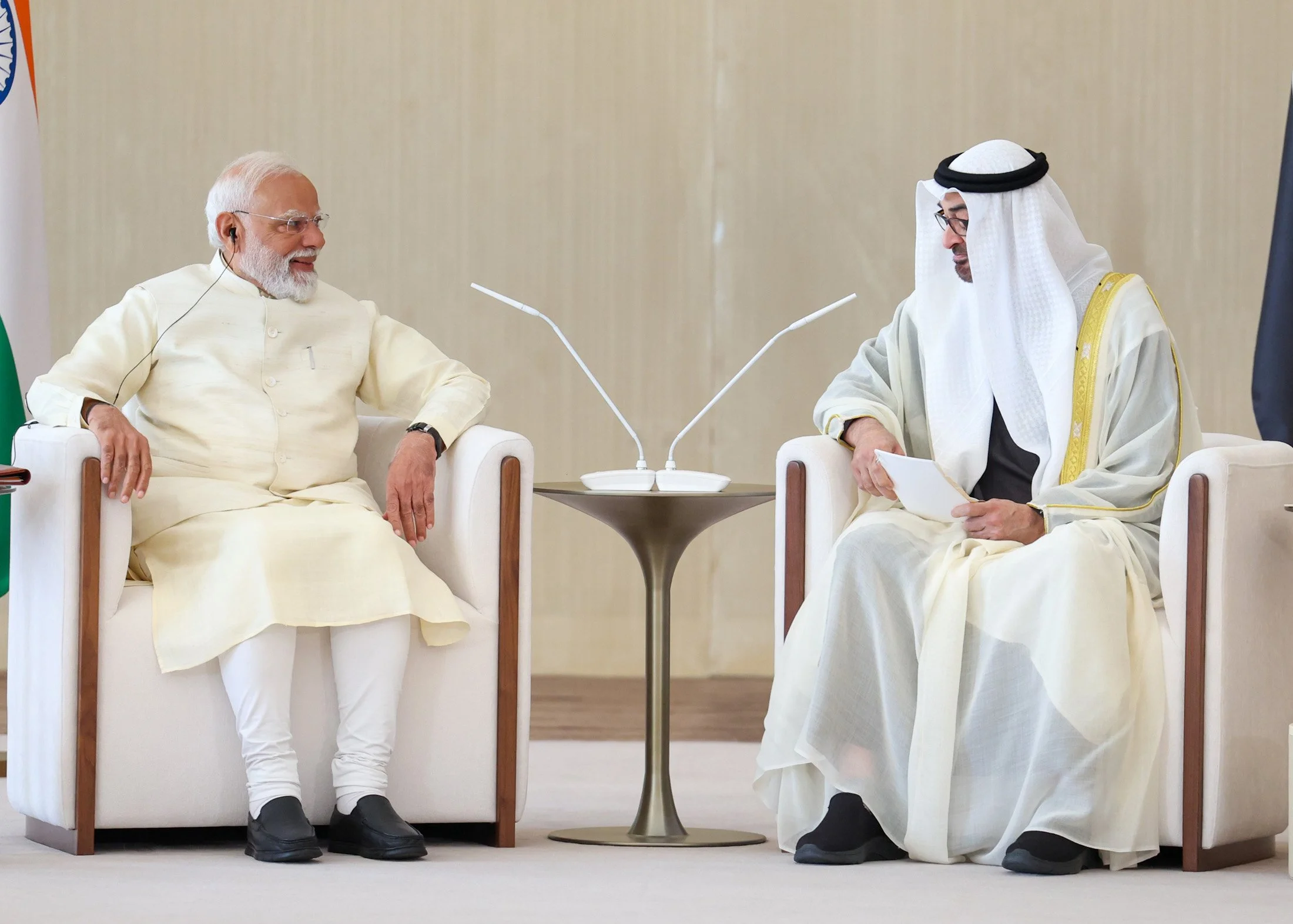
As the global appetite for risk increases drastically, strong bilateral relations such as India and the UAE will need even stronger guardrails to future-proof themselves.

By Parul Bakshi and Samriddhi Vij
While the current crisis in the Middle East may not be permanent, Asia’s dependency on Middle Eastern crude is, necessitating a deeper examination of the structure and extent of this vulnerability.

By Siddharth Yadav and Khush Advani
As AI reshapes economies, militaries, and societies, the nations that control the hardware pipeline will shape the rules of the emerging order. At present, that pipeline runs through a single bottleneck in Veldhoven, Netherlands. For middle powers, the choice is to either accept permanent dependency on a supply chain governed by the strategic priorities of others, or invest collectively in an alternative.

By Cauvery Ganapathy
In Venezuela’s case, as was the case with Iraq, it is the systematic domestic mismanagement of its resources coupled with inequities of political agency that diminished the value of its natural wealth. American engagement in Venezuela’s oil sector may soon demonstrate, like it did in the United States’ Iraqi sojourn, how deep-rooted these structural fractures are.
By Piyush Verma
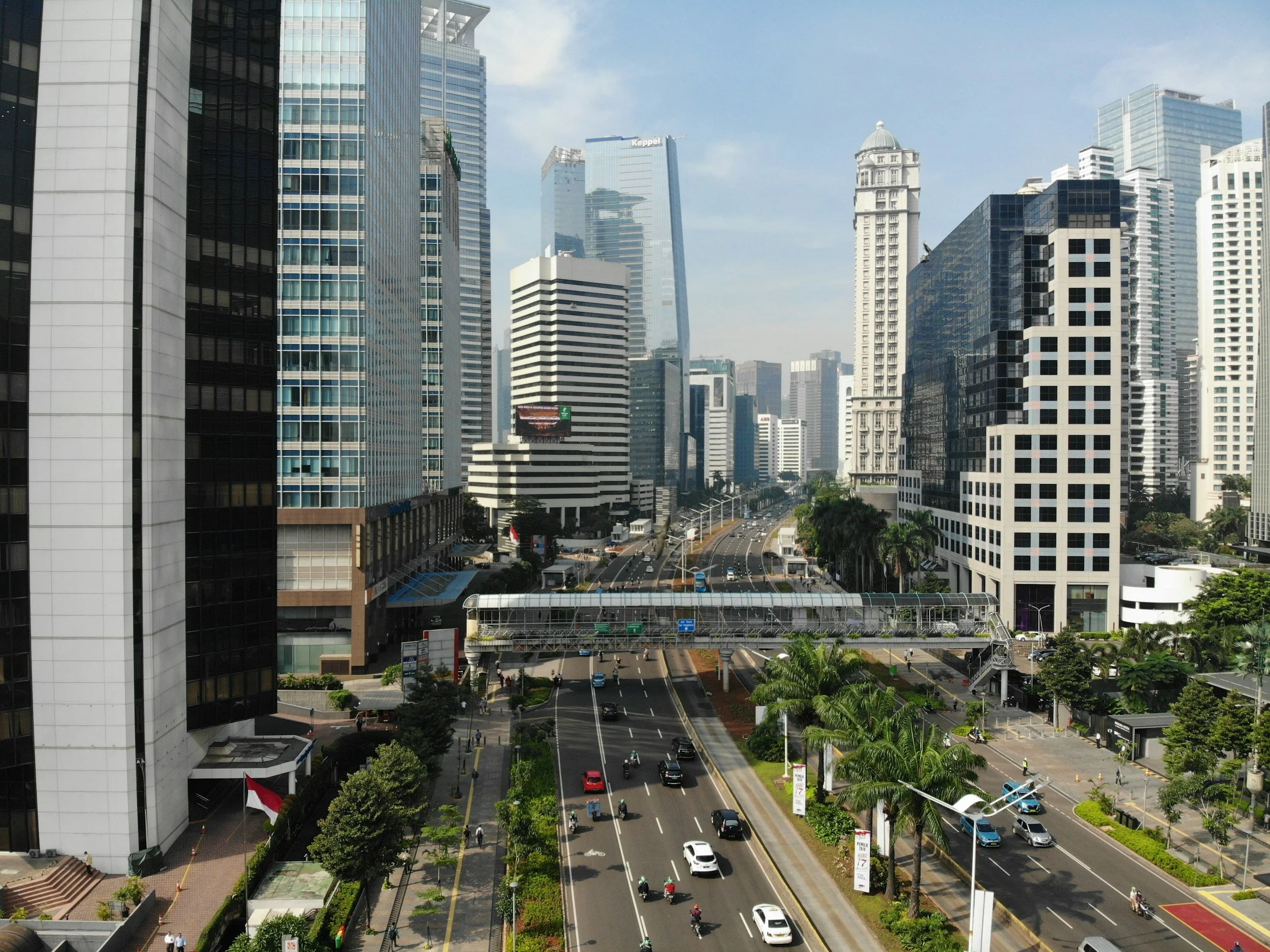
This diplomatic moment offers an opportunity built on the India-Indonesia relationship: closer cooperation with the India-Brazil-South Africa Dialogue Forum, or IBSA.
By Dhruva Jaishankar
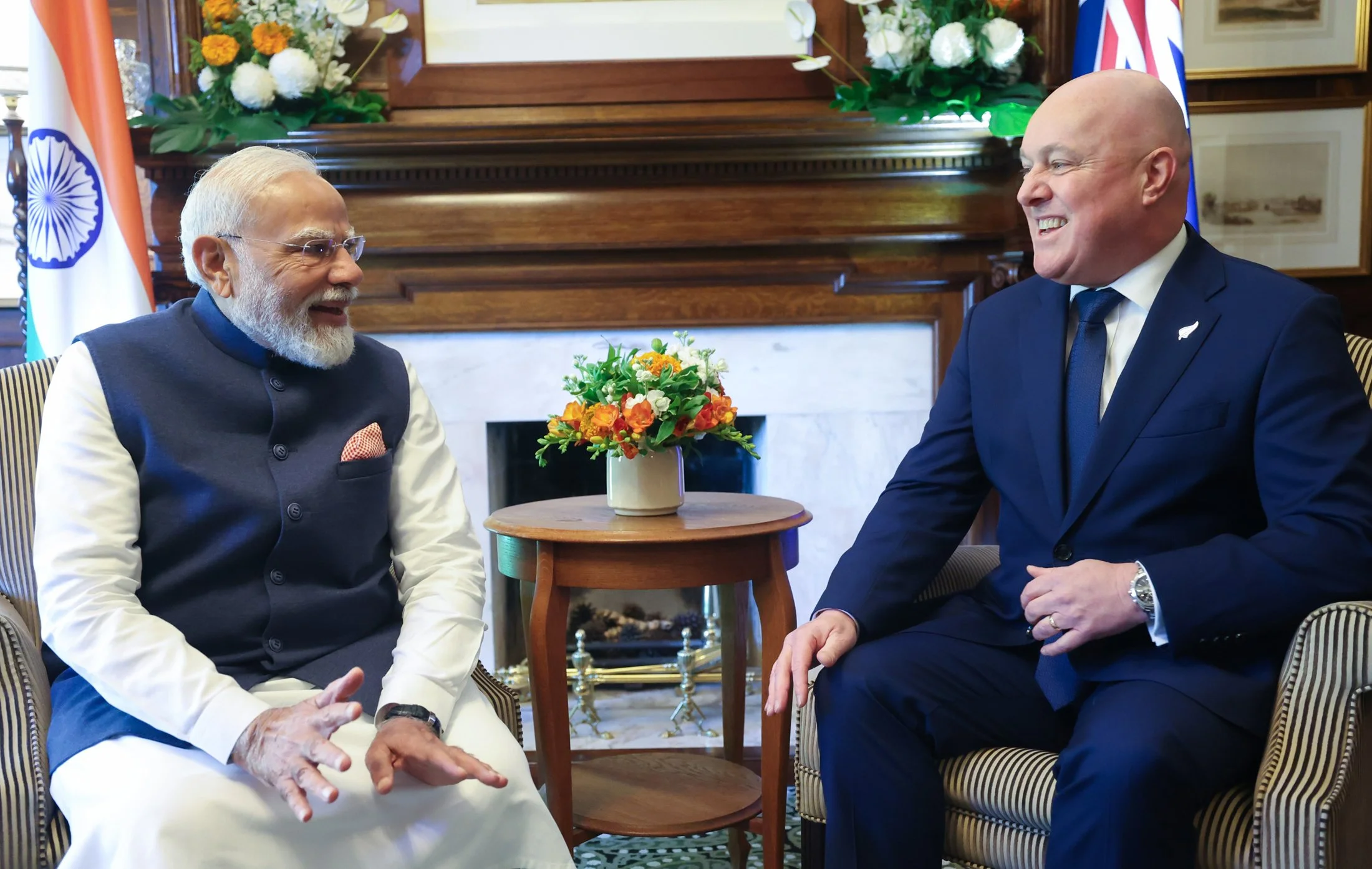
A world in which freedom of navigation or energy supplies can be imperiled by the actions of others will require more international partnerships. A consolidation of relations between the governments of India and New Zealand makes eminent sense in this context. While an FTA is a welcome development, it remains just one step toward what can be a much more broad-based and mutually-beneficial partnership.

Multilateral Reform: Reinvigorating International Institutions
By Caroline Arkalji and Piyush Verma
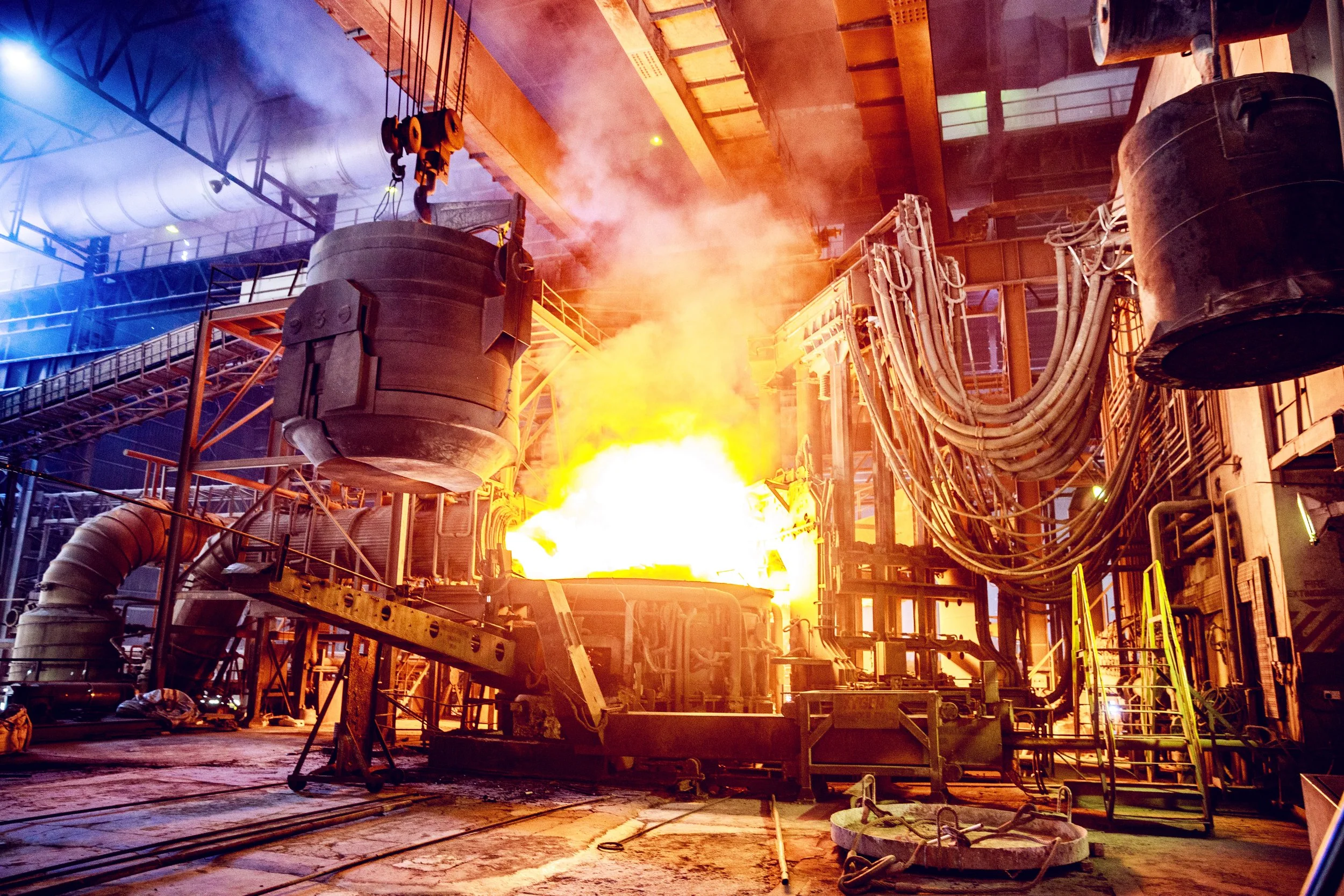
Green iron could become an important energy security and industrial competitiveness issue. Reducing dependence on imported coal, building domestic clean industrial capacity, and preparing for future export markets could all strengthen India’s long-term position.
By Siddharth Yadav
The ability of attackers using AI systems to mount an autonomous attack is spreading. The systems best able to defend against one, including the two OpenAI models in this test, are either unreleased or restricted to organizations with advance approval. That gap necessitates treating open models that anyone can download and run as the foundation of cyber defense, rather than a fallback.
By Ammar Nainar
In the long run, India will continue to deepen defense cooperation with a select group of West Asian and Mediterranean countries in partial response to developments such as the Mecca Agreement.
By Dylan Morgan
While the CCP may view Cheng as an opportunity to revive engagement, Taiwan’s political realities continue to place limits on how far she can move towards accommodating Beijing. Her current efforts to moderate her platform and temper pushback may be able to help her make inroads with a broader audience.
By Andreas Kuehn and Tara Chawla
The AI buildout is not simply a race for more advanced accelerators, but an infrastructure-centered contest to turn technology, energy, and capital into usable computing capacity. The decisive measure will not be announced spending or planned capacity, but how quickly those commitments become reliable, operational computing capacity.
By Sauradeep Bag
The central question is no longer whether sovereign digital money will emerge but what institutional form it will take, who will govern it, and whose economic interests it will serve.
By Prateek Tripathi
Though the field of quantum computing is not mature enough to provide remarkable practical applications at the moment, recent developments serve to exemplify the asymmetric nature of quantum technology development and how multiple incremental advancements can potentially lead to overall progress.
By Amoha Basrur and Pranoy Jainendran
With applications already spanning the automotive, aerospace, and data-centre sectors, spintronics has become a strategic priority for countries with the manufacturing capacity to compete for it, driving targeted R&D funding, national roadmaps, and industry partnerships aimed at securing technological leadership and supply chain resilience.
By Siddharth Yadav
Global corporate AI investment reached US$581.7 billion in 2025, more than double the previous year’s total, with most of it flowing to the economies that already dominate research and hardware. Economies with nascent domestic digital infrastructure, investment vehicles, research ecosystems, and governance frameworks risk being marginalized by the AI-driven future.
By Gopalika Arora
The retrenchment of finance is not merely a result of a temporary slowdown in climate finance commitments by the developed countries. It may also signal a deeper restructuring of the climate finance architecture driven by changing institutional priorities within the multilateral system that was expected to anchor the transition.
By Parul Bakshi and Lydia Powell
Over the past decade, three structural shifts have been reordering global energy trade, encompassing not only traditional oil and gas flows but also the rapidly growing cross-border trade in electricity and clean energy goods.
By Piyush Verma
For the Global South, the stakes are particularly high: the energy transition could unlock industrialization, resilience, and strategic bargaining power, but it could also reproduce older patterns of dependency through new technologies, standards, minerals, and financial asymmetries.
By Andreas Kuehn and Cauvery Ganapathy
While the integration of AI offers benefits for the optimization of energy systems through grid management, renewable energy integration, predictive maintenance, and accurate forecasting of alternative forms of energy, its energy-intensive nature could also negatively impact the countries and ecosystems seeking to adopt it.
By Medha Prasanna
The oil age will not end because the world runs out of oil, but because oil reserves stop being worth pumping. The UAE has moved fast, not as just a knee-jerk reaction to the conflict in the region, but as a strategic divergence.
By Andre Nicola
Across South America, governments are increasingly framing environmental regulation as a constraint on growth, investment, and national competitiveness. South America's political direction over the next several years will be an early test of whether economic development can be reconciled with environmental stewardship throughout the region.
By Pietro Zecca
Pursued only through scattered pilot projects, industrial decarbonization stays fragmented and slow. Organized as clusters, it becomes more practical and politically durable, connecting climate finance to visible assets and bridging decarbonization with development.
By Uma Vatsa and Shailesh Mishra
The AI industry is making large, long-lived bets on future demand, even as the technology itself is becoming more efficient. If AI systems become cheaper to run, more efficient to train, or less dependent on massively centralized compute, some of today’s infrastructure may prove oversized, poorly located, or economically fragile.
By Anit Mukherjee
As crude oil prices moderate and energy supplies become more predictable, India has an opportunity to address three key challenges.
By Ashita Jain
The proposed India-U.S. trade deal discussions are distinct from traditional FTA negotiations, for they resemble a strategic economic partnership being negotiated under tariff pressure and in pursuit of an increasingly elusive sense of predictability for Indian exporters.
By Dhruva Jaishankar
What’s the latest on U.S.-India relations? Dhruva Jaishankar answers.
By Samriddhi Vij, Akram Zaoui, and Mahdi Ghuloom
In the early hours of June 15, U.S. President Donald Trump confirmed an announcement by Pakistani Prime Minister Shehbaz Sharif that a peace deal between the United States and Iran had been reached, iterating that both sides had declared “the immediate and permanent termination of military operations on all fronts, including in Lebanon.” ORF Middle East experts offer their quick takes.
By Dhruva Jaishankar and Jeffrey D. Bean
Earlier this month, India was among the first countries to receive expanded access to Anthropic's Claude Mythos large language model, but the White House decision to block all foreign access to Anthropic’s new Mythos and Fable models via export control elevates concerns regarding reliability of U.S. partnership and AI dependency.
By Sarah Salah
As the IAA continues to undergo amendments, its ultimate success will hinge on careful calibration. The EU will need to preserve channels for strategic foreign investment, especially in capital-intensive sectors where domestic capacity alone may fall short. If the Act is overly complex or restrictive, it risks deterring the very investment it seeks to shape.
By Rohan Sharma
The United States’ and India’s commitments are clear: pro-innovation regulation, joint next-generation data centers, and cooperation on advanced compute. But agreements do not operationalize themselves. What is needed is not another forum, but an interface. A jointly staffed mechanism, anchored in implementation agencies, becomes the only viable bridge.
By Vishal Manve
India’s nuclear future is increasingly unfolding along two parallel tracks, one rooted in indigenous strategic capability and the other in internationally integrated commercial innovation. For Washington, understanding and engaging both will be central to the next phase of U.S.–India civil nuclear cooperation.
By Piyush Verma
The conflict in West Asia was not South Asia's war. But South Asia — and particularly the smaller South Asian states such as Nepal, Bangladesh, and Bhutan — are paying the price in fuel queues, kitchen economies, and fiscal wounds that will take years to heal.
By Jhanvi Tripathi and Samriddhi Vij
Countries in the Global South are the fastest growing consumer markets with their growing and increasingly aspirational populations. Fulfilling this potential requires addressing deep connectivity gaps that have implications for the speed and cost of doing business.
By Anit Mukherjee and Caroline Arkalji
If implemented effectively, the Global Biofuels Alliance could help position biofuels not simply as a short-term response to supply disruptions, but as a more strategic pillar of long-term energy security, industrial development, and energy transitions.
By Soumya Bhowmick and Arya Roy Bardhan
For countries across Asia, Africa, and Latin America, the challenge is no longer simply how to engage Washington or Beijing diplomatically, but how to preserve developmental autonomy in an environment where great-power competition is restructuring markets, supply chains, and industrial choices.
By Aleksei Zakharov
China is carefully balancing its position on the war in Ukraine, offering Russia targeted support while avoiding direct military involvement in the form of supplying lethal weapons or deploying troops. Similarly, Moscow would like to avoid getting entangled in China’s conflicting relations with India, Japan, Vietnam, or the United States. This cautious approach on both sides imposes a clear ceiling on their engagement and leaves limited prospects for an alliance-like partnership in the future.


By Udaibir Das
More moves of this kind should be expected, extending beyond energy into critical minerals, technology standards, industrial policy, and cross-border finance. The UAE’s decision is not an outlier. It is a marker — not of fragmentation, but of redefinition.

By Udaibir Das
Fiscal space, financial space and institutional credibility are no longer separable policy domains. They are jointly binding constraints. The IMF flagships document their components but not the mechanism.

By Udaibir Das
The Trevor Manuel G20 Africa Expert Panel Report reframes Africa’s constraints as a single system of mispricing, debt compression and governance asymmetry. Its proposals for refinancing, collective bargaining and International Monetary Fund quota reform mark the first coordinated attempt to shift power within the international financial architecture.